
" We don't sell the wine without touching the vine "
| Country: | Italy |
| Region: | Piemonte |
| Winery: | G.D. Vajra |
| Grape Type: | Nebbiolo |
| Organic: | Yes |
| Vintage: | 2020 |
| Bottle Size: | 750 ml |

G.D. Vajra Barolo Coste di Rose is made from 100 percent Nebbiolo.
The Coste di Rose is a very seductive wine right out of the gate. Cherries and roses burst on the nose, with hints of amarena, red hard candy, wild berries, wet stone, mint and thyme. The palate is radiant and expressive, with all of the signature elements of Coste di Rose in nice evi-dence: the ethereal character, the saline, up-front tannic structure, and further whiffles of roses and cherries in the finish.
Review:
This wine shows a darker and more savory profile than Vajra’s Costa di Rose, its black-cherry flavors tinged with notes of licorice and tobacco. Scents of lavender and violet lend a delicate touch to the wine, which continued to gain verve and freshness with time in the glass.
-Wine & Spirits 96 Points

G.D. Vajra Barolo Ravera is made from 100 percent Nebbiolo.
The Barolo Ravera shows a striking balance of all tones. Red and dark fruits on the nose are interlaced with mineral hints and the iron tones which are such a signature of Ravera. The wine has brilliant drinkability, with a layered, ample mid palate and a racy finish.
Review:
Seamlessly stitched together, the G.D. Vajra 2018 Barolo Ravera reveals tight layering and smooth texture. Fruit comes from an amphitheater of vines with Tortoniana epoch sandstone clay that is typical of parts of Barolo and Novello. What stands out here is the mineral character of the wine. It frames a dark core of plum, dark cherry and soft spice.
- Robert Parker's Wine Advocate 94 Points

G.D. Vajra Bricco Delle Viole Barolo is made from 100 percent Nebbiolo.
The Barolo Bricco delle Viole shows the signature verticality of its vineyard. The wine is beautifully layered and - while restrained as it’s always the case in the youth of Bricco delle Viole - it also shows a complexity of layers with purple flowers, sweet spices and mineral tones. The palate is noble, with a refined acid spine and profound tannins that promise a long aging potential.
Among the historical vineyards of Barolo, Bricco delle Viole is the highest and the closest to the Alps. It rises from 400 to 480 meters above sea level, on the Western ridge of the village. Its name, “Hill of Violets”, originates from the flowers that blossom early here due to the perfect south exposure. Up above the fogs, Bricco delle Viole enjoys the earliest sunrise and the last sunset every day. Thanks to its vines dating back to 1949 and -now- 1931, a dramatic diuturnal temperature range and this pure light, Bricco delle Viole generates a sophisticated and profound Barolo DOCG of bright aromatics, chiseled tannins and subtle minerality. 2018 is a vintage that shows many nuances of Bricco delle Viole: beyond the signature verticality of this site, the wine offers high tones laced with mineral nuances and plenty of energy and youth.
Review:
The 2018 Barolo Bricco delle Viole is not super intense, but it is balanced in its own way. The wine is subdued but complete with softly yielding tannins to support an elegantly streamlined mouthfeel. Bricco delle Viole is a high and cool growing site in Barolo at 400 to 480 meters in elevation with characteristic Sant'Agata marl soils with fossils. The wine represents a selection of fruit from over seven hectares. With fermentation in steel tank and aging in large Slavonian oak, you are invited to a silky, lifted and beautifully delicate experience with an accessible personality.
-Wine Advocate 95 Points
An elegant version, this red features rose, black currant, cherry, mineral and a hint of eucalyptus aromas and flavors. Linear in profile, this is solidly built on a graceful frame, with finely woven tannins and vibrant acidity.
- Wine Spectator 95 Points

G.D. Vajra Freisa 'Kye' Langhe Rosso is made from 100% Freisa.
DESCRIPTION: In 2004, Freisa was discovered to be the closest relative to Nebbiolo, thus explaining the deep bond this variety has with Piemonte and its people. With a noble profile and similar characteristics to the Nebbiolo, we have been bottling a dry Langhe DOC Freisa ever since 1989. Kyé means ‘who is?’ and represents the surprise for this indigenous and forgotten grape.
VINEYARD AND TERROIR: Estate vineyards, the oldest located in San Ponzio, on the lower west border of Bricco delle Viole. This is the closest vineyard to the winery, and a selezione massale planted by Aldo in 1980.
GROWING: In 1971, Aldo Vaira was one of the earliest adopters of organic farming in Piemonte. Vineyards have been nurtured and soil preserved by grassing and cover crop for almost 50 years now. With an incredible ratio of manual work per hectare, farming at Vajra is a labor of love and “recipe-free” attention. Intense research is also placed into monitoring and improving the biodiversity of both flora and fauna not just in the vineyards, but also in the winery fields and forests. The winery is sustainably certified (UNI EN 11233:2009) and will be again fully organic certified since 2019.
Langhe DOC Freisa Kyè displays a beautiful, translucent garnet color. The aromatics are a combination of redcurrant and wild mountain berries, layered with a touch of sweet spices, fresh leather, and candied japonica prune. The mouth is juicy, succulent, with lots -yet never hefty- tannins. There is a beautiful structure in this vintage and a lovely, lovely finish.
Review:
‘The 2018 Langhe Freisa Kyé is quite refined in this vintage and yet it also shows all of the aromatic nuance and complexity that are such signatures of this variety and wine. Dried herbs, rose petal, lavender, mint and spice lend exotic nuance to this deep, beautifully layered Freisa. The Kyé is one of the sleepers of Piedmont's 2018 vintage. It is, quite frankly, ‘as good or better than some Barolos in this tricky vintage. ~- Antonio Galloni
-Vinous 93 Points

Familia Zuccardi 'Finca Piedra Infinita' Gravascal is made from 100 Malbec.
WINE DATA:
Grape Composition: 100% Malbec
Appellation: Finca Piedra Infinita, IG Paraje Altamira,Valle de Uco, Mendoze
Vinification: Manually selected grapes, filling of tanks by gravity. Fermentation with native yeasts in concrete vessels without epoxy. Aging in concrete vessels. The 2020 was a very particular vintage, characterized by limited yields and a high speed of maturity, which made it one of the fastest and most challenging on record.
In the search for the purest expression of the identity of Finca Piedra Infinita vineyard, we reached this small plot of 0.73 hectares. Located on its north-east side, it shows the typical facet of Paraje Altamira soil, with large gravels and granite stones covered with calcareous material at a depth of 50 cm.
Altitude: 3,609 feet above sea level
Soil Type: Short alluvial soil covered with calcareous materials
Alcohol: 14% Total Acidity: 5.6g/l
TASTING NOTES:
Color: Bright ruby color
Aroma: Dark berries, black olive tapenade, and iron
Flavor: Rich on the palate, with firm tanins

This vineyard is situated at over 3,000 feet in altitude in Valle de Uco, and the vines are over seventy years old. This light soil is sandy with some silt, is very permeable and has boulders and a broken layer of limestone at a depth of 2.5 feet. Traditional irrigation is fed by water from the Andes Mountains. Temis has the coldest climate of all Alta Vista’s terroirs. Nights are quite cool and days are warm and soft, with constant breezes that help to keep the vines and grapes healthy. The grapes have a slow, gradual cycle of ripeness that is balanced and ideal. Planted in 1942, the selection massale vines are characterized by small clusters with small, compact grapes.
Review:
There’s a touch of bark, grilled Mediterranean spice savoriness to the rich but fresh blackberries, salted black plums and graphite notes. Pretty saline and flavorful on the palate. The tannins are powerful yet fine-grained. A structured and characterful malbec from old vines in El Cepillo.
-James Suckling 94 Points
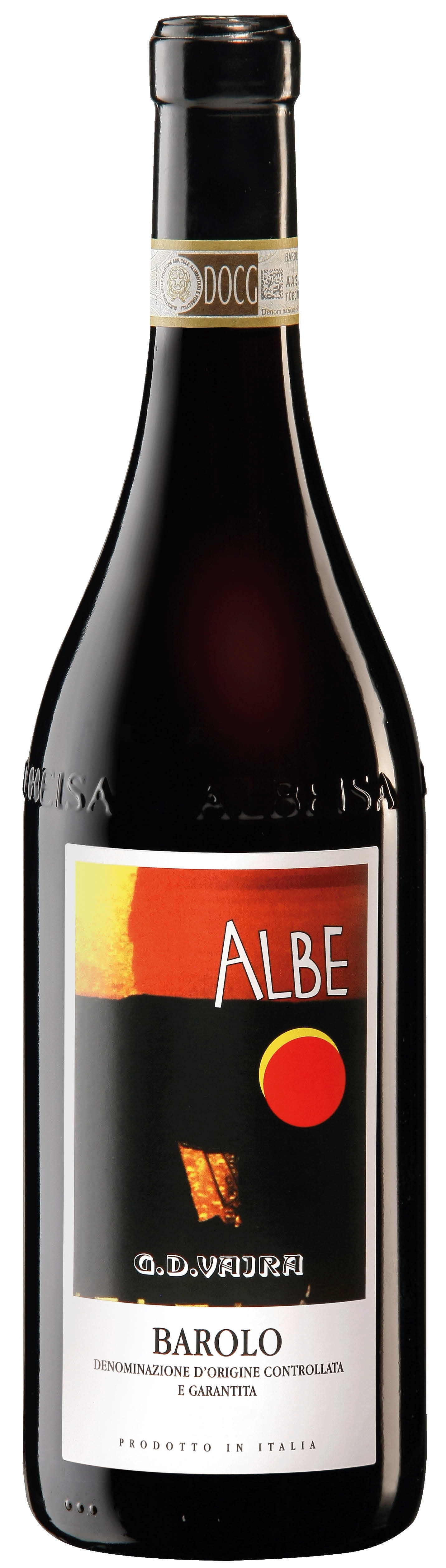
G.D. Vajra Barolo Albe 2020 is made from100 percent Nebbiolo.
#9 Wine Spectator Top 100 of 2024
The 2020 Barolo Albe shows an expressive nose with aromas of fresh cherries, crushed stones and roses. The mouthfeel is bright and energetic, with generous mouthfeel and a youthful tannic structure enriched by notes of raspberry and orange zest. Long, textural finish.
Reviews:
This effusive red displays cherry, raspberry, rose, iron, juniper and hay flavors, underscored by vibrant acidity. Harmonious and supple in texture, with a long aftertaste of red fruit, mineral and floral elements.
-Wine Spectator 94 Points
LAND There is no vineyard, no terroir, without the land. To love it is simple, but not easy. The land is generous and alive. It is beautiful. It needs understanding and time. It takes your breath away with its colors and many wonders. The land asks for absolute dedication. It asks to be loved for better or worse, in abundance and scarcity. The land is almost more than a house. It's part of our life and asks to be guarded with the same tenderness that we have for our loved ones. And the amazing thing is that, despite all the difficulties, to love it does not need any effort.
ROOTS "A tree does not grow without roots" "This is the origin of the esteem and affection for the people who have lived and loved our land. An affection that becomes a desire of identification and makes us want to share it with our friends." Giuseppe, Francesca, Isidoro. A special thank you to Mauro Fermariello, with whom we realized this interviews.

Chavy-Chouet Bourgogne Blanc Les Saussots is made from 100 percent Chardonnay. A medium yellow straw color in the glass. On the nose, you will find layers aromas of cured lemon and hints of coconut and mango. On the palate, the juice has clean flavor, fresh acidity, and excellent balance. Vanilla notes follow through to the slightly creamy finish.
The grapes from this wines are grown from the Meursault area. (either outside of the AOC limit or with younger vines).
Seafood, fish, salad or by itself as an aperitif.
Drink this one now or over the next 3 to 4 years.

Trump Winery Sauvignon Blanc is made from 100 percent Sauvignon Blanc.
Awards:
Tasting Notes:
Our award-winning Sauvignon Blanc, recognized with two double gold medals, showcases vibrant aromas of grapefruit, melon, passion fruit, and boxwood. Hand-harvested grapes are meticulously processed and fermented in stainless steel, with three months of lees stirring to enhance the mouthfeel. The result is a beautifully balanced wine with a refreshing crispness and clean acidity, perfect for pairing with seafood and salads.

DAOU Vineyards Reserve Cabernet Sauvignon is made from 77% Cabernet Sauvignon, 23% Petit Verdot.
The 2021 DAOU Reserve Cabernet Sauvignon is emblematic of Paso Robles as a world-class region for Bordeaux-style wines. Intense purple-red hues foreshadow deep aromas of black fruit, pomegranate, tobacco, mocha, and bay leaf. Trailing notes of clove, nutmeg, and vanilla emerge as the wine opens up in the glass. Opulent textures expand across the palate with flavors of red fruit, blueberry, and chocolate-covered raspberry. The overall experience is fresh and rich, concluding with velvety tannins and impressive length.
Review:
Dark and focused aromas of cherry, clove and caramel meet with creamy milk chocolate and mahogany on the layered nose of this bottling. Showing a deft mastery of tannins, which is the Daou hallmark, the palate is silky and yet structured, offering rich fruit and lightly bitter walnut flavors.
-Wine Enthusiast 95 Points

Aiurri Rioja is made from 80% Tempranillo, 15% Grenache, 5% Graciano.
Chalky, mineral and pure, with blood orange and blackberry fruit and scented oak. "Aroma: Complex and intense, where black fruits accompany spicy notes, highlighting black pepper and licorice. In the background, the notes of aging appear, with tones of dry tobacco and leaf litter. Taste: Powerful wine with good structure, but at the same time with notable freshness. It generates very pleasant and elegant tactile sensations. It is a wine where balance, concentration and sensations of fullness prevail. Color: Deep cherry color with a high layer."
Review:
"A superb first release from Ribera del Duero-based Pago de Carraovejas, Aiurri is effectively a village wine from Leza, using grapes from seven parcels in the village. Structured, layered and refreshing, it's an organically farmed field blend of Tempranillo with small amounts of red and white grapes. Chalky, mineral and pure, with blood orange and blackberry fruit and scented oak. 2025-32."
- Tim ATKIN (Rioja 2024 Special Report), 94 pts

Aiurri Salas Rioja is made from 80% Tempranillo and 20% Field Blend
Aroma: Very expressive on the nose, with good complexity, red fruit and fresh black fruit, spices and wild herbs. Flavor: Combination of freshness and complexity. Pleasant tannins, lots of fruit, long finish with great persistence. Color: Black Cherry with a Violet rim.
Review:
"A peppery Rioja that shows the graciano and monastrell touch to the field blend. Menthol, basil leaves, laurel, blackberries and a lot of spices. Tense and powdery tannins on the fine-boned, full-bodied palate. Drink or hold. - Zekun Shuai (Senior Editor)"
- James SUCKLING (September 11th 2024), 94 pts

Penedo Borges Icono Malbec is made from 85% Malbec, 10% Cabernet Sauvignon and 5% Petit Verdot
Dark purple color.
Complex aromas of predominent ripe red fruit such as plum, cherry and raspberry with spicy notes.
Chocolate and vanilla flavors from barrel ageing which provide complexity and elegance.
Wine of great lenght.
Red meats, lamb, beef stew, strong cheese.

Weingut Prager Achleiten Riesling Smaragd is made from 100 percent Riesling.
Franz Prager, co-founder of the Vinea Wachau, had already earned a reputation for his wines when Toni Bodenstein married into the family. Bodenstein’s passion for biodiversity and old terraces, coupled with brilliant winemaking, places Prager in the highest echelon of Austrian producers.
Smaragd is a designation of ripeness for dry wines used exclusively by members of the Vinea Wachau. The wines must have a minimum alcohol of 12.5%. The grapes are hand-harvested, typically in October and November, and are sent directly to press where they spontaneously ferment in stainless-steel tanks.
Achleiten sits east of Weißenkirchen and is one of the most famous vineyards in the Wachau. The steeply-terraced vineyard existed in Roman times. Some sections have just 40 cm of topsoil over the bedrock of Gföler Gneiss, amphibolitic stone, and slate. “Destroyed soil,” as Toni Bodenstein likes to say.
Tasting Notes:
Austrian Riesling is often defined by elevated levels of dry extract thanks to a lengthy ripening period and freshness due to dramatic temperature swings between day and night. Wines from Achleiten’s highly complex soils are famously marked by a mineral note of flint or gun smoke, are intensely flavored, and reliably long-lived.
Food Pairing:
Riesling’s high acidity makes it one of the most versatile wines at the table. Riesling can be used to cut the fattiness of foods such as pork or sausages and can tame some saltiness. Conversely, it can highlight foods such as fish or vegetables in the same way a squeeze of lemon or a vinaigrette might.
Review:
The 2020 Ried Achleiten Riesling Smaragd offers a well-concentrated, fleshy and spicy stone fruit aroma with crunchy and flinty notes. It needs some time to get rid of the stewed fruit flavors, though. Full-bodied, fresh and crystalline, this is an elegant, complex and finely tannic Riesling that needs some years rather than a carafe to polymerize the tannins and gain some finesse. Tasted at the domain in June 2021.
At Prager, I could not determine that 2020 would be inferior to the 2019 vintage; on the contrary, the 2020 Smaragd wines fascinated me enormously in their clear, cool, terroir-tinged way. A 38% loss had occurred mainly because of the hail on August 22, although predominantly in the Federspiel or Riesling vineyards. There was no damage in the top vineyards such as Ried Klaus, Achleiten or Zwerithaler. "Interestingly, the vines are in agony for about two weeks after the hail. There was no more growth, no development of ripeness and sugar," reports Toni Bondenstein. The Veltliner then recovered earlier, while even picking a Riesling Federspiel in October was still a struggle. "Why Riesling reacted more intensively to the hail, I don't know myself either," says Bodenstein. Whole clusters were pressed to preserve acidity and to compensate for the lower extract, and compared to 2019, the 2020s were left on their lees longer. In June, however, the 20s in particular showed outstanding early shape.
-Wine Advocate 94 Points
Light yellow-green, silver reflections. Yellow stone fruit nuances with a mineral underlay, notes of peach and mango, a hint of tangerine zest, mineral touch. Juicy, elegant, white fruit, acidity structure rich in finesse, lemony-salty finish, sure aging potential.
-Falstaff 95 Points

Freemark Abbey 'Sycamore' Cabernet Sauvignon is made from 95% Cabernet Sauvignon, 4% Petit Verdot, 1% Cabernet Franc.
Located on the southern end of the Rutherford Bench, Sycamore Vineyard’s proximity to the Mayacamas Mountains provides the perfect climate for growing a rich, textured Cabernet. The wine is intense in aromatic complexity, reminiscent of blackberry, pomegranate syrup, black tea, and forest floor. The palate is rich and textured with flavors of forest fruits, dark chocolate, bay leaf, and warm oak spices. The ‘Rutherford dust’ is evident in the tannin structure, giving it textures that are bold but integrated, making it lovely to drink now with the capability to age in the cellar for decades.
Primary Vineyard: Sycamore Vineyard—Rutherford (100%): Small 24-acre vineyard located about 1.2 miles south of Bosche, right up against the Mayacamas Range, this vineyard has a rich clay loam. Sycamore Vineyard produces small berries reminiscent of mountain fruit berries, with intense extract of color and flavor. The color is very dark early in the fermentation, with flavors of black currant and black berry with a forest floor complexity.
Review:
Even better, the 2019 Cabernet Sauvignon Sycamore Vineyard is jaw-dropping stuff and does everything right. More structured and tannic compared to the Bosche, it has loads of red and black fruits as well as sandalwood, camphor, bay leaf, and bouquet garni-like aromas and flavors. Full-bodied, deep, layered, and concentrated, yet still with this wonderful sense of elegance, it needs 3-5 years of bottle age and will evolve for 20-25 years as well.
-Jeb Dunnuck 97 Points



