" We don't sell the wine without touching the vine "
| Country: | United States |
| Regions: | California California (Lodi) |
| Winery: | Grace Town |
| Grape Type: | Petite Sirah |
| Vintage: | 2018 |
| Bottle Size: | 750 ml |

Grace Town Old Vine Zinfandel Lodi is amde from 98% Old VIne Zinfandel + 2% Cabernet Sauvignon.
Ruby red in color, with red fruit, raspberry, and spice on the nose. This wine is medium in body, with notes of ripe cherry, cedar box, cinnamon, anise, black pepper, and hint of smoke on the palate. It has a long, silky finish.

For our 2018 Napa Valley Quilt Reserve, we tasted the developing wine throughout the fermentation and aging processes, then set aside the very best 2% for this reserve bottling. Our lot selection was based on intensity, complexity and boldness of expression that could withstand a longer aging cycle and heavier use of new French oak.
Tasting Notes
Deep Ruby Red in color with aromas of black currant, bright cherry, toffee, blackberry, marionberry pie and notes of dark chocolate. Rich and satisfying on the palate with flavors of boysenberry jam, black cherry pie filling, and cocoa layered with notes of vanilla and hazelnut. A full-bodied Cabernet with layers of concentrated black fruit, bright acidity and excellent balance. A long, velvety and satisfying finish, enjoy this stellar vintage now and for years to come!
Powerful and rich tasting, this wine from Joseph Wagner is velvety in texture and spicy in aroma. It drips with jammy Port like flavors that are backed by fine-grained tannins that tightened a bit on the finish for a good grip. Best from 2025.
-Tasting Panel 97 Points

Alejandro Bulgheroni Lithology Beckstoffer Las Piedras Cabernet Sauvignon is made from 100 percent Cabernet Sauvignon.
From a St. Helena vineyard planted by early Napa settler Edward Bale more than 150 years ago, and later serving as the estate vineyard for the area’s first winery built by Henry Pellet in 1860, the Las Piedras site always gives us our prettiest wine. When placed next to Dr. Crane and To-Kalon wines, the Las Piedras show a certain elegance, with a very graceful entry and finely detailed complexity. We produce it with at least 75% new French oak, so there is a floral, spicy, and vanilla accent to the intense red and black fruits, cassis, and black cherry liqueur. What distinguishes this bottling is the beautifully fine tannins, delicate texture, and stunning purity. (Less than 100 cases made.)
Fermentation 70% Oak, 24% Concrete, 6% Puncheon
Review:
-Jeb Dunnuck 98 Points

Casanova di Neri Brunello di Montalcino Tenuta Nuova 2018 is made from 100% Sangiovese.
Founded in 1971 by Giovanni Neri and today led by his son Giacomo, Casanova di Neri is one of Montalcino's most acclaimed estates, farming a mosaic of vineyards across the appellation. Tenuta Nuova is their benchmark cru bottling — richly styled yet precise, and long regarded as one of Brunello's reference wines.
Brunello di Montalcino is made entirely from Sangiovese grown on the hills around the town of Montalcino in southern Tuscany, and aged for years before release. The Tenuta Nuova fruit comes from the warmer south-eastern side of the DOCG; the cooler, classically proportioned 2018 vintage yielded balanced, aromatic wines with fine, chewy tannins.
Review:
Elegant and perfumed nose of dried roses, violets, lemon zest, slate, cherries, aniseed and truffles. Very fine, tight and precise tannins. Medium to full body. I like the floral and saline undertones. So precise and fresh with a tight finish. Crushed stones at the end. Try in 2025, but already attractive to taste and drink.
James Suckling, 96 points
Review:
-Falstaff 98 Points
-Jeb Dunnuck 96 Points
-The Wine Independent 96 Points
-Robert Parker The Wine Advocate 95 Points

G.D. Vajra Bricco Delle Viole Barolo is made from 100 percent Nebbiolo.
The Barolo Bricco delle Viole shows the signature verticality of its vineyard. The wine is beautifully layered and - while restrained as it’s always the case in the youth of Bricco delle Viole - it also shows a complexity of layers with purple flowers, sweet spices and mineral tones. The palate is noble, with a refined acid spine and profound tannins that promise a long aging potential.
Among the historical vineyards of Barolo, Bricco delle Viole is the highest and the closest to the Alps. It rises from 400 to 480 meters above sea level, on the Western ridge of the village. Its name, “Hill of Violets”, originates from the flowers that blossom early here due to the perfect south exposure. Up above the fogs, Bricco delle Viole enjoys the earliest sunrise and the last sunset every day. Thanks to its vines dating back to 1949 and -now- 1931, a dramatic diuturnal temperature range and this pure light, Bricco delle Viole generates a sophisticated and profound Barolo DOCG of bright aromatics, chiseled tannins and subtle minerality. 2018 is a vintage that shows many nuances of Bricco delle Viole: beyond the signature verticality of this site, the wine offers high tones laced with mineral nuances and plenty of energy and youth.
Review:
The 2018 Barolo Bricco delle Viole is not super intense, but it is balanced in its own way. The wine is subdued but complete with softly yielding tannins to support an elegantly streamlined mouthfeel. Bricco delle Viole is a high and cool growing site in Barolo at 400 to 480 meters in elevation with characteristic Sant'Agata marl soils with fossils. The wine represents a selection of fruit from over seven hectares. With fermentation in steel tank and aging in large Slavonian oak, you are invited to a silky, lifted and beautifully delicate experience with an accessible personality.
-Wine Advocate 95 Points
An elegant version, this red features rose, black currant, cherry, mineral and a hint of eucalyptus aromas and flavors. Linear in profile, this is solidly built on a graceful frame, with finely woven tannins and vibrant acidity.
- Wine Spectator 95 Points

Lismore Pinot Noir is made from 100 percent Pinot Noir
Complex bouquet of crushed rose petals, wild jasmine and fresh French herbs followed by a palate full of cranberry, raspberry and a long savory finish.
The grapes were picked at optimal ripeness. 30% whole bunch fermented in large 5000 liter vats with gentle pump-overs twice a day. The process allowed for a long extraction period which lends to the fruit expression and structure of this wine. The free run wine was drained off and the fermented grapes were then pressed in a traditional wooden basket press. The wine was racked into 225, 300 and 500 liter barrels where malolactic fermentation took place and the wine was aged for 10 months. 35% new French oak was used.
Review:
-Antonio Galloni's Vinous 92 Points
-Tim Atkin 92 Points
-Wine Enthusiast 93 Points
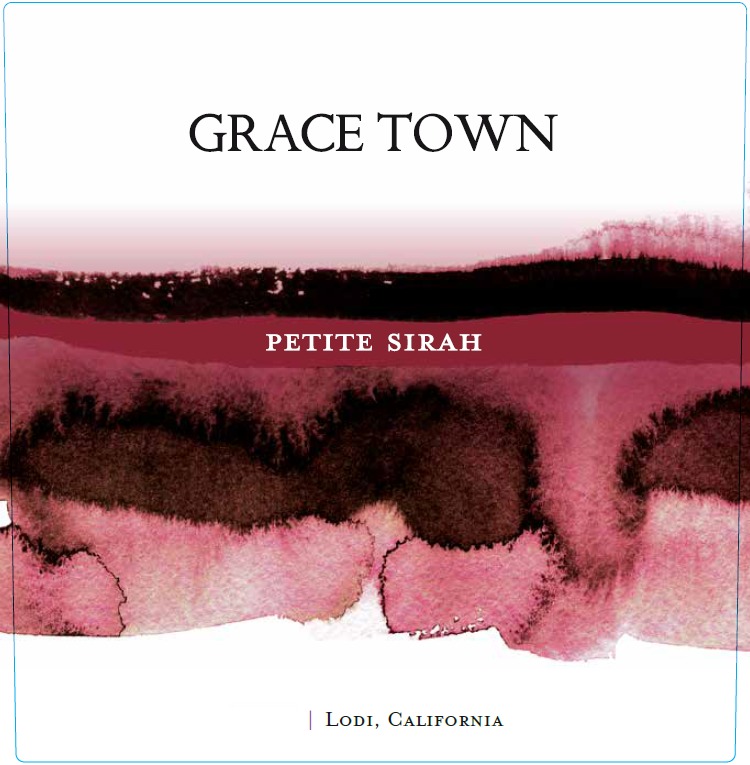
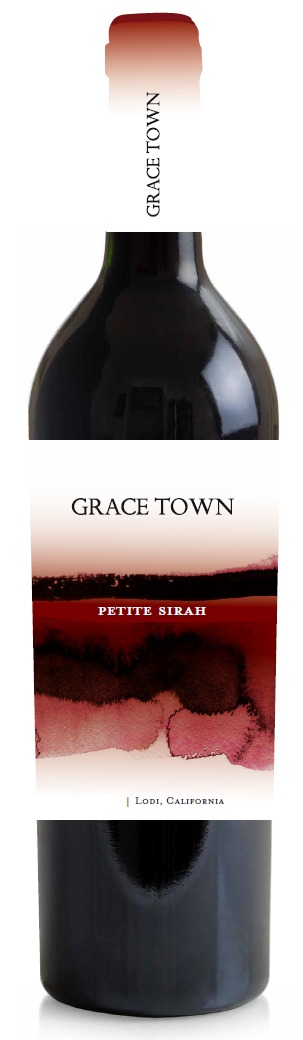
Grace Town Petite Sirah is made from 100 percent Petite Sirah.
The Lodi Appellation has a classic Mediterranean climate, featuring warm days and cool evenings. Situated 100 miles directly east of the San Francisco Bay, at the edge of the San Joaquin/Sacramento River Delta, cool delta breezes provide the region with reliable, natural air conditioning throughout the growing season. This perfect climate allows one to consistently craft a diverse set of delicious, full-flavored wines that display a refreshing natural acidity.
Petite Sirah, aka Durif, is French in origin and originally a seeding cross of Syrah and Peloursin, which yields wines that are dark, rich and bold. Grace Town Petite Sirah is dark in color with prunes, cherries, vanilla, long flavors. A complex red wine that complements a variety of dishes.
Grace Town is a special project by Fran Kysela and Kysela Pere et Fils, highlighting impressive terroirs and fruit-driven wines. The project currently features a Chardonnay from Australia’s famed Margaret River, and three red selections – Zinfandel, Petite Sirah and a Red Blend – from the diverse Lodi region.

Livia Fontana Barbera d'Alba Superiore is made from 100 percent Barbera.
Organoleptic characteristics: intense ruby red color. Fresh and intense aromas with currants and berries notes. Warm, full, rich and persistent taste, full body. Suitable for long aging.
Excellent accompaniment to warm appetizers, rich first courses, red meat and the medium-seasoned cheeses.
Review:
-James Suckling 91 Points

Thorn Clarke Shotfire Shiraz is made from 100% Shiraz.
Striking deep red-purple in color. A rich, voluptuous wine with aromas of blackcurrant and mulberries accompanied by notes of smokey oak and hints of cloves. The palate is filled with dark fruits and chocolate backed up by taut tannins and lingering oak.
Story:
When the Clarke forebearers discovered gold in 1870 at the Lady Alice mine in the Barossa goldfields, so began a family dynasty intrigued by geology. A fine legacy that is reflected today in the terroir of our vineyards. The Shotfire range immortalizes the Shotfirer's hazardous job of setting and lighting the charges in the mines.
Fran shares his story on how he discovered Thorn-Clarke:
"It was October 2001 and I was searching for and sourcing for Australian wines, as it was clear that Australia was going to become the "next big thing." After tasting about 100 assorted wines, I decided I liked the style of Barossa, Shiraz best - chocolate, cherries, mint and eucalyptus - so I started focusing on Barossa growers (years later, Barossa Shiraz would develop its reputation as the Icon Shiraz for Australia).
Late on a Thursday afternoon, the carrier delivered a beat-up box of 12 bottles from Australia, 10 of which were leaking. The box was from a guy named Steve Machin, who had just left Hardy's and was beginning work with the Clarke family on setting up a possible new brand. The samples were sticky and messy, but I popped the corks anyway ..... and I was glad that I did. The wine inside tasted like Christmas - mint, eucalyptus, camphor, and evergreen aromas. Great acidity, color, flavor and length of finish - very tasty. These samples were so good and so exciting, especially compared to what I had tasted prior, that I immediately called the number on the card. I didn't realize that it was a Perth number (Western Australia) and it was actually 3:00 in the morning. It turned out I was calling the residence of David and Cheryl Clarke, where a sleepy Cheryl answered the phone. I told her, you don't know who I am, but we are going to be doing business together very soon, and lots of it! After a few months of talking, faxing (yes, faxing) and sorting out the details, I began importing their wines.
That super-star wine from the busted box of samples is the wine we know today as Shotfire Shiraz. It was originally called Stone Jar, but fortunately we came up with a better name. Many years and vintages later, I'm still glad to be importing Shotfire Shiraz and other Thorn-Clarke selections .... and I'm still glad that Cheryl Clarke woke up for that phone call."
Review:
-International Wine Review 91 Points

Segries Lirac Rouge Cuvee Reservee is made from 50% Grenache, 30% Syrah, 10% Cinsault and 10% Mourvedre.
Just across the river from Chateauneuf-du-Pape, Lirac shares the same sun-baked terraces and Mediterranean warmth while remaining one of the southern Rhone's great values. Dark garnet in color, the wine is expressive and spicy with red fruits, sweet tannins and good length, ageing gracefully for up to ten years.
Winery Info: Chateau de Segries is one of the oldest estates in Lirac, farming 24 hectares of clay-and-limestone slopes planted to vines averaging 80 years of age.