
" We don't sell the wine without touching the vine "

By now, everyone knows that the Willamette Valley is an amazing place to grow Pinot Noir. When Todd Alexander relocated from Napa Valley to partner up with Force Majeure Vineyards, he knew he also wanted to start a project where he could focus attention on a varietal and growing region that he loved. Part of the excitement of being in the Pacific Northwest is the ability to have access to so many amazing vineyards and so much diversity, along with the opportunity to push boundaries and try new things – something that is becoming increasingly difficult in other growing regions.
He partners up with a few very small, diverse and amazing vineyards in the Willamette Valley, sourcing fruit from these dry-farmed sites that emphasize low yields, sustainable practices and produce outstanding fruit.
The wines are crafted in the same way Todd has been making wine since he was carrying it out at Bryant Family Vineyard in the Napa Valley — utilizing very low-impact, non-industrial techniques, native yeasts, little extraction and little new oak, and never filtering or fining. This allows a real sense of place to show through in the wines that is often dimmed when too much manipulation is undertaken.
The first vintage was 2015, and was released in early 2017.
Review:
"I continue to love these Pinot Noirs under Todd Alexander’s Holocene label. While they’re not from Washington State, I was able to taste these during my visit with Force Majeure (which are also made by Todd) and I’m thrilled to be able to include them here." - Jeb Dunnuck (April 2020)
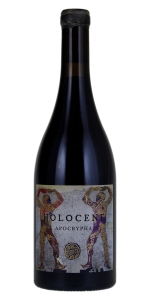
Holocene Apocrypha Pinot Noir is made from 100 percent Pinot Noir.
Apocrypha Pinot Noir tends to showcase the blue and black end of the fruit spectrum, along with a brambly, floral, dried sage and thyme profile, higher acid than the Memorialis and more power.
We tend to enjoy this wine with lamb merguez sausage and saffron rice.
Holocene Apocrypha Pinot Noir is made from 100 percent Pinot Noir.
Apocrypha Pinot Noir tends to showcase the blue and black end of the fruit spectrum, along with a brambly, floral, dried sage and thyme profile, higher acid than the Memorialis and more power.
We tend to enjoy this wine with lamb merguez sausage and saffron rice.
Review:
The outstanding 2023 ‘Apocrypha’ was aged for 9 months in 25% new French oak and saw100% whole cluster fermentation. This is lush, round and rich on the mouth with serious texture, tannin and mouthfeel. Dense red and dark fruits collide with salty minerals and volcanic stony accents on the palate. A stunning wine that is already drinking well, enjoy over the next fifteen plus years to come.
Owen Bargreen 94 Points

Holocene Aureolin Chardonnay is made from 100 percent Chardonnay.
164 cases produced
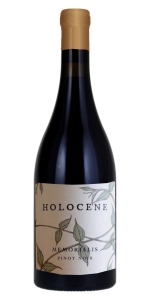
Holocene Memorialis Pinot Noir is made from 100 percent Pinot Noir.
Holocene Pinot Noir Memorialis is a blend of 777, Pommard and 115 clones from MonksGate vineyard in the Yamhill-Carlton AVA, and it saw about 20% new French oak for 16 months prior to bottling. It is always the lighter and more feminine of the two Holocene wines, with red fruits, white flowers, dried herbs, mushroom and forest floor aromatics, bright acidity and a lithe texture, long finish.
By now, everyone knows that the Willamette Valley is an amazing place to grow Pinot Noir. When I relocated from Napa Valley to partner up with Force Majeure Vineyards, I knew I also wanted to start a project where I could focus attention on a varietal and growing region that I loved. Part of the excitement of being in the Pacific Northwest is the ability to have access to so many amazing vineyards and so much diversity, along with the opportunity to push boundaries and try new things – something that is becoming increasingly difficult in other growing regions.
We partner up with a few very small, diverse and amazing vineyards in the Willamette Valley, sourcing fruit from these dry-farmed sites that emphasize low yields, sustainable practices and produce outstanding fruit.
The wines are crafted in the same way I have been making wine since I was carrying it out at Bryant Family Vineyard in the Napa Valley — utilizing very low-impact, non-industrial techniques, native yeasts, little extraction and little new oak, and never filtering or fining. This allows a real sense of place to show through in the wines that is often dimmed when too much manipulation is undertaken.
Our first vintage was 2015, and was released in early 2017. As production is currently extremely small, the best way to get the wines into your hands is to join our mailing list at the “Mailing List” link above to receive an allocation when we have a release. We release wines once per year, and they will be sold on a first come, first served basis, shipped straight to your door.
Review:
The 2021 Pinot Noir Memorialis is more complete and layered, with beautiful ripe cherry and redcurrant fruit as well as spice box, dried, smoky herbs, and savory flower-like aromas and flavors. Textured, medium to full-bodied, and balanced, it has the fruit and texture to shine even today yet the density and structure to evolve for 10-12 years as well.
- Jeb Dunnuck 95 Points
Holocene Memorialis Pinot Noir is made from 100 percent Pinot Noir.
Holocene Pinot Noir Memorialis is a blend of 777, Pommard and 115 clones from MonksGate vineyard in the Yamhill-Carlton AVA, and it saw about 20% new French oak for 16 months prior to bottling. It is always the lighter and more feminine of the two Holocene wines, with red fruits, white flowers, dried herbs, mushroom and forest floor aromatics, bright acidity and a lithe texture, long finish.
By now, everyone knows that the Willamette Valley is an amazing place to grow Pinot Noir. When I relocated from Napa Valley to partner up with Force Majeure Vineyards, I knew I also wanted to start a project where I could focus attention on a varietal and growing region that I loved. Part of the excitement of being in the Pacific Northwest is the ability to have access to so many amazing vineyards and so much diversity, along with the opportunity to push boundaries and try new things – something that is becoming increasingly difficult in other growing regions.
We partner up with a few very small, diverse and amazing vineyards in the Willamette Valley, sourcing fruit from these dry-farmed sites that emphasize low yields, sustainable practices and produce outstanding fruit.
The wines are crafted in the same way I have been making wine since I was carrying it out at Bryant Family Vineyard in the Napa Valley — utilizing very low-impact, non-industrial techniques, native yeasts, little extraction and little new oak, and never filtering or fining. This allows a real sense of place to show through in the wines that is often dimmed when too much manipulation is undertaken.
Our first vintage was 2015, and was released in early 2017. As production is currently extremely small, the best way to get the wines into your hands is to join our mailing list at the “Mailing List” link above to receive an allocation when we have a release. We release wines once per year, and they will be sold on a first come, first served basis, shipped straight to your door.
Review:
"A Bing cherry aroma slinks its way up from the glass, followed by spicy whispers of cardamom and cinnamon. Straw and chalkboard dust scents seal the deal. After a tannic black tea note materializes on the palate, the wine's cranberry and raspberry flavors punch the tart button. You can feel the tannins, but they aren't grippy. The acidity, however, lets you know it is ready for juicy business. Memorialis is quietly becoming one of Oregon's best Pinot Noirs. — Michael ALBERTYS"
- - Wine Enthusiast (October 1st 2025), 98 pts & Editor's Choice
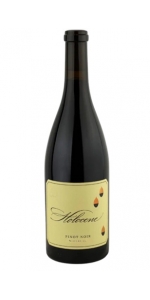
Holocene Sidereal Pinot Noir is made from 100 percent Pinot Noir.
The word sidereal means relating to the stars, particularly when measuring time or astronomical events. Which is weird for an earthly delight of a wine that makes time stand still while you attempt to decipher a vast array of aromas ranging from blackcap raspberries and cherry blossoms to wet slate and moon dust. Blackberries rule on the palate, with Assam tea, bay leaf and black pepper flavors easing along a lithe and nimble mouthfeel. Sidereal is also balance personified
Holocene The Black Square Cabernet Sauvignon is made from 100 percent Cabernet Sauvignon.
There is something ethereal about Cabernet Sauvignon grown in the cobblestone soils of the Walla Walla Valley. This region offers aromatic exuberance, elegance, finesse, a polished texture, layered complexity, and remarkable length. It is a place where one can craft a singular, stand-alone example of this varietal—unique not only in the United States but worldwide—while still echoing some of our favorite wines from Bordeaux.
In 2022, Winemaker Todd Alexander embarked on a new (yet familiar) journey that he had been patiently awaiting the perfect moment to explore. The Black Square is in its inaugural vintage, and this 2022 is 100% Cabernet Sauvignon grown in the Rocks District of Milton-Freewater, Oregon, which is part of the Walla Walla Valley.
The Black Square embodies elegance and grace framed by great structure, supple texture, and acidity to ensure longevity. It shows ample fruit with complex savory notes. This is not a heavy wine that is monolithic and dull—there are already plenty of those available. This wine offers a unique expression of Cabernet; it may be the most delicious wine Todd Alexander has ever crafted, venturing into new territory for Rocks District Cabernet Sauvignon.
Review:
As black as squid ink, The Black Square is balance personified. A concentrated blackberry aroma seems as dark as the wine's name, with equally dark espresso, olive and charred steak notes joining it in the abyss. A dark plum and ripe boysenberry flavor combo is accompanied by traces of salty Mission olives, wet slate and silky smooth tannins. The one bright feature illuminating the way is the wine's amped-up acidity. None so black
-Wine Enthusiast 98 Points Number 5 in the Top 100
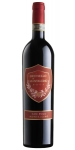
Poggio San Polo Podernovi Brunello di Montalcino is made from Sangiovese.
Intense ruby red in color with garnet hues, clear and glossy. The bouquet exhibits typical aromas of violets and small red berries. Subtle nuances of forest undergrowth, aromatic wood, a touch of vanilla and jammy mixed fruit then give way to subtle hints of coffee. This Brunello is intense, persistent, broad and heady. Full-bodied and warm on the palate, with a densely-woven texture and robust body, it has a persistent finish with well-rounded tannins. The particular features of the terroir at San Polo produce a Brunello with a capacity for lengthy aging, while patient cellaring enhances the wine during ageing in the bottle.
Review:
Lovely purity of fruit with ultra fine tannins and depth, finesse and complexity. Black cherries, cedar and some flowers. It’s full-bodied with very fine tannins that drive the finish. Give it a year or two to open more, but already so enticing. Drink or hold.
-James Suckling 96 Points
The San Polo 2015 Brunello di Montalcino Riserva (with 8,000 bottles produced) is a textured wine with hearty fruit and touches of smoked meat and spice. At its core, the wine offers dark fruit, blackberry and ripe plum. The rich fruitiness of the wine cedes to campfire ash, mahogany and furniture wax. These results are sultry and even a bit flashy, with distant background tones of teriyaki and plum sauce. The wine is fermented in cylindrical oak fermenters and aged in oak for three years. We'll see this bottle hitting the market sometime after February 2021.
-Wine Advocate 95 Points
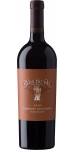
Clos du Val Estate Cabernet Sauvignon is made from 76% Cabernet Sauvignon, 7% Merlot, 5% Malbec and 1% each Cabernet Franc and Petit Verdot.
This fresh and vibrant Napa Valley Cabernet Sauvignon is brimming with aromas of blackberry, mulberry, cassis, and violet. On the palate, bright flavors of cranberry, red plum, cherry, and lavender are intertwined with supple tannins, balanced acidity, and a long, smooth finish.
Review:
"Sleek tannins, guided by sweet earth, slate, purple plum and black olive. Savory notes of fig, toasted cedar, and black tea meld with blackberries. Well structured and impeccably balanced."
-Tasting Panel 96 Points



