
" We don't sell the wine without touching the vine "
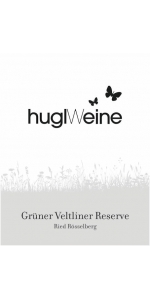
Hugl Rosselberg Horse Hill Gruner Veltliner is made from 100% Grüner Veltliner
A powerful, very ripe Grüner Veltliner, intense and full-bodied with a long finish.
The ripe grapes are processed very gently with 12 hours on the skins and then vinified in Stainless Steel tanks. No Oak.
A firm mineral backbone, gives it the strength of character to work well with many cuisines.
Hugl Rosselberg Horse Hill Gruner Veltliner is made from 100% Grüner Veltliner
A powerful, very ripe Grüner Veltliner, intense and full-bodied with a long finish.
The ripe grapes are processed very gently with 12 hours on the skins and then vinified in Stainless Steel tanks. No Oak.
A firm mineral backbone, gives it the strength of character to work well with many cuisines.
SALE!
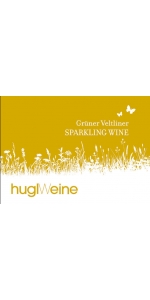
Hugl Sparkling Gruner Veltliner NV is made from 100% Grüner Veltliner.
Did you know that most of the base wines for Austrian sparkling wines come from our region? Poysdorf lies on the same line of latitude as Champagne and the climate is similar in both Champagne and the Weinviertel. This gives us enough reasons to expand our portfolio with a top-quality “sparkler”. Of course, it can only be a Veltliner-Sekt!
Pale golden color with a glint of green. Yellow fruit aromas, dry with a soft, juicy structure and a pleasing streak of minerality. Notes of crisp apple and pear.
The ripe grapes are gently pressed and fermented refrigerated.
Vinified in Stainless Steel tanks. No Oak.
A firm mineral backbone, gives it the strength of character to work well with many cuisines.
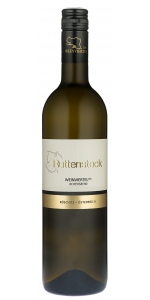
Ruttenstock Gruner Veltliner Ried Reipersberg DAC is 100% Gruner Veltliner.
The wine offers a touch of pear, spice and dried fruit aromas on the nose, and exotic fruit characters.
Minerality emerges from the primary rock soils, followed by an elegant and lively finish.
Pairs well with chicken and pork dishes.
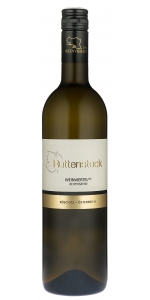
Ruttenstock Gruner Veltliner Weinviertel Klassik is a white wine made of 100% Gruner Veltliner.
The wine offers a touch of pear, spice and dried fruit aromas on the nose, and exotic fruit characters.
Minerality emerges from the primary rock soils, followed by an elegant and lively finish.
Good food companion to many dishes; chicken, pork, fish or cold appetizers.
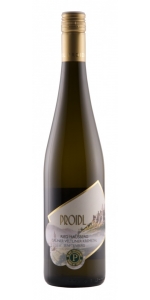
Proidl Gruner Veltliner Ried Hausberg Kremstal DAC is made from 100 percent Gruner Veltliner.
Medium yellow green colour with silver reflections. Ripe tropical fruits, a bit of candied clementines, a bit of apricot, dark minerality, inviting bouquet. Juicy, elegant, fine acidity, mineral and salty, a touch of yellow apples, lingers long, versatile.
Review:
"Pale green yellow colour, silver reflections. Delicate meadow herbs, a hint of yellow tropical fruits, ripe mango, and candied lime zest. Complex, delicately savoury, white fruit nuances, fine acidity, salty finish, subtle fruit sweetness in the aftertaste. - Peter MOSER"
- Falstaff (April 18th 2025), 92 pts
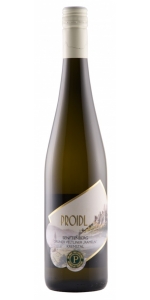
Proidl Gruner Veltliner Rameln Kremstal DAC is made from Gruner Veltliner.
Proidl Senftenberg Gruner Veltliner RAMELN Kremstal DACBright yellow green colour with silver reflections. Fine tobacco savouriness, a bit of blossom honey, a hint of guava and pear touch, tangerine zest in the echo. Juicy, powerful, a bit tobacco, a touch of tropical fruits on the finish, mineral and salty in the aftertaste, a good food wine
Review:
"Light yellow green colour, silver reflections. Delicate blossom honey, a hint of apricots, candied orange zest, floral touch, juicy, elegant, ripe yellow apples, delicate fruit sweetness, fine acidity, mineral and persistent, already well developed, has good ageing potential. - Peter MOSER"
- Falstaff (April 18th 2025), 92 pts
Hugl Gemischter Satz is made from 50% Grüner Veltliner, 40% Gelber Muskateller and 10% Riesling.
Gemischter Satz" has a long history in Austria. It is a field blend where different grape varieties are picked at the same time and vinified together:
In Vienna, the tradition of planting different and complementary grape varieties together in a vineyard – then harvesting and fermenting them together as well – has survived to the present day as Gemischter Satz. Thanks to the dynamic efforts of ambitious winegrowers, this traditional rarity has grown in stature and recognition to become the calling card of viticulture in Austria’s capital city.
Gemischter Satz is very popular in Vienna’s Heurigen (the Viennese term for wine taverns). Historically, Heurigen were simple places, where vineyard owners would open their doors during wine season to serve glasses of this years wine and juices to guests. At most, a plate of cold meats and cheese could be served along with the delicious wine.
For the traditional wines of Wiener Gemischter Satz - the planting of different grape varieties together in one vineyard - a unique style profile has been developed; a style that reflects the wine's origin-typical aromas and flavours. The regulation for the Wiener Gemischter Satz DAC requires that at least three white quality wine varieties must be planted together in one vineyard that is listed in the Viennese vineyard register as Wiener Gemischter Satz. The highest portion of one grape variety must be no more than 50%; the third highest portion must be at least 10%. Wines without vineyard indication must be dry and without any prominent wood flavour. The Wiener Gemischter Satz DAC can be marketed with an indication of vineyard site also. Single vineyard wines do not necessarily have to correspond with the “dry” taste indication, and they cannot be released for sale prior to March 1st of the year following the harvest. Minimum alcohol % of 12.5%.
Adds an enthusiastic Herbert Schilling, head of Vienna's Regional Wine Committee: “With the Wiener Gemischter Satz DAC, we've achieved a milestone in the consistent, years-long quality policy for wine growing in Vienna. The new regulations sharpen the origin profile of Wiener Gemischter Satz and, at the same time, reflect Vienna´s diversity in the glass.”
Leindl Gruner Veltliner Langenlois is made from 100 percent Gruner Veltliner.
This classic Gruner Veltliner comes from the famous wine-growing region of Langenlois. A very typical fruity and fresh Gruner Veltliner offering green apples, juicy, minerality, a pleasant body and a good length. It is ideal with a wide range of dishes.
Cold Fermentation.
Aged on the lees for 6 months in Stainless Steel tank. No Oak. No ML.
Produced from vines of 5-20 years old on slate soils.
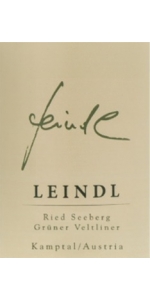
Leindl Gruner Veltliner Seeberg Kamptal is made form 100 percent Gruner Veltiner. Medium yellow green. Fine yellow apple fruit, delicate hint of quince and honey, candied orange zest, highly attractive bouquet. Juicy, good complexity, extract core sweet, silky texture, fine acidity bow, fine and salty minerality, great length, secure aging potential, a very finesse Veltliner-style.
Review:
“Inviting nose, with layers of quince and elegant, aromatic herb leading through to a richly textured palate of opulent fruit and a fine acidity.”
- Decanter World Wine Awards 2023, 96 pts
Leindl Gruner Veltliner Seeberg Kamptal is made form 100 percent Gruner Veltiner. Medium yellow green. Fine yellow apple fruit, delicate hint of quince and honey, candied orange zest, highly attractive bouquet. Juicy, good complexity, extract core sweet, silky texture, fine acidity bow, fine and salty minerality, great length, secure aging potential, a very finesse Veltliner-style.
Review:
"Here’s a wonderfully cool and elegant Gruner Veltliner with mountain freshness that makes it very enticing. Medium-bodied and quite sleek, but with a touch of marzipan richness on the mid-palate, then a stunning wet-stone freshness in the long and polished finish. Drink or hold. - Stuart PIGOTT"
- James Suckling (October 10th 2024), 95 pts
Proidl Gruner Veltliner Ried Hausberg Kremstal DAC is made from 100 percent Gruner Veltliner.
Medium yellow green colour with silver reflections. Ripe tropical fruits, a bit of candied clementines, a bit of apricot, dark minerality, inviting bouquet. Juicy, elegant, fine acidity, mineral and salty, a touch of yellow apples, lingers long, versatile.
Review:
"Medium yellow green colour with silver reflections. Ripe tropical fruits, a bit of candied clementines, a bit of apricot, dark minerality, inviting bouquet. Juicy, elegant, fine acidity, mineral and salty, a touch of yellow apples, lingers long, versatile. - Peter MOSER"
- Falstaff (April 21st 2023, Kremstal DAC Cup 2023), 92 pts
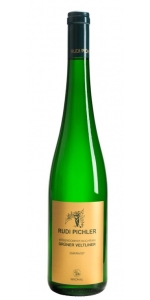
Rudi Pichler is among the elite growers of the Wachau producing wines of precision, power, and longevity. Grüner Veltliner and Riesling make up 95% of the production with the remaining 5% shared between Weißburgunder and Roter Veltliner. Rudi Pichler belongs to the prestigious Vinea Wachau and vinifies under the strict parameters of their codex.
Yields are kept low between 30 and 35 hectoliters per hectare with botrytis carefully removed by hand. Grapes are crushed by foot and receive between three and 36 hours of maceration on the skins. Vinification is entirely in stainless-steel tanks and malolactic fermentation is avoided.
Hochrain, a name meaning "high place," is a southeast-facing terraced vineyard in Wösendorf sitting between 200 and 300 meters of elevation. The vineyard consists of an unusually high content of loess, a mineral-laden soil that produces wines that are especially broad and rich.
Review:
“A stunning wine for this grape that is also rather easy to understand. The Reine Claude plum and peppery nose is complex, but already charming. As exciting as the simultaneously creamy and succulent mid-palate is, what makes this medium- to full-bodied gruner veltliner really stand out is the extremely long, crushed rock finish.”
James Suckling 96 Points
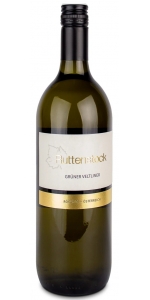
Ruttenstock Gruner Veltliner is made from 100 percent Gruner Veltliner.
Very fruity and light Gruner Veltliner with fresh aromas of citrus and green apples. Crisp on the palate with lively acidity structure.
Pair with cold appetizers, soup, fish, vegetables, salad.
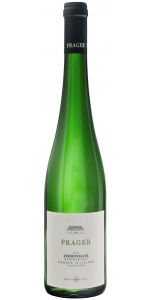
Franz Prager, co-founder of the Vinea Wachau, had already earned a reputation for his wines when Toni Bodenstein married into the family. Bodenstein’s passion for biodiversity and old terraces, coupled with brilliant winemaking, places Prager in the highest echelon of Austrian producers.
Smaragd is a designation of ripeness for dry wines used exclusively by members of the Vinea Wachau. The wines must have minimum alcohol of 12.5%. The grapes are hand-harvested, typically in October and November, and are sent directly to press where they spontaneously ferment in stainless-steel tanks.
Zwerithaler is a sub-site of Buschenberg and sits to the east of Weißenkirchen. The name Zwerithaler, meaning "nestled between the valleys," is a near monopole of Weingut Prager. It has a complex soil of paragneiss with alternating layers of dark and calcareous rock. Zwerithaler Kammergut is a 0.34-hectare parcel planted before WWI. The wine from these ungrafted, 100-year-old vines was bottled separately by Prager for the first time in 2015.
Light greenish yellow, silver reflections. Fine savory, delicate nuances of anise, tobacco notes, delicate yellow fruit, a touch of mango and honey blossom. Full-bodied, juicy white apple fruit, well-integrated, silky acidity structure, finesse and long persistence, saline finish, lingers for minutes, Veltliner at its best.
-Falstaff 99 Points
"The aromas of this old-vine gruner veltliner leap out and shake you to the core. Full-bodied and full of weighty and balanced layers of papayas, mangoes, nectarines, chives, white tea and oranges. Fantastic concentration, giving so much pleasure already, but it will keep blossoming if you give it time. From vines planted in 1907. Sustainable. Drink or hold."
-James Suckling 98 Points
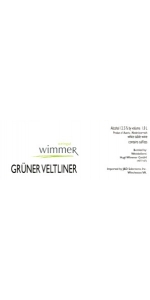
Wimmer Gruner Veltliner is made from 100 percent Gruner Veltliner.
Crisp lime flavors, white pepper and lentils, followed by a mouthful of mineral notes and gooseberry. A long lingering finish
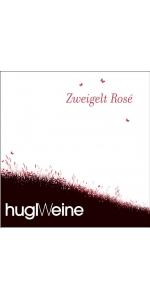
Despite its relative youth, Zweigelt is actually an Austrian classic. This variety was created in 1922, when Dr. Fritz Zweigelt crossed two grapes - St Laurent and Blaufränkisch. Originally, it was intended for the new variety to be called Rotburger, referring to the place where it was born, Klosterneuburg. But this name never took hold, and instead, Zweigelt was named after the man who was the key in its development.
Today, Zweigelt is the most widely planted red variety in Austria, growing in nearly 9% of this country's vineyards. It is a robust grape, highly resistant to dryness, frost and various diseases.
The wine boasts a pale rosé color, it has plenty of fruity aromas, with red cherry and wild strawberry flavors. It is medium-bodied, but it still have a nice long and pleasant finish with a light cinnamon type of spice to it.
Only the best grapes are harvested with a lot of experience and know-how and further processed. The grapes are fermented directly gently pressed and cooled. The fermentation takes place exclusively in stainless steel tanks.
Perfectly at home on any picnic, delicious with fried chicken, and tames the heat when paired with spicy dishes. There is also a slight watermelon note that makes it perfect for spring and summer. A great pairing with barbecued shrimp.
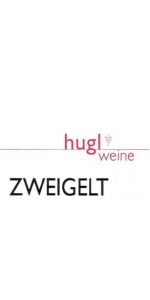
Hugl Zweigelt Classic is made from 100 percent Zweiglt.
Despite its relative youth, Zweigelt is actually an Austrian classic. This variety was created in 1922, when Dr. Fritz Zweigelt crossed two grapes - St Laurent and Blaufränkisch. Originally, it was intended for the new variety to be called Rotburger, referring to the place where it was born, Klosterneuburg. But this name never took hold, and instead, Zweigelt was named after the man who was the key in its development.
Today, Zweigelt is the most widely planted red variety in Austria, growing in nearly 9% of this country's vineyards. It is a robust grape, highly resistant to dryness, frost and various diseases.
The wine boasts a concentrated color, fruity and spicy aromas, cherry flavors. Full-bodied, smooth and round, the wine is an ideal food companion.
SALE!
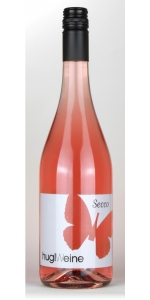
Hugl Zweigelt Secco Rose is made from 100% Zweigelt
Despite its relative youth, Zweigelt is actually an Austrian classic. This variety was created in 1922, when Dr. Fritz Zweigelt crossed two grapes - St Laurent and Blaufränkisch. Originally, it was intended for the new variety to be called Rotburger, referring to the place where it was born, Klosterneuburg. But this name never took hold, and instead, Zweigelt was named after the man who was the key in its development.
Today, Zweigelt is the most widely planted red variety in Austria, growing in nearly 9% of this country's vineyards. It is a robust grape, highly resistant to dryness, frost and various diseases.
Lively, fruity bouquet of strawberry, cherry and floral aromas. Refreshing and beautifully balanced, this is a great wine to enjoy as an aperitif. This is a Secco for the whole day and the whole night
The wine is made of 100% Zweigelt grapes of 15-35 years old (25 years old in avarage).
The soil is mainly loam and loess.
It is made using the Charmat method and the wine is aged for 3 months on the lees in stainless steel tanks.
The wine is slightly filtered before bottling.
Drink by itself as an aperitif, it is also a great picnic or brunch wine and will be a good pick to celebrate any occasion.
Despite its relative youth, Zweigelt is actually an Austrian classic. This variety was created in 1922, when Dr. Fritz Zweigelt crossed two grapes - St Laurent and Blaufränkisch. Originally, it was intended for the new variety to be called Rotburger, referring to the place where it was born, Klosterneuburg. But this name never took hold, and instead, Zweigelt was named after the man who was the key in its development.
Today, Zweigelt is the most widely planted red variety in Austria, growing in nearly 9% of this country's vineyards. It is a robust grape, highly resistant to dryness, frost and various diseases.
The wine boasts a pale rosé color, it has plenty of fruity aromas, with red cherry and wild strawberry flavors. It is medium-bodied, but it still have a nice long and pleasant finish with a light cinnamon type of spice to it.
Only the best grapes are harvested with a lot of experience and know-how and further processed. The grapes are fermented directly gently pressed and cooled. The fermentation takes place exclusively in stainless steel tanks.
Perfectly at home on any picnic, delicious with fried chicken, and tames the heat when paired with spicy dishes. There is also a slight watermelon note that makes it perfect for spring and summer. A great pairing with barbecued shrimp.
Despite its relative youth, Zweigelt is actually an Austrian classic. This variety was created in 1922, when Dr. Fritz Zweigelt crossed two grapes - St Laurent and Blaufränkisch. Originally, it was intended for the new variety to be called Rotburger, referring to the place where it was born, Klosterneuburg. But this name never took hold, and instead, Zweigelt was named after the man who was the key in its development.
Today, Zweigelt is the most widely planted red variety in Austria, growing in nearly 9% of this country's vineyards. It is a robust grape, highly resistant to dryness, frost and various diseases.
The wine boasts a pale rosé color, it has plenty of fruity aromas, with red cherry and wild strawberry flavors. It is medium-bodied, but it still have a nice long and pleasant finish with a light cinnamon type of spice to it.
Only the best grapes are harvested with a lot of experience and know-how and further processed. The grapes are fermented directly gently pressed and cooled. The fermentation takes place exclusively in stainless steel tanks.
Perfectly at home on any picnic, delicious with fried chicken, and tames the heat when paired with spicy dishes. There is also a slight watermelon note that makes it perfect for spring and summer. A great pairing with barbecued shrimp.
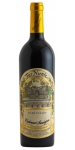
Far Niente Napa Valley Cabernet Sauvignon is made from 92.3% Cabernet Sauvignon, 6% Malbec, 2% Cabernet Franc, 1.7% Petit Sirah, 1% Petite Verdot.
Beautiful aromas of dark plum, red cherry, licorice and warm baking spices open onto a plush and silky palate layered with plum, spiced cherry and cassis. A classic Napa Valley Cabernet, fine-grained tannins and lively acidity support the wine throughout, while the finish is refined and polished.
Review:
Made with grapes sourced from Rutherford, Calistoga, St. Helena, and the winery's home in Oakville that aged 17 months in French oak, this impeccably balanced and complex red is as elegant as it is emotive. Blackberry and clove-spiced cedar line the mouth, erupting with graphite and espresso. Finely grained tannins adhere to dusty plum and lavender.
-Tasting Panel 97 Points
Refined and pure aromas of dark cherries, blackcurrants, violets and cedar. The palate is full-bodied with seamlessly integrated tannins and focused acidity, giving notes of Damson plums, graphite, mocha, dried herbs and potpourri. Very well balanced and polished.
-James Suckling 96 Points
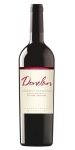
The nose of our the Cabernet Sauvignon shows remarkable purity, opening with juicy fruit-punch and layered notes of blue and red fruit dried with sweet herbs. The palate builds with blackberry pie filling, baker’s chocolate, and freshly ground coffee, underscored by an earthiness of loam and underbrush. Acidity is finely tuned, carrying structure through the middle and sides of the wine. For those who can wait, cellar this bottle for several years. For those who cannot, double decant 4–5 hours before serving and let the wine come fully alive.
Blackberry pie filling, baker’s chocolate, freshly ground coffee, earthy loam and underbrush, red and blue fruit dried with sweet herbs
Review:
"How do you do Cabernet the Donelan way—and do it in Sonoma? The answer began with archetyping older styles of Cabernet. The vineyard lies near Skipstone, encompassing sites such as T-T Vineyard, Obsidian, and Constant on Diamond Mountain. For Joe Donelan, the goal was to craft a Cabernet reminiscent of what Mondavi was producing in the 1970s and early 1980s—wines defined by freshness, clarity, and balance rather than sheer weight. The result is vivid, bright, and pure-fruited, with an immediate freshness factor. Red berry fruit, cherry, and cassis lead the way, framed by a medium-bodied structure with velvety-textured tannins and a creamy mid-palate that makes the wine deeply engaging and remarkably easy to drink. Sagebrush and black olive notes lend savoury complexity, joined by subtle hints of tobacco, all carrying through to a long, mineral-driven, fruit-focused finish. - Jonathan CRISTALDI"
Decanter (January 5th 2026), 97 points



