" We don't sell the wine without touching the vine "
| BUY MORE! SAVE MORE! | ||||||||||||||||||||
|
| Country: | France |
| Regions: | Rhone Cornas |
| Winery: | Johann Michel |
| Grape Type: | Syrah |
| Vintage: | 2022 |
| Bottle Size: | 750 ml |
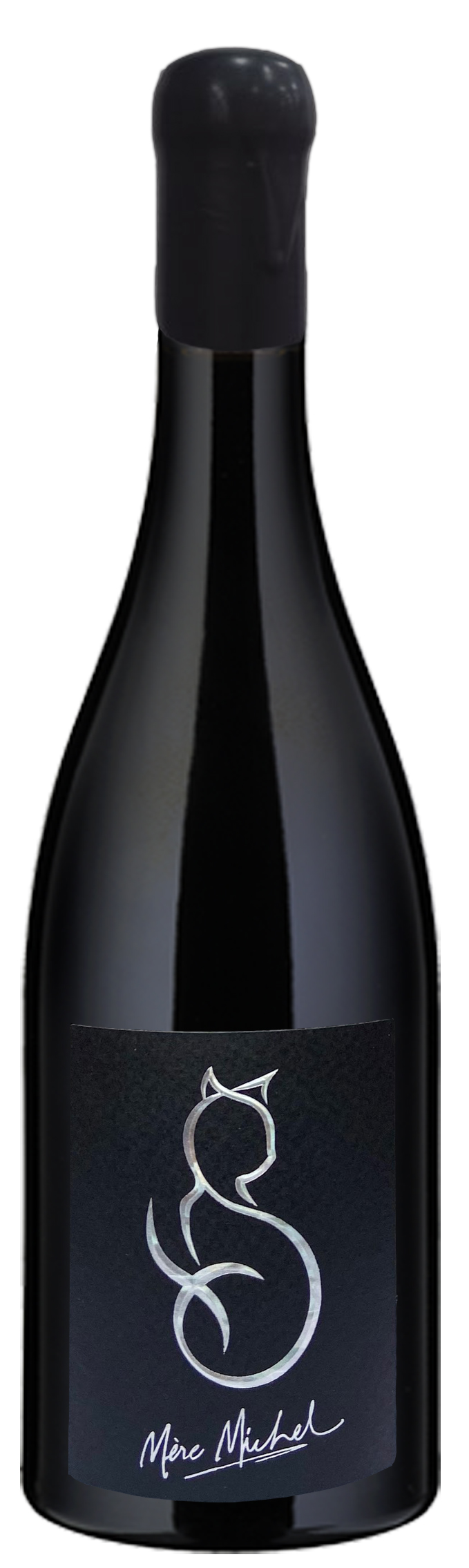
Johann Michel Cornas Cuvee Mere Michel is made from 100 percent Syrah.
Cuvee Mère Michel was first introduced in 2016 and is not produced every year. This wine is a tribute to Johann Michel' wife, Emmanuelle, and a nod to the French song, La Mere Michel. This wines comes from Selection Massale (replanting new vineyards with cuttings from exceptional old vines from the same property) cuttings of Serine off the 1947 Yves Cuilleron vineyard at Chavanay. The vineyards are located in the lieu-dit "Les Cotes" at an altitude of 230 meters and benefiting from a southern sun exposure.
Review:
The tiny production 2022 Cornas Mère Michel is 100% Serine that was not destemmed and was aged 14 months in French oak. Tighter and more focused, this beautiful wine reveals ripe red and blue fruits that give way to more spice, leather, graphite, and mineral notes. More medium to full-bodied, with a firm spine of tannins, it's impressive but will need time.
-Jeb Dunnuck 94 Points
The Domaine Johann Michel Estate
Johann Michel is a self-taught winemaker who discovered his passion while tasting old bottles of wine with his grandfather. His first vintage was 1997. He works alongside his wife Emmanuelle, farming a little over 5.5 hectares (13.5 acres) spread between three AOC’s:
Alejandro Bulgheroni Lithology Cabernet Sauvignon is made from 100 percent Cabernet Sauvignon.
We only produced a scant 50 cases of this wine this year, far too small an amount considering how great it turned out. There’s that typical saturated to the rim deep purple color, with intense cassis, herb, and milk chocolate, bricks and forest floor, black plum pudding aromas. In the mouth, there’s a great balance, with notable oak and vanilla notes intertwined with dense black fruits. It’s an opulent and plush style, yet finishes with sweet grippy tannins.
Aalto P.S. Pagos Seleccionados Tinto is made from 100 percent Tempranillo.
Climatic conditions
The farming year began with a mild autumn and little precipitation. A very dry winter started with -9ºC reaching at the end higher temperatures than normal for that time of the year. Spring and summer characterized by little rain, only some rain showers in July and late August avoided the hydric stress of the vines. The vegetative cycle of the vine developed with big variations of temperatures, alternating warm and atypical low temperatures of 4ºC for mid-June. The ripening of the grapes happened under very good conditions and the harvest started on 24th September 2019.
100% Tinto Fino (Tempranillo) primarily from very old vines – 60 to 90 years old – from selected plots in La Horra and La Aguilera. The harvest was done by hand, in small boxes of 15 kilos that are thoroughly inspected, bunch by bunch, on the selection table.
Tasting notes
Review:
Lots of depth here, with ripe blackberries and some nicely baked black cherries, roasted herbs, incense, dark spices, mussels and a balsamic tinge. An admirably fine dollop of tannins on the palate, which are immaculate and juicy, as they thoroughly dunk into the black fruit, melting into a persistent finish that lasts for over a minute. Very impressive. Drink or hold.
-James Suckling 96 Points
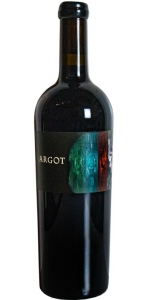
Argot Cabernet Sauvignon 1555 Oakville is made from 100% Cabernet Sauvignon.
Hailing from the historic Bonny’s Vineyard in the heart of Oakville. Cabernet Sauvignon vines thrive in the gravel rich soils here adjacent to the Napa River riverbed. Roots plumb deep into the valley floor, while vine canopies harvest Napa Valley’s plethora of summer sunshine. These conditions conspire to deliver unerringly perfect Cabernet Sauvignon grapes.
Pouring a deep opaque red-violet, 1555’s Cabernet personality leaps from the glass balancing opulent fruit, damp earth, chilling minerality and an alluring spice note that keeps pulling us back for more. Exquisitely ripe tannins provide a refined, velvety structure, delivering the deep and seductively rich palate. The pedigree displayed in the glass is undeniable.
Review:
"Deep garnet-purple in color, the 2019 Cabernet Sauvignon 1555 Oakville wafts sensuously out of the glass with redcurrant jelly, black raspberries and rose oil scents, followed by a cassis and black plums core, with emerging suggestions of cinnamon toast, cedar and pencil shavings. The full-bodied palate is fantastically fragrant, delivering red and black fruit layers accented by floral and exotic spice nuances, supported by super ripe, velvety tannins, finishing long and perfumed. 250 cases were made. - Lisa Perrotti-Brown"
- Robert Parker's Wine Advocate (November 2021), 95+ pts
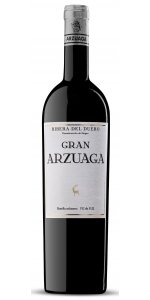
Arzuaga Gran Arzuaga Ribera del Duero is made from 92% Tinto Fino (Tempranillo) and 8% Cabernet Sauvignon.
Gran Arzuaga is a special cuvee coming from the selection of vineyards on the two banks of the Duero River. Tempranillo is planted in the Olivares de Duero area and Cabernet Sauvignon in La Planta estate that rich in limestone soils. Both areas bring richness and typical characters to the wine.
Tasting notes:
The wine has a bright cherry red color with violet rims. On the nose, it shows great aromatic complexity. In the first place, the primary aromas of red fruits such as blackberry predominate, herbaceous and floral touches that give way to tertiary aromas where balsamic and spicy aromas stand out. On the palate the wine is creamy and silky, with a fresh entry that quickly becomes meaty and unctuous as it goes through the mouth.
Perfect with Roast Lamb, Meat Stews, and even dark Chocolate.
Review:
"This wine's aromas of black cherry, caramel and violet pave the way for dark berry, clove, menthol, orange zest and rose-petal flavors. Polished tannins and a nice sense of brightness fill the mouth and recede into a finish marked with chocolate and orange zest. Drink through 2043. - Mike DeSimone"
- Wine Enthusiast (July 1st 2023), 97 pts & Cellar Selection
Among the tapestry of historic vineyards in Napa Valley, there are a few standout names, but even fewer sites, if any, involve the rare combination of legendary wine, romance, and a touch of mystery. Bonny’s Vineyard is such a place. This four-acre vineyard in the Oakville District is both a special piece of land and a unique part of Napa history. It was planted in 1974 by Justin Meyer, the winemaker and co-founder of Silver Oak Cellars, as a gift to his wife, Bonny. Ideally situated in a gravelly spot adjacent to Conn Creek on the valley floor, Bonny’s Vineyard was responsible for a memorable string of Silver Oak vintages over the course of two decades.
Justin Meyer stopped producing the Bonny's Vineyard designate after the 1991 vintage. After replanting in 1999, the family has again decided to make a single vineyard bottling. True to the orignal, this is 100% Cabernet Sauvignon aged in 100% American oak barrels for almost 3 full years. The nose exhibits dark fruit aromas of cherry and plum mingling with cedar and cardamom and a hint of eucalyptus. The palate is the heart of this wine, with concentrated fruit on the entry and luscious, silky tannins filling the mouth with an almost endless finish.
As distinct and impressive a terroir as we farm in the Napa Valley. The rocky, gravel-rich soils contribute a distinct sauvage/mineral character, creating a stunning complexity to play off of Cabernet’s natural robust and fruit-driven personality from Oakville. In 2021 Argot added a new vineyard block to our holdings at Bonny’s. Deeper gravel and the famously low-yielding Disney clone conspire towards awesome complexity, and a deeply mysterious, brooding personality. A wholly different Cabernet from its 2021 siblings that you will not want to miss. Only 150 cases produced.
Review:
"Opaque purple-black colored, the 2021 Cabernet Sauvignon Bonny's Vineyard prances out with showy scents of Morello cherries, wild blueberries, and black raspberries, leading to a core of black currant jelly and violets. The full-on, full-bodied palate is densely laden with black and blue berry layers, framed by fine-grained tannins and well-knit freshness, finishing long and earthy."
- 97 Points, Lisa Perrotti Brown, The Wine Independent
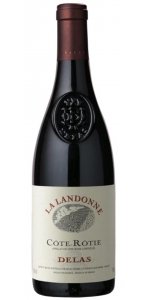
Delas Freres Cote Rotie La Landonne Rouge is made from 100 percent Syrah.
This very ancient region dates back to the Roman Era and is located on the right bank of the Rhône. It is said that during the Middle Ages, “The Seigneur de Maugiron” gave a hillside to each of his two daughters - one was brunette and the other fair - thus, were born the names of “Côte Brune” and “Côte Blonde.” Wines from the Côte Blonde tend to be more delicate and lighter in character than the fuller wines of the Côte Brune. Together, they make a wine of style and substance. This cuvée is a vineyard plot selection. The grapes come exclusively from a plot within the named slope of “La Landonne.”
This cuvée‘s first vintage was 1997. The wine is only made in the very best years. Its highly limited production never exceeds 2,500 bottles per year.
The steep, terraced hillsides along the river produce wines that are among the "biggest" reds of France. The Delas Côte-Rôtie is primarily Syrah with an addition of up to 10 to 20% of Viognier grapes in the crop. The soils of the northern part of the Côte Brune vineyard consists of extremely steep, terraced slopes of ferruginous mica schists which are covered with schist sand (arzel). The Côte Blonde has a varied geology with gneiss and granite predominating at the most southern side of the appellation. The area has dry, hot summers with regular rainfalls during other seasons. The grapes for the “La Landonne” cuvée are picked by hand at maximum maturity. Fermentation takes place in traditional open-topped concrete tanks, following three days of pre-fermentation cold maceration. Before fermentation, the maceration process continues under controlled temperatures of 82°F to 86°F. Daily cap pushing down and pumping over are carried out for about 10 days with total vatting time of up to 20 days. The wine is aged for 14 to 16 months in new or one year old oak casks. The barrels are topped up regularly.
Food Pairing: This wine pairs wonderfully with fine meats, roasted beef, water games, truffles and spicy stews. The bottle should be opened 1 to 3 hours before drinking. This wine needs at least 3 years cellaring before it can open up its complexity. In such case it is strongly recommended to decant before serving.
Tasting Notes: The wine‘s deep color is underscored by plummy hues. A complex nose shows deep, fruity aromas with hints of licorice and roasted coffee. Endowed with a dense and silky tannic structure, this is a full, fleshy wine that provides an ample and generous palate. Its lasting finish speaks of considerable ageing potential.
Reviews:
This is dark and still a bit reticent, with a cast iron cloak around the core of dark currant, plum and blackberry paste flavors, showing lots of sweet bay leaf, anise and singed apple wood notes in the background. There's serious grip through the finish. For the cellar.
-Wine Spectator 96 Points
Very open, spicy and fresh on the nose, you could almost open this now. Struck flint notes assist in teasing out notes of leaf tea, tobacco, rosemary and rose. Very full-bodied, generous but powerful on the palate, tense and mineral. Mouthcoating ripe, sweet tannin and robust amounts of sweet baking spices, along with more tobacco and black fruit on the palate. Has depth, length, power and impressive balance despite the high alcohol. Drink from now into 2022, or from 2031 to 2040. Lieu-dit La Landonne, from the Brune side (mica schist bedrock). Matured in new and one-year-old barrels for 14 months.
-Decanter 96 Points
The 2019 Côte Rôtie La Landonne comes from one of the greatest sites for Syrah in the world, the La Landonne lieu-dit located close to the center of the appellation, on the Côte Brune side. It reveals a deeper purple hue (it's slightly more opaque than the Seigneur de Maugiron) and offers a brilliant nose of ripe cassis, black raspberries, scorched earth, smoked herbs, and seared meat. Full-bodied and powerful on the palate, this is a deep, spicy, concentrated Côte Rôtie with a plush, layered mouthfeel, sweet tannins, beautiful balance, and a great, great finish. This puppy brings the fruit, opulence, and texture of the vintage yet still has a classic Côte Rôtie character.
-Jeb Dunnuck 96 Points
Fresh aromatic layers of mint sit atop crushed red cherries and wild strawberries, with light clove and thyme on the nose. The palate is rich and enticing with black cherries, plums, rhubarb, pomegranate seeds, black olives and freshly picked rosemary leaves. Tremendous texture, structure, and refreshing acidity carry this wine to a robust finish of orange zest and black tea leaves. Maisons Marques & Domaines USA.
- Wine Enthusiast 96 Points
This very ancient region dates back to the Roman Era and is located on the right bank of the Rhône. It is said that during the Middle Ages, “The Seigneur de Maugiron” gave a hillside to each of his two daughters - one was brunette and the other fair - thus, were born the names of “Côte Brune” and “Côte Blonde.” Wines from the Côte Blonde tend to be more delicate and lighter in character than the fuller wines of the Côte Brune. Together, they make a wine of style and substance. This cuvée is a vineyard plot selection. The grapes come exclusively from a plot within the named slope of “La Landonne.”
This cuvée‘s first vintage was 1997. The wine is only made in the very best years. Its highly limited production never exceeds 2,500 bottles per year.
The steep, terraced hillsides along the river produce wines that are among the "biggest" reds of France. The Delas Côte-Rôtie is primarily Syrah with an addition of up to 10 to 20% of Viognier grapes in the crop. The soils of the northern part of the Côte Brune vineyard consists of extremely steep, terraced slopes of ferruginous mica schists which are covered with schist sand (arzel). The Côte Blonde has a varied geology with gneiss and granite predominating at the most southern side of the appellation. The area has dry, hot summers with regular rainfalls during other seasons. The grapes for the “La Landonne” cuvée are picked by hand at maximum maturity. Fermentation takes place in traditional open-topped concrete tanks, following three days of pre-fermentation cold maceration. Before fermentation, the maceration process continues under controlled temperatures of 82°F to 86°F. Daily cap pushing down and pumping over are carried out for about 10 days with total vatting time of up to 20 days. The wine is aged for 14 to 16 months in new or one year old oak casks. The barrels are topped up regularly.
Tasting Notes
The wine‘s deep color is underscored by plummy hues. A complex nose shows deep, fruity aromas with hints of licorice and roasted coffee. Endowed with a dense and silky tannic structure, this is a full, fleshy wine that provides an ample and generous palate. Its lasting finish speaks of considerable ageing potential.
Food Pairing
This wine pairs wonderfully with fine meats, roasted beef, water games, truffles and spicy stews. The bottle should be opened 1 to 3 hours before drinking. This wine needs at least 3 years cellaring before it can open up its complexity. In such case it is strongly recommended to decant before serving.
Johann Michel Cornas Cuvee Mere Michel is made from 100 percent Syrah.
Cuvee Mère Michel was first introduced in 2016 and is not produced every year. This wine is a tribute to Johann Michel' wife, Emmanuelle, and a nod to the French song, La Mere Michel. This wines comes from Selection Massale (replanting new vineyards with cuttings from exceptional old vines from the same property) cuttings of Serine off the 1947 Yves Cuilleron vineyard at Chavanay. The vineyards are located in the lieu-dit "Les Cotes" at an altitude of 230 meters and benefiting from a southern sun exposure.
Review:
"Only made in top vintages, the 2018 Cornas Mère Michel is a tribute to Johann's wife and a play on the French song "La Mere Michelle." Brought up in a new demi-muid, it's a richer, broader wine compared to the Cuvée Jana yet still has incredible Cornas style in its red, black, and blue fruits as well as notes of toasted spice, roasted meat, chocolate, and wild herbs. Rich, full-bodied, and opulent, it has a touch more upfront appeal and should be drinkable in just 4-5 years yet also evolve for two decades." -
Jeb Dunnuck (Northern Rhône: The 2018s and 2019s, November 19th 2020), 98 pts
Johann Michel Cornas Cuvee Mere Michel is made from 100 percent Syrah.
Cuvee Mère Michel was first introduced in 2016 and is not produced every year. This wine is a tribute to Johann Michel' wife, Emmanuelle, and a nod to the French song, La Mere Michel. This wines comes from Selection Massale (replanting new vineyards with cuttings from exceptional old vines from the same property) cuttings of Serine off the 1947 Yves Cuilleron vineyard at Chavanay. The vineyards are located in the lieu-dit "Les Cotes" at an altitude of 230 meters and benefiting from a southern sun exposure.
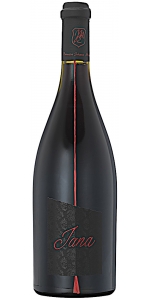
Johann Michel Cornas Cuvee Jana is 100% Syrah.
Black raspberry aromas, licorice, sizzled bacon and smoke. Elegant and pure with depth and well-integrated tannins.
Jana is the name of Johann and Emmanuelle's daughter.
Manual harvest, selection of the grapes from the "Chaillot" parcel, full clusters, fermentation in tanks for 3 weeks, daily remontage and pigeage. Malolactic fermentation in oak barrels and aging on the lees for 12-18 months in barrels (new old barrels) The average age of the vines is 11 years. Yield: 25 hl/ha
Review:
"Dark purple. Highly perfumed, oak-spiced black and blue fruits, incense, vanilla and potpourri on the hugely perfumed nose, along with hints of licorice, smoked meat and mocha. Stains the palate with concentrated, spice-laced blueberry, cassis, cherry-vanilla and espresso flavors that turn sweeter as the wine opens up. Broad, polished tannins add shape to a strikingly long, smoke- and spice-driven finish that strongly echoes the floral and blue fruit notes. - Josh Raynolds"
- Antonio Galloni's Vinous (December 2022), 97 pts
Johann Michel Cornas Cuvee Jana is 100% Syrah.
Black raspberry aromas, licorice, sizzled bacon and smoke. Elegant and pure with depth and well-integrated tannins.
Jana is the name of Johann and Emmanuelle's daughter.
Manual harvest, selection of the grapes from the "Chaillot" parcel, full clusters, fermentation in tanks for 3 weeks, daily remontage and pigeage. Malolactic fermentation in oak barrels and aging on the lees for 12-18 months in barrels (new old barrels) The average age of the vines is 11 years. Yield: 25 hl/ha
Johann Michel Cornas is 100% Syrah
This Cornas is a blend from 2 different vineyard sites:
- 60% of the final blend is from vineyards located on a hillside (20 year old vines on the "coteau"), planted on sandy soils, decomposed granite and some rocks, giving the structure, spiciness and licorice flavors to the blend.
- the other 40% of the final blend comes from the bottom of the slope (45 years old vines on the "pied de coteau"), planted on sandy soils, bringing acidity and balance to the wine.
Expressive, deep, rich, silky and juicy. Well structured and round, it displays red fruit, leather, black cherry, liquorice and black berry aromas.
Review:
"Ripe black and blue fruits, violets, sappy herbs, and iron notes all emerge from the 2022 Cornas, a pretty, pure, medium to full-bodied Cornas offering fine, ripe tannins, a balanced, layered mouthfeel, and a great finish. The 2022 was completely destemmed and spent 12 months in oak."
- Jeb Dunnuck (Importer Highlight: Fran Kysela ; July 2024), 93 pts
Johann Michel Cornas is 100% Syrah
This Cornas is a blend from 2 different vineyard sites:
- 60% of the final blend is from vineyards located on a hillside (16 year old vines on the "coteau"), planted on sandy soils, decomposed granite and some rocks, giving the structure, spiciness and licorice flavors to the blend.
- the other 40% of the final blend comes from the bottom of the slope (40 years old vines on the "pied de coteau"), planted on sandy soils, bringing acidity and balance to the wine.
Expressive, deep, rich, silky and juicy. Well structured and round, it displays red fruit, leather, black cherry, liquorice and black berry aromas.
Saumaize-Michelin Macon Vergisson Cru Sur La Roche is made from 100 percent Chardonnay.
Harmonious, fresh and clean aromas of fresh apple, lemon, orange blossom, white flower. Pure, crisp, silky and fine texture. Ripe fruit flavors and good acidity.

Argot Bastard Tongue Pinot Noir is made from 100 percent Sonoma Pinot Noir.
Inheriting an unbroken string of success, the "Bastard Tongue" arrives fully-formed and ready to impress. Always a blend from multiple Pinot Noir vineyards, this iteration of "BT" was selected from three distinct sites, each making their own unique contribution of Sonoma County terroir to the wine's character.
Exploding forth on a tidal wave of high-toned, intense red and black fruits, this is a Pinot Noir that no stemware can contain. The palate's profound depth is balanced by an inherent freshness, allowing the wine to crackle with brambly energy, while sustained by bass notes of underbrush, black tea, pie spice and baker's chocolate. A formidable rendition of "Bastard Tongue", and a deserving successor to its line.
Night harvested by hand throughout September, cluster and berry sorted by hand, de-stemmed, no crushing. 7-day cold soaks, followed by native fermentation in open-top bins. Average time on the skins, 14 days. Aging 22 months in French oak barriques (95% new). Never racked prior to bottling. Bottled unfined, unfiltered.
Very versatile for pairing. Goes well with grilled meat, vegetable, fish, poultry and cheese.
Review:
"The 2023 'Bastard Tongue' is an utterly delicious Pinot Noir from Argot. It is both vibrant and expressive, with lifted aromas of raspberries, dark cherries and sweet cranberries woven together with notes of lavender, dried violets, baking spices, tea leaf, and mossy notes that remain persistent throughout. On the palate, it reveals a mouthwatering core of juicy red/dark fruit wrapped in supple tannins, with a gorgeous silky texture that speaks to its finesse. What sets this wine apart is its freshness—bright acidity energizes the layers of flavor, giving the wine a lively structure and a clean, extended finish. It's a Pinot Noir that balances depth and elegance with remarkable complexity." - 97 Points, International Wine Report
"Explosive red fruits, cool pine forest, loamy underbrush, five-spice and bakers chocolate. This wine marches down the palate with red-fleshed strawberries, Luxardo cherries and a hint of blood orange. As the finish spins into infinity, the fruit profile evolves from red to black, crescendoing on the palate's persistent lift of sweet and floral spice notes. Magnificent." - 96 Points, Jeb Dunnuck