
" We don't sell the wine without touching the vine "
| Country: | South Africa |
| Region: | Riebeek Kasteel |
| Winery: | Riebeek Cellars |
| Grape Types: | Pinotage Shiraz |
| Vintage: | 2014 |
| Bottle Size: | 750 ml |
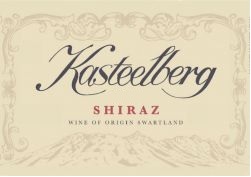
The Kasteelberg range of wines, celebrates the discovery of Riebeek and the Kasteelberg mountains in 1661. Kasteelberg stands sentinel over the fertile valley below. From the slopes of the mountains, hand-selected grapes are expertly crafted with care to produce rare and expressive wines. The Kasteelberg range truly is the pinnacle of our Winemaker's art.
Often referred to as Shiraz Country, the Riebeek Valley is renowned for exceptional Shiraz wines.
The Kasteelberg Shiraz is a lively rich wine, full bodied with a subdued smokiness on the nose and a pallet of ripe fruit and interesting spice.
Well-balanced and smooth, the aftertaste lingers with the exciting flavors of Christmas pudding.
Serve at room temperature. The perfect companion to barbequed lamb, fillet medallions and game. Lovely with Springbok stuffed with bacon, garlic and rosemary and a great match to a cheese and preserve platter.
Review:
"I'd expect to prefer the 2017 Shiraz to the 2018 bottling, but it's actually the reverse. Maybe Alecia Boshoff has just got more experience with the fruit from this Kasteelberg site. Sweet and spicy, with enticing incense and violet aromas, fine tannins, succulent red berry fruit and deftly integrated one-third new oak. 2021-26"
- Tim Atkin (South Africa 2020 Report), 92 pts
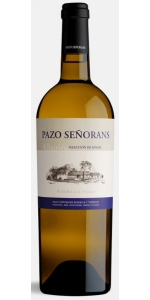
Pazo de Senorans Seleccion de Anada Albarino is made from 100 percent Albarino.
Straw yellow with greenish tints, vivid and brilliant. High intensity and very expressive. Profusion of aromas with traces of mineral. Great volume and ample body leaving a lasting impression from beginning to end.
Reviews:
I think the 2014 Albariño Selección de Añada could be the finest vintage of this characterful long-aging Albariño, from a year with a more moderate 13% alcohol and very high acidity (and low pH) that make the wine fresher and more vibrant. It is developing very slowly and showing quite young after it spent over 30 months with lees in 1,500- and 3,000-liter stainless steel tanks. It has a pale color and an elegant nose with notes of freshly cut grass, white flowers and wet granite. The palate is vibrant with effervescent acidity, and it has a long, dry and tasty finish with an austere sensation, far away from the tropical notes of some past vintages. This is superb and should continue developing nicely in bottle. Bravo! It wasn't bottled until April 2023, and 14,000 bottles were produced.
-Wine Advocate 96 Points
Tech:
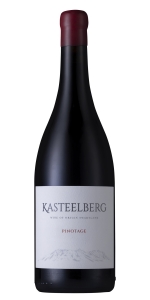
Kasteelberg Pinotage is made from 100 percent Pinotage.
The Kasteelberg range of wines, celebrates the discovery of Riebeek and the Kasteelberg mountains in 1661. Kasteelberg stands sentinal over the fertile valley below. From the slopes of the mountians, hand-selected grapes are expertly crafted with care to produce rare and expressive wines. The Kasteelberg range truly is the pinnacle of our Winemakers'art.
Harvested from an exceptional vineyard in the heart of the Swartland, the Kasteelberg Pinotage is characterised as a well-structured wine, offering layers of flavours and aromas. Seductive rich plum flavors with notes of captivating dark chocolate follows through in a smooth and lingering palate of intense flavors integrated with the freshness of ripened cherries.
Grapes used for this wine are coming from vines that are 10 years old in average. It is also sustainable farming used for this plot.
The grapes were cold-soaked for 3 days at 10°C to extract as much color as possible before fermentation. After cold-soaking, the temperature is increased to around 18°C and yeast is added to start fermentation. Regular pump-overs are done to enhance skin contact which improves the flavor and color profiles. Fermentation temperature between 22 - 26°C. Fermented dry on skins, pressed. After malolactic fermentation, wine is transferred to barrels. French oak barrels, 2nd, 3rd and 4th fill barrels for 12 months.The grapes were cold-soaked for 3 days at 10°C to extract as much color as possible before fermentation. After cold-soaking, the temperature is increased to around 18°C and yeast is added to start fermentation. Regular pump-overs are done to enhance skin contact which improves the flavor and color profiles. Fermentation temperature between 22 - 26°C. Fermented dry on skins, pressed. After malolactic fermentation, wine is transferred to barrels. French oak barrels, 2nd, 3rd and 4th fill barrels for 12 months.

All older vintage wines have been purchased from a single collectors cellar. Pictures can be requested before shipment.
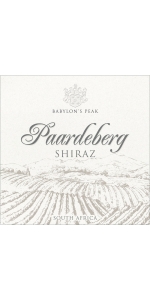
Babylons Peak Paardeberg Shiraz is made from 100 percent Shiraz.
Babylon's Peak winery, situated on the highest weathered granite slopes of the Paardeberg Mountain, is privately owned by the Basson family who has passed down the tradition, passion and art of winemaking over four generations. Predominantly low-yield dryland bushvines are selected to produce these excellent wines with distinctive character.
A classic Shiraz with dark fruit, violets and white pepper. An elegant wine with ripe tannins and a lingering aftertaste.
The grapes were harvested by hand. The grapes were destalked only, no crushing was done. Cold maceration was done before fermentation started in open fermenters. The grapes fermented between 24-26°C for 5-7 days, after which the wine was taken to barrels where it went through malolactic fermentation. After malolactic fermentation was completed, the wine spent 14 months in 225 litre French oak barrels until bottling.
Pairs with rich and creamy meat dishes eg. oxtail and venison.
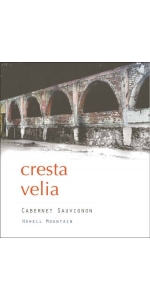
Early to bud and early to ripen, the 2014 vintage was our third drought year in a row. Dry, even temperatures marched the grapes along at a steady clip all year and created a wine with beautifully integrated fruit, acidity, and tannin.
Dense and dark magenta in color, this is a lithe and energetic vintage with lifted aromatics and a purity of fruit that lights up the medium-bodied tannin structure. The nose promises fresh black fruits, cherries and a touch of graphite, and the palate completely delivers. Juicy blackberry, plum, and bright cherry explode in the mouth, and develop into savory notes of baked black fruit and fresh pencil shavings on the mid-palate.
Eagle Summit Vineyard’s signature eucalyptus appears on the back palate to brighten the fruit, showing fragrant peppermint and warm, toasty spices through the finish. Whether you open it young or wait a few decades, this vintage does Howell Mountain proud--sophisticated and smart, with a rustic wild side.
Cresta Velia Cabernet Sauvignon Howell Mountain is made from 100 percent Cabernet Sauvignon.
Aged in 100% French oak (86% new)
• 100% Cabernet Sauvignon from Eagle Summit Vineyard on Howell Mountain
• Equal amounts of clone 4 and clone 7
• unfined and unfiltered
Review:
"The 2014 Cabernet Sauvignon is 100% Cabernet aged 20 months in 86% new French oak, with the typical suspects in terms of cooperage – Darnajou, Taransaud, and Remond. This opaque purple-colored wine has plenty of mulberry and blackcurrant fruit along with hints of blackberries, camphor and incense. The are some notes of unsmoked cigar and licorice as well. Ripe, medium to full-bodied and luscious, it is a classic to drink over the next 15 or more years. - RP"
- Robert Parker's Wine Advocate (Issue #228, December 2016), 90 pts
The Kasteelberg range of wines, celebrates the discovery of Riebeek and the Kasteelberg mountains in 1661. Kasteelberg stands sentinel over the fertile valley below. From the slopes of the mountains, hand-selected grapes are expertly crafted with care to produce rare and expressive wines. The Kasteelberg range truly is the pinnacle of our Winemaker's art.
Often referred to as Shiraz Country, the Riebeek Valley is renowned for exceptional Shiraz wines.
The Kasteelberg Shiraz is a lively rich wine, full bodied with a subdued smokiness on the nose and a pallet of ripe fruit and interesting spice.
Well-balanced and smooth, the aftertaste lingers with the exciting flavors of Christmas pudding.
Serve at room temperature. The perfect companion to barbequed lamb, fillet medallions and game. Lovely with Springbok stuffed with bacon, garlic and rosemary and a great match to a cheese and preserve platter.
The Riebeek Cellars Estate
Riebeek Cellars was established in 1941 and is situated in Riebeek Kasteel at the foot of Bothma's Kloof Pass. This medium-sized winery on the western coast of the Cape Province of South Africa sources its grapes from the fertile Riebeek Valley and the slopes of the mountain where the climate is very similar to the Mediterranean. Through the years as vineyard practices developed, cultivars were planted in soil and at slopes best suited to them. These well-tended vineyards enable the production of high quality wines which makes Riebeek Cellars the choice of wine buyers internationally. Well-known both in South Africa and abroad, Riebeek Cellars manages a variety of brands for various countries.
Heritage
Corporal Pieter Cruythoff, a scout of Jan van Riebeeck, founded the Riebeek Valley in 1661. Impressed by the single standing mountain, he called it Kasteelberg (“Castle Mountain”) commemorating the Castle of Good Hope in Cape Town, the fortress of Commander Jan van Riebeeck. The twin towns, Riebeek Kasteel and Riebeek West, established at the foot of Kasteelberg, are therefore also suitably named after Van Riebeeck.
The Riebeek Valley is a mecca of wonderful wines, exceptional food and exquisite art where tourists and locals alike are forever tempted into spending more time than allowed. The serene valley falls in the bigger Swartland region which is called the 'bread basket' of South Africa for its grain production, while it is further internationally acclaimed for its high quality olive products. With various hotels and fine-dining restaurants as well as true country hospitality, the Riebeek Valley has become a very popular tourist destination. The ultimate charm of Riebeek is however in its people and their commitment and passion for wine.
"Located in the Western Cape region of South Africa, this winery was established in 1941, which makes it relatively old compared to all the new wineries that have sprung up in this area. Among the first Pinotages I can recommend, it’s also a good value. Pinotage, which is, of course, ubiquitous in South Africa, was first made in 1941, when the Cinsault grape (primarily grown in southern France and the Rhone Valley) was crossed with Pinot Noir." - Robert Parker's Wine Advocate (Issue 201, June 2012).
Copain Edmeades Pinot Noir is made from 100 percent Pinot Noir.
This wine embodies everything you love about Anderson Valley Pinot; flavors of strawberry, Rainier cherries with hints of spice.
VINTAGE NOTES:
The 2017 vintage began with significant rainfall prior to bloom, refilling the state’s reservoirs and ending California’s five-year drought. We saw a sudden spike in temperatures just prior to harvest, leading fruit to ripen quicker than anticipated. This sped up our harvest schedule, but due to our team’s vigilance, the fruit was still able to be picked at optimal ripeness. Temperatures then cooled back down by mid-September, allowing the remaining vineyards to complete ripening at an ideal pace. The rest of harvest was finished as planned, with yields coming in at their typical levels.
The historical Edmeades Vineyard sits along the western side of the small town of Philo in what’s known as the “deep-end” of Anderson Valley. Flanked by the Navarro River, there is a diversity of sandstone soils throughout the vineyard. The Edmeades vineyard is planted with vines facing southwest, allowing this vineyard to receive warmer afternoon weather. This helps to balance the prolonged cool fog influence this vineyard sees throughout the growing season.
Aromas: Raspberry, dried cherries, pennyroyal, orange zest.
Palate: Medium weight palate with soft tannins. Notes of cherry, pomegranate, and clove with light delicate cola notes on the finish.
Review:
The first vintage for this cuvée from Ryan, the 2017 Pinot Noir Edmeades Vineyard comes from mid-valley and was brought up in 27% new French oak. It's a beautiful wine with blueberry and wild strawberry fruits as well as complex spice, dried flowers, and some loamy soil notes. Medium-bodied, seamless, and silky on the palate, it's a lovely, layered wine that shines for its texture and balanced.
The 2022 Jayson Chardonnay achieves a beautiful equilibrium of richness, buoyancy, and intricacy. Aromas of sweet Meyer lemon, crushedalmond, and grilled pineapple lead to a concentrated palate of bright lemon curd and orange blossom honey underscored by fresh pear andtoasted nuttiness with a hint of baking spice. The texture is classic Pahlmeyer, plush and detailed, while the presence of bright Carneros fruitbrings energy and litheness. Flavors are lifted and extended on a spine of bright acidity, the lingering finish striking an ideal balance betweenopulence and mouthwatering freshness.
Review:
This generous, buttery and spicy wine is sourced from several parts of Napa Valley and brings gorgeous richness to the nose, palate and finish. Elements of brown butter, marzipan, toasted almonds and poached pears flood the flavors, with vanilla bean and a touch of sweet coconut. Barrel fermented in 36% new French oak, it’s full-bodied and nicely viscous in texture.
James Suckling 93 Points



