
" We don't sell the wine without touching the vine "
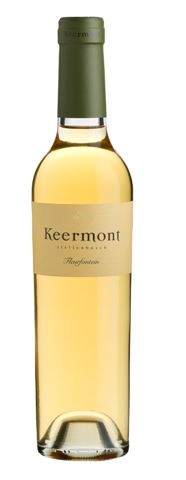
| Country: | South Africa |
| Region: | Swartland Region |
| Winery: | Keermont Vineyards |
| Grape Types: | Chenin Blanc Sauvignon Blanc |
| Organic: | Yes |
| Vintage: | 2012 |
| Bottle Size: | 375 ml |
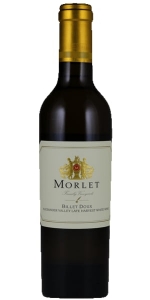
Morlet Family Vineyards Billet Doux Late Harvest Semillon 2012 (half-bottle) is made from Sémillon (65%) Sauvignon Blanc (31%) Muscat à Petits Grains (4%)
rowing in the gravelly soil of an ancient riverbed in the beautiful Alexander Valley, the old vines benefit from hot afternoons and cool, foggy mornings, favorable for the development of Botrytis (Noble Rot). Extremely small yields in the Sémillon, Sauvignon Blanc and Muscat vineyards lead to the immensely concentrated fruit. Just as one receives a note from one’s sweetheart, we present this wine as a precious ‘Love Note’ or ‘Billet Doux.’
Deep crystal clear gold. Intense and complex bouquet of dry apricot, pêche de vigne and Reine Claude yellow plum intermixed with notes of quince, honey, Muscat and a hint of sweet vanilla. Full bodied, the palate is reminiscent of the nose, with a creamy sweet texture and a great intensity. The large amount of sugar and glycerin creates a highlighted viscosity. Along with the wine’s great concentration, richness and opulence, the classical aromatic complexity reveals a flamboyant yet harmonious ensemble, leading to a very long, complex and smooth finish.
Proprietary name ‘Billet Doux’
Name meaning Love Note
Type of wine Late harvest white wine
Appellation Alexander Valley
Vineyard singularity 25-60 year old vines Loamy and gravelly soils from an ancient river bed One cluster per shoot ‘de rigueur’
Typical harvest date November Picking Manual, small lugs, refrigerated truck
Sorting Cluster by cluster
Fermentation In barrel through native yeast
Upbringing 16 months French Oak from selected artisan Coopers
Bottling Unfined, filtered to prevent Malolactic
Cellaring time Decades
Serving Chilled and decanted
Review:
Produced from 65% Sémillon, 31% Sauvignon Blanc and 4% Muscat, the 2012 Billet Doux has a medium golden color and profoundly scented nose of beeswax, honeyed nuts, orange marmalade, Manuka honey and preserved lemons. Full-bodied, full-on sweet, rich, concentrated and oh-so-unctuous, it delivers powerful flavor layers and epic length. 175 cases were made.
-Wine Advocate 97 Points
THIS OFFER IS FOR HALF-BOTTLES
Arzuaga Ribera del Duero Crianza 95% Tempranillo and 5% Cabernet Sauvignon.
Dark cherry color with purple highlights. Powerful nose and high aromatic diversity of ripe red and black fruits, spicy and balsamic notes, and a roasted finish. Soft and mellow in the mouth with a great fruitiness and length.
Landes Cuvee Tradition Lussac Saint Emilion (half-bottle)is made from 80% Merlot, 15% Cabernet Sauvignon and 5% Cabernet Franc
Color: deep ruby intense color.
Aroma: racy and aromatic nose with aromas of ripe red fruit.
Taste: this wine is silky, round and smooth first taste, with aromas of raspberries, and blackcurrant, powerful and complex finish.
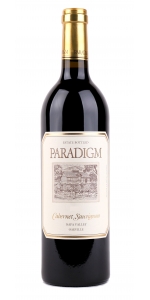
Paradigm Cabernet Sauvignon is made from 90% Cabernet Sauvignon 4% Merlot 4% Petit Verdot 2% Cabernet Franc.
20 months in French oak (only about a third of that is new oak) and for 20 more months in bottle before release
Our winemaking "style" is solely determined by this place or terrior we call "Paradigm." Winemaking is agriculture when you own your vineyards and are able to farm them to promote the very best Earth will give you. All of our selections of wines are made from five varietals on the estate. Every wine is 100% farmed and grown by us.
Complexity in our wines supported by luscious fruit and acidity is our hallmark. Our efforts during harvest and barrel cellaring concentrate on maintaining the freshness from the first day we handpicked each vineyard block. Simple winemaking protocols are employed while crucial “timing” oriented winemaking decisions rule each day.
Dark Cabernet color with beautiful aromas of black cherry, cassis, plus 5-spice, vanilla. Big, ripe and mouthcoating across the palate. The flavors are similar to the aromas with ripe fruit, berry/cherry pie, moderate tannins, and nice length. This wine shows enough structure to be age-worth, yet soft and balanced enough to enjoy upon release. Flavors linger in this tasty, dense wine. Tastes like Oakville. -Heidi Barrett
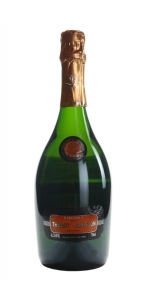
Thibaut-Janisson Blanc de Chardonnay is made from 100% Chardonnay
Appellation 100% Virginia
Winemaking Notes The grapes are handpicked in small baskets late August and are gently pressed as whole clusters. After a settling of 24 hours, the juice is inoculated with selected Champagne yeast and ferments in stainless steel tanks at low temperature. Once the fermentation is over, the wine ages on the fine lees until the spring of the following year. The blend is then put together and cold-stabilized prior to bottling. The bottling occurs in the spring when the cellar temperature is conducive to a second fermentation in the bottle. The now sparkling wine will age on the yeast for over 24 months. At disgorging, a small amount of dosage liquor is added in order to balance the natural acidity.
Clean, crisp and refreshing! With scents of white flowers, apples and pears. This sparkling wine is elegant and complex with vibrant aromas, and fine active streamers. The depth of complexity is elegant and the intricate nuances of the terroir fill the nose and stimulate the palate. It’s full of youthful, bright and alert acidity.
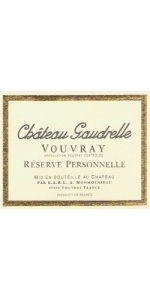
Alexandre Monmousseau Gaudrelle Vouvray Reserve Personelle is made from 100 percent Chenin Blanc
Fine Chenin Blanc typicity, with aromas of ripe apples and honeyed notes. Rich, smooth, rounded palate with great structure and weight. Has the acidity to support ageing for 10 years.
Keermont Fleurfontein 2012 is made from 60% Sauvignon and 40% Chenin Blanc.
An attractive autumn yellow gold color, powerful apple, lime and melons on the nose with light oak and nut aromas, palate defined by a central core of fresh acidity which balances the sweetness and layers of fruit and rich lease. Drink now through 2020.
All grapes used in producing this wine were grown on Keermont Vineyards. Bottling was carried out by hand without filtration, so if you are lucky you may find a little lees in the bottom of your bottle.
The wine is produced by pinching the stems of the grapes while they hang on the vine. This stops the translocation of fluids into and out of the grapes and allows them to slowly dry out on the vine. The raisins are harvested a few weeks later and the syrupy juice is squeezed from them with a hard pressing process. The syrup ferments in barrel and is left to mature for 12 months. Total production was just one barrel yielding 580 bottles.
Review:
The 2012 Fleurfontein comes from late-picked Sauvignon Blanc vines planted in 2005 that are matured in oak for 18 months. Carrying 206 grams per liter residual sugar, it has a luscious dried honey, beeswax and quince-scented bouquet that is well-defined and vigorous. The palate is well-balanced, viscous, with Devonshire fudge infusing the mango and pineapple fruit. It is not too unctuous or cloying, making this easier to drink than its peers. -Wine Advocate 91 Points
The Keermont Estate and Vineyards
Located just beyond Stellenbosch, Keermont Vineyards is nestled in farm land in the beautiful valleys of South Africa. Keermont uses their name to honor the former farm, Keerweder, that once occupied their land. The word “keerweder” means a dead end in a valley. The literal translation is “blocked again”, which is in reference to the early settlers being blocked by the terrain when trying to pass through the valley.
The Keermont winery building and vineyards actually lie in the shadow of Guardian Peak, or “Suurberg”. This location is ideal for Keermont, as the fruit on this mountain is often compared to the grapes of Napa Valley’s famous Howell Mountain AVA.
In 1694, Jan Jac Van Dyk founded the land in the Blaawklippen Valley that is the location of present day Keermont. Other wineries such as Waterford, Dornier, and Stellenzicht are also on the land once owned by Van Dyk. The earliest account of a European landowner utilizing the area for agricultural use are Van Dyk’s records. Afterwards, the potential and beauty of the Blaawklippen Valley attracted many other landowners to the area and the land was divided into individual farms.
Mark and Monica Wraith bought into this land by purchasing the Fleurfontein and Keerweder III farms in 2003. They combined the two farms into the Keermont Vineyards Estate. The couple still live on the Keermont land with their family. Alex Starey is the Keermont winemaker. In 2005, Keermont began a major vineyard planting program and it now holds 27 ha under vine. In 2007, Keermont releases its first vintage, from a crop of only 5 barrels or 108 cases. In 2010, the physical Keermont winery building, complete with offices, processing facilities, barrel rooms, and a tasting room, was converted from the former spring water bottling plant that had once resided on the Fleurfontein farm. The total farm acreage for Keermont Vineyards is 157 hectares or 388 acres, with 27 hectares under vine. 18 hectares produce red varietals such as Cabernet Savignon, Merlot, and Syrah. 9 hectares hold the white varietals like Chenin Blanc, Chardonnay, and Viognier. Keermont also boasts Chenin Blanc vines that are over forty years old and used by De Trafford winery. Keermont aims to create wines that reflect their beautiful land and the particular year’s vintage condition. Keermont focuses on using minimal chemical fertilizers, few pesticides, and irrigate as little as possible. No fining or filtration is practiced on the Keermont Estate. Keermont desires a natural, harmonious vineyard that will in the long run produce better quality wines.
The goal of this estate is to make superior blends. The wines to be produced, but not written in stone, are:
Keermont Red – 40 % Cabernet Sauvignon, 40% Merlot, 20% Syrah.
Keermont White – 70% Chenin Blanc, 30% Viognier and Chardonnay
Dessert wine in exceptional vintages
Keermont Syrah – Syrah, Mourvedre, Viognier
Some wines from Keermont Winery:
Any Keermont wines we have in stock are listed below, if you don’t see the wine you are looking for please don’t hesitate to ask for it.
The Grade Cellar Kingly Project Cabernet Sauvignon is made from Napa Valley Cabernet Sauvignon.
"This is a noble expression of Cabernet Sauvignon" in full regalia, with decadent aromas and a mouthfeel viscous and sleek. "This vintage of the Kingly Project Cabernet Sauvignon enters the scene" -- Thomas Rivers Brown
Review:
The 2018 Cabernet Sauvignon Kingly Vineyard is endowed with tremendous richness and concentration. It emerges from the best spots within Block 5, which is a bit more protected from the elements. The 2018 is a bit closed today, but it has a lot of promise. Time in the glass brings out layers of inky dark fruit and the savory, minerally notes that are such signatures. This potent Calistoga Cabernet needs time to shine, but it is impressive today just the same.
-Vinous 96 Points
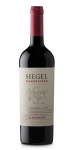
Siegel Hand-picked Selection Carmenere is made from 100 percent Carmenere.
The handpicked Reserva wines are born out of a strong desire to offer the very best expressions of terroir from El Crucero vineyard, located at 360 meters above sea level. These carefully handpicked grapes deliver superb varietal characteristics and exceptionally well-balanced fruit concentration. The manual harvest behind the handpicked Reserva Wines, a stage prior to a second triage, highlights Siegel's commitment to delivering uniquely hancrafted wines from Curico Valley.
The wine shows an intense violet - red color, aromas of black fruits, pepper and mild notes of violets. The tannins are soft, and notes of black fruits linger through the palate with long persistence.
Pair with pastas, spices foods.



