" We don't sell the wine without touching the vine "
| Country: | France |
| Region: | Languedoc |
| Winery: | Cave de Pomerols |
| Grape Type: | Chardonnay |
| Vintage: | 2019 |
| Bottle Size: | 750 ml |
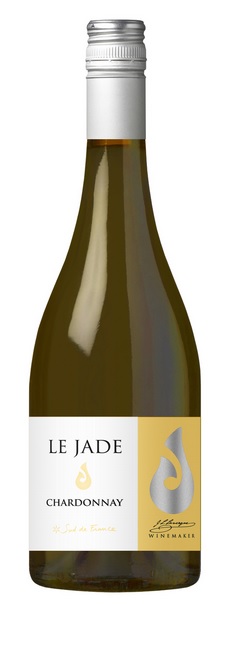
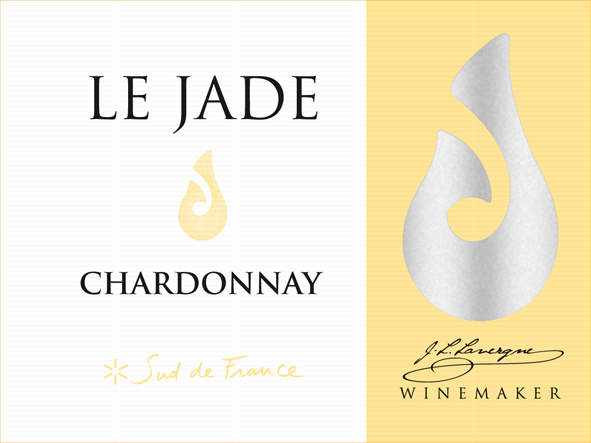
Le Jade Chardonnay is made from 100% Chardonnay
The wine comes from south-facing vineyards planted on clay and limestone hills overlooking the Etang de Thau, a coastal lagoon situated between the port of Sète and Cap d'Agde.
Le Jade Chardonnay offers a wonderful yellow color, a complex nose of white flowers, mild tobacco and vanilla. Rich and full-bodied mouthfeel; concentrated with just a touch of sweetness.
Serve with a gratin of scallops, pan-fried sole, or grilled oysters with shallots, parsley and a touch of cream. Also great with goat cheese or chocolate cake!
Le Jade Picpoul de Pinet is made from 100% Picpoul de Pinet
Pale straw color. Delicate white flower, citrus and juicy pear aromas. Fresh, crisp, and bright acidity with mineral and saline accents. Well-balanced and easy-drinking.
A refreshing treat laced up with snappy food-friendly acidity.
Picpoul Le Jade makes a classic match with oysters on the half shell and goes very well with exotic food in general. Picpoul means lip-smacking good.
SOIL : Clay and limestone soil just a few kilometres from the reputed Etang de Thau (salted water lagoon) overlooking the Mediterranean town of Sète.
VINIFICATION : Grapes are harvested at 12°- 13° maturity
Skin maceration for several hours
Selection of drained juice after undergoing pneumatic pressure.
Cold double decantation.
Thermoregulated fermentation at 16°C
No malolactic fermentation.
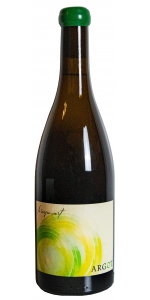
Argot Le Rayon Vert Chardonnay is made from 100 percent Chardonnay.
"Le Rayon Vert", the phenomenon which occurs as the sun dips below the horizon, and a brilliant green flash occurs when sunlight prisms through Earth's atmosphere. Jules Verne wrote "a green which no artist could ever obtain on his palette”, akin to the ethereal, green halo all truly pedigreed Chardonnays radiate from the glass.
Wafting from the glass like a freshly opened stick of Wrigley's gum. Both intense and vibrant, the full-bodied palate delivers Granny Smith apple and stone fruits; confections of custard and sticky vanilla bean; animated by bursts of spearmint and pine forest.
Review:
The 2019 Chardonnay Le Rayon Vert comes from fruit grown on Sonoma Mountain. It slides out of the glass with graceful notes of lemon tart, lime leaves, and fresh grapefruit, leading to suggestions of almond croissant, sea spray, honeysuckle, and aniseed. The medium-bodied palate is fantastically tight-knit with gorgeous tension and layer upon layer of citrus and mineral flavors, finishing very long and chalky. This is amazing.
-The Wine Independent 97 Points
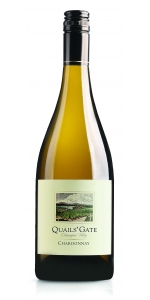
Quails Gate Chardonnay Okanagan Valley is made from 100% Chardonnay.
Quails’Gate Winery takes great pride in our portfolio of Chardonnays. As one of the original wineries in the Okanagan, our first Chardonnay clone was planted more than 30 years ago, and we have cultivated some of the oldest and most sought-after Chardonnay blocks in the region. The Estate Chardonnay is crafted to be bright, fresh, vivid and celebrated by all who drink it.
Tasting notes:
Fragrances of lemon, yellow flower, peach are accompanied by subtle hints of beeswax and vanilla. A bright-entry on the palate with medium acidity leads t o vibrant tastings of pear, lemon meringue crust and lime zest ending with a long and creamy finish.
This is a wonderfully versatile food wine. Try pairing with lemon roasted chicken, rich seafood risotto or creamy butternut squash soup.
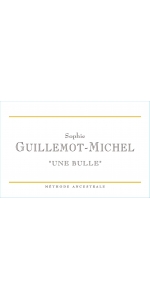
Guillemot-Michel Une Bulle is made from 100% Chardonnay.
This cuvée was created originally to celebrate the wedding of daughter Sophie Guillemot and Gautier!
The Chardonnay grapes come from a historic parcel of the estate - La Lie-Monin - that had been leased for nearly 30 years and that the family decided to cultivate again in 2013 following up a change of viticulture practice (towards organic) from their main neighbor.
"Bulle" is produced with the "methode ancestrale" - meaning only natural sugars are used from grapes that are harvested at optimum maturity, being less acidic and more aromatic, giving a beautiful fresh and elegant sparkling wine of crisp and juicy flavors, firm acidity and a long finish.
White meat, dessert, fruits, mild cheese, delicious on its own
Review:
"Bursting with aromas of apples, pears, almonds, warm bread and dried fruits, the 2019 Méthode Ancestrale Une Bulle is medium to full-bodied, fleshy and concentrated, with lively acids and a pillowy mousse. It's a touch drier than its 2018 counterpart. - William Kelley"
- Robert Parker's Wine Advocate (August 2021), 92 pts
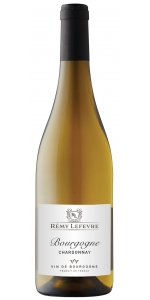
Brilliant golden yellow robe. The Bourgogne Chardonnay from Remy Lefevre is a marvel of density and aromatic expression. Very expressive on the nose, hints of stone and yellow fruits such as peach, pineapple. The opulence of the mouthfeel is nicely balanced between minerality and very delicate oaky notes. Slightly saline finish marked by a magnificent tension and freshness leaving an great memory and pleasure !
No RS
Total acidity: 3.30 g/L
No irrigation. Machine harvested. Grapes destemmed 100%.
- Vinification in vats
- Malolactic fermentation done
- Fine lees stirred during vinification
- 10% of the wine was aged in French Oak barrels
- 2 rackings carried out: one at the end of fermentation and one before bottling
- Wine filtered through a tangential filter
Remy Lefevre Bourgogne Chardonnay goes well with caesar salads, seafood and soft cheeses such as goat cheese.
Le Jade Chardonnay is made from 100% Chardonnay
The wine comes from south-facing vineyards planted on clay and limestone hills overlooking the Etang de Thau, a coastal lagoon situated between the port of Sète and Cap d'Agde.
Le Jade Chardonnay offers a wonderful yellow color, a complex nose of white flowers, mild tobacco and vanilla. Rich and full-bodied mouthfeel; concentrated with just a touch of sweetness.
Serve with a gratin of scallops, pan-fried sole, or grilled oysters with shallots, parsley and a touch of cream. Also great with goat cheese or chocolate cake!
The Cave de Pomerols Estate
Founded in 1932, this Cave Cooperative is located in the top commune of Pomerols, located between the garrigue of Pezenas and the sea dominated by the Mont St Clair in Sete. The co-op has merged with the Cave de Castelmau de Guers. They include 320 members and produce 55,000 hectoliters of wine (600,000 cases).
The Cave de Pomerols Vineyard
The members control 1,200 hectares of vineyard land (2,964 acres) of which 330 hectares (815.1 acres) are Picpoul de Pinet. Six communes are entitled to the name Picpoul de Pinet: Florensac, Pomerols, Pinet, Castelnau de Guers, Montagnac, Meze. The Pomerols vineyards stretch over vast sun-light terraces with clay/calcareous soils.
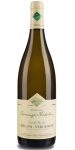
Saumaize Michelin Macon Vergisson Sur Roche is made from 100 percent Chardonnay.
Harmonious, fresh and clean aromas of fresh apple, lemon, orange blossom, white flower. Pure, crisp, silky and fine texture. Ripe fruit flavors and good acidity.
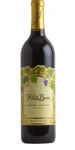
Far Niente Post & Beam Napa Cabernet Sauvignon is made from 91% Cabernet Sauvignon, 6% Merlot, 1% Malbec, 1% Petit Verdot
At Post & Beam, we make wines of pure expression, built on generations of hands-on experience producing acclaimed Cabernet Sauvignon and Chardonnay. Backed by the expertise and legacy of Far Niente Wine Estates, we use time-honored techniques to make exceptional wines that can be enjoyed upon release. Our expertise of winemaking at the highest level has enabled us to create wines that seamlessly unite tradition and modernity.
The 2023 Post & Beam Cabernet Sauvignon opens with expressive aromas of red fruit, cassis, and blackberry jam, accented by hints of cedar and graphite. On the palate, the wine is youthful and vibrant, showing polished tannins and a core of dark fruit that brings both weight and freshness. Notes of brambly berry, mocha, and subtle spice carry through a long, mouth-coating finish, highlighting the vintage's balance and structure.