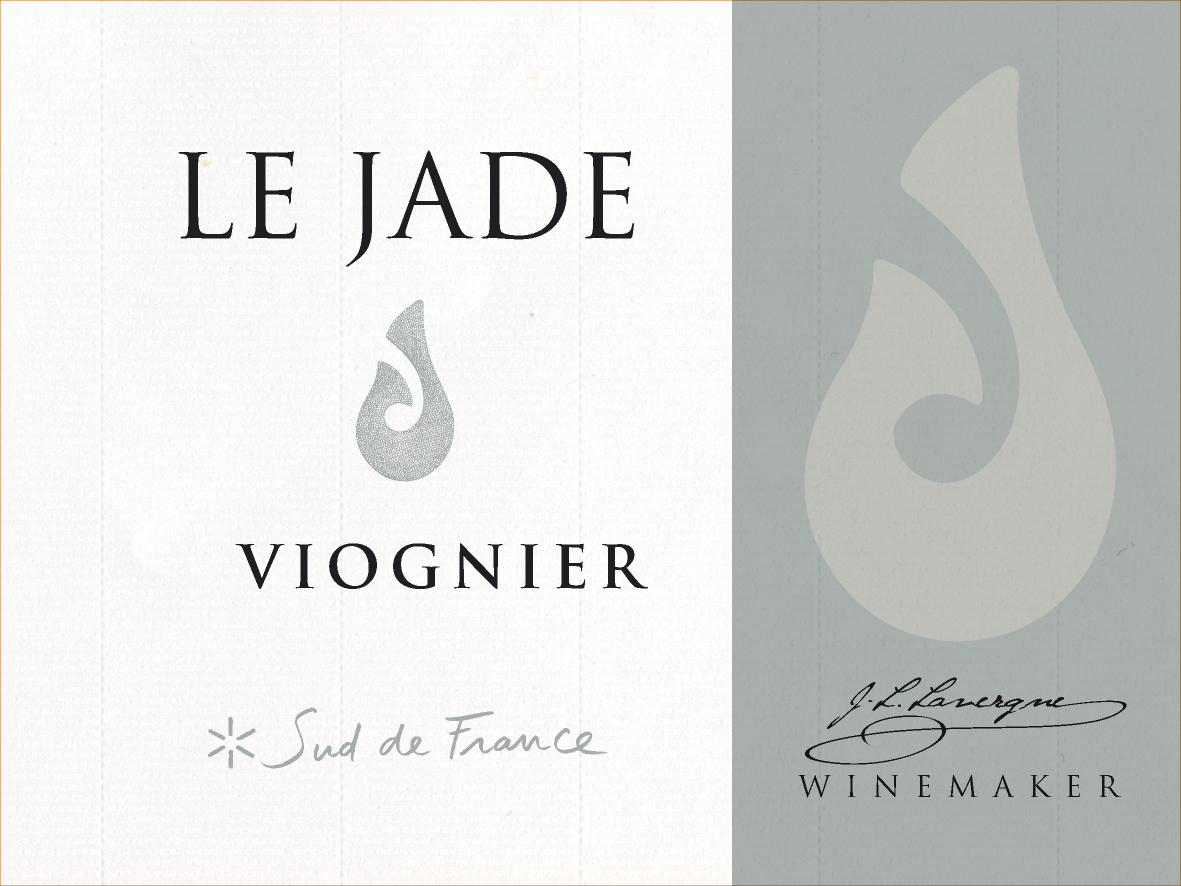
" We don't sell the wine without touching the vine "
| Country: | France |
| Regions: | Languedoc Pays d'Oc |
| Winery: | Cave de Pomerols |
| Grape Types: | Chardonnay Viognier |
| Vintage: | 2021 |
| Bottle Size: | 750 ml |
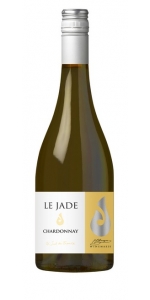
Le Jade Chardonnay is made from 100% Chardonnay
The wine comes from south-facing vineyards planted on clay and limestone hills overlooking the Etang de Thau, a coastal lagoon situated between the port of Sète and Cap d'Agde.
Le Jade Chardonnay offers a wonderful yellow color, a complex nose of white flowers, mild tobacco and vanilla. Rich and full-bodied mouthfeel; concentrated with just a touch of sweetness.
Serve with a gratin of scallops, pan-fried sole, or grilled oysters with shallots, parsley and a touch of cream. Also great with goat cheese or chocolate cake!
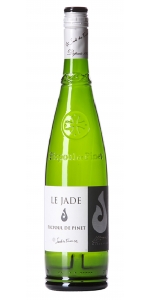
Le Jade Picpoul de Pinet is made from 100% Picpoul de Pinet
Pale straw color. Delicate white flower, citrus and juicy pear aromas. Fresh, crisp, and bright acidity with mineral and saline accents. Well-balanced and easy-drinking.
A refreshing treat laced up with snappy food-friendly acidity.
Picpoul Le Jade makes a classic match with oysters on the half shell and goes very well with exotic food in general. Picpoul means lip-smacking good.
SOIL : Clay and limestone soil just a few kilometres from the reputed Etang de Thau (salted water lagoon) overlooking the Mediterranean town of Sète.
VINIFICATION : Grapes are harvested at 12°- 13° maturity
Skin maceration for several hours
Selection of drained juice after undergoing pneumatic pressure.
Cold double decantation.
Thermoregulated fermentation at 16°C
No malolactic fermentation.
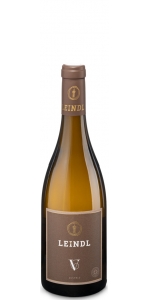
Leindl V Viognier is made from 100 percent Viognier.
Viognier is a variety that is mainly cultivated in the Rhone and produces rather strong white wines with very good aging potential.
For several years now, we have also been cultivating a vineyard with this exciting variety, which produces extremely distinctive wines year after year.
Harvested in mid-October and matured in 300l wooden barrels and stored on the fine lees for several months.
Tobacco spice, great stone fruit, honeydew melon and a strong body.

All older vintage wines have been purchased from a single collectors cellar. Pictures can be requested before shipment.
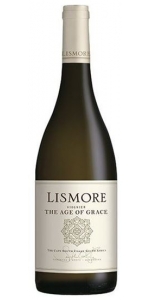
This is a Greyton WO.
Balance is the key to this wine. Viognier is an aromatic and generous varietal, it benefits from barrel maturation and lees contact with a fuller mouth feel and increased texture. This combined with the firm acid backbone and intense fruit will allow this wine to integrate beautifully and gain further complexity over the next 3-5 years.
Rich, lush and decadent. Viognier is a gorgeous variety. Honeysuckle, peaches and dried apricot with a lingering citrus finish. A clean fresh acidity supports the extravagance of the nose and the palate.
Viognier, a traditional Rhone variety is perfectly suited to Lismore’s cool-climate terrior. The vineyard block is on decomposed shale and one of the healthiest and well balanced on the farm. The entire team looks forward to the Viognier harvest and the beautiful amber tinged berries.
The grapes were picked at optimal ripeness and whole bunch pressed, slowly extracting the juice at a rate of 500ltrs per ton. The juice was settled for 48 hours and was racked into burgundian barriques (1st fill) for fermentation and maturation. The wine was left on the lees with regular “batonnage” for 11 months.
Lighter styles are often paired with curries and the like. This Viognier is different. We recommend medium bodied meals that are intense and complex. For example:
- Sesame encrusted tuna marinated in a blend of orange, lemon and lime juice spiced with sesame oil and balsamic vinegar – seared on a wood fired grill and served with griddled vegetables, or
- Free range duck breast smoked with Darjeeling tea and coriander leaves. Set on a cinnamon poached pear glazed with a gooseberry jus.
In both of these dishes, the fruit and floral aspects of the wine are complimented by the exotic and aromatic elements in the dish which are also highlighted by the spiciness from the oak fermentation; the fresh acidity freshens the palate, and yet the Lismore Viognier has the body to hold up against the weight of the duck or the tuna. It is also gorgeous with a well laid cheese platter.
Review:
"The 2021 Viognier The Age of Grace comes from Sutherland and Bot River, whole bunch pressed with 11 months on the lees using 15% concrete eggs. With pretty white peach and Mirabelle scents on the nose, this takes time to blossom, but it never fully lets go. The palate is medium-bodied with a gorgeous dried apricot, mango and spicebox entry, nothing blowsy here with a very focused, almost understated finish. Excellent. - Neal Martin"
- Antonio Galloni's Vinous (September 2022), 93+ pts
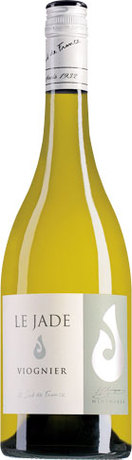
Le Jade Viognier is made from 100 percent Viognier
A refreshing treat laced up with snappy food-friendly acidity.
Picpoul Le Jade makes a classic match with oysters on the half shell and goes very well with exotic food in general. Picpoul means lip-smacking good.
The Cave de Pomerols Estate
Founded in 1932, this Cave Cooperative is located in the top commune of Pomerols, located between the garrigue of Pezenas and the sea dominated by the Mont St Clair in Sete. The co-op has merged with the Cave de Castelmau de Guers. They include 320 members and produce 55,000 hectoliters of wine (600,000 cases).
The Cave de Pomerols Vineyard
The members control 1,200 hectares of vineyard land (2,964 acres) of which 330 hectares (815.1 acres) are Picpoul de Pinet. Six communes are entitled to the name Picpoul de Pinet: Florensac, Pomerols, Pinet, Castelnau de Guers, Montagnac, Meze. The Pomerols vineyards stretch over vast sun-light terraces with clay/calcareous soils.
In 1996, building on their tradition of excellence established at Duckhorn Vineyards, and their growing love of Pinot Noir, Dan and Margaret Duckhorn came to Anderson Valley to found Goldeneye. Anderson Valley has since earned acclaim as one of the world’s greatest Pinot Noir regions. Representing the pinnacle of our winemaking portfolio, Ten Degrees is made from only our finest lots, making it a Pinot Noir of unparalleled grace and grandeur.
Reviews:
From the best lots on the Golden- eye Estate, this wine aged in French oak for 16 months. Scents of wild cherry and sage are off the charts. Undeniable vibrancy, generous fruit, and floral notes create a mael- strom of flavor and texture that complements the wine's intensely high energy. Earthy, salty notes manifest in a kiss of soil, balsamic, cinnamon, and cedar.
-Tasting Panel 96 Points
A beautiful blend of the best barrels of all the single vineyards and it shows wonderful complexity and thoughtfulness. Layered and complete, giving you so much flavor and deliciousness.
-James Suckling 96 Points
Michelet Chablis Premier Cru Beauroy is made from 100 percent Chardonnay.
Chablis is the northernmost wine region of Burgundy, renowned for producing some of the world's finest and most mineral-driven Chardonnay. The Premier Cru 'Beauroy' vineyard is located on the right bank of the Serein River on slopes with Kimmeridgian clay and limestone soils rich in fossilized oyster shells.
This wine displays a brilliant pale gold color with green reflections. The nose offers aromas of citrus, white flowers, and characteristic flinty minerality. On the palate, it is precise and elegant with bright acidity, flavors of green apple and lemon, and a long mineral finish.
Pairs excellently with oysters, shellfish, sushi, or simply prepared white fish.