
" We don't sell the wine without touching the vine "

| Country: | South Africa |
| Region: | Franschhoek |
| Winery: | Leopard's Leap |
| Grape Type: | Chardonnay |
| Vintage: | 2011 |
| Bottle Size: | 750 ml |
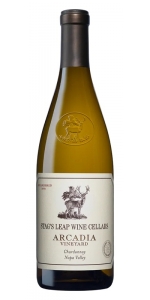
This ARCADIA VINEYARD Chardonnay offers inviting aromas of honeydew melon, peach pie, baked squash, brioche, lemongrass and honeycomb. These aromas are very fragrant and layered with just a touch of oak. The wine has a bright and flavorful entrance with flavors of Kiwi fruit, brioche, and a pleasing mineral note on the finish. Enjoy this wine with grilled fish or shrimp with capers and lemons, seared scallops drizzled with lemon-infused olive oil, or roast chicken with fennel and sage.
Review:
This beautiful wine stays with you beyond the palate. Deliciously balanced and bright, it holds its weight well, revealing rich, complex layers of green apple, pear and Meyer lemon with notes of baking spice, oak and crème brûlée. Virginie Boone
-Wine Enthusiast 95 Points

All older vintage wines have been purchased from a single collectors cellar. Pictures can be requested before shipment.
All older vintage wines have been purchased from a single collectors cellar. Pictures can be requested before shipment.
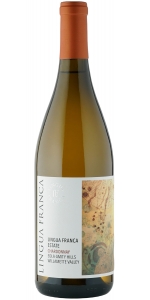
Floral notes leap out of the glass of the 100% Estate-grown Chardonnay 2022, with notes of jasmine, gardenia and lemon blossom. The contribution of low-yielding CH548 blocks seem to impress their character on the late vintage. The palate is round and fresh, entering with green apple and creamy lemon, which develop into chamomile and sea salt, with a round-textured, long finish of floral and saline notes.
The Estate Chardonnay will be an excellent accompaniment to rich and subtle dishes such as halibut with chanterelle sauce, plank smoked copper river xalmon with dill mayonnaise, Lobster Newberg, Quenelles de Brochet avec sauce a l’Armoricain, black cod with shellfish sauce. It is equally delightful with more casual dining options featuring béchamel sauces or cheese-rich dishes, such as a fondue, pasticcio or even lasagna.
Revieww:
The medium yellow/straw-colored 2022 Chardonnay Estate has a forward feel in the glass, with a great nose offering notes of bright flinty reduction, green apples, lime zest, and white flowers. Medium-bodied and long on the palate, it has persistent drive, with a pure savory feel and a graceful saline finish with a note of lime pith. It will drink well over the next 10 years.
-Jeb Dunnuck 94 Points
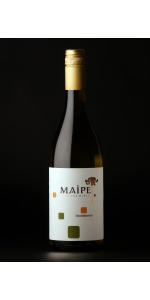
Maipe Chardonnay 2013 is made from 85% Chardonnay, 15% Viognier.
Manual harvest.
5 hour maceration on skins in temperature controlled steel vats; fermentation with selected yeasts at 14°-16°C; 30% malolactic fermentation.
30% was aged in French oak barrels.
Brilliant yellow golden color with green hints.
The wine is crisp and filled with white peach, pear, green apples flavors, toasty vanilla. Elegant and luscious wine, well balanced. Crisp and long finish.
Pairs well with creamy soups, pork, veal, vegetables.
All older vintage wines have been purchased from a single collectors cellar. Pictures can be requested before shipment.
Leopards Leap Chardonnay Viognier is made from 95% Chardonnay, 5% Viognier.
Wine Style: Unwooded, elegant and full-bodied.
Vinification: Whole-bunch pressed, settled and cold fermented with extended lees contact. Fermentation takes place at optimum temperatures. Grapes are sourced from Villiersdorp and Darling regions.
Alcohol percentage: 13.5 %
Total Acidity: 6.4 g/L
pH: 3.35
Residual Sugar: 2.1 g/L
Total Production: 22,000 cases
This refined blend is produced to be an elegant, medium bodied wine with an abundance of tropical fruit, with the added complexity of the slightly wooded Viognier component. It is further enhanced by the tones of apricot and melon from the Viognier.
The Leopards's Leap Estate
Situated at the most southern tip of the African continent, South Africa is a country rich in diversity, a nation steeped in history, and one with a bright future. Agriculture is one of the country’s principal industries, and its rich culture of winemaking spans 300 years. Today, one of the best ways to experience South Africa’s unique heritage is by tasting its world-class wines. Leopard’s Leap is based in the picturesque town of Franschhoek, situated in the heart of South Africa’s winelands, located in the Western Cape province. An hour’s drive from Cape Town, Franschhoek is not only home to some of the country’s finest wine estates, but is also considered to be the culinary capital of South Africa.
The Name Leopard's Leap refers to the Cape Leopard and the efforts of the winery to reinstate the Cape Leopard.
"We are a proud sponsor of the Cape Leopard Trust, a NGO aiming to optimally facilitate conservation of the Cape region's predators, in particular the endangered Cape mountain leopard.
Cape mountain leopards fill the role of apex predators in the Western Cape ecosystem and act as an 'umbrella species' to control the numbers of smaller predators. In effect, they thus help with the conservation of other species by maintaining this balance. By simultaneously implementing conservation strategies, research projects and tourism initiatives, the trust works tirelessly to conserve these beautiful animals."
The Leopards's Leap Vineyards
We at Leopard’s Leap understand that the first thing the everyday consumer looks for when selecting wine is price. That is why we pride ourselves on producing excellent quality wine at affordable price points. Our winemaker, Eugene van Zyl, selects the best grape varietals from the Cape Winelands region, and strives to create wines that are high on quality and can compete with the best of South African wines. Our philosophy embodies creating wines that are popular with all palates and easy to drink, but does not compromise on quality, and can be served at a widevariety of social occasions. Leopard’s Leap produces three ranges. The premium Family Collection is at the top end, and with its sleek black, gold and red labels, these wines are perfect for special occasions. The elegant Classic Collection boasts a wide variety of well-structured wines that all pair exceptionally well with a wide selection of food. The Lookout Range is more fun-loving and is perfect for everyday drinking and as a companion to social events.
M. Chapoutier Hermitage Monier de la Sizeranne is made from 100 percent Shiraz.
In Hermitage, Syrah achieves its noblest expression and La Sizeranne has become a benchmark wine for the region. M. Chapoutier's roots in the Rhône date back to 1808, when the family first settled in Tain l'Hermitage. The family purchased a winery owned by Comte Monier de la Sizeranne and over time, acquired a number of excellent vineyards, including some of the oldest in France. M. Chapoutier was the first winery to put Braille on a wine label in 1996. Maurice Monier de la Sizeranne was the owner of the plot of the Hermitage, la Sizeranne until he was blinded in a hunting accident and unable to take care of the land, choosing instead to sell to the Chapoutier family. Following his accident, Maurice became the inventor of the first version of abbreviated Braille, and Chapoutier included Braille on the wine labels as a tribute to his work.
he grapes ferment in open wooden vats after total destemming. Two daily treadings ensure a good extraction of the tannins. Maturation takes place in oak casks, of which one third is new. Several rackings permit a slow and natural clarification process. The wine is unfiltered and unfined.
Review:
I was blown away by the 2019 Hermitage Monier De La Sizeranne, and if there’s a best buy out there in 2019 Hermitage, this might be it. Blackberries, black raspberries, spice box, new leather, and bouquet garni all dominate the bouquet, and it’s full-bodied, with a round, layered mouthfeel, beautiful tannins, and a rare mix of richness and elegance. It’s a stunning wine that’s guaranteed to put a smile on your face over the coming 2+ decades. Hats off to the team at Chapoutier!
-Jeb Dunnuck 97 Points
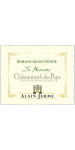
Grand Veneur Chateauneuf du Pape Blanc Le Miocene is made from 60% Clairette, 40% Roussanne
Pale yellow colour with hints of green, aromas of white flowers (may blossom, honeysuckle).
The palate is pleasantly balanced between liveliness and roundness, which brings out characteristics of dried apricot, honey and elderberry. A Châteauneuf du Pape white displaying a great finesse.
Best between 1 and 8 years.
Soil type Coming from the single vineyard named “La Fontaine”, the plot is facing north.It is made of clay-sand and limestone. Thanks to the northern orientation, it is always very well aired. This sector allow the Roussane and Clairette to mature in great conditions without losing freshness, which we believe is key point. Winemaking & ageing Whole-bunch pressing. Vinification in stainless-steel tanks. Fermentation temperature controlled at 15°C.



