
" We don't sell the wine without touching the vine "

| Country: | South Africa |
| Region: | Franschhoek |
| Winery: | Leopard's Leap |
| Grape Types: | Pinotage Shiraz |
| Vintage: | 2010 |
| Bottle Size: | 750 ml |
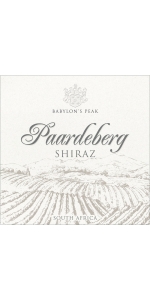
Babylons Peak Paardeberg Shiraz is made from 100 percent Shiraz.
Babylon's Peak winery, situated on the highest weathered granite slopes of the Paardeberg Mountain, is privately owned by the Basson family who has passed down the tradition, passion and art of winemaking over four generations. Predominantly low-yield dryland bushvines are selected to produce these excellent wines with distinctive character.
A classic Shiraz with dark fruit, violets and white pepper. An elegant wine with ripe tannins and a lingering aftertaste.
The grapes were harvested by hand. The grapes were destalked only, no crushing was done. Cold maceration was done before fermentation started in open fermenters. The grapes fermented between 24-26°C for 5-7 days, after which the wine was taken to barrels where it went through malolactic fermentation. After malolactic fermentation was completed, the wine spent 14 months in 225 litre French oak barrels until bottling.
Pairs with rich and creamy meat dishes eg. oxtail and venison.
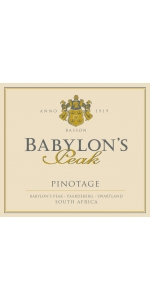
Babylons Peak Pinotage is made from 100 percent Pinotage.
Babylon's Peak winery, situated on the highest weathered granite slopes of the Paardeberg Mountain, is privately owned by the Basson family who has passed down the tradition, passion and art of winemaking over four generations. Predominantly low-yield dryland bushvines are selected to produce these excellent wines with distinctive character.
Dark red color, with ripe plums and mocha on the nose. Dark fruit followed by spice on the palate. A well balanced wine with smooth integrated tannins.
The Pinotage is dryland bushvines, planted on the highest south-east facing granite slopes on the farm. Due to its unique terroir, this vineyard ripens slowly over a very long period. This results in very dark color, soft tannins and good flavor compounds. The baboons normally harvest their quantity first and we pick the rest.
The grapes were harvested by hand at 25,6°B.and destalked only. No crushing was done. Cold maceration was done before fermentation started in open fermenters. The grapes fermented between 24-26°C for 5-7 days, after which the wine was taken to barrels where it went through malolactic fermentation. After malolactic fermentation was completed, the wine spent 12 months in 225 liter French oak barrels until bottling.
Pairs with lamb, bobotie and braaied red meat.
Babylons Peak Pinotage is made from 100 percent Pinotage.
Babylon's Peak winery, situated on the highest weathered granite slopes of the Paardeberg Mountain, is privately owned by the Basson family who has passed down the tradition, passion and art of winemaking over four generations. Predominantly low-yield dryland bushvines are selected to produce these excellent wines with distinctive character.
Dark red color, with ripe plums and mocha on the nose. Dark fruit followed by spice on the palate. A well balanced wine with smooth integrated tannins.
The Pinotage is dryland bushvines, planted on the highest south-east facing granite slopes on the farm. Due to its unique terroir, this vineyard ripens slowly over a very long period. This results in very dark color, soft tannins and good flavor compounds. The baboons normally harvest their quantity first and we pick the rest.
The grapes were harvested by hand at 25,6°B.and destalked only. No crushing was done. Cold maceration was done before fermentation started in open fermenters. The grapes fermented between 24-26°C for 5-7 days, after which the wine was taken to barrels where it went through malolactic fermentation. After malolactic fermentation was completed, the wine spent 12 months in 225 liter French oak barrels until bottling.
Pairs with lamb, bobotie and braaied red meat.
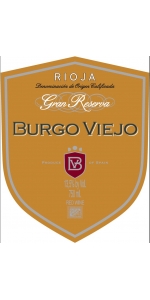
Burgo Viejo Rioja Gran Reserva is made from 100 percent Tempranillo. 30 year old vines.
Burgo Viejo Gran Reserva shows a deep red ruby color and offers powerful aromas of blackberry jam, spice, leather, chocolate with toasty nuances. Smooth yet full-bodied with firm tannins and a long finish.
Review:
"Shimmering garnet. Aromas of cherry, blueberry, candied flowers, tobacco and coconut pick up a smoky overtone with air. Smooth and fleshy on the palate, offering ripe red and blue fruit, mocha, cola and spicecake qualities that tighten up on the back half. Finishes long and supple with repeating spiciness, even tannins and a lingering suggestion of red berry preserves. This old-school Rioja was aged for two years in 90% American and 10% French oak. - Josh Raynolds"
- Antonio Galloni's Vinous (April 2021), 92 pts
2010 Burgo Viejo Rioja Gran Reserva - Silver Medal - MUNDUS VINI
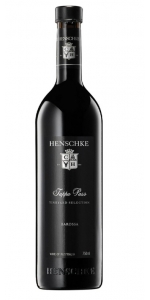
The Barossa has a core of traditional growers of German Silesian descent, dating back five generations, staunchly continuing on the traditions of their forebears. Occasionally one or two parcels of fruit of overwhelming quality come over the weighbridge; this is such an example. This wine is sourced from up to 70-year-old, low-yielding shiraz vines from a selection of historical grower vineyards at Tappa Pass and Light Pass, growing in low-fertility Neoproterozoic soils more than 542 million years old, that range from red-brown earths to terra rossa. These vineyards provide shiraz fruit from both the Eden and Barossa Valleys of the Barossa zone, vinified in traditional open-top fermenters. Matured in 24% new and 76% seasoned French hogsheads for 18 months prior to blending and bottling.
Deep crimson with violet hues. Vibrant aromas of blueberry, blackberry, Satsuma plum and raspberry with hints of anise, crushed marjoram, cardamom, violets and cedar. The palate is rich, plush, and complex, with juicy blueberry and mulberry, spicy blackberry paste, and layers of fine velvety tannins creating incredible depth and length.
Review:
This was an excellent vintage in the Barossa and this exceptional wine from 70-year-old low yielding vines is a beautiful expression of the season. Dark plummy dark chocolate characters with a dry dusty complexity. The palate is sublimely integrated and balanced, exhibiting poise and style. The sweet fruit on the middle palate is complemented by the minerally oyster shell edge. Terrific wine.
-Wine Pilot 96 Points
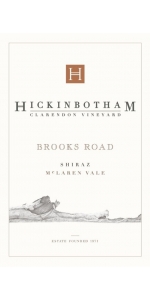
Hickinbotham Brooks Road Shiraz is made from 100 percent Shiraz.
After the hand-picked Shiraz clusters were delivered from high country (210-230 meters) by Viticulturer Michael Lane, the winemaker destemmed and sorted the whole berries into open fermenters. The cold soak was four days, the skins plunged three times daily, and the minimum time on skins was eighteen days. The wine was then basket pressed; its free run and pressings kept separate. To minimize filtration at bottling, three rack-and-returns were conducted over fifteen months as the wine seasoned in a mixture of Burgundy-coopered barrels.
This Shiraz shows the characters this vineyard has displayed since the start, but perhaps in a more elegant, harmonious and balanced form. Its consistency is comforting and reassuring, buttressed by blue and black fruit notes throughout. It is readily enjoyable but has all the structure, acid and tannin to offer decades of rewards from cellaring.
Review:
A rich, succulent mix of dark chocolate, spiced plum, wild blackberry and black licorice notes. Showcases both power and elegance, with chai, cigar box, violets and dried sage notes, velvety and generous, on the long, generous finish. Drink now through 2035. 1,900 cases made, 370 cases imported
-Wine Spectator 95 Points
Leopards Leap Pinotage Shiraz is made from 52% Pinotage, 48% Shiraz
Wine Style: Medium-bodied, fruity
Ageing: The Shiraz component was matured in 225-liter European oak barrels for 12 month. The Pinotage component was oak staved for 6 months with added micro-oxygenation.
Vinification: Grape selection from Villiersdorp, Darling and other prime Western Cape regions. Standard fermentation with selective yeast accompanied by pump-overs and punch-downs at 3 degrees Celcius. Extended skin maceration, pressed and post-fermentation malolactic. Fermentation completed in oak staves.
Alcohol percentage: 13.5 %
Total Acidity: 5.92 g/L
pH: 3.49
Residual Sugar: 3.2 g/L
Total Production: 20,000 cases
Soft and medium-bodied, this wine reflects the distinctive characteristics of both varietals in the blend. Plum and mullberry flavors are supported by vanilla undertones while the character us spicy and peppery, with a firm tannin structure. An ideal companion with oxtail, roast pork or hearty stews, as well as liver, quiche or cold meats. Also on its own a sheer delight.
The Leopards's Leap Estate
Situated at the most southern tip of the African continent, South Africa is a country rich in diversity, a nation steeped in history, and one with a bright future. Agriculture is one of the country’s principal industries, and its rich culture of winemaking spans 300 years. Today, one of the best ways to experience South Africa’s unique heritage is by tasting its world-class wines. Leopard’s Leap is based in the picturesque town of Franschhoek, situated in the heart of South Africa’s winelands, located in the Western Cape province. An hour’s drive from Cape Town, Franschhoek is not only home to some of the country’s finest wine estates, but is also considered to be the culinary capital of South Africa.
The Name Leopard's Leap refers to the Cape Leopard and the efforts of the winery to reinstate the Cape Leopard.
"We are a proud sponsor of the Cape Leopard Trust, a NGO aiming to optimally facilitate conservation of the Cape region's predators, in particular the endangered Cape mountain leopard.
Cape mountain leopards fill the role of apex predators in the Western Cape ecosystem and act as an 'umbrella species' to control the numbers of smaller predators. In effect, they thus help with the conservation of other species by maintaining this balance. By simultaneously implementing conservation strategies, research projects and tourism initiatives, the trust works tirelessly to conserve these beautiful animals."
The Leopards's Leap Vineyards
We at Leopard’s Leap understand that the first thing the everyday consumer looks for when selecting wine is price. That is why we pride ourselves on producing excellent quality wine at affordable price points. Our winemaker, Eugene van Zyl, selects the best grape varietals from the Cape Winelands region, and strives to create wines that are high on quality and can compete with the best of South African wines. Our philosophy embodies creating wines that are popular with all palates and easy to drink, but does not compromise on quality, and can be served at a widevariety of social occasions. Leopard’s Leap produces three ranges. The premium Family Collection is at the top end, and with its sleek black, gold and red labels, these wines are perfect for special occasions. The elegant Classic Collection boasts a wide variety of well-structured wines that all pair exceptionally well with a wide selection of food. The Lookout Range is more fun-loving and is perfect for everyday drinking and as a companion to social events.
Arzuaga Ribera del Duero Crianza 95% Tempranillo and 5% Cabernet Sauvignon.
Dark cherry color with purple highlights. Powerful nose and high aromatic diversity of ripe red and black fruits, spicy and balsamic notes, and a roasted finish. Soft and mellow in the mouth with a great fruitiness and length.
Review:
This is a big wine with alluring aromas of cedary oak and black fruit. Ripe palate of black berries, some dark chocolate and integrated, polished oak. Long spicy finish. Classy Ribera. -Decanter 95 Points
Filippino Elio Barolo Riserva is made from 100 percent Nebbiolo.
This 100% Nebbiolo offers a fruity, floral and spicy bouquet of red roses, raspberry, cinnamon and cocoa. It is generous, enveloping and elegant in the mouth, yet intense and full-bodied.
The grapes undergo a soft crushing and destemming leading to a clear must. This must ferments in steel tanks at a controlled temperature of 26°C and macerates for 20-25 days. After racking, the wine undergoes a lengthy maturation in oak barrels, which is continued with a lengthy bottle-ageing. Bottle-ageing confers the wine’s final character, at which time the wine is sent to market and from there to consumer tables.



