" We don't sell the wine without touching the vine "
| Country: | France |
| Regions: | Rhone Chateauneuf du Pape |
| Winery: | Domaine du Galet des Papes |
| Grape Type: | Grenache Blanc |
| Vintage: | 2014 |
| Bottle Size: | 750 ml |
Domaine de Beaurenard Chateauneuf-du-Pape Blanc is made from Clairette blanche & Rose, Grenache Blanc & Gris, Bourboulenc, Roussanne, Picpoul and Picardan.
Gold bright green color. Expressive nose with pear and stone fruits aromas (peach, apricot) with jasmine and roasted almonds notes. The mouth is smooth and fleshy like stone fruit we can smell, with a long a nice finish.
Review:
Always terrific, the 2023 Châteauneuf Du Pape Blanc is no exception, and readers who love vibrant, age-worthy Rhône whites can safely buy this cuvée in just about every vintage. Based on 30% Clairette, 20% Grenache Blanc, 25% Bourboulenc, 22% Roussanne, and splashes of Picardan and Picpoul Blanc, the 2023 reveals a medium gold hue as well as textbook aromatics of pear and orchard fruits intermixed with honeyed flowers, chalky minerality, and subtle green almond nuances. This balanced, medium-bodied, vibrant white is very much in the fresh, focused, yet still textured, approachable style of the vintage.
-Jeb Dunnuck 93 Points
Grand Veneur Chateauneuf du Pape Blanc Le Miocene is made from 60% Clairette, 40% Roussanne
Pale yellow colour with hints of green, aromas of white flowers (may blossom, honeysuckle).
The palate is pleasantly balanced between liveliness and roundness, which brings out characteristics of dried apricot, honey and elderberry. A Châteauneuf du Pape white displaying a great finesse.
Best between 1 and 8 years.
Soil type Coming from the single vineyard named “La Fontaine”, the plot is facing north.It is made of clay-sand and limestone. Thanks to the northern orientation, it is always very well aired. This sector allow the Roussane and Clairette to mature in great conditions without losing freshness, which we believe is key point. Winemaking & ageing Whole-bunch pressing. Vinification in stainless-steel tanks. Fermentation temperature controlled at 15°C.
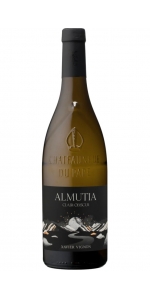
Xavier Vignon Almutia Clair-Obscur Châteauneuf-du-Pape Blanc is 40% Grenache Noir, 25% Mouvedre, 10% Roussane, 10% Grenache gris, 10% Grenache blanc & 5% Syrah.
Worn in the Middle Ages, an Aumuce was a purple cap that served as a cloak for clergymen as a way of concealing their whiteness, just as the black skin of the grape conceals its white juices. In Latin, this cape is called en Almutia. A blend of black and white grape varieties.
Almutia is the definition of vivacity, liveliness, expressed through the pulp of mainly black grape varieties. The multi-vintage approach has been choosen to bring complexity to the wine.
Pale yellow and translucent with tangy notes of apple and pear on the nose. The palate is lively and ample, revealing aromas of citrus and honeysuckle.
The grapes were harvested early, in mid-August, i.e. one month before the harvest intended for the production of red wines.
The grapes are then destemmed and crushed, then placed in vats for draining followed by settling for severals days to sediment the pigments.
Fermentation in stainless steel tanks
No ageing in wood and no stirring of the lees to maintain the perfect level of acidity.
Pairs best with scallop or lobter risotto, soft cheeses & truffle.
Cabrieres Chateauneuf du Pape Rouge Les Silex is made from 80% Grenache and 20% Syrah .
The vineyard is situated on the high tablelands, which are characteristic of the northern area of Châteauneuf-du-Pape. The terrain consists mainly of alpine diluvium and chalky Miocenian soil, with large flint pebbles covering the surface. These pebbles conserve the heat of the day during the night, thus avoiding too much evaporation.
A blend of 80% Grenache and 20% Syrah. Elegant cherry red color, with expressive notes of red fruits (strawberry and raspberry). Mellow tannins, well-balanced on the palate. I feel I need to point out the freshness, it is bright and lively on the palate, something we don’t see a lot of in this region. This also makes it extremely food friendly as it can hold up to fatty proteins.
Very good with white meat, red meat, charcuterie and cheese.

Chateau Cabrieres Chateauneuf du Pape Blanc Confidentiel is 50% Clairette and 50% Grenache Blanc.
Beautiful pale gold color with green reflections. The wine is clear and bright.
A nose of great finesse and richness, with hints of pear and citrus fruit. Racy and dense, with good persistence, this wine will develop nicely on the mineral side.
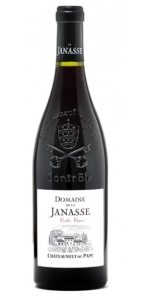
Domaine de la Janasse Chateauneuf-du-Pape Cuvee Vieilles Vignes is made from 65% Grenache, 20% Mourvèdre, 10% Syrah, 5% divers.
In contrast to Chaupin, which is made from old-vine Grenache on sandy soils, the cuvée Vieilles Vignes is from old vines of Grenache, Mourvedre, Syrah along with smaller percentages of other permitted varieties that are grown in these old vineyards. The wine is sourced from 4 terroirs: pebbly clay, sand, gravelly red clay and sandy limestone. Vieilles Vignes is always the most powerful and concentrated Châteauneuf-du-Pape cuvée made at Domaine de la Janasse.
Review:
The 2020 Châteauneuf Du Pape Vieilles Vignes also saw some stems (the estate started keeping some stems with the 2016 vintage) and was 75% destemmed, with the blend being 70% Grenache, 20% Mourvèdre, and the rest Syrah, Cinsault, and Terret Noir. As usual, it’s a more powerful, black-fruited wine comparted to the Cuvée Chaupin and has lots of crème de cassis, liquid violet, crushed stone, woodsmoke, and peppery herbs. It displays the vintage’s purity and freshness yet brings the concentration as well as the structure. I’ll be shocked if it’s not in the handful of top wines in the vintage.
-Jeb Dunnuck 96-98 Points
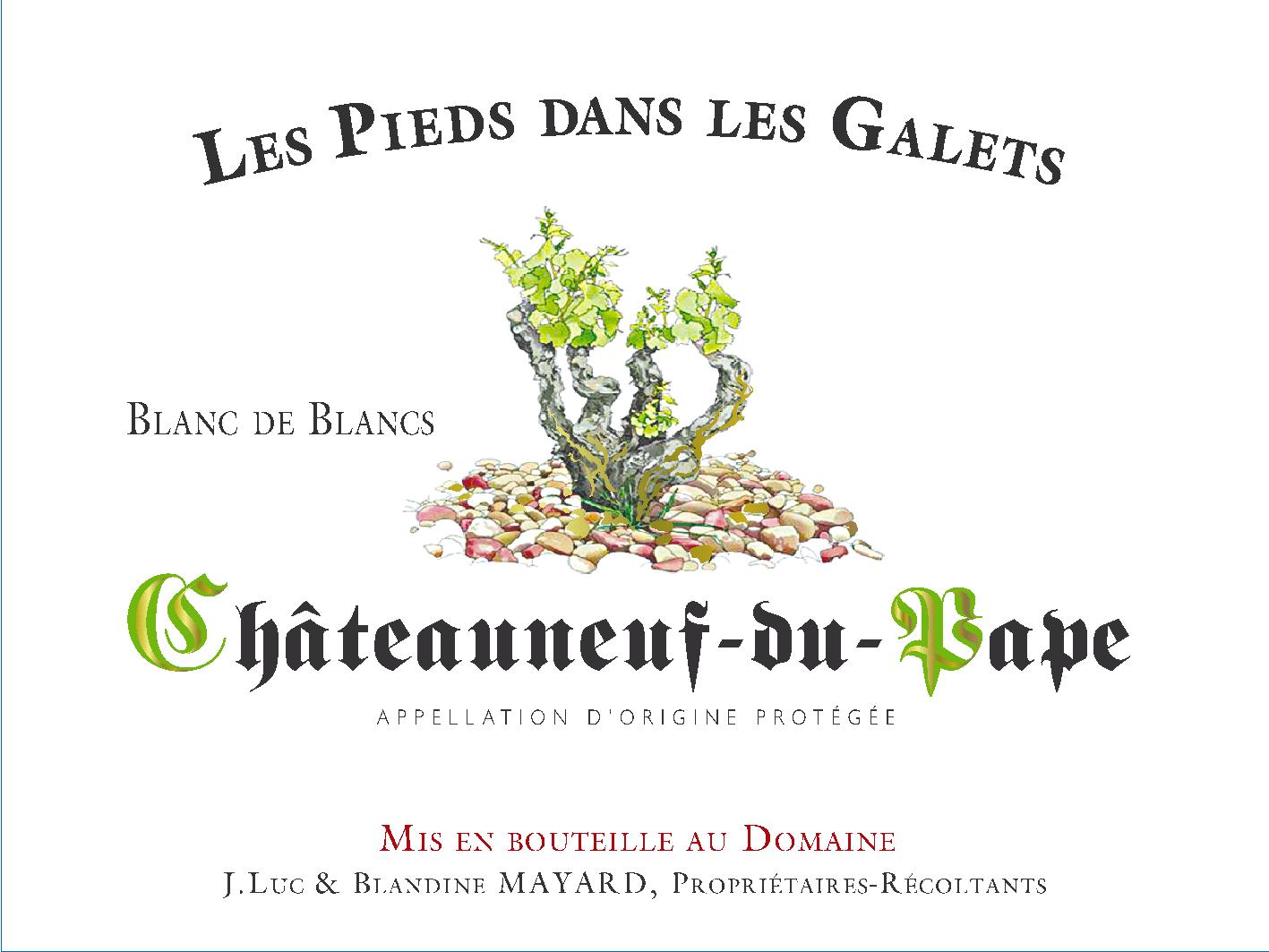
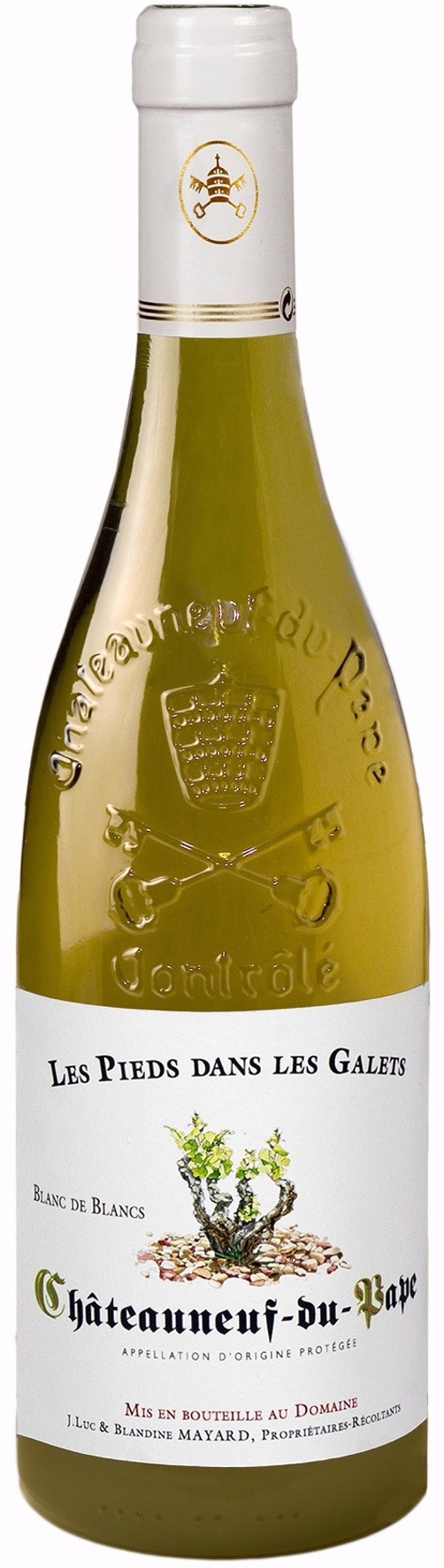
Les Pieds Dans Les Galets Chateauneuf du Pape Blanc 2014 is made from 60% Grenache Blanc, 20% Clairette and 20% Bourboulenc
Fruity and acidulous : citrus (lemon...), apple, peach, pineapple... - Intense and fruity fragrancies which are again present in mouth, nice fruity notes completed by an acidulous, mineral, sweet and long finish. Beautiful mentholated freshness, and very good balance between acidity and fruity flavors.
Made from 40 years old vines.
They are using temperature controlled tanks in order to keep the must at 18°C during fermentation.
The winemaking process lasts up until all the sugar is transformed into alcohol during alcoholic fermentation.
No Malolactic Fermentation.
The wine is bottled after a gentle filtration.
Pairings:
aperitif with for ex. tapas, scallops, fishes, white meat (chicken...), sweet cheeses (goat cheese...
Review:
"Lush yellow apple, green fig and melon flavors glide along, lined with ample verbena and chamomile notes that impart lift and contrast. Delivers a brightly detailed finish. Drink now through 2022. 175 cases made. –JM"
- Wine Spectator (November 15th 2016), 92 pts
Domaine du Galet des Papes is located in the village of Chateauneuf du Pape.
Jean-Luc Mayard started in 1976 but the Cellar was built by his Grand Father. He works with his wine and his daughter, Blandine.
Date Founded: 1976
The Family MAYARD, a Chateauneuf-du-Pape native, already owned a property at the time of Napoléon III.
The 2nd generation, Lucien MAYARD, undertakes to grow vines on the lands inherited from his father.
The 3rd generation, Marius MAYARD and Fernand MAYARD. Fernand, brother of Marius and uncle of Roger, built the winery in 1929.
The 4th generation, Roger MAYARD, married to Alice MERLE, owned some additionnal lands, starts the bottling and develops commercialization.
The 5th generation, in 1976, when Jean-Luc MAYARD, the son, takes the succession "Domaine Roger MAYARD" becomes "Domaine Roger MAYARD & Fils".
When his father Roger MAYARD retires, the "Domaine" is then called : "Domaine Mayard Jean-Luc".
In 1990 the Domaine becomes "Domaine du Galet des Papes". It symbolises the prestigious synthesis of our vineyard, spread with big rolled pebbles.
The 6th generation, Blandine MAYARD, after seven years of studies and work experiences about the different stapes of the vineyard and the wine, installs to the Domaine in 2012 !
The Estate is 13.9 hectares in size. 13 of them are within the Chateauneuf-du-Pape AOC (12 hecatres for the red and 1 hectare for the white), the rest (0.9 hectare) is Cotes-du-Rhone AOC.
They have 22 different parcels.
Far Niente Napa Valley Cabernet Sauvignon is made from 88% Cabernet Sauvignon, 6.5% Merlot, 2.5% Malbec, 2.5% Petit Verdot, 0.5% Cabernet Franc.
Beautiful aromas of dark plum, red cherry, licorice and warm baking spices open onto a plush and silky palate layered with plum, spiced cherry and cassis. A classic Napa Valley Cabernet, fine-grained tannins and lively acidity support the wine throughout, while the finish is refined and polished.
Review:
Very precisely polished and focused wine with aromas of black cherries, blue berries and violets followed by green bell pepper, black ink and gravel. Underlying umami notes, too. Full-bodied, firm yet finely grained juicy tannins with bright acidity that balances out the palate. Beautifully integrated toasty notes and baking spices on the mid-palate and in the finish. Flourishing and artful wine that will age gracefully.
-James Suckling 96 Points
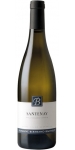
Bachelet Bertrand Santenay Blanc is made from 100 percent Chardonnay.
The Santenay Blanc comes from a parcel that is 1.2 hectares in size (3 acres) in the village called 'En Charron', at around 300 meters above sea level, with excellent sunshine and thin limestone soil, guaranteeing great aromatic finesse.
The wine shows a beautiful golden color, a fresh and slightly roasted nose combining lemon and lime aromas with a hint of vanilla. On the palate, almond and toasted hazelnut flavors, along with notes of white flowers and vanilla nuances.