" We don't sell the wine without touching the vine "
| Country: | Portugal |
| Region: | Vinho Verde |
| Winery: | Encostas do Lima |
| Vintage: | 2021 |
| Bottle Size: | 750 ml |

Vinhão (also known as Souzao or Sousao) is a Portuguese wine grape used in the production of port wine. While originating in the Minho regions, it is used primarily in Australia, California and South Africa. In Portugal, it is also an authorized planting in the Douro, and Dão-Lafões area (Vinho do Dão). The grape is known for the very deep color it produces in a wine as well as its coarse and raisiny taste.
Lima Granite Vinho Verde is made from 100 percent Loureiro.
This special project from the Adega Ponte de Lima highlights the diverse soils of the Vinho Verde region. Made from 100% Loureiro grapes, both the Granite and Schist varieties boast a crisp acidity and expressive minerality.
Lima Vinho Verde Granite displays intense floral aromas with great freshness and more accentuated minerality.
Sushi, fish, seafood, cheeses and salads.
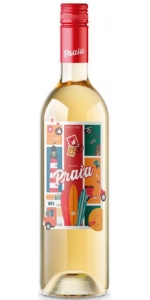
Praia Aveleda Vinho Verde NV is made from 40% Loureiro, 20% Trajadura, 20% Arinto, 20% Azal.
Praia, which means "beach" in Portuguese, is a smooth and fresh wine with delicate and lovely fruity flavors. Slightly spritzy, it is well balanced and very refreshing.
The region is typical for its unique wines that are fresh and light, combined with a very well balanced acidity. These characteristics result from the region's unique soil and climate, with a strong Atlantic influence that you will identify when you taste it.
The wine is ideal as an aperitif or throughout a meal, especially with fish, seafood, white meat and salads. Due to it freshness, it is particularly pleasant in a relaxed and informal ambiance.
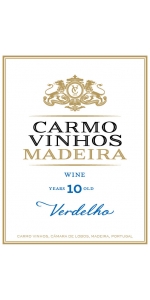
Carmo Vinhos Madeira Verdejo 10 Yr an amber medium dry wine with medium body and acidity. Rich aroma and flavor of dried fruits, nuts and caramel, showing a vibrant character, lengthy and well balanced. An excellent aperitif or as an accompaniment to pates.
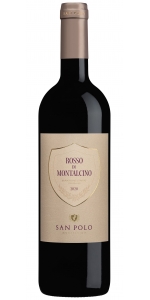
Bright and glossy ruby red in color. On the nose it reveals aromas of small fresh berries and a trace of sour cherry, melded with hints of blackberries and black cherries, followed by a hint of vanilla. A fragrant wine with satisfying intensity. On the palate it is warm, smooth and a medium-bodied with finely-balanced tannins. Dry and sinewy yet fresh with a persistent, aromatic finish.
It naturally accompanies dishes that are typical of Tuscan cuisine with its bold, authentic flavors, such as pasta and risottos made with mushrooms or truffles, pork, grilled meats and medium-matured cheeses.
Review:
Notes of ripe cherries, dried flowers and walnuts with hints of anisette and licorice. Medium- to full-bodied, compact and dense with creamy tannins and steady acidity. Weighty and structured. Drink or hold.
-James Suckling 91 Points
Ossian Capitel Verdejo is made from 100% Verdejo.
Ossian Capital represents a particular expression of very old Verdejo vines, taking its potential far finesse, elegance and longevity. It is made in selected years with a selection of extraordinary grapes.
Color: Old golden yellow color with greenish reflections.
Aromas: Surprisingly nuanced and profound.
Flavors: Fresh, full and very light.
Review:
Color: bright yellow. Aroma: ripe fruit, spicy, white fruit, citrus fruit. Flavour: balanced, fresh. Style: taut. Color: bright yellow. Aroma: powerful, creamy oak, ripe fruit, spicy. Flavour: rich, good structure, long, toasty, fine bitter notes.
-Guia Penin 96 Points
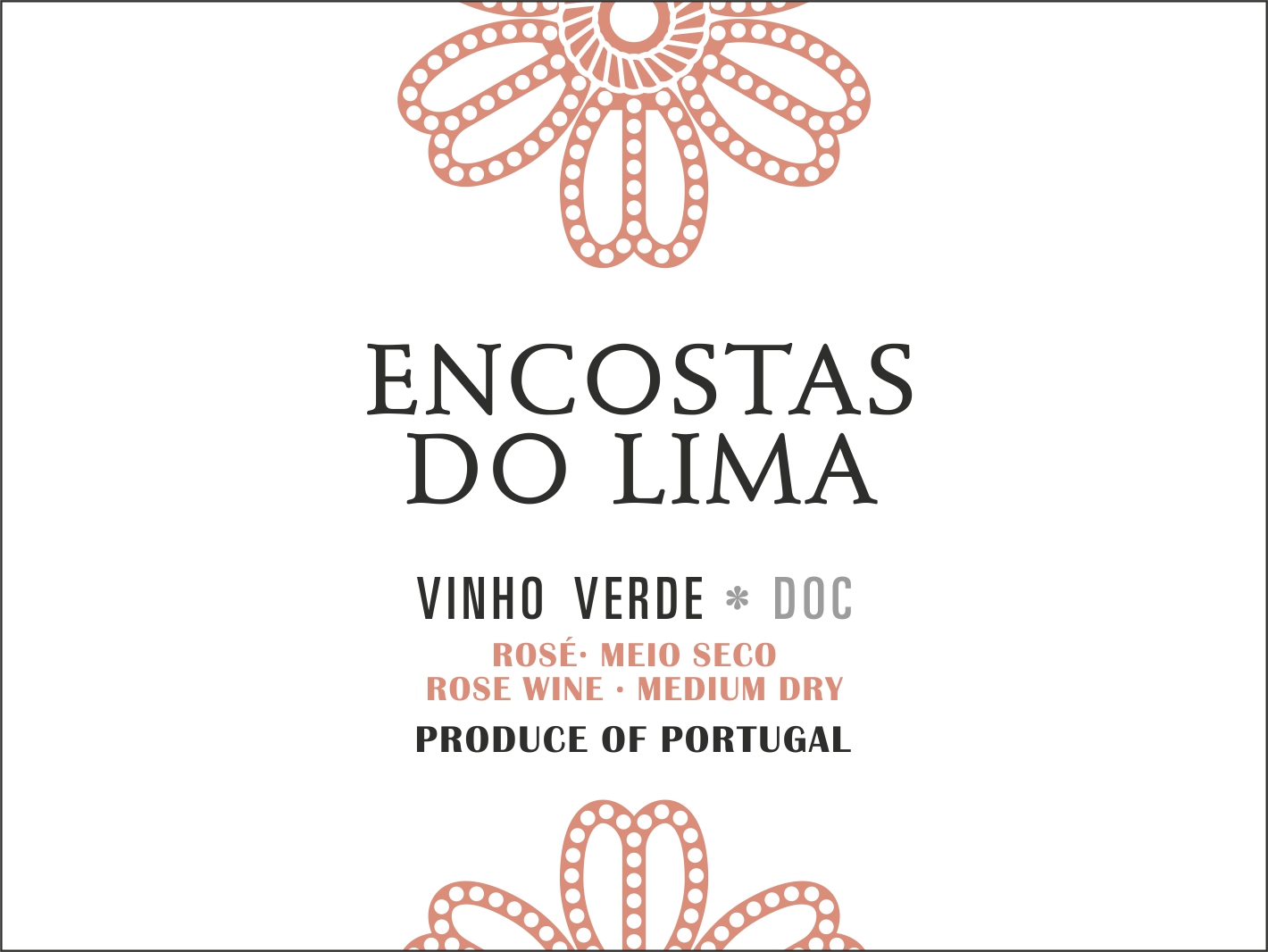
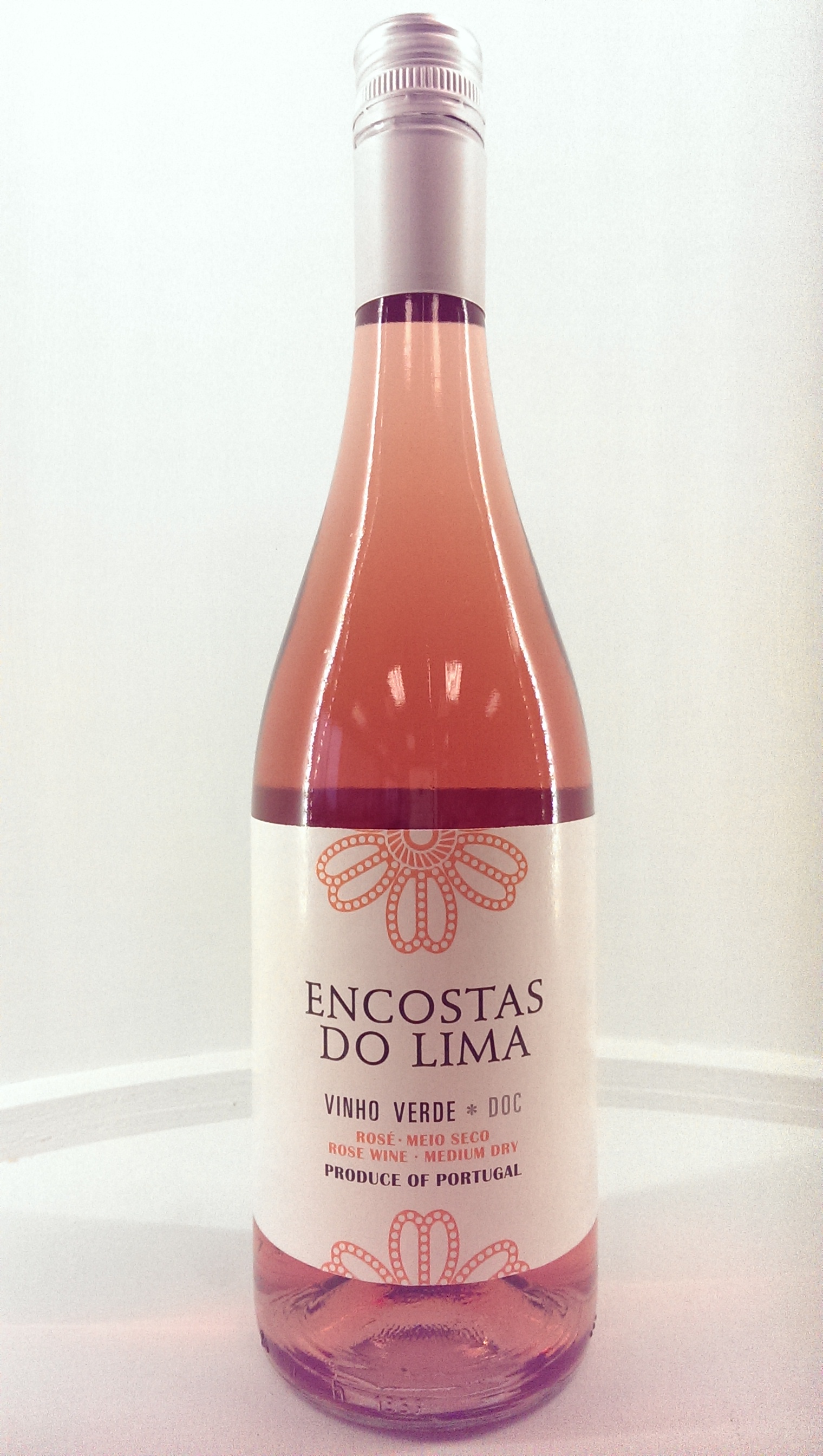
Lima Vinho Verde Rose is made from 75% Souzao, 15% Borraçal and 10% Espadeiro.
It is a blend of 75% Souzao (same as Vinhao), 15% Borraçal (which is also known as Caino Tinto) and 10% Espadeiro:
Souzão (or Sousão or Vinhão) is a Portuguese wine grape that is used in the production of port wine. While originating in the Minho regions, it is used primarily in Australia, California and South Africa. In Portugal, it is also an authorized planting in the Douro, and Dão-Lafões area (Vinho do Dão). The grape is known for the deep color it produces in a wine as well as its coarse and raisiny taste.
Caiño tinto (also known as Borraçal) is a red Galician wine grape variety that is also grown in Portugal's Vinho Verde wine region where it is known as Borraçal. In Spain, it is a permitted variety in the Denominación de Origens (DOs) of Rías Baixas and Ribeiro where it produces highly perfumed wines with noticeable tartness and high acidity.
Espadeiro is a red Portuguese wine grape planted primarily in the Minho region for making Vinho Verde. It is also grown across the border, in Spain, in Galicia where it is used to make light bodied wines.
The Encostas do Lima Estate
Encostas do Lima is produced at Adega Cooperativa de Ponte de Lima, a beautiful small town with a Roman bridge and medieval towers.
The Encostas do Lima Vineyard
Vinho Verde country is located in northeastern Portugal and is the largest demarcated wine region in Portugal (61,750 acres in size). The six official sub-regions are: Moncão (Alvarinho country), Lima (our wine), Braza, Basto, Peñafiel and Amarante. The maximum yield is 5.45 tons/acre (80 hectoliters/hectare). Soils are poor with an underlying granite base. Grapes used in the production of Vinho Verde are: Alvarinho, Rabigato, Loureiro, Batoca, Trajadura, Avesso, Pederña, Azal.
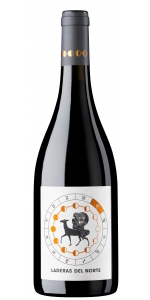
Arzuaga Ladera del Norte Ribera del Duero is made from 100% Tempranillo.
The grapes come from organic crops and are harvested from the "Valdesardon" farm, owned by the Arzuaga Navarro family, which is the westernmost vineyard of the Ribera del Duero DO, located at an altitude of 800 meters in the village of Olivares de Duero. Clay-limestone soil on a hillside that will mark the characteristics of the wine.
The wine is of medium high intensity in color, a clear and bright cherry with purple flashes. An array of red fruits such as raspberry and cherry predominates with a high aromatic intensity, combining with balsamic tones, coffee and roasted notes coming from the aging in oak barrels without being overwhelming. This is a fresh and elegant wine, with an easy and balanced entry into the mouth followed by juicy and chewy sensations. Slightly sweet and toasted notes, and a pleasant and balanced aftertaste that is reminiscent of the fruity aromas on the nose.
Ideal companion for red meat, white meat, game and game, roasted or in sauce. Blue fish and soft cheeses.
Review:
"Intense cherry color. Aromas of dried herbs, creamy oak, black fruits and lactic notes. In the mouth, ripe fruits, spices, fine tannins, full-bodied."
- Penin 2022, 92 pts
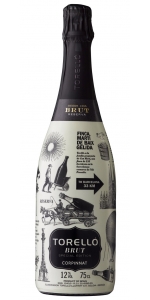
Torello Corpinnat Special Edition Brut Reserve is made from 44% Xarel.lo, 37% Macabeo, 11% Chardonnay, 8% Parellada.
The estate soils have been formed from sediments from the Garraf Massis, deposited thousands of years ago. One of the most characteristic features of the estate’s soils is the presence of accumulations of calcium carbonate. The movement of water through the soil dissolves the carbonates and takes them to a certain depth. The continuous repetition of this process has ended up producing the accumulation of these deposits. When these become massive, after thousands of years, they bind together and form a hard stratum called a petrocalcic horizon. This hard stratum limits the availability of water to the vine and the production, but is a factor that gives the grape quality
The wine offers a straw yellow color, clean, transparent, fine, and persistent bubbles with a rosary formation. In the nose fresh pear aromas stand out along with delicious notes of pastry cream, white flowers, and candied fruits. On the palate, good balance and acidity. Powerful and flavorful with white flowers and notes of brioche, almond and great length.
Special Edition is very versatile and matches with many different kinds of dishes; pasta, pork, chicken, fish, seafood, rice, cold cuts, desserts.
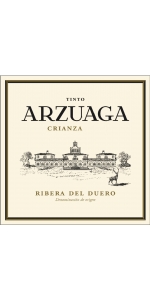
Arzuaga Ribera del Duero Crianza 95% Tempranillo and 5% Cabernet Sauvignon.
Dark cherry color with purple highlights. Powerful nose and high aromatic diversity of ripe red and black fruits, spicy and balsamic notes, and a roasted finish. Soft and mellow in the mouth with a great fruitiness and length.
Review:
This is a big wine with alluring aromas of cedary oak and black fruit. Ripe palate of black berries, some dark chocolate and integrated, polished oak. Long spicy finish. Classy Ribera. -Decanter 95 Points
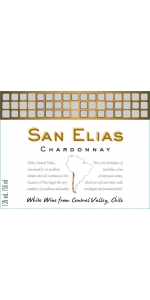
Siegel San Elias Chardonnay is made from 100 percent Chardonnay.
This Chardonnay has a light yellow color with green highlights. The nose shows fresh and intense tropical fruit aromas of pineapple, citrus, herbs and a touch of honey. On the palate it is lush, smooth and well-balanced with good acidity and lovely tropical fruit flavors.
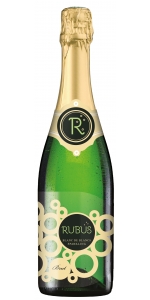
Rubus Brut Blanc de Blanc NV is made from 1/3 Ugni Blanc, 1/3 Airen, 1/3 Muscat .
The Rubus Project was created by Fran Kysela as a way to source & sell incredible wines at value prices. All wines in this international project are hand-selected by Fran Kysela. Rubus wines are fruit driven, true-to-type values that over deliver - a true representation of quality for the consumer at an excellent price.
Elegant pale yellow color with fine bubbles. Floral and fruity on the nose, with aromas of fresh butter and cake. On the palate, the wine is crisp and harmonious - a delightful sparkling wine.
Machine harvest. The base wine is fermented at a low temperature. The second fermentation takes place at 14°C for 2 weeks, followed by dosing.
Winemaking: This wine is a classic Bordeaux blend of 78% Cabernet Sauvignon, 10% Malbec, 8% Merlot, 2% Cabernet Franc, 2% Petit Verdot.
. The 2010 growing season was moderate, thus promoting slow ripening and full flavor development. We hand-harvested and fermented each variety separately, then moved the wines to barrel, where they aged twelve months. Once we determined our blend, we returned the wine to barrel for an additional twelve months, to 'marry' the varietals. We used tight-grained French oak barrels (45% new) from coopers Taransaud, Vicard and Bossuet.
Winemaker Notes:
Complex, rich aromas foretell rich flavors of black currants, allspice and a hint of clove. The wine is full bodied, with velvety texture, smooth tannins and an extensive finish. Beautifully balanced, this Cabernet will age for ten more years.
Alcohol: 14.25 percent by volume
Review:
"Savory, dried red capsicum with cedar, cocoa powder and dried mushrooms on top of black cherries. Juicy and layered with some currants and savory earthy spices on the palate. Not quite deep, but a very elegant and savory expression of cabernet with a very long, subtle finish. A little sweet-sour, but quite refined and approachable, too. Drink now."
- James Suckling (June 2022), 93 pts
Obsidian Vineyard Syrah is bathed in terroir. The vines experience severe stress, pushing the roots ever deeper through rock in search of water, producing miniature clusters of intense power. Given the wine’s natural propensity for tannin, we take extreme care in the cellar to chisel/whittle its rough edges and leave room for richness to flatter its distinctive scaffold. The mid-palate supports flavors of roasted coffee beans, sarsaparilla, and dark chocolate. The finish marches on long after most wines have tired.
Our estate vineyard — the six-acre Obsidian Vineyard in the Knights Valley AVA — has an incredibly complex soil structure. It takes its name from a layer of volcanic obsidian rock that was discovered when we drilled for water.
Chocolate ganache, black currants, fig, graphite, and an expansive mouthfeel.
Review:
"Joe Donelan believes his Obsidian Vineyard is one of the world’s greatest sites for Syrah. I’ve visited the site twice, and can say candidly it certainly sits among the most striking vineyards I've ever laid eyes on within the U.S. It sits like a rock on a promontory—two switchbacks to reach the top—and the stones under the top soil, quite literally, never stop emerging from the ground. The place has an ancient, almost sacred, temple-like feel. It is consistently swept by afternoon breezes. The vineyard was replanted in 2017 after fires ravaged it. Winemaker David Milner laid out the site at denser spacing than before, at 2,000 vines per acre to keep yields per vine low while still achieving sensible tonnage, averaging around three tonnes per acre. Viognier was planted for co-fermentations, alongside some Cabernet Sauvignon, for a single vineyard bottling of that grape. ‘God put on his viticultural hat when he designed this site,’ says Milner. The vineyard is planted with ENTA 174, 877, and Alban 1 clones, along with Donelan Heritage selections certified virus-free. The wine, the 2023 vintage release (the first from the new vines), was aged for 21 months in 36% new oak and co-fermented with 1.8% Viognier, using 32% whole clusters. And it is positively gorgeous: composed of nine different blocks, each fermented separately, then assembled through sequential blending, with no racking until bottling. From just five-year-old vines, this wine is utterly extraordinary—something oddly achievable from young vines on rare occasion. I tasted this wine from the same bottle over three days. While the high-toned espresso-bean and cedar accents are present at first pull of the cork, they mellow out a day later, and the fruit profile is so vibrant. This is the sign of an excellent wine. I first tasted wines from the Donelan’s Obsidian Vineyard years ago at Tasting Panel Magazine in the late, great Anthony Dias Blue’s office. Cushing Donelan showed the wines, and to this day, I recall the first moment I put my nose into a glass of Obsidian Syrah. In early January of 2026, as I nosed this brand new release of Obsidian Syrah, I was transported straight back to that tasting twelve years ago. What’s remarkable is that the aromatics are unmistakably the same, yet from these new, more densely planted vines, the aromas are more refined—precision-farmed wines from young vines delivering a level of detail and poise that feels beyond their years. So what’s in the glass? Pure red, black, and blue fruit nuances layered with tobacco, white truffle character, violet pastille, and an intoxicating perfume. White pepper notes emerge on the medium- to full-bodied palate, framed by velvety tannins. Iron-like and crushed slate minerality underpins dazzling black cherry and blackberry fruit, brown spices, and blood orange richness. There’s a velvety, iron-fist quality here that exudes polish, complexity, and undeniable quality. You want to drink it now—and you absolutely can—but it will also reward time in the cellar. Either way, you’ll be utterly wowed. And when you realise the price is under £100, the achievement becomes even more staggering. As these vines mature, what will become of them in subsequent vintages? I suspect that as the vines mature, they'll go in and out of phases, but so long as Mother Nature cooperates, I expect this wine to continue to dazzle each vintage. - Jonathan CRISTALDI"
Decanter (January 5th 2026), 100 points
This is the first vintage of the Obsidian Syrah after wildfires torched the vineyard in 2017, leading to significant redevelopment. Throughout all those years, the Donelans have exhibited remarkable patience and a clear sense of purpose. This is their reward: a truly magnificent, towering wine of the highest level.
Knights Valley is one of the most magical grape-growing districts in the United States, but it is not very well known because only a few estate wineries are located there.
The 2023 Syria Obsidian Estate is one of the most profound, moving wines I have tasted in Sonoma County. Blackberry, gravel, incense, chocolate, lavender, and dried herbs race out of the glass. Delicate yet powerful, the 2023 is spectacular. It is also very fairly priced in today’s market.
Vinous 100 Points