
" We don't sell the wine without touching the vine "
| BUY MORE! SAVE MORE! | ||||||||||||||||||||
|
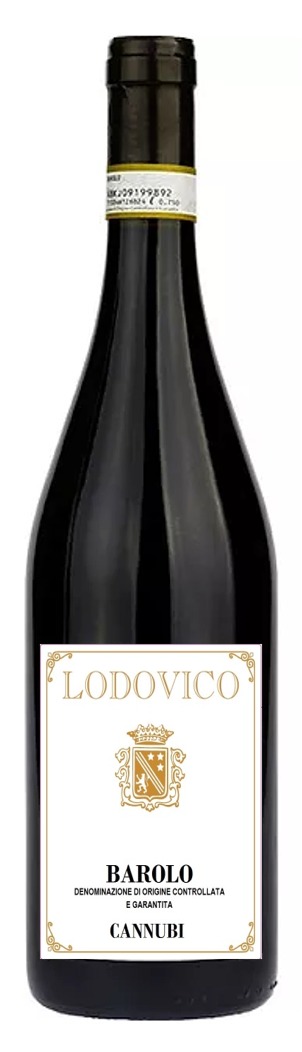
Lodovico Barolo Cannubi is made from 100% Nebbiolo.
With a ruby-red color, the Barolo Cannubi has a rich bouquet which gradually recalls the scents of roses flowers, truffles and wood spice. The palate is at first elegant and refined, then is begins to gain in complexity with a little breathing or decanting.
Vine: Nebbiolo, sub-variety Lampia and Michet
Grapes provenance: Cannubi Boschis vineyard in the village of Barolo
Soil: composed mainly of large clayey limestone marls and sands
Vineyards: South-est facing with Guyot pruning (6-8 buds / vine)
N° Vines / hectare: 5000
Yield / hectare: 50-55 q / Ha
Plant year: 1970
Size of the vineyard: 1.3 hectare (3.21 acres) in the family since 1996 out of 40 hectares (98.8 acres) total for Cannubi.
Average height: 250-260 mt
Nebbiolo is a native black grape variety of Piedmont that gives birth also Barolo and Barbaresco. The name ‘Nebbiolo’ derives from the word ‘fog’ and there could be two reasons. The first hypothesis traces the name of Nebbiolo back to the obscured, almost clouded appearance of the grape, covered with abundant bloom. The second hypothesis, more suggestive, is linked to the very late ripening of the grapes: the Nebbiolo grape harvest often takes place in late October, when the vineyards are enveloped in morning mists.
Pairs with aged cheeses, red meat, rich/earthy dishes, truffle risotto, pasta with sausages and mushrooms. Braised or roasted meats.
Founded by Lodovico Borgogno in 1950, the Estate is now run by 4th generation winemakers Virna and Lorenzo Borgogno. Virna was the first woman in Italy to have received her degree in Winemaking Technique (Enologica Tecnica) from the University of Turin in 1991. She creates magnificent wines, primarily from the Nebbiolo grape. Her Barolos are long lived, structured wines that should be appreciated throughout their long life.
The estate is located in Barolo at the center of the Langhe region. The winery sits at the foothill of Cannubi, which marks the dividing line between two different soil types - the Tortonian soil to the north and west (La Morra) is generally more compact marl mixed with sand, producing elegant, softer wines that are more approachable in their youth. The Helvetian soils, with loose, less fertile sandstone and limestone rich marl, are to the south and east (Monforte and Serralunga).
The vineyards spread over 12 hectares of the most important crus in Barolo:
Barolo Cannubi 1.5 ha (the word "Cannubi" means union in local dialect - union of two soil types)
Barolo Preda 1.0 ha
Barolo Sarmassa 0.5 ha
Barolo Cerviano Merli (Novello) 3 ha
Barolo San giovanni (Monforte) 0.5 ha
Barbera d’Alba 2 ha
Dolcetto d’Alba 0.5 ha
Langhe Nebbiolo 1.5 ha
Timorasso (langhe Bianco) 0.5 ha
The 2021 Domaine Joseph Voillot Volnay Les Champans Premier Cru is from the domain’s largest premier cru holding, 4.2 acres whose vines date from 1934, 1971, and 1985. Champans is down-slope in the premier cru band, and its wine typically has more fruit and power than other Voillot Volnays.
Review:
‘The 2021 Volnay Les Champans Ter Cru has much more brightness and delineation than the Fremiets this year, with red cherries, wild strawberries and ust a touch of iodine and sous-bois. This is nicely focused. The palate is medium-bodied with sappy red fruit, fine structure, pliant tannins and a harmonious finish. Not the most complex Champans encountered from this address, yet it has class.
-Vinous 91-93 Points
The 2021 les Champans is also a simply stunning example of this fine premier cru vineyard. The beautifully elegant nose wafts from the glass in a blend of red and black plums, cherries, spit-roasted quail, a complex base of soil, woodsmoke, coffee bean and a deft touch of vanillin oak. On the palate the wine is pure, full-bodied and shows off superb depth at the core, great soil signature, ripe, fine-grained tannins and a long, nascently complex and very promising finish. This is a touch more reserved on the palate than the Fremiets and will take a bit longer to blossom, but it is going to be stellar. 2034-2085.
93+ pts- John Gilman, View from the Cellar #102
Trefethen Family Vineyards Cabernet Sauvignon is made from 88% Cabernet Sauvignon, 6% Malbec, 6% Petit Verdot .
Dark fruit aromas of plum and black cherry are integrated with savory hints of cocoa, pepper and fragrant herbs. Bright on the palate, concentrated cherry flavors are layered with softer notes of vanilla and forest floor.
This wine pairs well with fatty dishes, which will highlight its fine-grained tannins and herbal notes. Winery Chef Chris Kennedy recommends fire roasted dishes and grilled or braised red meats.
Review:
“A melange of blackberry and cherry flavours imbued with simmering menthol and aromatic anise to amplify. Expansive and generous with spicy oak tannins and a lengthy finish.”
- 2024 Decanter World Wine Awards 95 Points
It is the purest example of tempranillo grapes from Rioja Alavesa. Coming from a vineyard over a hundred years old with an extremely low production. You can taste a high concentration of ripe fruit, well-bodied, with a final touch of toffee and lime soil plus a perfect acidity which makes this wine fresh and very tempting.
VINEYARD From the Cuba Negra Vineyard in southern Labastida, the El Belisario bottling comes from Tempranillo vines planted in 1910.
ALCOHOL 14.5%
PROCESS Fermented naturally in oak foudre. Malolactic fermentation and aging occur in 100% new French oak barriques over two years.
TASTING Along with its brilliant garnet color, aromas of cherries, dried plums, black pepper, and savory mushroom leap from the glass. The palate is fresh and concentrated with mixed red and black fruit, chocolate, menthol, and coffee. Displays a surprisingly elegant nature. Pair with game, red meat and dark chocolate.
Review:
One of those wines that makes you belief in the special magic of old vines, El Belisario hails from La Greña, parcel planted on limestone rich soils in 1910. Aged in older French barrels, it's a focused, nuanced, wonderfully expressive Tempranillo with raspberry, pomegranate and red cherry fruit, filigree tannins, energetic acidity and sweet, caressing oak spices.
96 Points - Top Rated Single Vineyard in Tim Atkin's 2023 Rioja report
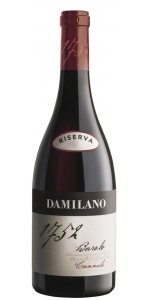
“1752” is the name of the Damilano Barolo Cannubi Riserva, in honor of the year in which the historic bottle was first marked “Cannubi”. It still exists today perfectly conserved by the Manzone family in Bra, close to Barolo. The bottle is clearly marked as being of “1752” vintage, indicating that Cannubi historically precedes Barolo.
About the Vineyard:
The Cannubi Cru is in found within one of the 6 core zones which comprise a UNESCO heritage site in Italy. A mixture of Tortonian and Helvetian calcareous marl gives the grapes intense aromas of cherry, plum and tobacco, rose and violet in sequence. Its low potassium and high calcium/magnesium content offer the wine a fine and polished touch. The vineyard is located at about 270 m. a.s.l. and has a south-east sun exposure. Barolo Riserva Cannubi 1752 It is a small plot of about 2 hectares of Nebbiolo vines, currently between 30 and 50 years of age.
Tasting Notes:
Garnet ruby red in color, the bouquet is intense and balanced, with notes of violet, red fruit, cherry and plum, spices, liquorice, cocoa, leather and tobacco. Dry, robust, full-bodied, very persistent, rich and velvety
Food Pairing:
This wine is excellent with typical piedmontes pasta (tajarin, ravioli); perfect with red meat, braised and roast meat, game and absolutely ideal with all types of cheeses.
Review:
“Incredible, reserved ripeness and depth already evident on the nose after one whiff, offering plum, cedar, rose hip, sandalwood, and licorice. Full-bodied with superb depth of fruit and an abundance of polished tannins that give the wine poise and grace, even though it’s long and powerful. The quality of the tannins are exceptional. Sheer and refined. This comes from the center of Cannubi.”
-James Suckling 99 Points
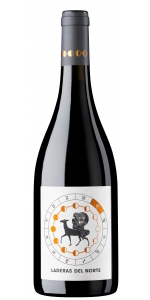
Arzuaga Ladera del Norte Ribera del Duero is made from 100% Tempranillo.
The grapes come from organic crops and are harvested from the "Valdesardon" farm, owned by the Arzuaga Navarro family, which is the westernmost vineyard of the Ribera del Duero DO, located at an altitude of 800 meters in the village of Olivares de Duero. Clay-limestone soil on a hillside that will mark the characteristics of the wine.
The wine is of medium high intensity in color, a clear and bright cherry with purple flashes. An array of red fruits such as raspberry and cherry predominates with a high aromatic intensity, combining with balsamic tones, coffee and roasted notes coming from the aging in oak barrels without being overwhelming. This is a fresh and elegant wine, with an easy and balanced entry into the mouth followed by juicy and chewy sensations. Slightly sweet and toasted notes, and a pleasant and balanced aftertaste that is reminiscent of the fruity aromas on the nose.
Ideal companion for red meat, white meat, game and game, roasted or in sauce. Blue fish and soft cheeses.
Review:
"Intense cherry color. Aromas of dried herbs, creamy oak, black fruits and lactic notes. In the mouth, ripe fruits, spices, fine tannins, full-bodied."
- Penin 2022, 92 pts
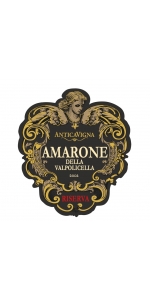
Antica Vigna Amarone della Valpolicella Riserva is made from 65% Corvina, 20% Rondinella, 10% Corvinone, 5% Merlot.
Amarone DOCG has maintained unchanged its typicality, so that “the essence of the territory” of Valle di Mezzane and Cazzano di Tramigna powerfully emerges. Rich in color, firmly structured but with fresh notes.
WINEMAKING AND AGING:
Manual harvest early October with selection of the best bunches.
Drying: natural drying in fruit cellar for 3/4 months with a sharp drop in weight of around 30%.
Vinification: soft crushing of destemmed grapes in the months of January and February.
Fermentation: at a controlled temperature of 18/21°C. Fermentation time: about 30 days
Aging:· 80% in oak barrels for 30 months of which 2/3 in American and French barriques, half of which are used for the second and third time, 1/3 in large
THE TERRITORY:
Geographical location: Tenuta di Mezzane, Tenuta di Cazzano di Tramigna
Height: 350/400 meters asl
Exposure: south
Soil type: limestone
Vineyard training system: guyot and pergola
Vine planting year: from 1972 to 2009
Vine density: 4,000 to 5,400 vines per hectare Vineyard management: sustainable agriculture and great attention to natural
cycles
Pairs well with grilled and roasted meats, as well as cheese.
Timeless Notes:
Dark cherry in color, firm on the palate with a vibrant acidity underbelly. Thought lush on the palate the flavors are complex and elegant from entry to mid-palate with hints of currant and wild berries. The finish brings in a touch of tobacco and leather notes ,classic examples of this region, with more ripe fruit flavors that linger on long strain tannin finish. Complex with depth and elegance on the palate. This one is drinking now, but can handle more time in the cellar with ease. An excellent value in the Riserva category.
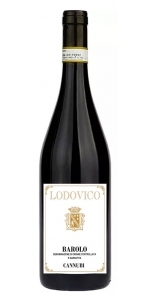
Lodovico Barolo Cannubi is made from 100% Nebbiolo.
With a ruby-red color, the Barolo Cannubi has a rich bouquet which gradually recalls the scents of roses flowers, truffles and wood spice. The palate is at first elegant and refined, then is begins to gain in complexity with a little breathing or decanting.
Vine: Nebbiolo, sub-variety Lampia and Michet
Grapes provenance: Cannubi Boschis vineyard in the village of Barolo
Soil: composed mainly of large clayey limestone marls and sands
Vineyards: South-est facing with Guyot pruning (6-8 buds / vine)
N° Vines / hectare: 5000
Yield / hectare: 50-55 q / Ha
Plant year: 1970
Size of the vineyard: 1.3 hectare (3.21 acres) in the family since 1996 out of 40 hectares (98.8 acres) total for Cannubi.
Average height: 250-260 mt
Nebbiolo is a native black grape variety of Piedmont that gives birth also Barolo and Barbaresco. The name ‘Nebbiolo’ derives from the word ‘fog’ and there could be two reasons. The first hypothesis traces the name of Nebbiolo back to the obscured, almost clouded appearance of the grape, covered with abundant bloom. The second hypothesis, more suggestive, is linked to the very late ripening of the grapes: the Nebbiolo grape harvest often takes place in late October, when the vineyards are enveloped in morning mists.
Pairs with aged cheeses, red meat, rich/earthy dishes, truffle risotto, pasta with sausages and mushrooms. Braised or roasted meats.
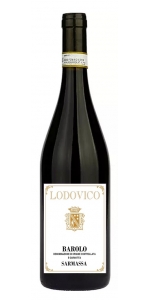
Lodovico Barolo Sarmassa is made from 100% Nebbiolo.
Very deep ruby-red; still rather fresh nose, with hints of red berries steeped in delicate vanilla; dry, full taste, packed with body and structure combined with polyphenolic compounds that cater for lengthy ageing.
Grape-variety: Nebbiolo sub-varieties Lampia and Michet
Location: Sarmassa vineyard in the village of Barolo. The Sarmassa vineyard is facing south; grandfather Lodovico has always called it Africa, due to the very high summer temperatures.
Pruning: Guyot (6-8 buds)
Sun exposure: south
Vines/hectare: average 5000
Yield in grapes: 5-5.5 t/hectares
Year of planting: 1970/1980
Size of the vineyard: 0.5 hectare (1.23 acres) in the family since 1968 out of 33 hectares (81.5 acres) total for Sarmassa.
Altitude: 250-260 metres
Nebbiolo is a native black grape variety of Piedmont that gives birth also Barolo and Barbaresco. The name ‘Nebbiolo’ derives from the word ‘fog’ and there could be two reasons. The first hypothesis traces the name of Nebbiolo back to the obscured, almost clouded appearance of the grape, covered with abundant bloom. The second hypothesis, more suggestive, is linked to the very late ripening of the grapes: the Nebbiolo grape harvest often takes place in late October, when the vineyards are enveloped in morning mists.
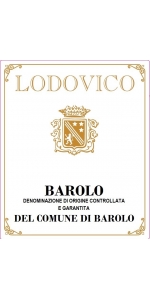
Lodovico Barolo di Barolo is made from 100% Nebbiolo.
Barolo di Barolo is a blend of 2 different vineyards in Barolo: PREDA and SARMASSA, both in the village of Barolo. The somewhat different soils, exposures and microclimates of the Preda and Sarmassa vineyards combine to produce a well-balanced, harmonious wine packed with the fresh, elegant aromas supplied by La Preda, and the full body and structure catered for by Sarmassa.
Loads of blackberry and red berry with vanilla oak character. full and concentrated, displaying seamless tannins and gorgeous fruit. Complex and complete, full-bodied, with lots of fruit and round tannins. It's long and fruity. It will be at its best after 2-3 years stored lying down in cool, dark surroundings. Serving recommended in large glasses at a temperature of 17-18°C.
“1752” is the name of the Damilano Barolo Cannubi Riserva, in honor of the year in which the historic bottle was first marked “Cannubi”. It still exists today perfectly conserved by the Manzone family in Bra, close to Barolo. The bottle is clearly marked as being of “1752” vintage, indicating that Cannubi historically precedes Barolo.
About the Vineyard:
The Cannubi Cru is in found within one of the 6 core zones which comprise a UNESCO heritage site in Italy. A mixture of Tortonian and Helvetian calcareous marl gives the grapes intense aromas of cherry, plum and tobacco, rose and violet in sequence. Its low potassium and high calcium/magnesium content offer the wine a fine and polished touch. The vineyard is located at about 270 m. a.s.l. and has a south-east sun exposure. Barolo Riserva Cannubi 1752 It is a small plot of about 2 hectares of Nebbiolo vines, currently between 30 and 50 years of age.
Tasting Notes:
Garnet ruby red in color, the bouquet is intense and balanced, with notes of violet, red fruit, cherry and plum, spices, liquorice, cocoa, leather and tobacco. Dry, robust, full-bodied, very persistent, rich and velvety
Food Pairing:
This wine is excellent with typical piedmontes pasta (tajarin, ravioli); perfect with red meat, braised and roast meat, game and absolutely ideal with all types of cheeses.
Review:
“Incredible, reserved ripeness and depth already evident on the nose after one whiff, offering plum, cedar, rose hip, sandalwood, and licorice. Full-bodied with superb depth of fruit and an abundance of polished tannins that give the wine poise and grace, even though it’s long and powerful. The quality of the tannins are exceptional. Sheer and refined. This comes from the center of Cannubi.”
-James Suckling 99 Points
“1752” is the name of the Damilano Barolo Cannubi Riserva, in honor of the year in which the historic bottle was first marked “Cannubi”. It still exists today perfectly conserved by the Manzone family in Bra, close to Barolo. The bottle is clearly marked as being of “1752” vintage, indicating that Cannubi historically precedes Barolo.
About the Vineyard:
The Cannubi Cru is in found within one of the 6 core zones which comprise a UNESCO heritage site in Italy. A mixture of Tortonian and Helvetian calcareous marl gives the grapes intense aromas of cherry, plum and tobacco, rose and violet in sequence. Its low potassium and high calcium/magnesium content offer the wine a fine and polished touch. The vineyard is located at about 270 m. a.s.l. and has a south-east sun exposure. Barolo Riserva Cannubi 1752 It is a small plot of about 2 hectares of Nebbiolo vines, currently between 30 and 50 years of age.
Tasting Notes:
Garnet ruby red in color, the bouquet is intense and balanced, with notes of violet, red fruit, cherry and plum, spices, liquorice, cocoa, leather and tobacco. Dry, robust, full-bodied, very persistent, rich and velvety
Food Pairing:
This wine is excellent with typical piedmontes pasta (tajarin, ravioli); perfect with red meat, braised and roast meat, game and absolutely ideal with all types of cheeses.
Review:
The purity of this wine is pretty phenomenal with blackberries, strawberries, fresh flowers and licorice. Hints of tar. It’s full-bodied, yet composed and compact with ultra fine tannins and a long, flavorful finish. Very structured. Try after 2024.
-James Suckling 97 Points
“1752” is the name of the Damilano Barolo Cannubi Riserva, in honor of the year in which the historic bottle was first marked “Cannubi”. It still exists today perfectly conserved by the Manzone family in Bra, close to Barolo. The bottle is clearly marked as being of “1752” vintage, indicating that Cannubi historically precedes Barolo.
About the Vineyard:
The Cannubi Cru is in found within one of the 6 core zones which comprise a UNESCO heritage site in Italy. A mixture of Tortonian and Helvetian calcareous marl gives the grapes intense aromas of cherry, plum and tobacco, rose and violet in sequence. Its low potassium and high calcium/magnesium content offer the wine a fine and polished touch. The vineyard is located at about 270 m. a.s.l. and has a south-east sun exposure. Barolo Riserva Cannubi 1752 It is a small plot of about 2 hectares of Nebbiolo vines, currently between 30 and 50 years of age.
Tasting Notes:
Garnet ruby red in color, the bouquet is intense and balanced, with notes of violet, red fruit, cherry and plum, spices, liquorice, cocoa, leather and tobacco. Dry, robust, full-bodied, very persistent, rich and velvety
Food Pairing:
This wine is excellent with typical piedmontes pasta (tajarin, ravioli); perfect with red meat, braised and roast meat, game and absolutely ideal with all types of cheeses.
Review:
Reviews:
On the savory side, this red opens with freshly mowed grass, hay and eucalyptus aromas before revealing cherry, strawberry, rose and mineral flavors. Fleshy, with a matrix of dense tannins flexing their muscles on the finish. Shows excellent potential. Best from 2023 through 2042.
-Wine Spectator 96 Points
Floral and red fruit nose. Supple attack, very polished and concentrated, with fine-grained tannins and ample acidity. This has a linear drive, precision. and a very long finish. The rewards will be substantial for the patient consumer.
-Decanter 97 Points
Segries Tavel Rose is made from 50% Grenache, 30% Cinsault, 15% Clairette, 5% Syrah.
The age of the vines is 30 years. Traditional vinification at low temperature, "vin de saignée" with a maceration during one night in cement vat.
This is large for a Rose...structured and focused, with the color of dark ruby. The nose is loaded up with fresh fruit. Strawberry, blackcurrant, and raspberry beam from the glass. On the palate, the mouth-feel is ripe and succulent. It has strength, but maintains its fresh and crisp expression. The finish is filled with Asian spice and slight hints of smoke. Drink this juice now or over the next year or two.



