" We don't sell the wine without touching the vine "
| Country: | France |
| Region: | Beaujolais |
| Winery: | Manoir du Carra |
| Grape Type: | Gamay |
| Organic: | Yes |
| Vintage: | 2020 |
| Bottle Size: | 750 ml |
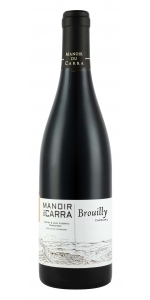
Manoir du Carra Beaujolais Cru Brouilly Terre de Combiaty is 100% Gamay.
Parcels are in the place called “Combiaty”, within the village of St Etienne la Varenne. The soils are dry, made of pink granite, which gives the wine its typicity. Yield is 45-50hl/ha
Nice ruby color, subtle red fruit aromas of raspberry and wild strawberry with floral hints of hyacinth and violet. Full bodied with soft tannins, this Brouilly is best enjoyed young.
Manoir du Carra Beaujolais Cru Fleurie Clos des Deduits is made from 100% Gamay grapes coming from the lieu dit "Montee de la Tonne".
The vineyard measures 1.5 hectare and the average age of the vines is 50 years. Yield: 48 hl/ha
Manual harvest; Semi-carbonic maceration for 10-12 days; Aging in Foudre for 3-4 months; Slight filtration.
Intense red color, subtle fruity and floral aromas of violet, berry and cinnamon. Ample in the mouth, fruit flavors. Even better after a few years of cellaring.
Excellent with red and game meats, and cheeses.
Manoir du Carra Beaujolais Cru Fleurie Clos des Deduits is made from 100% Gamay grapes coming from the lieu dit "Montee de la Tonne".
The vineyard measures 1.5 hectare and the average age of the vines is 50 years. Yield: 48 hl/ha
Manual harvest; Semi-carbonic maceration for 10-12 days; Aging in Foudre for 3-4 months; Slight filtration.
Intense red color, subtle fruity and floral aromas of violet, berry and cinnamon. Ample in the mouth, fruit flavors. Even better after a few years of cellaring.
Excellent with red and game meats, and cheeses.
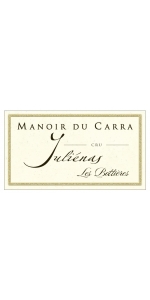
The 2005 vintage was the Sambardier family's first release of the Juliénas, the oldest Cru of Beaujolais, that was named for the famous Roman Emperor Julius Caesar.
The vineyards are located in the lieu-dit "En bottiere" on granite and schist soil types.
Young and dynamic winemaker Frederic Sambardier only produces 4,800 bottles or 400 cases (12/750ml) from 0.8 hectare (1.97 acre). The vines average over 50 years old. Skin maceration during fermentation for 10-12 days. Finally, the wine has had 4 months of aging in foudre (large barrel). Egg white fined, the wine is bottled unfiltered.
Imported - 150 cases 6/750 ml
Beautiful ruby red color. Pleasing and graceful, this full-bodied Julienas displays spices and ripe red and black fruit aromas (red currant, blackberry). This well balanced wine shows soft tannins and a long lasting finish. Excellent now, it will show even better after a few years of cellaring.
This is a perfect match with game, poultries, white meats and cheeses or even by itself as an aperitif.
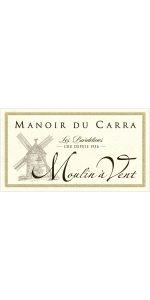
Manoir du Carra Beaujolais Cru Moulin a Vent Les Burdelines is made from 100 percent Gamay,
Cru Moulin-à-Vent is called the “King of Beaujolais” and is known to age the longest and be the most tannic. Measuring 660 hectares (1,630 acres) in size, there are 280 examples of this AOC on the market.
The wine is produced in the lieu-dit “Les Burdelines”, which belongs to the 18 'climates' registered by the National Institute for Designations of Origin.
Intense color between garnet and deep ruby. Red fruit nose with floral, smoky and forest notes. The mouth is rich and well structured. In a few years the aromas will evolve towards more spice, musk and venison
Manoir du Carra Bistrot Beaujolais-Villages is made from 100 percent Gamay.
From Granitic and sandy soils, the Beaujolais-Villages Carra Bistrot exhibits intense color, with hints of cherry and garnet, and to reveal aromas of red fruit dominated by cassis and strawberry. This Cuvée was specially made for the Parisian Bistrots willing to offer easy drinking wines, with enough body to withstand local Cuisine from the Beaujolais region.
Produced from a selection of old vines (50-70 years old). Manual harvest; selection of the best grapes using a sorting table; semi-carbonic maceration for 10-12 days. No filtration. Egg white fining.
Great with coq au vin (Chicken cooked in a red wine sauce) or charcuterie (garlic sausage, dry sausage).
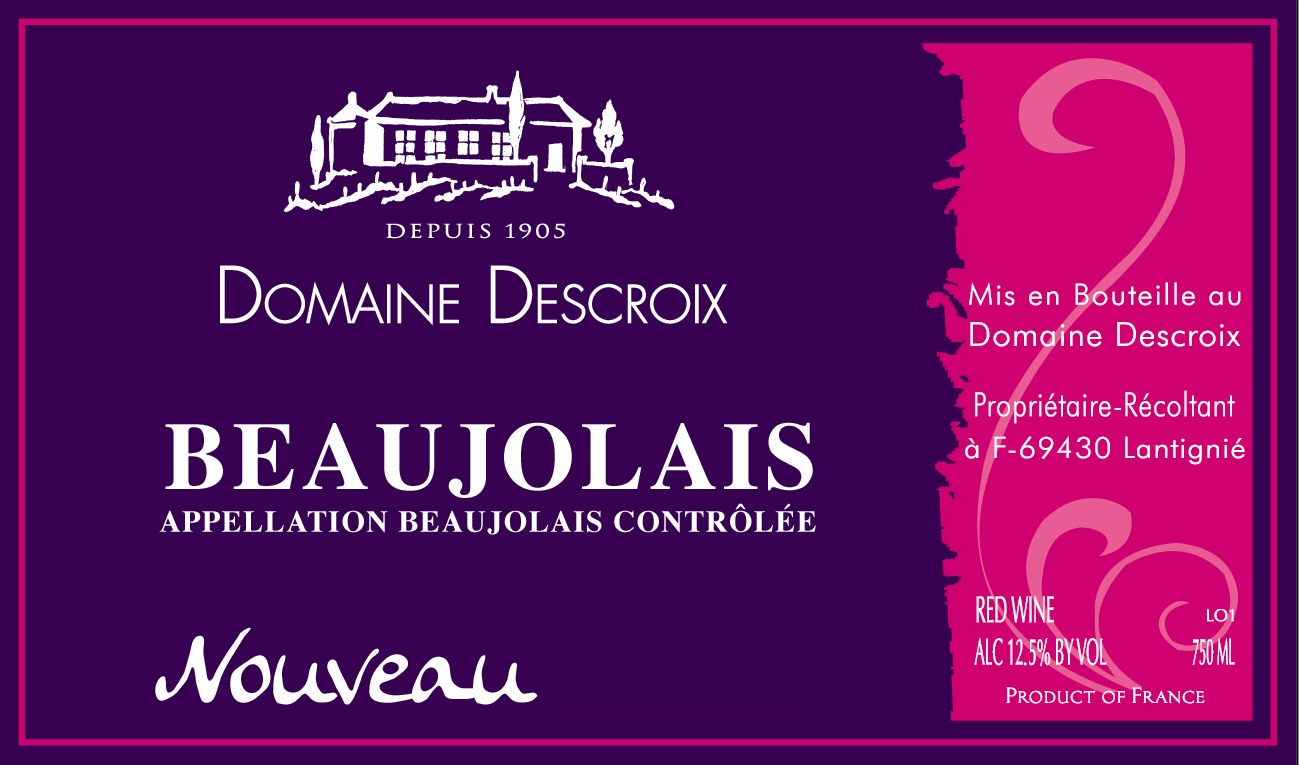
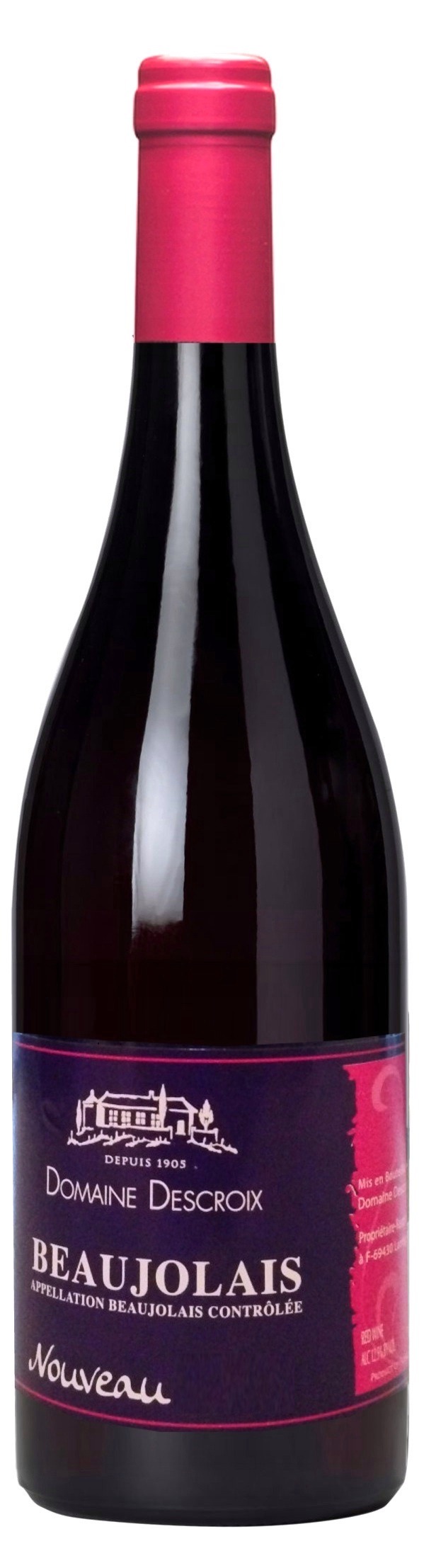
Manoir Carra Beaujolais Nouveau is made from 100 percent Gamay.
Redolent of strawberries and roses, fragrant and medium bodied. Refreshing, tart finish.
Average age of the vines: 30 years old (between 20 and 60 years old). Skin contact maceration: between 2 and 5 days depending on the parcels.
Beaujolais-Nouveau has been very popular with almost every Thanksgiving dish - from turkey to ham, green beans to mashed potatoes, and gravy to cranberry sauce.
The Domaine Manoir du Carra Estate
Domaine Manoir du Carra is located in the small town of Denice, 5 km from Villefranche-sur-Saone, 45 km south of Mâcon and 40 km north of Lyon. The property dates back to 1850, and has been bequeathed from father to son for five generations. It is now owned by Jean-Noel Sambardier and his wife. Like many Beaujolais producers, part of their wine is sold to negociant, to which they sell at least 25% of their production each year.
The Domaine Manoir du Carra Vineyard
30 hectares (74.10 acres) total, divided along the North-South axis between Beaujolais A.O.C (10 ha= 24.70 acres) and Beaujolais-Villages A.O.C. (20 ha=49.40 acres). The Sambardiers own 50 vineyard plots. The vines are 50-100 years old. Yields are 55 hl/ha.
“1752” is the name of the Damilano Barolo Cannubi Riserva, in honor of the year in which the historic bottle was first marked “Cannubi”. It still exists today perfectly conserved by the Manzone family in Bra, close to Barolo. The bottle is clearly marked as being of “1752” vintage, indicating that Cannubi historically precedes Barolo.
About the Vineyard:
The Cannubi Cru is in found within one of the 6 core zones which comprise a UNESCO heritage site in Italy. A mixture of Tortonian and Helvetian calcareous marl gives the grapes intense aromas of cherry, plum and tobacco, rose and violet in sequence. Its low potassium and high calcium/magnesium content offer the wine a fine and polished touch. The vineyard is located at about 270 m. a.s.l. and has a south-east sun exposure. Barolo Riserva Cannubi 1752 It is a small plot of about 2 hectares of Nebbiolo vines, currently between 30 and 50 years of age.
Tasting Notes:
Garnet ruby red in color, the bouquet is intense and balanced, with notes of violet, red fruit, cherry and plum, spices, liquorice, cocoa, leather and tobacco. Dry, robust, full-bodied, very persistent, rich and velvety
Food Pairing:
This wine is excellent with typical piedmontes pasta (tajarin, ravioli); perfect with red meat, braised and roast meat, game and absolutely ideal with all types of cheeses.
Review:
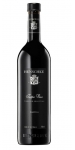
The Barossa has a core of traditional growers of German Silesian descent, dating back five generations, staunchly continuing on the traditions of their forebears. Occasionally one or two parcels of fruit of overwhelming quality come over the weighbridge; this is such an example. This wine is sourced from up to 70-year-old, low-yielding shiraz vines from a selection of historical grower vineyards at Tappa Pass and Light Pass, growing in low-fertility Neoproterozoic soils more than 542 million years old, that range from red-brown earths to terra rossa. These vineyards provide shiraz fruit from both the Eden and Barossa Valleys of the Barossa zone, vinified in traditional open-top fermenters. Matured in 24% new and 76% seasoned French hogsheads for 18 months prior to blending and bottling.
Deep crimson with violet hues. Vibrant aromas of blueberry, blackberry, Satsuma plum and raspberry with hints of anise, crushed marjoram, cardamom, violets and cedar. The palate is rich, plush, and complex, with juicy blueberry and mulberry, spicy blackberry paste, and layers of fine velvety tannins creating incredible depth and length.
Review:
This was an excellent vintage in the Barossa and this exceptional wine from 70-year-old low yielding vines is a beautiful expression of the season. Dark plummy dark chocolate characters with a dry dusty complexity. The palate is sublimely integrated and balanced, exhibiting poise and style. The sweet fruit on the middle palate is complemented by the minerally oyster shell edge. Terrific wine.
-Wine Pilot 96 Points