" We don't sell the wine without touching the vine "
| Country: | France |
| Regions: | Loire Sancerre |
| Winery: | Michel Thomas |
| Grape Type: | Sauvignon Blanc |
| Vintage: | 2021 |
| Bottle Size: | 750 ml |
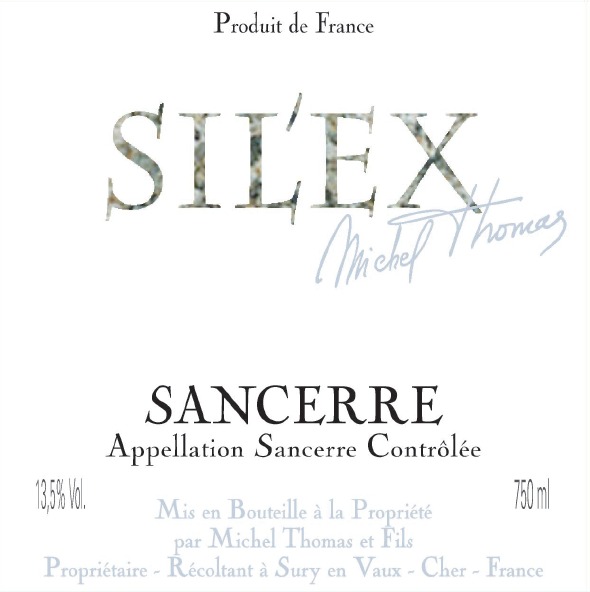
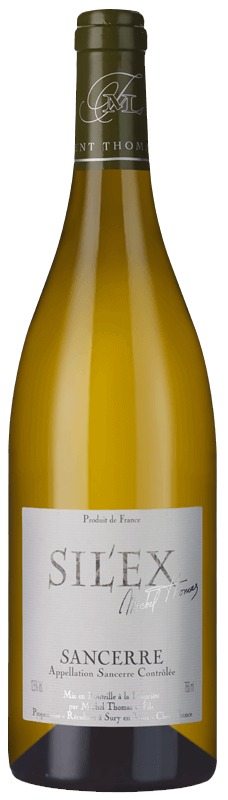
Michel Thomas Sancerre Blanc Silex is 100 percent Sauvignon Blanc.
Intensely aromatic and concentrated Sauvignon from the Silex soils, this is a wine of great concentration and excellent balance. Aromas of fresh herbs, with flavors of citrus, ripe gooseberry, apple and a hint of gunflint. A delicious apéritif and the classic match for goat cheese or asparagus.
The special bottling "Silex" is limited each year to between 400-500 cases. They grow grapes on three soil types: 40% Terre Blanche-Argilo-Calcaire, 40% Caillottes-calcaire, 20% Le Roc-Silex. This wine come from the hardest stone soil on the vineyard giving it pleasant notes of fruit and a very dry flavor: This wine is bottled using traditional methods without filtration, allowing for a authentic and natural taste to the wine.
A delicious apéritif and the classic match for goat cheese or asparagus.
Michel Thomas Sancerre Blanc is 100% Sauvignon Blanc (40% Caillottes, 40% Grosses Terres, 20% Silex)
The wine displays an exotic nose with a touch of smoke and licorice. On the palate, peach and watermelon dominate with citrus zest and chalk notes.
Aged on the lees for a few months (no oak). It goes well with seafood, fish, goats cheese.
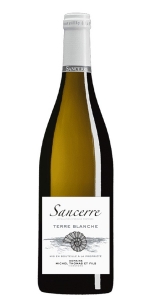
Thomas Sancerre Blanc Cuvee Terre Blanche is made from 100 percent Sauvignon Blanc.
A typical Sancerre with citrus, honey, and flint notes, supple and fragrant. The palate is fresh, with grapefruit and lemon flavors and a pleasant minerality throughout.
Thomas Sancerre Blanc Terre Blanche was fermented in part Oak foudre (Cuve tronconique) and part 400-liter oak barrels for 18 Months.
Pair with grilled fish with lemon sauce, caesar salad with chicken as well during the spring or summer time.
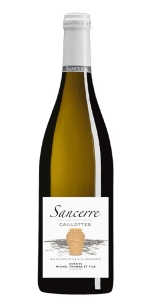
From the caillottes soil type.
A Sancerre fermented and aged in amphorae, straw-colored, with full aromas and a beautiful complexity: grapefruit, honeysuckle, orange blossom and a pinch of curry. A fine sweetness coats an expressive, dynamic and juicy mouth, with a zesty accent. Complete, persistent, its place is at the table, on fish with fennel for example.
A pure expression of Sancerre’s classic terroir. Grown on the appellation’s prized Caillottes soils — shallow, stony limestone mixed with gravel — this Sauvignon Blanc delivers exceptional elegance and vibrancy. The well-draining stones promote deep rooting and early ripening, yielding a wine with bright aromatics of citrus, white peach, fresh herbs, and wet stone. Crisp, lively acidity and a refined, mineral-driven finish make this the quintessential Sancerre — refreshing, aromatic, and perfectly balanced. Ideal as an aperitif or with shellfish, goat cheese, and fresh seafood.
Only 1000 bottles produced.
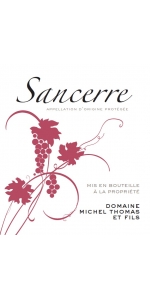
Thomas Sancerre Rose is made from 100% Pinot Noir.
Vines are 20-55 years old.
Terroir (soil type) is a blend of "Caillottes" and "Terre Blanche".
Everything is machine harvested (which means it is 100% destemmed).
50% Direct press + 50% Saignée (bled) with 12-24 hours of skin contact maceration.
The alcoholic fermentation is done in temperature controlled stainless steel tanks.
Right before bottling, the wine is fined with Bentonite (very light filtration with oenologic clay).
Tasting Notes:
Light, bright pink. Redcurrant, strawberry and chalk on the nose, with a touch of singed orange gaining strength with air. Dusty red fruit and citrus flavors are braced by tangy minerality, which adds lift and cut. Uncompromising in the best way, finishing with excellent clarity and echoes of lemon and orange zest.
Food pairings:
This is a very versatile wine. You can have it on its own in the summer time as an apéritif. But it is also excellent with Hors d'Oeuvres and terrines. It will compliment any white meat dish and poultry. You can also enjoy it with salmon or exotic food (slightly spicy sushi).
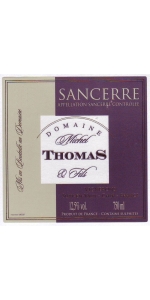
Michel Thomas Sancerre Blanc is 100% Sauvignon Blanc (40% Caillottes, 40% Grosses Terres, 20% Silex)
The wine displays an exotic nose with a touch of smoke and licorice. On the palate, peach and watermelon dominate with citrus zest and chalk notes.
Michel Thomas Sancerre Blanc Silex is 100 percent Sauvignon Blanc.
Intensely aromatic and concentrated Sauvignon from the Silex soils, this is a wine of great concentration and excellent balance. Aromas of fresh herbs, with flavors of citrus, ripe gooseberry, apple and a hint of gunflint. A delicious apéritif and the classic match for goat cheese or asparagus.
The special bottling "Silex" is limited each year to between 400-500 cases. They grow grapes on three soil types: 40% Terre Blanche-Argilo-Calcaire, 40% Caillottes-calcaire, 20% Le Roc-Silex. This wine come from the hardest stone soil on the vineyard giving it pleasant notes of fruit and a very dry flavor: This wine is bottled using traditional methods without filtration, allowing for a authentic and natural taste to the wine.
A delicious apéritif and the classic match for goat cheese or asparagus.
The Domaine Michel Thomas Estate
Michel Thomas and his son Laurent took over the estate in 1970 from Michel's father, who started in 1946. The total production is about 10,000-12,000 cases per year. They export 65-70% of their production, mainly to Japan and Russia.
The Domaine Michel Thomas Vineyard
Today they farm 40 parcels located in four villages, totalling 17 hectares (42 acres): 11 hectares Sauvignon, 6 hectares Pinot Noir. The special bottling "Silex" is limited each year to between 400-500 cases. They grow grapes on three soil types: 40% Terre Blanche-Argilo-Calcaire, 40% Caillottes-calcaire, 20% Le Roc-Silex.
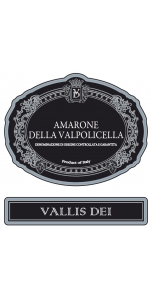
Cantina di Verona Amarone Valpolicella Vallis Dei is made from 65% Corvina Veronese, 30% Rondinella, 5% Molinara
Color: deep ruby red
Nose: Dried prune and blackberry with hints of vanilla and spice
Mouth: It is generously structured and velvety.
Yield: 8000 kg of grapes per hectar – after which the grapes are dried “appassimento”
Grapes are raisin-dried for at least 4 months after harvesting, losing at least 40% of their weight. It is made from selected grapes which are left to dry on racks in specially ventilated rooms until the end of winter.
Fermentation temperature between 18° and 22°C
Maceration time: 20 days
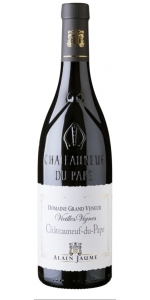
Grand Veneur Chateauneuf Du Pape Vieilles Vignes is made from 50% Grenache, 40% Mourvedre, 10% Syrah
Matured in concrete vats (40%) and oak casks (60%)
It boasts an inky/purple color in addition to a gorgeous perfume of crushed rocks, jammy black fruits, charcoal and graphite. Blackberry aroma with an air of dates pressed in alongside – this is sweet-noted. It is easy to appreciate, a sleek and stylish start. The palate holds excellent fruit that runs well and has kick. Its tannins move round freely and a minted finale comes forward. Its dark fruit is tasty, darkens on the finish, where tar and char from its oak enter. It is all very much together, a bundle of harmony, and will gain local attributes as it ages.
An outstanding Chateauneuf du Pape which display the best of its terroir.
The vines are 50 to 100+ year old. They are planted on red clay soils covered with pebble stones.
Harvest is destemmed and crushed. Fermentation temperature is controlled at 30°C. Vatting period of 18 to 20 days. Matured in concrete vats (40%) and oak casks (60%).
The vineyards are located in the north of Châteauneuf du Pape. GRAND VENEUR «Vieilles Vignes» cuvee is produced from the older vines. Thanks to time and an organic growing, roots go very deep in the soil. Yields are naturally low and grapes highly concentrated.
The vines are 50 to 100+ year old. They are planted on red clay soils covered with pebble stones.
Winemaking and aging
Harvest is destemmed and crushed. Fermentation temperature is controlled at 30°C. Vatting period of 18 to 20 days. Matured in concrete vats (40%) and oak casks (60%).
Pair with venisson, duck, braised lamb or strong cheese.
Review:
he 2021 Châteauneuf Du Pape Vieilles Vignes is even more powerful, with a dense purple color as well as serious notes of blackberries, currants, ground pepper, graphite, chocolate, and violets. I love its mid-palate density, it's medium to full-bodied, has building tannins, and a great finish. It's going to need short-term cellaring, but it’s one heck of an impressive 2021."
- Jeb Dunnuck (November 2021),94-96 pts
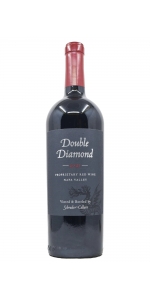
Double Diamond Oakville Proprietary Red is made from 50% Cabernet Sauvignon, 25% Merlot, and 25% Cabernet Franc.
"The inaugural release of the 2021 Proprietary Red Wine upholds the level of excellence expected from winemaker Thomas Rivers Brown. It expresses a fragrant perfume of ripe red cherry, blueberry, and pomegranate, mingled with bell pepper, iron, and vanilla bean. On the palate, generous red and blue fruits are complemented by blackberry compote, dark chocolate, and espresso. The wine has silky tannins, food-friendly acidity, and a lingering finish. It is ready to drink upon release but will cellar well for years to come."
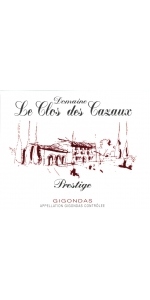
Cazaux Gigondas Cuvee Prestige is made from 50% Grenache, 30% Syrah, and 20% Mourvèdre.
A blend of Grenache, Syrah and Mourvedre produced from the oldest vines of the estate and only in the years of highest grape quality. Aromas of prune, chocolate, spices, fruit brandy and plum. Rounded tannins and a long finish.
Red meats aged, venison
Review:
"I was also able to taste the late-release 2020 Gigondas Cuvée Prestige, which is 50% Grenache, 30% Syrah, and 20% Mourvèdre that was brought up in barrel. It has a rocking nose of Provençal spices, saddle leather, dried flowers, and assorted strawberry and raspberry fruit. It's medium to full-bodied, has fine tannins, beautiful overall balance, and a great finish. Count me in as a fan. Enjoy bottles any time over the coming 7-8 years."
- Jeb Dunnuck (October 30th 2023), 94 pts
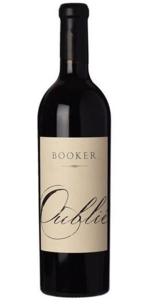
Booker Vineyard Oublie Red is made from 33% Syrah, 30% Grenache, 28% Mourvèdre, 5% Tannat, 4% Petite Sirah
Oublié's blend is always Grenache, Syrah and Mourvèdre – the California version of a Châteauneuf du Pape. The namesake is a play on the French term for "forgotten." Rhône varietals grow beautifully on the estate and Booker believes that they are far-too-often forgotten when you think of a California wine. Deep ruby/purple in color, this hearty expression of a Paso GSM boasts confident notes of boysenberry, licorice and cedar on the nose. On the palate, the taster is rewarded with lively flavors of raspberry coulis mingled with blonde roast coffee and chocolate ganache. For lovers of Mourvèdre, this vintage of Oublié will show off. It drinks bolder than prior vintages, mostly because the Mourvèdre was so special in '19.
Oublié is traditionally one of Booker's most food-friendly wines and should pair well with most dishes.
Review:
The 2019 Oublié is a blend of Syrah, Mourvèdre, Tannat and Petite Sirah with a medium ruby-purple color. The nose offers gregarious mixed berry preserves and accents of potpourri, mint and fragrant earth. The palate offers juicy appeal and powerful fruit with loads of spice and floral perfume, bursts of freshness and firm, pleasantly rustic tannins, finishing very long.
-Wine Advocate 97 Points
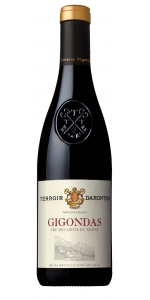
The Gigondas appellation is naturally delimited by the Dentelles de Montmirail to the east and the upper plateaux of the Ouvèze River to the west. The rugged topography of the Dentelles, amazing limestone pyramids, protects the vines from excessive summer heat and the full force of the mistral. Our vines grow on steep terraces up to 400 metres in altitude.
This Cru Gigondas displays a fine balance between freshness and an impression of sweetness due to old Grenache vines planted at high altitude. The wine is big on the palate, with a dense texture of rich, ripe tannin. Its polished personality reflects a top-rate terroir.
Review:
"Very full, rich and luxurious in style with ripe red berries and some rich, meaty fruit coming through on the palate; grainy and gritty tannins, with plenty to chew on. Feels youthful and tight but harmonious. The lovely acid line brings precision and pep. Tapered finish. Very appealing!"
- Decanter WWA 2022, 96 points and Gold Medal
James Goddard was an ancestor of the Clarke family. Born in West Sussex, England in 1823, James spent his 74 years as a sailor, a whaler, a bullock driver, farmer, prospector, miner and hotel keeper. From an illiterate runaway living rough on the streets of London, he became a rich, successful and admired pillar of South Australian society.
James arrived in Adelaide in 1839 as a 16-year-old sailor. Twelve years later, his life changed forever with the news of gold findings. For the next 20 years, James roamed the country learning the geology that improved his chances of prospecting.
James Goddard Shiraz is made from 100 percent Shiraz.
In 1870, he tried his luck near his farm in the Barossa Valley and discovered the region’s first gold deposits, creating the prosperous Lady Alice Mine. The Lady Alice Mine, though it is no longer operational, was & still is the most successful gold mine in South Australia. From these roots, the Thorn-Clarke family has been connected to the region for the last 150 years.
James Goddard Shiraz is a blend Shiraz sourced from the Milton Park vineyard in the north of Eden Valley, and the St Kitts vineyard in the far northern area of the Barossa. Fruit is harvested in the cool of the night to maintain maximum flavour and freshness and it is fermented for 8 days. The ferment is pumped over twice daily to extract the colour and flavour from the fruit. Once finished fermentation the wine was then matured in a blend of French and American oak for a period of 10 to 12 months depending on the vintage.
Deep vibrant red with purple hues to the rim. The nose shows lifted plums, vibrant purple berries and a delicate spice note. The palate has concentrated satsuma plum, blackberry with lovely charry oak in the background. Long, juicy and even with plush fruit on the finish.
Review:
“Blended from two estate vineyards, St. Kitts and Milton Park, this shiraz offers its richness without any aggression or overt perfume. It’s just lush and delicious, a friendly embrace of firm tannins and purple-red fruit. The texture and flavor combine in a saturated meatiness, for Korean barbecue.”
- Wine & Spirits Magazine, 92 points
Hansen Lauer Sekt Riesling Brut is made from 100 percent Riesling grown on Devonian slate.
A very fine bubbles along with a very nice fruit (apple, pear, citrus) and minerality coming from the stony (slate) vineyards.
Production techniques: the Sekt is bottle fermented, stayed on the lees for 12 months, thus giving it very fine bubbles along with a very nice fruit and minerality.
The vineyard sites are Bernkasteler Graben, Bernkasteler Badstube, Bernkasteler Bratenhöfchen, Graacher Himmelreich. The vineyards are situated at the beginning of a long stretch of approx. 2 million vines.
Enjoy on its own as an aperitif or with delicate food, such as pike, lobster and scalops.