" We don't sell the wine without touching the vine "
| Country: | Spain |
| Region: | Rioja |
| Winery: | Montebuena |
| Grape Type: | Tempranillo |
| Vintage: | 2013 |
| Bottle Size: | 750 ml |
Importer Sale!
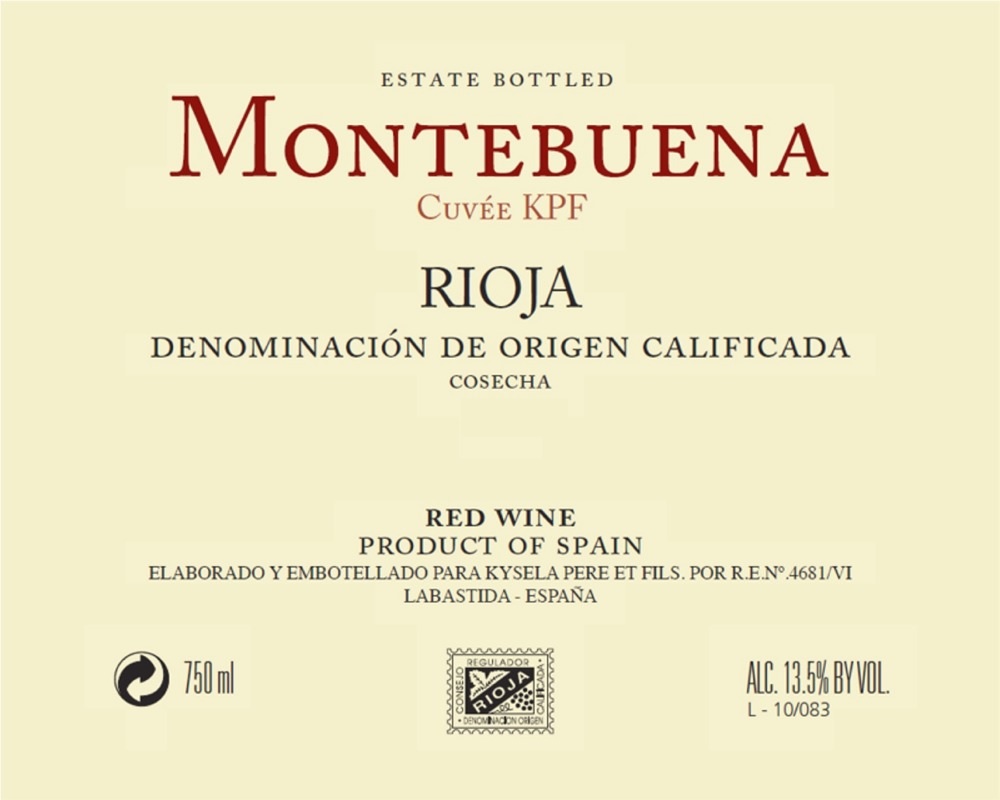
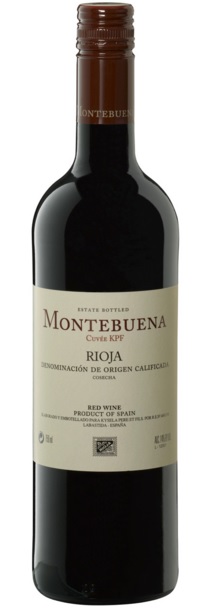
Produced from 100% Tempranillo grapes, which are hand harvested from the Montebuena vineyard.
Brilliant deep ruby red color, fruity aromas .
Montebuena Red has a spicy vanilla bouquet and is smooth and fruity in the mouth with some well-integrated secondary nuances, full-flavored and a persistent pleasant finish. Pairs well with beef & lamb dishes, stews & cheeses.
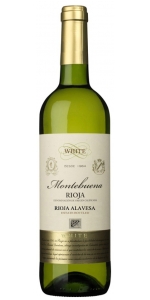
Montebuena Blanco is made from 80% Viura and 20% Tempranillo Blanco.
What truly sets Montebuena apart is its unique position where the Ebro river is closest to the Sierra Cantabria mountains, creating a blend of Mediterranean and Continental climates that prevents an excess of rain and extreme cold. In addition, the shallow, calcareous soil limits the yield of the harvest and the size of the grapes while increasing the volume of the skins, resulting in deeper color and a greater concentration of flavor.
Montebuena Blanco is straw yellow colored, translucent with greyish hues at the edges. Dominant white fruit aromas of apple and ripe banana on the nose with citrus notes in the background. Fresh and intense on the palate, although the acidity gradually smoothes out as the wine passes through the mouth and gives way to sweetness combined with a slightly bitter note and silky feel that balances the first sensation.
Fresh salads and vegetables, grilled fish, young cheeses, seafood and shellfish.
Montebuena Blanco is made from 80% Viura and 20% Tempranillo Blanco.
What truly sets Montebuena apart is its unique position where the Ebro river is closest to the Sierra Cantabria mountains, creating a blend of Mediterranean and Continental climates that prevents an excess of rain and extreme cold. In addition, the shallow, calcareous soil limits the yield of the harvest and the size of the grapes while increasing the volume of the skins, resulting in deeper color and a greater concentration of flavor.
Montebuena Blanco is straw yellow colored, translucent with greyish hues at the edges. Dominant white fruit aromas of apple and ripe banana on the nose with citrus notes in the background. Fresh and intense on the palate, although the acidity gradually smoothes out as the wine passes through the mouth and gives way to sweetness combined with a slightly bitter note and silky feel that balances the first sensation.
Fresh salads and vegetables, grilled fish, young cheeses, seafood and shellfish.
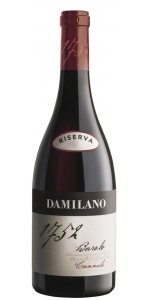
“1752” is the name of the Damilano Barolo Cannubi Riserva, in honor of the year in which the historic bottle was first marked “Cannubi”. It still exists today perfectly conserved by the Manzone family in Bra, close to Barolo. The bottle is clearly marked as being of “1752” vintage, indicating that Cannubi historically precedes Barolo.
About the Vineyard:
The Cannubi Cru is in found within one of the 6 core zones which comprise a UNESCO heritage site in Italy. A mixture of Tortonian and Helvetian calcareous marl gives the grapes intense aromas of cherry, plum and tobacco, rose and violet in sequence. Its low potassium and high calcium/magnesium content offer the wine a fine and polished touch. The vineyard is located at about 270 m. a.s.l. and has a south-east sun exposure. Barolo Riserva Cannubi 1752 It is a small plot of about 2 hectares of Nebbiolo vines, currently between 30 and 50 years of age.
Tasting Notes:
Garnet ruby red in color, the bouquet is intense and balanced, with notes of violet, red fruit, cherry and plum, spices, liquorice, cocoa, leather and tobacco. Dry, robust, full-bodied, very persistent, rich and velvety
Food Pairing:
This wine is excellent with typical piedmontes pasta (tajarin, ravioli); perfect with red meat, braised and roast meat, game and absolutely ideal with all types of cheeses.
Review:
The purity of this wine is pretty phenomenal with blackberries, strawberries, fresh flowers and licorice. Hints of tar. It’s full-bodied, yet composed and compact with ultra fine tannins and a long, flavorful finish. Very structured. Try after 2024.
-James Suckling 97 Points
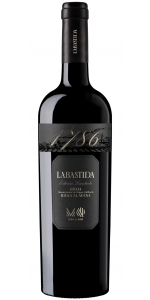
Labastida 1786 Rioja Alavesa Edicion Limitada is made from 100% Tempranillo.
Color: A deep cherry-red wine with a medium-high depth.
Nose: Aromas of black fruit and fruit compote, spices, bakery and dairy products.
Palate: A long retro nasal sensation, that lasts on the palate. Elegant and silky with delicate red fruit.
RS: 1.6 g/L
TA: 5.26 g/L
pH: 3.68
This wine pairs well with roast chicken and turkey, bluefish (salmon etc.), stews, vegetable dishes and semi-cured cheeses.
Review:
"Intense savoriness and depth with spicy and smoky nuances lining the grippy tannins. This shows deft integration of wood. Flavors of prune, cranberry, blackcurrant and pear peel, with crunchy verve throughout. Moreish notes of manzanilla olives, curry leaf and saffron. Really vibrant energy and pull on the finish."
Decanter (March 7th 2025), 94 pts
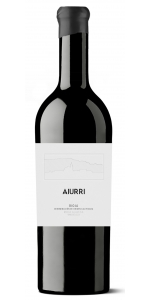
Aiurri Rioja is made from 80% Tempranillo, 15% Grenache, 5% Graciano.
Chalky, mineral and pure, with blood orange and blackberry fruit and scented oak. "Aroma: Complex and intense, where black fruits accompany spicy notes, highlighting black pepper and licorice. In the background, the notes of aging appear, with tones of dry tobacco and leaf litter. Taste: Powerful wine with good structure, but at the same time with notable freshness. It generates very pleasant and elegant tactile sensations. It is a wine where balance, concentration and sensations of fullness prevail. Color: Deep cherry color with a high layer."
Review:
"A superb first release from Ribera del Duero-based Pago de Carraovejas, Aiurri is effectively a village wine from Leza, using grapes from seven parcels in the village. Structured, layered and refreshing, it's an organically farmed field blend of Tempranillo with small amounts of red and white grapes. Chalky, mineral and pure, with blood orange and blackberry fruit and scented oak. 2025-32."
- Tim ATKIN (Rioja 2024 Special Report), 94 pts
Produced from 100% Tempranillo grapes, which are hand harvested from the Montebuena vineyard.
Brilliant deep ruby red color, fruity aromas .
Montebuena Red has a spicy vanilla bouquet and is smooth and fruity in the mouth with some well-integrated secondary nuances, full-flavored and a persistent pleasant finish. Pairs well with beef & lamb dishes, stews & cheeses.
The Montebuena Estate
In the mid-1960s, 70% of the winegrowers (175 vintners) decided to join forces and found the Unión de Cosecheros of Labastida, which currently ranks as the largest co-operative winery in the Basque Country, with a production capacity of 7 million liters.
Right from the outset, these winegrowers wanted to be involved in the entire process, from cultivating vineyards to barrel-ageing wine to bottling. Towards this end, the co-op has established its own brands and striven to enhance its facilities, equipping them with the most modern equipment available, as with its stainless steel tanks, a cooling unit for regulating fermentation temperatures and new bottling plant.
The Montebuena Vineyards
The ageing of wines has always been one of this winery’s passions and primary concerns. At present, the co-op has 6,000 American oak casks in storage, with an average age of five years.
This wine is one of the absolute benchmarks for fine Priorat, and a reference in Spain. Sourced from 3 small vineyards in the Gratallops, this blend of Grenache and Syrah undergoes strict berry selection and is fermented and aged for 20 months in barrels and amphorae. It is all about dense fruit, exotic spice and licorella minerality, with a freshness and elegance are truly singular, even among the top wines of the appellation.
Review:
A complex bouquet that develops with a little time in the glass from fresh wild berry notes to floral and savoury-herbal nuances with violets and dried thyme. Extremely elegant on the palate, intense yet light-footed and vibrant, with fine-grained, perfect tannins and a long mineral, ethereal and savoury finish.
-Falstaff 100 Points
The 2021 Clos Erasmus is not a shy wine and comes in at 15% alcohol but with a pH of 3.3. The search here is for balance, as power comes as a given in Priorat. It was produced with 70% Garnacha and 30% Syrah, mostly from 40-year-old vines, except for a small plot of around 85-year-old vines. The vineyards are certified organic, and they've practiced biodynamics since 2004 but never got certification. The vinification is simple and the same as for Laurel: the bunches cooled down for 24 hours before being sorted and destemmed, then the grapes were put into the vat, where they warm up and start fermenting with the indigenous yeasts. It was pressed and put in barrels, 40% of them new, where it underwent malolactic and aged for 18 months. It feels like the most elegant and ethereal Erasmus ever despite the 15% alcohol on the label. It's very young and feels a bit shy, slightly developing notes of Mediterranean herbs, wild berries and flowers and is a little closed but very harmonious and insinuating. It's medium to full-bodied, with very fine and elegant but abundant tannins. It does feel lighter than previous vintages, possibly the effect of the cooler year. 3,400 bottles produced. It was bottled in May 2023.
-Robert Parker 99 Points
Ossian Capitel Verdejo is made from 100% Verdejo.
Ossian Capital represents a particular expression of very old Verdejo vines, taking its potential far finesse, elegance and longevity. It is made in selected years with a selection of extraordinary grapes.
Color: Old golden yellow color with greenish reflections.
Aromas: Surprisingly nuanced and profound.
Flavors: Fresh, full and very light.
Review:
This is very old-vine Verdejo – some approaching 200 years – from Nieva, a cool region south of Valladolid in the province of Segovia. Here, the signature sandy soils take centre stage, resulting in a precise and chiselled white wine that shows off the freshness of the area. Typical varietal bitterness (hemp and grapefruit pith) combines with subtle oak to create a mouthwatering and textured white that will certainly develop further over the coming years. Organic.
-Decanter 96 Points
"Smoky and complex, this centenary Verdejo from Nieva balances grapefruit pith and mango with a subtle leesy texture. The oak is understated, allowing Segovia’s hallmark acidity and sandy grip to shine through. Layered, bitter-edged, and mouthwatering, it’s a serious, terroir driven wine with remarkable freshness and a long, mineral finish. 2025-28"
- Tim ATKIN (Discover Spain 2025), 96 pts