" We don't sell the wine without touching the vine "

Mordoree La Remise Rouge Sulfite Free is made from 40% Marselan (Marselan is a cross between Cabernet Sauvignon and Grenache), 40% Merlot, 20% Grenache
Color : deep red
Aromas : red fruits and black fruits (blueberry, blackcurrant) and flowers (violet, peony).
Palate : nice mouth feel, nice freshness
Drink within 3 to 5 years.
With its exceptional resistance to oxidation (due to Marselan) this wine will remain pleasant for a long time after opening the bottle.
Surface : 2 Ha.
Yield : 50 Hl./Ha.
Vineyard age: 15 Years
Terroir : clay and sandy
Harvest : by hand
Vinification : 100% destemmed, 20 days maceration with a maximum of 28°C temperature. Estate bottled.
No Sulfites.
Red meats with sauce, grilled meats, charcuterie, and cheeses.
Mordoree La Remise Rouge Sulfite Free is made from 40% Marselan (Marselan is a cross between Cabernet Sauvignon and Grenache), 40% Merlot, 20% Grenache
Color : deep red
Aromas : red fruits and black fruits (blueberry, blackcurrant) and flowers (violet, peony).
Palate : nice mouth feel, nice freshness
Drink within 3 to 5 years.
With its exceptional resistance to oxidation (due to Marselan) this wine will remain pleasant for a long time after opening the bottle.
Surface : 2 Ha.
Yield : 50 Hl./Ha.
Vineyard age: 15 Years
Terroir : clay and sandy
Harvest : by hand
Vinification : 100% destemmed, 20 days maceration with a maximum of 28°C temperature. Estate bottled.
No Sulfites.
Red meats with sauce, grilled meats, charcuterie, and cheeses.

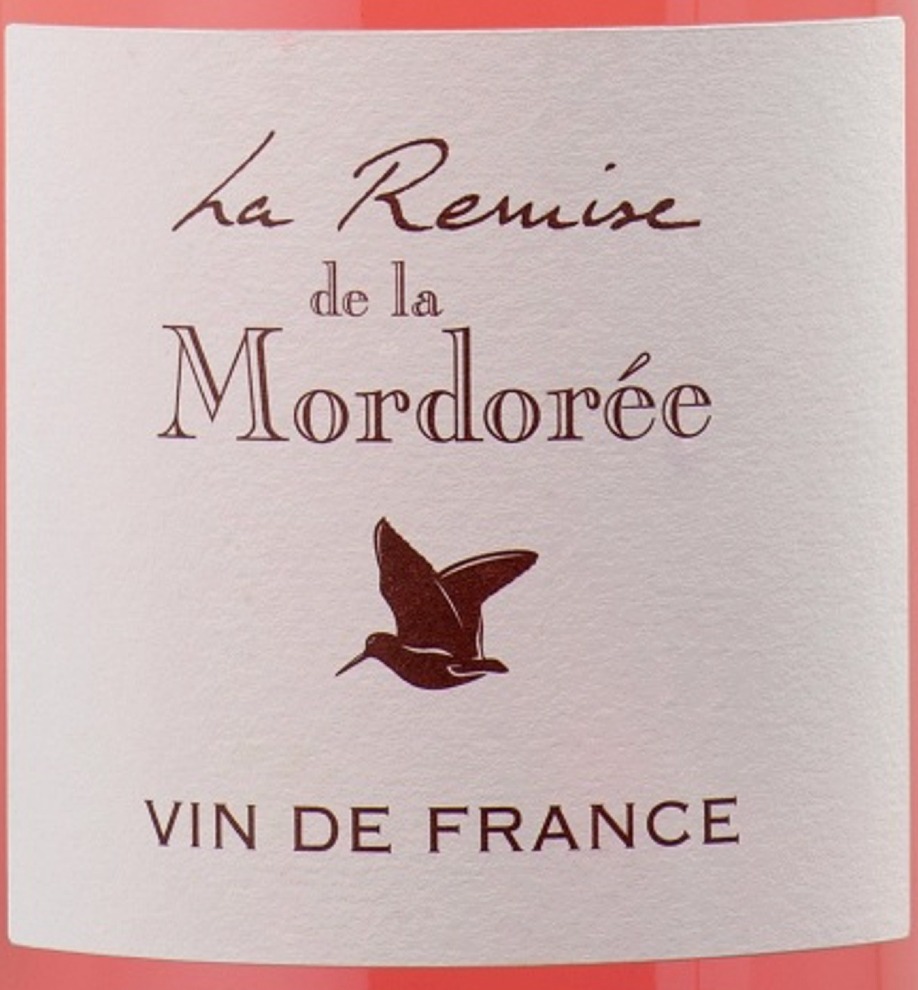
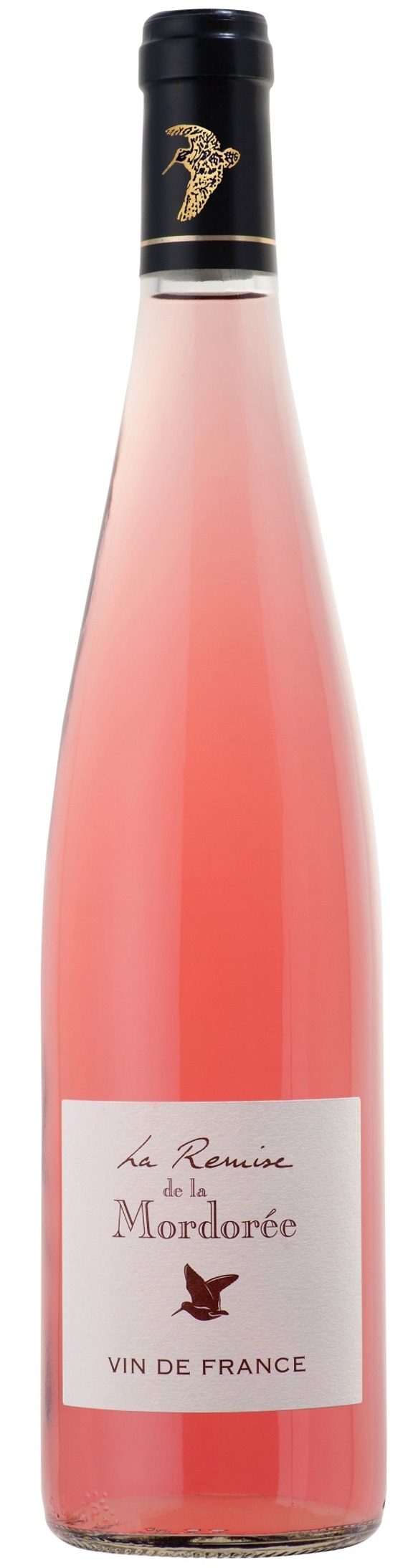
Mordoree La Remise Mordoree Rose is made from Marselan 35% (Marselan is a cross between Cabernet Sauvignon and Grenache) , Merlot 35% Syrah 15%, Grenache 15%.
Color : light rose
Aromas : flower : roses, fruits : strawberry, red currant and citrus
Palate : mouthful, rich.
Best to drink 2 years.
Pairs well with white meats, Asian cuisine and excellent as an aperitif.

Mordoree Chateauneuf-du-Pape La Reine des Bois is made from Grenache 75 %, Mourvèdre 10%, Syrah 10 % , Counoise 3% & Vaccarese 2%.
This premium cuvee - whose name means "Queen of the Woods" - is from 65-year-old vines, planted on Villafranchian-era terrasses. Yield is 30 hl/ha.
Deep ruby red; opaque. Aromas of red fruits change to wooden touches of leather, black truffles and coffee. Fat, concentrated and full flavored with a very long liquoriced and fruity finish.
Pairs with red meats, sauce dishes, game animals (woodcock, wild boar) and semi mature cheeses.
Review:
"The 2020 Châteauneuf Du Pape La Reine Des Bois is a bigger, richer, more structured wine, which is normal. A blend of 80% Grenache, 10% Mourvedre, and the rest equal parts Syrah and Vaccarese, its deeper ruby/purple hue is followed by a brilliant perfume of blackberries, black raspberries, ground pepper, violets, and new saddle leather. Medium to full-bodied and concentrated, with building tannins and great overall balance, it's another wine that shows the style of the vintage brilliantly. It has plenty of up-front charm, but this beauty will evolve nicely for 15-20 years."
- Jeb Dunnuck (November 2022), 96 pts

Mordoree Lirac Blanc Reine des Bois is made from Grapes : Grenache 35 % Clairette 25 % Viognier 10 % Roussanne 15 % Marsanne 10 % Picpoul 5%>
Color : green gold
Aromas : white fruits, peach, apricot, pear, violet.
Palate : rounded, long finish, highly flavoured.
Ageing Potential : 4-5 years.
Surface : 4 Ha. Yield : 35 Hl./Ha. Vineyard age : 30 years Terroir : Clay / chalk with pebble stones. Harvest : by hand Vinification : skin maceration and direct pressing with temperature control. Fermentation : oak barrel fermentation for 25% of the total volume
Pairs well with appetizers, fish, seafood.
Review:
"Iconic grapes of 35% Grenache, 25% Clairette, 10% Viognier, 15% Roussanne, 10% Marsanne, and 5% Picpoul from 40-year-old vines make up this organic Southern Rhône white. A floral bouquet of white tea and jasmine make their designs on a defined slate mouthfeel. Lime pops with a tart center, along with notes of peach and gingerbread on a keen, edgy finish."
- The Somm Journal (Feb/March 2022), 94 pts

Mordoree Cotes du Rhone Dame Rousse Rose is made from 40% Grenache, 35% Syrah, 15% Cinsault, 5% Carignan, 5% Mourvèdre
Color : rosé, slightly orange (mordorée colour).
Aromas : crystallized oranges and cherries, slightly aniseed.
Palate : very rounded, fresh and long finish.
Ageing potential : 2 to 3 years
Surface : 14 Ha. Yield : 45 Hl./Ha. Vineyard age : 20 years Terroir : clay / chalk,clay / limestone and sandy with pebble stones. Harvest : by hand. Vinification : vat bleeding, temperature control. Estate bottled.
Food pairing: cold meats and delicatessen, fowl, white meats, grilled lamb with Provence herbs, fish soup, fried fish, pastas, pizzas and all Asian dishes.
Review:
"This rosé appears so pretty in the glass with its watermelon hue and presents a refreshing summery nose. Find notes of watermelon slices and yellow peaches sprinkled with sea salt. Think of pairings similar to prosciutto-wrapped melon. This is a solid rosé to enjoy all summer long."
- Wine Enthusiast (May 2023), 91 pts
Mordoree La Remise Mordoree Rose is made from 40% Grenache, 30% Marselan (Marselan is a cross between Cabernet Sauvignon and Grenache), 30% Merlot
Color : ligth rose
Aromas : flower : roses, fruits : strawberry, red currant and citrus
Palate : mouthful, rich.
Best to drink 2 years.
Pairs well with white meats, Asian cuisine and excellent as an aperitif.
Review:
"Light, bright orange. Ripe raspberry and tangerine aromas are given a spicy edge by a suggestion of white pepper. Gently chewy and focused on the palate, offering bitter cherry and raspberry flavors that deepen slowly and turn sweeter on the back half. Clings nicely on the finish, which features subtle herb and floral notes. - Josh Raynolds"
-Antonio Galloni's Vinous (June 2021), 90 pts
The Mordoree Estate
This is arguably the top estate in our Portfolio. Domaine de la Mordoree (woodcock), located in the town of Tavel, in the Southern Rhone Valley, is the most consistent producer of top quality wine in my entire selection. In 1986, the brothers Christophe and Fabrice Delorme decided to dedicate themselves to their passion for wine. They started their own estate with the objective to produce the best wines in each appellation while preserving the environment
The Mordoree Vineyard
The vineyard consists of 55 hectares (135 acres), on 38 different parcels, which provide with a rich, wide range of soils and climates. The soil is a mix of clay, chalk and sand with pebble stones. The improvements at the Domaine have been incredible: new pneumatic presses, new stainless steel vats, new destemmer, new vinification and aging plant, and aging in oak barrels for the top wines. All the grapes are raised by culture raisonnée which is very close to organic viticulture (intervention in the vineyard only when necessary). The yield is reduced in the vineyard by ébourgeonnage (de budding in spring) and vendanges vertes in summer (green harvesting). Oak aging for the top wines in special barrels like “jupille” for 10 months. No expense is spared at this Domaine to achieve quality.
Mordoree Lirac Blanc Reine des Bois is made from Grapes : Grenache 35 % Clairette 25 % Viognier 10 % Roussanne 15 % Marsanne 10 % Picpoul 5%>
Color : green gold
Aromas : white fruits, peach, apricot, pear, violet.
Palate : rounded, long finish, highly flavoured.
Ageing Potential : 4-5 years.
Surface : 4 Ha. Yield : 35 Hl./Ha. Vineyard age : 30 years Terroir : Clay / chalk with pebble stones. Harvest : by hand Vinification : skin maceration and direct pressing with temperature control. Fermentation : oak barrel fermentation for 25% of the total volume
Pairs well with appetizers, fish, seafood.
Review:
"Iconic grapes of 35% Grenache, 25% Clairette, 10% Viognier, 15% Roussanne, 10% Marsanne, and 5% Picpoul from 40-year-old vines make up this organic Southern Rhône white. A floral bouquet of white tea and jasmine make their designs on a defined slate mouthfeel. Lime pops with a tart center, along with notes of peach and gingerbread on a keen, edgy finish."
- The Somm Journal (Feb/March 2022), 94 pts

Trapiche Terroir Series Finca Orellana is made from 100 percent Malbec.
The history of Trapiche begins in 1883, in a small vineyard called El Trapiche, in the district of Godoy Cruz, Mendoza, where the grapes for the first fine wines were grown. With more than 130 years of experience, Trapiche has earned its place as a pioneering brand in the introduction of French vines, the production of varietal wines, the import of French oak barrels and the use of stainless steel tanks. True to its origins, today Trapiche is in a continuous quest for the latest best practices .Led by Daniel Pi, Director of Winemaking, Trapiche's winemaking team permanently strives to improve winemaking practices by exchanging experience and knowledge with winemakers from other wine producing countries such as France, the US, Australia and New Zealand.
With a deep garnet red color, this Malbec expresses aromas of red fruits such as cherries and currants, and intense balsamic notes with hints of fresh herbs. In the mouth, it is sweet and broad with a great concentration of fruit and soft, ripe tannins. It has a long, persistent and elegant finish.
Review:
El Peral may not be on the radar of many Argentine Malbec lovers. But if you take a look at Descorchados, you will realize that here we are fans of this area, a place of gentle hills, streams and trees. This vineyard was planted in 1946, and today it delivers deliciously liquefied fruit, with hints of cherries and cassis, but above all violets and blackberries in a long and deep body. Give it at least ten years in the bottle.
-Patricio Tapia - Descorchados 95 Points
-Tim Atkin 95 Points

Famiglia Cotarella Falesco Vitiano Rosso Umbria is made from 34% Sangiovese, 33% Merlot, 33% Cabernet Sauvignon.
The wine has an intense red color with violet reflections. The aroma has fruity notes in great balance with the sweetness of the wood. The taste is strong, round, pleasant with a rich and harmonic finish.
Review:
James Suckling 90 Points