" We don't sell the wine without touching the vine "
| Country: | South Africa |
| Region: | Swartland Region |
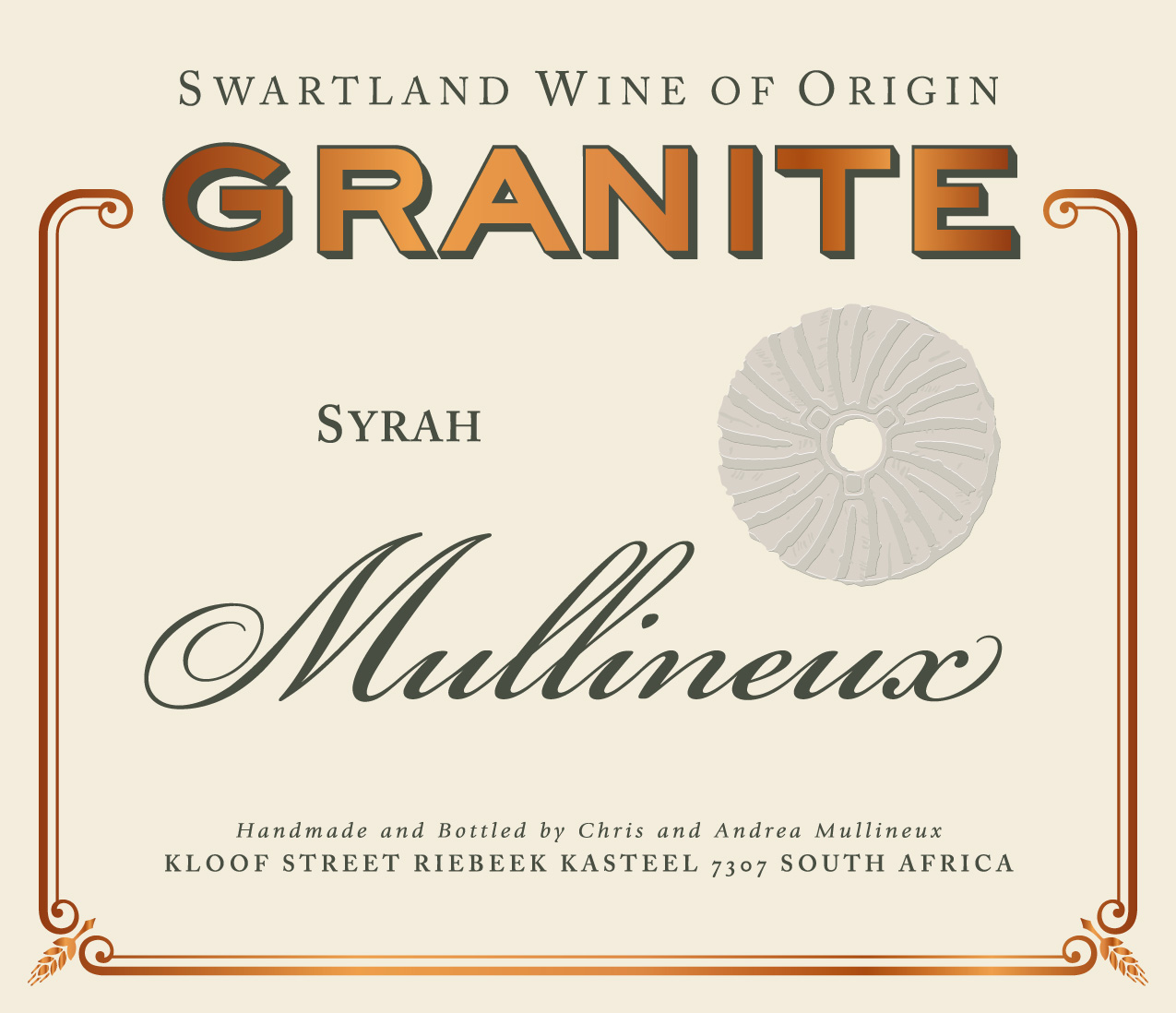
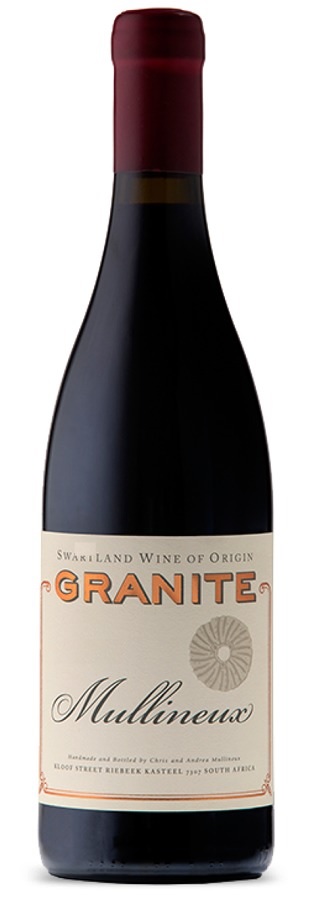
| Winery: | Mullineux Family Wines |
| Grape Type: | Syrah |
| Organic: | Yes |
| Vintage: | 2015 |
| Bottle Size: | 1500 ml |

Xavier Vignon Chateauneuf-du-Pape Rouge Cuvee Anonyme 2019 is made from 60% Grenache, 15% Mourvedre, 10% Syrah and the rest is "field blend" with the following grapes : grenache, vaccarese, counoise, mourvèdre, terret noir and muscardin.
One of Xavier Vignon's first almost anonymous blends only in MAGNUMS !
The grapes come from "collection vines", where many grape varieties are planted together, making it difficult to identify the exact share of each variety: grenache, vaccarese, counoise, mourvèdre, terret noir and muscardin.
Partially destemmed and vinified in a mix of demi-muids and tank, it offers a beautifully pure, vibrant bouquet of black raspberries, white and black pepper, candied orange, and violets. Complex, layered, and nuanced, this beauty is medium to full-bodied, has a seamless texture, and a great finish. It has both elegance and richness, and will keep for 15+ years.
Pairing: Duck in sauce with olives. Ravioli with porcini mushrooms, cream of parsnip and bacon crisps. Partridge leg confit with olive oil.
Review:
"The flagship from Xavier is the 2019 Châteauneuf Du Pape Cuvee Anonyme, and in 2019 it’s 60% Grenache, 15% Mourvèdre, 10% Syrah, and the balance a mix of permitted varieties. Partially destemmed and brought up in a mix of demi-muids and tank, it offers a beautifully pure, vibrant bouquet of black raspberries, white and black pepper, candied orange, and violets. Complex, layered, and nuanced, this beauty is medium to full-bodied, has a seamless texture, and a great finish. It has both elegance and richness, and will keep for 15+ years."
- Jeb Dunnuck (October 2020), 95-97 pt

Blending Detail:
Grenache speaks loudly in the Bésoleil with notes of pomegranate, red raspberry, and strawberry leaf. The Counoise and Cinsualt bring bing cherry fruit and blueberry notes to the table, complicated by pepper and garrique. Mourvedre donates a wild meatiness to the blend, and a purple hue. Syrah rounds things out, adding texture, and flesh to the palate.
Review:
The first vintage where they’ve pushed the bottling back to give the cuvee 16-18 months in barrel, the 2015 Besoleil is a dead ringer for a high-quality Chateauneuf du Pape and offers perfumed notes of herbes de Provence, kirsch, licorice and sweet spice. It’s medium to full-bodied, textured and fruit-forward, with a hedonistic yet elegant profile that’s going to evolve gracefully.
Robert Parker 91-93 Points

Boekenhoutskloof Syrah Swartland is made from 100 percent Syrah.
Grapes for our Boekenhoutskloof Syrah are picked from selected parcels of the finest Syrah, grown at our Swartland farms, namely Porseleinberg and Goldmine, close to the small town of Riebeek-Kasteel. These vineyards were planted on the rocky bedrock of decomposed Mica-Schist, a unique terroir, finding its expression in our concentrated and structured wines made from this Rhône grape.
The nose is perfumed, forthcoming and fresh, offering an array of rich dark fruits with a spicy, floral, even feral character, derived from complex aromas of dark berries, plums, violets, black olives, star anise and potting soil. The black fruits and earthy character of the nose follow through onto a dark, brooding palate with flavours of wild berries, brambles, liquorice, tobacco, cloves and black cardamom. The mid-palate is concentrated, deep, dense and slightly dusty, with dry, very fine cocoa-powdery tannins lending structure. The wine is very precise, with a medium to full body, a tight, grainy texture and vibrant acidity to balance. Blackberries, blueberries and notes of garrigue and dark chocolate linger on a savoury finish.
Review:
Using fruit from two exceptional Swartland sources – Goldmine and mostly Porseleinberg – this foudre-aged Syrah is fresh, subtle and intensely aromatic, as schist Syrahs often tend to be. Complex, floral and refined with remarkable freshness and palate length. Drink: 2020-2028.
– Tim Atkin MW, 95/100

Grand Veneur Chateauneuf Du Pape Vieilles Vignes is made from 50% Grenache, 40% Mourvedre, 10% Syrah
Matured in concrete vats (40%) and oak casks (60%)
It boasts an inky/purple color in addition to a gorgeous perfume of crushed rocks, jammy black fruits, charcoal and graphite. Blackberry aroma with an air of dates pressed in alongside – this is sweet-noted. It is easy to appreciate, a sleek and stylish start. The palate holds excellent fruit that runs well and has kick. Its tannins move round freely and a minted finale comes forward. Its dark fruit is tasty, darkens on the finish, where tar and char from its oak enter. It is all very much together, a bundle of harmony, and will gain local attributes as it ages.
An outstanding Chateauneuf du Pape which display the best of its terroir.
The vines are 50 to 100+ year old. They are planted on red clay soils covered with pebble stones.
Harvest is destemmed and crushed. Fermentation temperature is controlled at 30°C. Vatting period of 18 to 20 days. Matured in concrete vats (40%) and oak casks (60%).
The vineyards are located in the north of Châteauneuf du Pape. GRAND VENEUR «Vieilles Vignes» cuvee is produced from the older vines. Thanks to time and an organic growing, roots go very deep in the soil. Yields are naturally low and grapes highly concentrated.
The vines are 50 to 100+ year old. They are planted on red clay soils covered with pebble stones.
Winemaking and aging
Harvest is destemmed and crushed. Fermentation temperature is controlled at 30°C. Vatting period of 18 to 20 days. Matured in concrete vats (40%) and oak casks (60%).
Pair with venisson, duck, braised lamb or strong cheese.
Review:
"Up with the crème de la crème of the vintage, the 2018 Châteauneuf Du Pape Vieilles Vignes is a bigger, richer wine than the Les Origines cuvée and has a beautiful core of smoked black fruits, candied violets, peppery garrigue, and scorched earth-like aromas and flavors. Playing in the medium to full-bodied end of the spectrum, it’s flawlessly balanced and has terrific tannins, a stacked mid-palate, and a great finish. It certainly shows the more front end-loaded, fleshy, mildly concentrated style of the 2018 vintage, yet the balance is top-notch, and it’s just a thrill to drink today. It should evolve nicely for 10-15 years."
- Jeb Dunnuck (October 2020),96 pts
Grand Veneur Chateauneuf Du Pape Vieilles Vignes is made from 50% Grenache, 40% Mourvedre, 10% Syrah
Matured in concrete vats (40%) and oak casks (60%)
It boasts an inky/purple color in addition to a gorgeous perfume of crushed rocks, jammy black fruits, charcoal and graphite. Blackberry aroma with an air of dates pressed in alongside – this is sweet-noted. It is easy to appreciate, a sleek and stylish start. The palate holds excellent fruit that runs well and has kick. Its tannins move round freely and a minted finale comes forward. Its dark fruit is tasty, darkens on the finish, where tar and char from its oak enter. It is all very much together, a bundle of harmony, and will gain local attributes as it ages.
An outstanding Chateauneuf du Pape which display the best of its terroir.
The vines are 50 to 100+ year old. They are planted on red clay soils covered with pebble stones.
Harvest is destemmed and crushed. Fermentation temperature is controlled at 30°C. Vatting period of 18 to 20 days. Matured in concrete vats (40%) and oak casks (60%).
The vineyards are located in the north of Châteauneuf du Pape. GRAND VENEUR «Vieilles Vignes» cuvee is produced from the older vines. Thanks to time and an organic growing, roots go very deep in the soil. Yields are naturally low and grapes highly concentrated.
The vines are 50 to 100+ year old. They are planted on red clay soils covered with pebble stones.
Winemaking and aging
Harvest is destemmed and crushed. Fermentation temperature is controlled at 30°C. Vatting period of 18 to 20 days. Matured in concrete vats (40%) and oak casks (60%).
Pair with venisson, duck, braised lamb or strong cheese.
Review:
"The 2019 Châteauneuf Du Pape Vieilles Vignes is based on 45% each of Grenache and Mourvèdre, with the balance Syrah, all destemmed and raised in 55% new French oak. Gorgeous cassis, violet, graphite, fruitcake, and peppery herbs define this brilliant effort, and it's full-bodied, with a pure, seamless texture, wonderful tannins, and one heck of a great finish. This magical 2019 is going to benefit from 4-5 years of bottle age (it's brilliant even today) yet keep for 20 years or more. Châteauneuf du Pape lovers need to have this in their cellar!"
- Jeb Dunnuck (November 2021),99 pts
Grand Veneur Chateauneuf Du Pape Vieilles Vignes is made from 50% Grenache, 40% Mourvedre, 10% Syrah
Matured in concrete vats (40%) and oak casks (60%)
It boasts an inky/purple color in addition to a gorgeous perfume of crushed rocks, jammy black fruits, charcoal and graphite. Blackberry aroma with an air of dates pressed in alongside – this is sweet-noted. It is easy to appreciate, a sleek and stylish start. The palate holds excellent fruit that runs well and has kick. Its tannins move round freely and a minted finale comes forward. Its dark fruit is tasty, darkens on the finish, where tar and char from its oak enter. It is all very much together, a bundle of harmony, and will gain local attributes as it ages.
An outstanding Chateauneuf du Pape which display the best of its terroir.
The vines are 50 to 100+ year old. They are planted on red clay soils covered with pebble stones.
Harvest is destemmed and crushed. Fermentation temperature is controlled at 30°C. Vatting period of 18 to 20 days. Matured in concrete vats (40%) and oak casks (60%).
The vineyards are located in the north of Châteauneuf du Pape. GRAND VENEUR «Vieilles Vignes» cuvee is produced from the older vines. Thanks to time and an organic growing, roots go very deep in the soil. Yields are naturally low and grapes highly concentrated.
The vines are 50 to 100+ year old. They are planted on red clay soils covered with pebble stones.
Winemaking and aging
Harvest is destemmed and crushed. Fermentation temperature is controlled at 30°C. Vatting period of 18 to 20 days. Matured in concrete vats (40%) and oak casks (60%).
Pair with venisson, duck, braised lamb or strong cheese.
Review:
he 2021 Châteauneuf Du Pape Vieilles Vignes is even more powerful, with a dense purple color as well as serious notes of blackberries, currants, ground pepper, graphite, chocolate, and violets. I love its mid-palate density, it's medium to full-bodied, has building tannins, and a great finish. It's going to need short-term cellaring, but it’s one heck of an impressive 2021."
- Jeb Dunnuck (November 2021),94-96 pts
Vineyard Details:
Grapes for our 2014 Schist Syrah Roundstone were from a single parcel of sustainably farmed 18 years old vines planted in the stony Shale and Schist soils of our farm on the Kasteelberg. This parcel of Syrah gives the best expression of the Kasteelberg’s terroir – density and structure.
Tasting Note:
This is the most structured Syrah in our Single Terroir range. On the nose there are notes of black pepper, black fruit and spices. The palate is full-bodied with a meaty, savoury character, silky tannins giving structure and a balancing natural acidity. The finish is fresh, long and supple. Aging potential 10 – 15 years. Decanting recommended.
Review:
"The Mullineux’ familiarity with this fruit - they’ve been using since their days at Tulbagh Mountain Vineyards - shows in the confidence and balance of the wine. Floral, perfumed and complex, it combines aromas of lavender and rosemary with liquorice and blackberry flavours, stylish oak and its customary mineral core. One to age. Drink: 2016-25."
- Tim Atkin Master Wine (SA Special Report 2016), 96 pts
The Mullineux Family Winery Estate
This is a small, highly focused family winery producing a select family of hand-crafted wines from the granite and shale based terroirs of the Swartland Region of South Africa.
Chris was born in Cape Town, raised in Johannesburg, and introduced to the world of wine while studying accountancy at the University of Stellenbosch. After braving his way through accounting, he enrolled into winemaking for a second degree, and on graduating took a position starting up a boutique organic winery in Tulbagh, where he was in charge of the vineyards and cellar for 5 very enjoyable years. In addition to stints at de Trafford and Rustenberg wineries in South Africa, Chris has also worked harvests at top wineries in Cote Rotie, Bandol, the Languedoc, Roussillon, and California. Over the years Chris has had good exposure to the people, vineyards and wines of the Swartland. This has lead to a growing love for, and firm belief in the region, and he looks forward to many creative and hard working vintages in this region with his family.
Andrea developed her passion for wine at the family dinner table, growing up in San Francisco. After studying Viticulture and Oenology at UC Davis and completing a handful of harvests in the Napa Valley, Andrea decided to broaden her winemaking knowledge overseas. After a harvest in Stellenbosch, she went on to work in Chateauneuf and, on the same trip, met Chris at a wine festival in Champagne! Andrea's love for South African wine (and Chris) brought her back to South Africa where they learnt that their compatibility extended into the vineyards and cellar. When Andrea is not hard at work in the cellar, her creative energies flow into the kitchen where she loves cooking up a storm, glass of wine in hand.
The Mullineux Family Winery Vineyards
Very low summer rainfall coupled with afternoon and evening breezes off the Atlantic Ocean result in low disease pressure. Vineyards are often planted in amongst the natural rhenoster veldt and fynbos, which provide refuge for predators of vineyard pests, and help reduce the spread of disease. Weeds struggle to establish themselves and spread, making it easier to control them without the need of herbicides.
Chris and Andrea have put together a group vineyards in the most interesting parts of the Swartland, which are mostly found around the shale and schist based Riebeek Kasteel Mountain, and the granite based Paardeberg mountain.
Lammershoek - The deep white, granitic soils on Lammershoek produce wines that are exceptionally pure, with a granitic perfume that shines through in red and white varieties.
Kasteelsig - The soils, found on the rolling hills north of Malmesbury, are a deep combination of red gravel and iron, and produce dark, concentrated wines that are the flesh of our blends.
Kloovenburg - The highly varied row directions and aspects bring much complexity to wines, and the high shale content of the soils gives serious structure, and brings an earthy spicy character to syrah planted in them.
Mountain View - The soils are shale based, which drain easily, reducing vigor and providing grapes of perfume, freshness and structure.
The vineyards are planted with grape varieties (which are mostly Mediterranean in origin) that are ideally suited to the environment, and are farmed sustainably and in harmony with their surroundings: Syrah, Chenin Blanc, Grenache Blanc, Clairette, Viognier.

All older vintage wines have been purchased from a single collectors cellar. Pictures can be requested before shipment.

Segries Cotes du Rhone Rouge is made from 50% Grenache, 30% Syrah, 10% Cinsault, 10% Carignan
The wine is ripe, rich and round, with black raspberry, white pepper and spice flavors. True Cotes du Rhone in a Bistro style.