" We don't sell the wine without touching the vine "
Cueva de las Manos Malbec Organic is made from 100 percent Malbec.
Cueva de las Manos translates to "Cave of Hands". There are a series of caves in Patagonia containing stenciled paintings of hands, dating back over 9,000 years ago. The caves have been named a World Heritage Site, and they are the inspiration for the label on these wines.
Cueva de las Manos Malbec is deep purple in color. Fruity intensity on the nose with floral notes. A juicy texture, mild tannins and good structure balanced by a well-integrated freshness. Clean and pure finish.
Sobrenatural Tinto Organic is amde from 80% Tannat and 20% Malbec from Chakana’s Finca Nuna vineyard, fermented with indigenous yeasts. Sobrenatural is a new line of certified biodymanic and no Sulphur added wines from Chakana’s Nuna vineyard.
Deep, dark fruit aromas. Firm tannins balanced by a juicy, soft texture, good acidity and length.
Pairs with empeñadas, pork chops, Chorizo, spicy food, grilled vegetables.
USDA Organic
Fermented with native yeasts in concrete vats for 6 months (no epoxy sealing). No fining, no filtration, no additives. NO SULFITES ADDED.
Sobrenatural Tinto Organic is amde from 80% Tannat and 20% Malbec from Chakana’s Finca Nuna vineyard, fermented with indigenous yeasts. Sobrenatural is a new line of certified biodymanic and no Sulphur added wines from Chakana’s Nuna vineyard.
Deep, dark fruit aromas. Firm tannins balanced by a juicy, soft texture, good acidity and length.
Pairs with empeñadas, pork chops, Chorizo, spicy food, grilled vegetables.
USDA Organic
Fermented with native yeasts in concrete vats for 6 months (no epoxy sealing). No fining, no filtration, no additives. NO SULFITES ADDED.
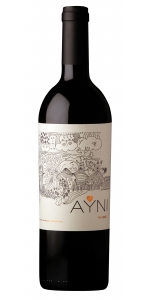
Ayni Malbec Paraje Altamira is made from 100 percent Malbec.
Ayni is the Quechua term for the principle of reciprocity, practiced for centuries by the Andean people - "in order to receive, you first have to give." Chakana's renowned Paraje Altamira vineyard, which sits 3,300 feet above sea level, bears the name Ayni & is the source of the Ayni wines.
Deep ruby-red in color with violet hints. Complex and intense bouquet, featuring blackberries, cherries and plums, with delicate floral notes and spices. Balanced and fresh; full-bodied with good length of spices.
Pairs well with grilled meats and stews.
Review:
"Chakana is an organic and biodynamic producer in Mendoza, that harvests from a vineyard in Paraje Altamira to produce this terroir-focused, minimal intervention Malbec. Aged in a mixture of casks and barrels for 12 months, this is a pure, energetic red in which fresh red fruit aromas combine with spice, herbs and mineral notes. In the mouth, it’s fluid with lively acidity and firm, chalky tannins. A potent, long-lasting wine. Drinking Window: 2023 - 2030"
- Decanter Magazine, 94 pts
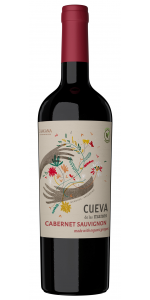
Cueva de las Manos Cabernet Sauvignon Organic is made from 100 percent Malbec.
Cueva de las Manos translates to "Cave of Hands". There are a series of caves in Patagonia containing stenciled paintings of hands, dating back over 9,000 years ago. The caves have been named a World Heritage Site, and they are the inspiration for the label on these wines.
The wine offers an intense bouquet on the nose, with notes of green pepper. On the palate it is smooth and well-textured with a long and elegant finish.
Pair with game meats and pasta with heavy sauce.
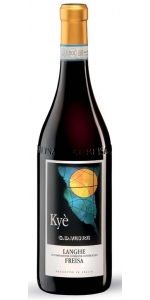
G.D. Vajra Freisa 'Kye' Langhe Rosso is made from 100% Freisa.
DESCRIPTION: In 2004, Freisa was discovered to be the closest relative to Nebbiolo, thus explaining the deep bond this variety has with Piemonte and its people. With a noble profile and similar characteristics to the Nebbiolo, we have been bottling a dry Langhe DOC Freisa ever since 1989. Kyé means ‘who is?’ and represents the surprise for this indigenous and forgotten grape.
VINEYARD AND TERROIR: Estate vineyards, the oldest located in San Ponzio, on the lower west border of Bricco delle Viole. This is the closest vineyard to the winery, and a selezione massale planted by Aldo in 1980.
GROWING: In 1971, Aldo Vaira was one of the earliest adopters of organic farming in Piemonte. Vineyards have been nurtured and soil preserved by grassing and cover crop for almost 50 years now. With an incredible ratio of manual work per hectare, farming at Vajra is a labor of love and “recipe-free” attention. Intense research is also placed into monitoring and improving the biodiversity of both flora and fauna not just in the vineyards, but also in the winery fields and forests. The winery is sustainably certified (UNI EN 11233:2009) and will be again fully organic certified since 2019.
Langhe DOC Freisa Kyè displays a beautiful, translucent garnet color. The aromatics are a combination of redcurrant and wild mountain berries, layered with a touch of sweet spices, fresh leather, and candied japonica prune. The mouth is juicy, succulent, with lots -yet never hefty- tannins. There is a beautiful structure in this vintage and a lovely, lovely finish.
Review:
‘The 2018 Langhe Freisa Kyé is quite refined in this vintage and yet it also shows all of the aromatic nuance and complexity that are such signatures of this variety and wine. Dried herbs, rose petal, lavender, mint and spice lend exotic nuance to this deep, beautifully layered Freisa. The Kyé is one of the sleepers of Piedmont's 2018 vintage. It is, quite frankly, ‘as good or better than some Barolos in this tricky vintage. ~- Antonio Galloni
-Vinous 93 Points
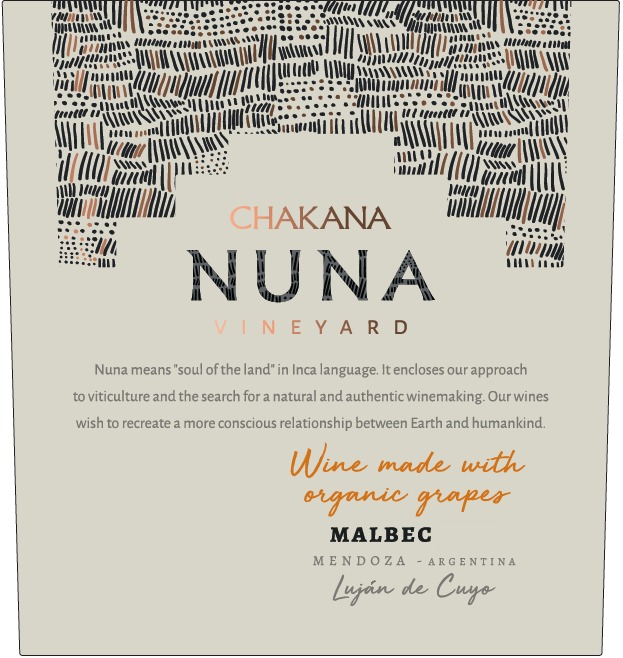
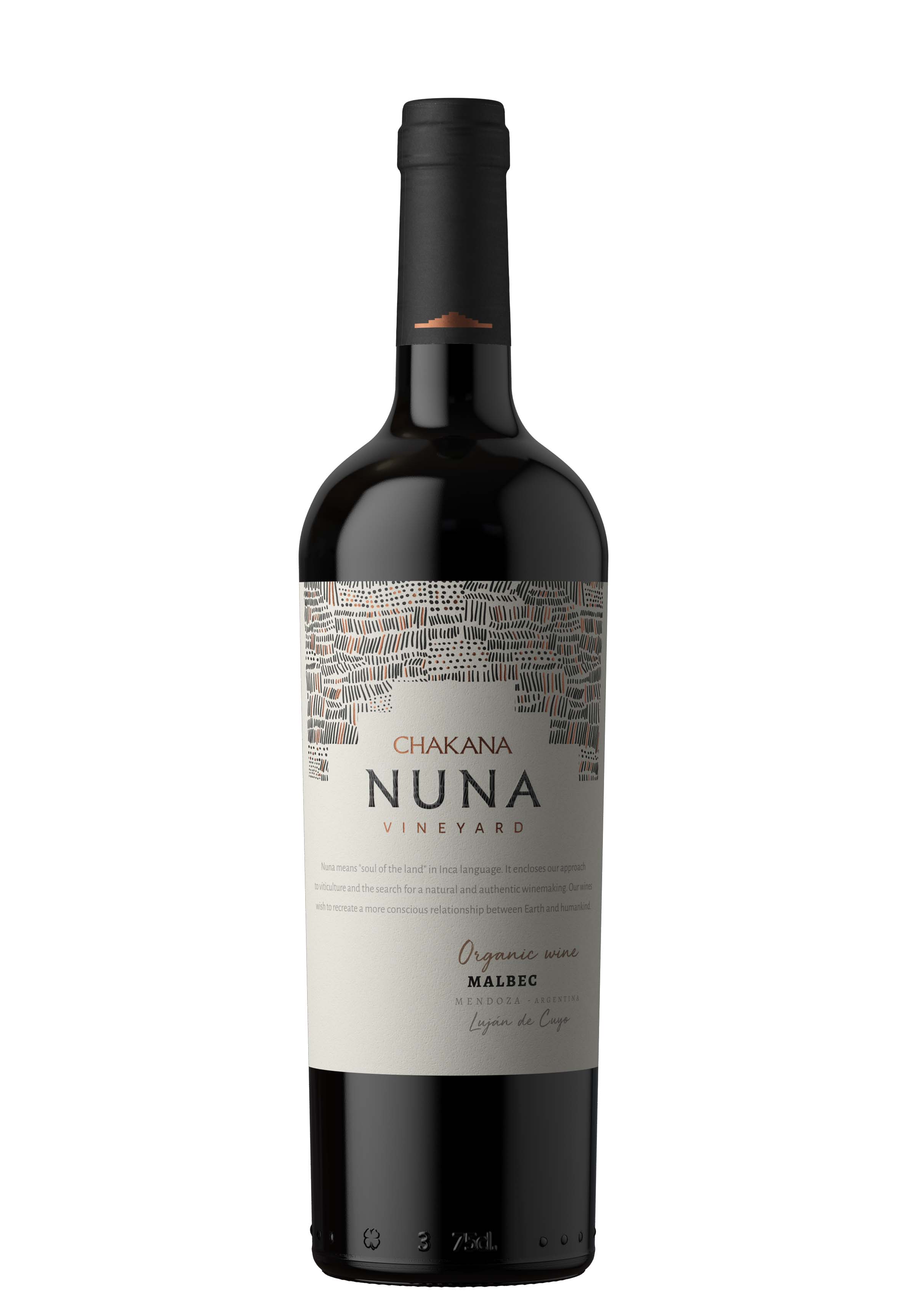
Nuna Malbec Reserve is made from 100 perfect Malbec.
The Malbec is round and fleshy, with enticing crushed plum and boysenberry fruit enlivened by a liquorice snap note.
The grapes are carefully chosen and fermented in small lots to preserve the vineyard identity. Alcoholic fermentation for 12 days with indigenous and selected yeasts, at temperatures of 26 and 30°C, combining, remontage, pigeage and delestage in order to obtain the best quality of tannins and structure.
The Nuna Estate
Looking for Chakana's other labels?
Click below:
Nuna is produced in a state-of-the-art winery, Chakana, built with the purpose of achieving outstanding quality.
Chakana winery was founded by Juan Pelizzatti on May 2nd, 2002. Juan was driven to enter the wine industry first and foremost by his passion for wine, and also by the desire to invest his time and money on a product of agriculture. Although Juan did not know it at the time, the company was founded on the same day the Chakana was celebrated on the Andes highlands: on that same day, the Southern Cross (the Chakana for the Inca people) becomes vertical in the night Andean sky.
Juan's mission is to create an integral experience to introduce world consumers to the taste and culture of the Andes. His vision is to become one of the top 20 exporters of wine from Argentina, by consistently offering outstanding value for money.
Wine is currently produced in four different levels at Chakana, by winemaker Gabriel Bloise:
Entry Level: Maipe
Reserve Level: Maipe Reserve, Cueva de las Manos, Nuna
Estate Selection
Ayni
The winemaking process is focused on treating the grapes with great care and with strict control of every step of the production.
Wines are designed under the responsibility of the renowned international wine consultant Alberto Antonini.
The winery is located on a 150 ha. estate, 34 km South of the city of Mendoza, in Agrelo, Lujan de Cuyo.
The grapes grown are 35 year-old Malbec, Bonarda and Cabernet Sauvignon.
Deep and textured soils facilitate plant development and confer great body and structure to the wines.
The year-long sunny and dry conditions allow almost organic viticulture practices. The outstanding feature includes a great daily thermal amplitude, with mild days and cold nights, permitting a particular richness of polifenols that improves the wines flavors and color.
A drip irrigation system has been set up to achieve a precise control of the vegetative cycle and a rational use of water. Waters are processed and used in the vineyards.
The Nuna Estate Vineyards
Chakana sources grapes from their own four estates:
Agrelo
Acreage: 150 ha, 120 ha with vineyards
70 ha entry level
40 ha reserve level
10 ha estate & ayni
Acreage by varietal at Agrelo Estate:
Malbec: 50 ha
Cabernet Sauvignon: 30 ha
Syrah: 10 ha
Bonarda: 10 ha
Tannat: 2,5 ha
Petit Verdot: 2.5 ha
Cabernet Franc: 1.5 ha
Aspirant Bouchet: 2.5 ha
Ancellotta: 2 ha
Sauvignon Blanc: 4 ha
Viognier: 2.5 ha
Chardonnay: 2.5 ha
Wine Profile: Medium bodied, elegant, fresher fruit. Round tannin on gravels.
Terroir: Very heterogeneous – deep clay to sandy clay gravels; cool climate
Altamira I
Acreage: 15 ha, Malbec high density. Planted in 2010, not in production
Wine Profile: Full bodied, impressive tannic structure and roundness, spicy and complex.
Terroir: Sandy clay gravel, limestone; cooler climate
Altamira II
Acreage: 36 ha, 26 ha with vineyards
20 ha malbec, estate and ayni level
4 ha chardonnay, entry level and reserve
2 ha pinot noir (used for sparkling wine)
Wine Profile: Medium bodied, elegant, fresher fruit. Round tannin on gravels.
Terroir: Very heterogeneous – deep clay to sandy clay gravels; cool climate
Terrada
Acreage: 21 ha, all in vines
100% malbec, old vines, high density
Reserve – Estate Selection
Wine Profile: Complex, ripe fruit, medium bodied, elegant.
Terroir: Sandy clay gravels, 70cm. soil depth, Some limestone; warmer climate.
They also source wines from contract suppliers in Ugarteche and Medrano, for entry level wines, and in Vista Flores, for Estate Selection & Ayni levels.
Riebeek Cabernet Sauvignon is made from 85% Cabernet Sauvignon,15 % Shiraz.
An exciting new world style wine with upfront blackcurrant flavors. The black fruit is well-balanced with subtle French oak for a complex nose and an elegant and lingering follow-through. An exceptional example of a lighter style Cabernet Sauvignon that can be enjoyed young. Excellent with red meat dishes or veal.
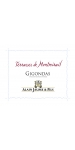
Alain Jaume Gigondas Terrasses de Montmirail is made from 65% Grenache the rest Syrah, Mourvèdre by less than 15%.
Deep red garnet color. Aromas of ripe and black fruits. On the palate the wine is rich, powerful and harmonious - well balanced with wild berry and pepper dominating.
Soil types
Located in and around the famous area called “Dentelles de Montmirail”, the landscape typicity is made by a rocky bar (between 100 and 600 meters high). Soils are made of clay and sand with limestone. The “Dentelles” appeared thanks to the pressure between the Pyrenees and Alps mountains. This is a land of predilection to produce both powerful and fresh wines. Nights are cooler and the grapes ripeness usually comes in late September.
Winemaking & aging
Traditional wine-making in stainless and concrete vats. Crushed and destemmed grapes. Average of 18 days of vatting with pigeages. Ageing in vats mostly and oak barrels. Bottling after 12 – 14 months.
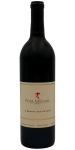
Peter Michael 'L'Esprit des Pavots' Estate Red is made from 59% Cabernet Sauvignon, 22% Merlot, 11% Cabernet Franc, 8% Petit Verdot.
The saturated garnet 2022 ‘L’Esprit des Pavots’ features an intense nose of cassis, black cherry, ripe plum and blackberries with hints of black olive, black tea and baking spices. The soft, supple entry and round generous tannins combine for a plush mouthfeel and elegant finish. This is a fleshy vintage of ‘L’Esprit des Pavots’ which can be approached in its early years but will continue to expand with age.
Review:
“The deep ruby/magenta-colored 2022 Cabernet Sauvignon L’Esprit Des Pavots is a blend of Knights Valley and Oakville… fruity upfront… rich and concentrated… polished tannins and a great finish. A great value in the vintage.”
- Jeb Dunnuck 95 points