
" We don't sell the wine without touching the vine "
| Country: | United States |
| Regions: | California California (Central Coast) |
| Winery: | I. Brand and Family |
| Grape Type: | Grenache |
| Organic: | Yes |
| Vintage: | 2019 |
| Bottle Size: | 750 ml |
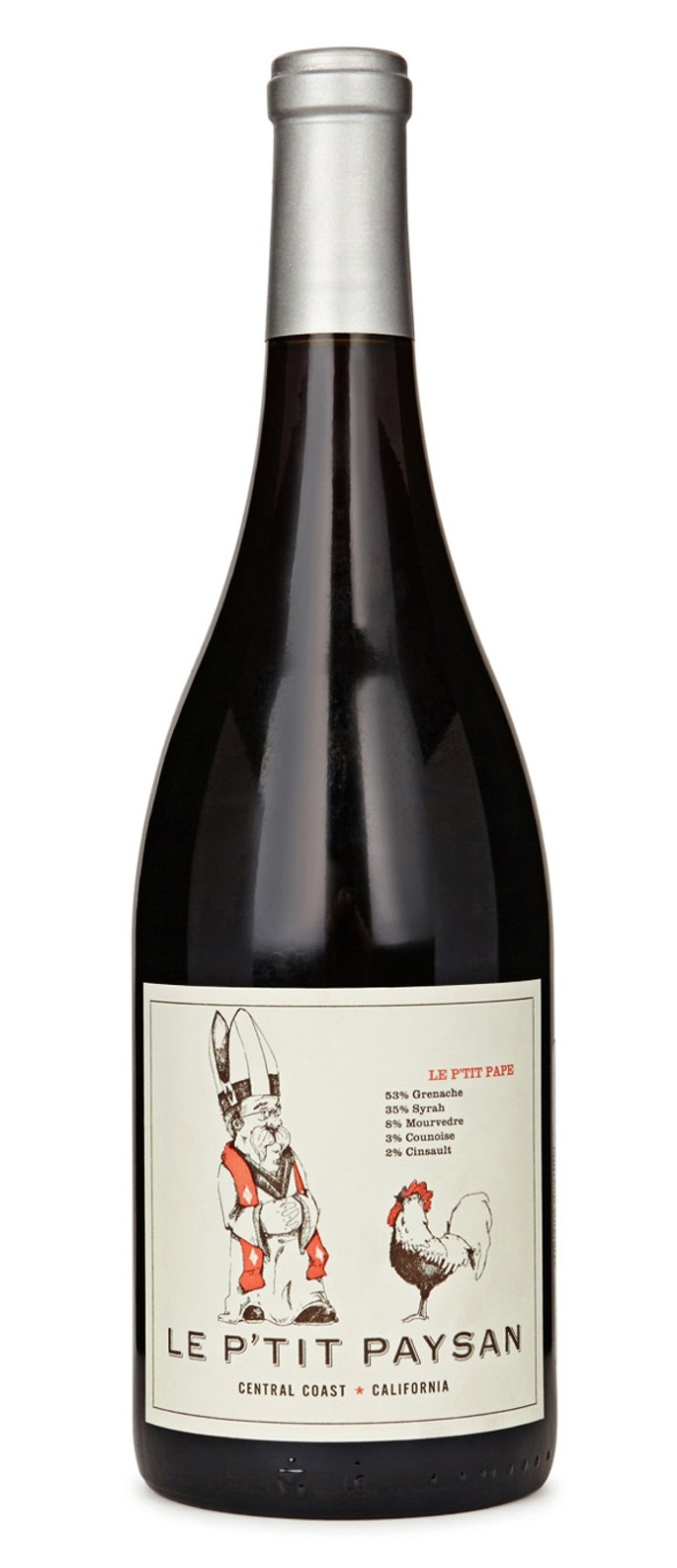
Le P'tit Paysan Le Ptit Pape is made from 62% Grenache, 19% Syrah, 14% Mourvedre, 3% Counoise, 2% Cinsault
Oak: Mixture of one and twice used barrels for 11 months and puncheons
Playful interpretaion of a domestic, baby, Chateauneuf-du-Pape.
Cherry blossoms, dusty road, red plums, herb de Provence. Rosewater and red cherry on the palate, nimble with medium body. Grippy finish with firm Grenache tannins and hints of olive and sagebrush.
Fermented in several lots ranging from 0-50% whole cluster. Fermeted to dryness on skins.
Aged in neutral barrels for 11 months. From limestone rich soils
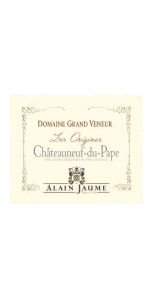
Grand Veneur Chateauneuf-du-Pape Rouge Les Origines is made from 50% Grenache, 30% Mourvedre and 20% Syrah
Matured in vats (grenache) and in oak casks (syrah and mourvèdre).
Deep and brilliant, purple-red colour. An exciting nose with aromas of black fruit (blackcurrant, cherry) spices and vanilla. This great aromatic complexity is found on the palate : the spices and ripe fruit appear with an elegant woodiness and harmonious tannins. The finish has good aromatic length and introduces a touch of liquorice and pepper.
A terrific Châteauneuf du Pape with great concentration and finesse.
Best between 2 and 20 years. Best to decant if young (less than 5 years old).
Soil type Extreme north of Châteauneuf du Pape. This plateau is made with a high quantity of red clay mixed with rocks. This area is considerated to be one of the best to produce rich and powerful red wines. By definition, LES ORIGINES will always deliver a great complexity and ageing potential. Winemaking & ageing Harvest is sorted by hand, destemmed and crushed. Fermentation temperature is controlled at 30°C. Vatting period of 18 to 20 days. Matured in vats (grenache) and in oak casks (syrah and mourvèdre).
Review:
"The 2019 Châteauneuf Du Pape Les Origines is also deep purple-hued and has a classic bouquet of crème de cassis and blackberry fruits intermixed with notions of graphite, chocolate, and spicy wood. Rich, full-bodied, and concentrated, this is beautifully done and despite its more modern elevage, it has plenty of Provençal character and charm."
- Jeb Dunnuck (October 2020), 94-96+ pts
"Warm in feel, with a gush of plum puree and blackberry paste flavors, liberally laced with black licorice and roasted alder notes. A solidly built, modern version, with a nice tug of warm earth on the back end. Best from 2022 through 2034. —J.M."
- Wine Spectator's Insider (June 9th 2021), 93 pts
Review:
Lastly, and a wine that will be a candidate for perfection in 4-5 years, the 2019 Châteauneuf Du Pape Centenaire reveals a deep ruby/purple hue as well as extraordinary notes of black cherries, licorice, iron, nori, and peppery garrigue. As with the base 2019, the estate did an incredible job with the tannins, and this wine is flawlessly balanced, with ultra-fine tannins, no hard edges, and the sheer class to evolve for 25+ years. This is a perfect example of power with no sensation of weight or heaviness. The blend in 2019 is 84% Grenache, 10% Mourvèdre, and 6% Syrah, and it wasn’t destemmed and was brought up mostly in concrete tanks, with just 6% in very old barrels.
-Jeb Dunnuck 98 Points
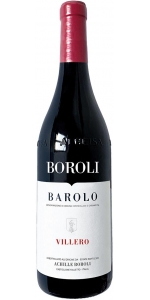
Villero is undoubtedly one of the most important vineyards in Castiglione Falletto in terms of quality and exposure.
The soil is clayey and calcareous, with a south and southwest exposure. The combination of exposure and soil give us a structured and powerful Barolo, with a deep aromatic profile. The tannins are smooth and soft, thanks to long maceration.
Barolo Villero is a long-lasting wine, capable of reaching its full potential even many years after the harvest.
Wine Production
Villero is distinguished by a careful selection of grapes, perfect destemming, long macerations with submerged cap.
Tasting Notes
Clear bright ruby colour with very light garnet red reflections; intense and persistent aroma of red fruit with notes of plum and cherry. A pleasant aroma of wood is noticeable after the fruity aroma, anticipating the full taste of a great wine suitable for long lasting life. A succulent, rich, full-bodied and pleasant taste emerges after the woody one, with the presence of slightly ripe red fruit
Food Pairing
Thanks to its viscosity and body, Barolo is the ideal wine to combine with elaborate dishes such as truffle dishes, meat dishes, pasta with porcini mushrooms, game, and aged cheeses. Villero is also perfect with dry pastries or chocolate.
Review:
This Villero shows sterness and class at the same time. The nose is focused on cherrystone aromas, Parma violets, pomegranates and slightly earthy notes. The attack is dry and austere, with firm, dusty tannins soaked in licorice and tar, enhanced by a bright, juicy and polished blood-orange finish. This is a Barolo to discover over the years, even though it’s ready to drink now.
-James Suckling 95 Points

All older vintage wines have been purchased from a single collectors cellar. Pictures can be requested before shipment.
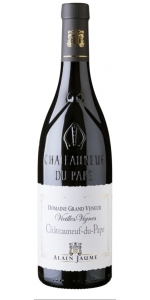
Grand Veneur Chateauneuf Du Pape Vieilles Vignes is made from 50% Grenache, 40% Mourvedre, 10% Syrah
Matured in concrete vats (40%) and oak casks (60%)
It boasts an inky/purple color in addition to a gorgeous perfume of crushed rocks, jammy black fruits, charcoal and graphite. Blackberry aroma with an air of dates pressed in alongside – this is sweet-noted. It is easy to appreciate, a sleek and stylish start. The palate holds excellent fruit that runs well and has kick. Its tannins move round freely and a minted finale comes forward. Its dark fruit is tasty, darkens on the finish, where tar and char from its oak enter. It is all very much together, a bundle of harmony, and will gain local attributes as it ages.
An outstanding Chateauneuf du Pape which display the best of its terroir.
The vines are 50 to 100+ year old. They are planted on red clay soils covered with pebble stones.
Harvest is destemmed and crushed. Fermentation temperature is controlled at 30°C. Vatting period of 18 to 20 days. Matured in concrete vats (40%) and oak casks (60%).
The vines are 50 to 100+ year old. They are planted on red clay soils covered with pebble stones.
Harvest is destemmed and crushed. Fermentation temperature is controlled at 30°C. Vatting period of 18 to 20 days. Matured in concrete vats (40%) and oak casks (60%).
The vineyards are located in the north of Châteauneuf du Pape. GRAND VENEUR «Vieilles Vignes» cuvee is produced from the older vines. Thanks to time and an organic growing, roots go very deep in the soil. Yields are naturally low and grapes highly concentrated.
Winemaking and aging
Pair with venisson, duck, braised lamb or strong cheese.
Review:
"The 2021 Châteauneuf Du Pape Vieilles Vignes is even more powerful, with a dense purple color as well as serious notes of blackberries, currants, ground pepper, graphite, chocolate, and violets. I love its mid-palate density, it's medium to full-bodied, has building tannins, and a great finish. It's going to need short-term cellaring, but it’s one heck of an impressive 2021."
- Jeb Dunnuck (November 2021),94-96 pts
Le P'tit Paysan Le Ptit Pape is made from 62% Grenache, 19% Syrah, 14% Mourvedre, 3% Counoise, 2% Cinsault
Oak: Mixture of one and twice used barrels for 11 months and puncheons
Playful interpretaion of a domestic, baby, Chateauneuf-du-Pape.
Cherry blossoms, dusty road, red plums, herb de Provence. Rosewater and red cherry on the palate, nimble with medium body. Grippy finish with firm Grenache tannins and hints of olive and sagebrush.
Fermented in several lots ranging from 0-50% whole cluster. Fermeted to dryness on skins.
Aged in neutral barrels for 11 months. From limestone rich soils
They did not set out to make these wines. They discovered great vineyards at the edge of sensible farming and decided to bring them to light.
The farther they looked, the more they found – remote, challenging vineyards, with hard depleted soils, and intense sunlight tempered only by the coastal breeze. Vineyards capable of producing only the most idiosyncratic wines. Their goal as winemakers is to lightly polish the roughest edges and leave the idiosyncrasy intact. It is here in the back country, filled with individual character, where Le P’tit Paysan comes to life.
Ian Brand's first winery job was in the lab and cellar at Bonny Doon Winery in Santa Cruz. Ian was Vineyard Manager and Assistant Winemaker at Big Basin Vineyards in the Santa Cruz Mountains for four years before he and Heather began their own project.
In the growing sites I Brand Family Winery looks for shallow, rocky soils, good site selection and proper varietal match with the soil and climate. The often overlooked greater Monterey Bay Area has a plethora of underappreciated, rocky vineyards.
Vineyard names:
Fellom Ranch, Bates Ranch, Besson, Summers, Wheeler, Brigantino, Bayly Ranch, Enz, Brosseau, Spur Ranch, Kristy, Quail Run, La Belle Rose, Cedar Lane, Mission Ranch, Escolle, Arroyo Seco Canyon, Los Ositos.
Farming:
Brosseau (cert organic)
Enz (practicing organic, dry farmed)
Besson (dry farmed)
Bates (dry farmed)
Sustainable: Kristy, Bayly, Quail Run, Los Ositos.
Rudi Pichler is among the elite growers of the Wachau producing wines of precision, power, and longevity. Grüner Veltliner and Riesling make up 95% of the production with the remaining 5% shared between Weißburgunder and Roter Veltliner. Rudi Pichler belongs to the prestigious Vinea Wachau and vinifies under the strict parameters of their codex.
Yields are kept low between 30 and 35 hectoliters per hectare with botrytis carefully removed by hand. Grapes are crushed by foot and receive between three and 36 hours of maceration on the skins. Vinification is entirely in stainless-steel tanks and malolactic fermentation is avoided.
Hochrain, a name meaning "high place," is a southeast-facing terraced vineyard in Wösendorf sitting between 200 and 300 meters of elevation. The vineyard consists of an unusually high content of loess, a mineral-laden soil that produces wines that are especially broad and rich.
Review:
“A stunning wine for this grape that is also rather easy to understand. The Reine Claude plum and peppery nose is complex, but already charming. As exciting as the simultaneously creamy and succulent mid-palate is, what makes this medium- to full-bodied gruner veltliner really stand out is the extremely long, crushed rock finish.”
James Suckling 96 Points
Collier Creek Front Coach Chardonnay is made from 100 percent Chardonnay.
Nestled in the heart of the Lodi Appellation, where farmland ran as far as the eye could see, Collier Creek is a place that reminds us of simpler times. A first class wine for the price of coach, this stainless steel fermented Chardonnay is driven by notes of pear and citrus, rolling out with a dry, refreshing finish.
RS: 3.75 g/L
TA: 6.2 g/L
Pair with grilled chicken, goat cheese, fish tacos w/ citrus slaw.



