
" We don't sell the wine without touching the vine "
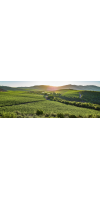
Jason Pahlmeyer understood that making wines with exceptional concentration, complexity, and ageability required venturing to extremes. That’s what drew him to the rugged parcel of vines on the ridgeline of Atlas Peak that would become his iconic estate vineyard. That is why, more than 35 years later, Pahlmeyer remains defined by mountain fruit, possessing the soulful character born of demanding terroir and exacting fieldwork.
More hours of sunlight lead to greater ripeness and complexity.
Cooler temperatures result in more complete phenolic ripeness and greater fruit intensity.
Low-Fertility, low-vigor soils yield smaller berries with greater concentration.
We farm responsively for balance and depth.
We vinify gently for honest and vivid expression.
Vineyards above 1,400 feet—such as our Water’s Ranch, Stagecoach, and Antica parcels—typically benefit from three more hours of sunshine per day compared to lower altitudes that are often cloaked in morning fog. This additional sunlight ensures the berries achieve a deep, rich color and complex flavor compounds.
With daytime temperatures averaging 5-10 F cooler, our mountain vines respire less acidity to produce energy; the acidity retained in the grapes results in greater freshness and balance in the wines. Cooler temperatures also prolong the growing season, allowing the clusters to hang longer on the vine and achieve optimal flavor development. Our Rancho Chimiles parcel, while slightly lower in elevation, sits close to the San Pablo Bay and enjoys cooling afternoon breezes that moderate temperature.
Thinner, rockier, poorer, and better-drained high-elevation soils naturally stress the vines, reducing yields by generating fewer shoots with limited clusters and smaller, thicker-skinned berries. The higher skin-to-juice ratio brings higher acidity, more tannin, and greater flavor concentration.
Farming our mountain parcels vine-by-vine, we can achieve a careful balance between broad structure and phenolic maturity. Dramatic mountain terrain challenges us with various slope grades, sun aspects, and microclimates. Through meticulous fieldwork, we optimize hang time and reach optimal ripeness, moderating Brix levels (e.g., 26.7 Brix for Cab and 24.5 for Chardonnay) so that our wines possess focused fruit and tremendous finesse.
From vine to barrel, we handle the fruit with extreme care. We hand harvest, block by block only when each vine has reached optimal ripeness. The fruit, picked before sunup when skins are cool and firm, are gravity-fed to tank. Throughout the fermentation process, we employ little to no pumping, extracting juice gently with a basket press and bottling unfined and unfiltered to retain the purist, most eloquent expression of the wine.
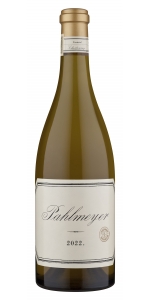
The 2022 Jayson Chardonnay achieves a beautiful equilibrium of richness, buoyancy, and intricacy. Aromas of sweet Meyer lemon, crushedalmond, and grilled pineapple lead to a concentrated palate of bright lemon curd and orange blossom honey underscored by fresh pear andtoasted nuttiness with a hint of baking spice. The texture is classic Pahlmeyer, plush and detailed, while the presence of bright Carneros fruitbrings energy and litheness. Flavors are lifted and extended on a spine of bright acidity, the lingering finish striking an ideal balance betweenopulence and mouthwatering freshness.
Review:
This generous, buttery and spicy wine is sourced from several parts of Napa Valley and brings gorgeous richness to the nose, palate and finish. Elements of brown butter, marzipan, toasted almonds and poached pears flood the flavors, with vanilla bean and a touch of sweet coconut. Barrel fermented in 36% new French oak, it’s full-bodied and nicely viscous in texture.
James Suckling 93 Points
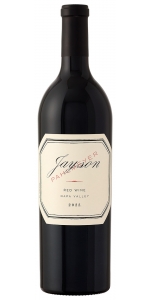
Pahlmeyer Jayson Red Napa Valley is made from 51% Merlot, 27% Cabernet Sauvignon, 11% Malbec, 7% Petit Verdot, 4% Cabernet Franc.
Voluptuousness meets vibrance in this classic Bordeaux-inspired blend. Ripe Merlot-dominant aromas of juicy macerated raspberry unfurl with hints of pencil lead, clove, cedar, and fresh sage. The compact fruit core, flanked by fine, polished tannin, surges open on a full, silky palate, giving way to complex underpinnings of earth and spice. A beam of bright acidity keeps the fruit fresh and focused through a soft, lingering finish of dusty plum and cocoa.
It’s best to serve this rich, layered wine at a temperature between 60°F and 65°F. Open and opulent in its youth, this wine is ready to match with a range of flavorful summer dishes such as Carolina-style pulled pork, bánh mì sandwiches, or bacon cheddar burgers.
Review:
This is a very polished wine in 2022, well-built with neatly knit tannins that form a solid foundation for the dark currant and blackberry fruit that floods the mid-palate. Good depth of concentration and driving energy create a sense of tension and vibrancy. Indeed not a shy wine, yet more approachable, with tannins almost melting away on the finish—very characteristic of the warm vintage. Grape sources include William Hill and Broken Rock in Napa, Stagecoach, Waters, and Round Pond in Rutherford, along with Cabernet Franc and Cabernet Sauvignon from the iconic Monte Rosso Vineyard in Sonoma. Grapes are sorted by hand, fermented in stainless steel with a small percentage in oak tanks, and then aged for 15 months in 80% new French oak. (JC)
-Decanter 94 Points
We are delighted to offer our first Beckstoffer Georges III bottling in many years. The spectacular vineyard site with its back to the Silverado Trail is the historic site of the grand old BV masterpieces produced for most of the last century. It is as pure an expression of Napa Valley terroir as is available anywhere, from anyone. Ripe and round black fruits, spice, blueberry, and cedar, and cigar box aromas are echoed on the palate and balanced by a preternatural lift from natural acidity and a swell of earth notes. A stunning achievement.
Review:
Thick in sage brush, dried herb and earth, this wine is powerfully built and unabashedly ripe. Dark black fruit, mocha and graphite notes arise along the thick, intense palate, leading to finishing touches of slate and iron. Cellaring will help to tame the tannins; enjoy from 2028–2035.
-Cellar Selection Wine Enthusiast 94 Points
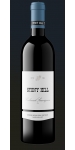
From the volcanic soils in the blocks residing at the summit of Stony Hill's vineyard, their 2019 Cabernet Sauvignon is showing beautifully. 2019 was a warm year with late spring rains and a true, dry fall finish. e late spring rains imbued wines with a characteristic freshness and tension, balanced by a generous fruit profile. Bing cherry, cassis, pomegranate seed, singed bay leaf, and cacao sings from the glass. The palate receives a structure showing breadth and presence with lacey tannins and a delicate, persistent finish.



