
" We don't sell the wine without touching the vine "
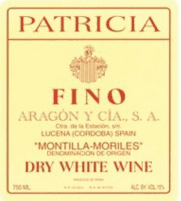
| Country: | Spain |
| Region: | Sherry |
| Winery: | Patricia |
| Grape Type: | Pedro Ximenez |
| Vintage: | NV |
| Bottle Size: | 750 ml |
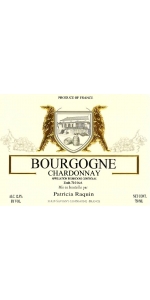
Patricia Raquin Bourgogne Blanc is made from 100 percent Chardonnay.
The animals shown on the label are dogs. The breed is called Borzoi, also called "Russian Wolfhound", which means "fast" in Russian. Patricia and Alain are proud owners of 2 Borzois and they designed this label so that the dogs will be guardian of the vaulted ageing cellar inside their house.
Patricia Raquin Bourgogne Chardonnay is made from grapes sourced in the Maconnais region. As it is located in a slightly warmer climate (as it is located 100 kilometers South compared to the Cote d'Or or Cote de Beaune), the wine tends to display more tropical notes, with elegance and freshness, with a touch less of minerality.
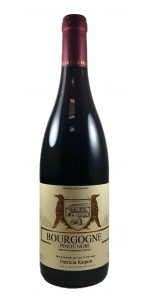
Patricia Raquin Bourgogne Rouge Fut de Chene is made of 100 percent Chardonnay.
The animals shown on the label are dogs, from the breed called Borzoi, or "Russian Wolfhound", which means "fast" in Russian. Patricia and Alain Corcia are the proud owners of 2 Borzois and they designed the label to represent the dogs as the guardians of the vaulted ageing cellar inside their house.
The wine is produced from 100% Pinot Noir grapes grown on gravel and silt soils, aged in French oak barrels. Medium to full bodied, earthy, fruity and mineral. Structure and tannin on the finish. The wine pairs well with any hearty red meats and cheeses.
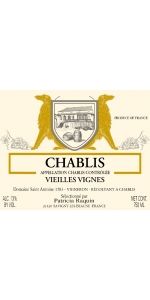
Patricia Raquin Chablis Vieilles Vignes is made from 100 percent Chardonnay.
Tasting Notes: Golden color with slight green hints. Very fresh nose with some white flower notes. Very light oak flavors on the finish with vanilla notes.
VINIFICATION: Alcohol fermentation in thermoregulated temperature (22°C) in stainless tank with fine lies remontage.
Very light filtration - vinification only with natural yeast (no yeast added). Aging in 500 liters barrels for 5 months.
VINEYARD: Kimerigian Marl
HARVEST: Harvest by hand.
Best over any white meat, fish and cheese. Also as pre dinner drink.
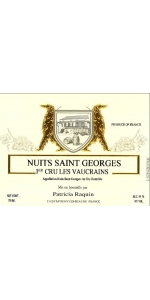
Patricia Raquin Nuits St. Georges les Vaucrains is made from 100 percent Pinot Noir.
"Vaucrains" comes from old French word meaning place with very little fertility (which is very good terroir for grape production)
Nuits-Saint-Georges AOC: AOC wines since 1936, 757 acres of grapes, 97 % red wine, 3 % white wine. Nuits refers to “walnuts in the area, not night”….41 Premier Cru vineyards
Tasting Notes: Powerfull aromas with lots red wild fruits, full bodied wine with great aging potential.
VINEYARD: Gravel and Silt
HARVEST: Harvest by hand.
VINIFICATION: Harvest by hand. Traditional vinification in thermoregulated stainless steel. Pre-fermentation – temperature controlled cold maceration during 10 days. Long fermentation during which pigeages and pumping over are performed. Post-fermentation - maceration at 30°C for 5 days.
AGEING: Aged in new French oak barrels for 16 months.
Roast lamb - Rib steaks - duck
Patricia Raquin Nuits St. Georges les Vaucrains is made from 100 percent Pinot Noir.
"Vaucrains" comes from old French word meaning place with very little fertility (which is very good terroir for grape production)
Nuits-Saint-Georges AOC: AOC wines since 1936, 757 acres of grapes, 97 % red wine, 3 % white wine. Nuits refers to “walnuts in the area, not night”….41 Premier Cru vineyards
Tasting Notes: Powerfull aromas with lots red wild fruits, full bodied wine with great aging potential.
VINEYARD: Gravel and Silt
HARVEST: Harvest by hand.
VINIFICATION: Harvest by hand. Traditional vinification in thermoregulated stainless steel. Pre-fermentation – temperature controlled cold maceration during 10 days. Long fermentation during which pigeages and pumping over are performed. Post-fermentation - maceration at 30°C for 5 days.
AGEING: Aged in new French oak barrels for 16 months.
Roast lamb - Rib steaks - duck
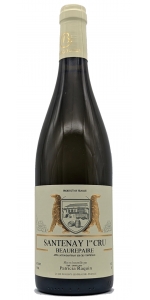
Patricia Raquin Santenay 1er Cru Beaurepaire is made from 100 percent Chardonnay.
The animals shown on the label are dogs. The breed is called Borzoi, also called "Russian Wolfhound", which means "fast" in Russian. Patricia and Alain are proud owners of 2 Borzois and they designed this label so that the dogs will be guardian of the vaulted ageing cellar inside their house.
The Santenay Santenay is coming from the Premier Cru called Beaurepaire.
The wine is showing a great pale yellow color with gold highlights. The nose is very delicate displaying aromas of white blossoms with just a hint of oak. In the mouth, the wine is very soft with a great deal of minerality, superb length and a tangy finish.
Patricia Aragon Fino is aged under a protective veil of yeast ("flor" which is said to protect the wine from oxidation, leaving it pale, delicate and crisp) for an average of 4 years, Patricia Fino has a clean pale straw color with a slight tint of green. On the nose it's clean and fresh showing aromas of "flor" ageing and a nice nutty, saline character. On the palate it's light, crisp and dry with a pleasant bitterish finish with hints of coffee and licorice. This wine is served chilled as an aperitif, often accompanied by tapas and shellfish.
"A Fino made of Pedro Ximenez. Medium gold with touch of amber. Tangy, rich nose with olive oil notes. Full and rich on layered palate of dried fruit, baked apple. Full, fine finish."
- International Wine Review (Nov 2008), 90 pts
"This wine hails from Spain's Montilla region, next to Jerez, the traditional sherry area. It is fruitier than finos from Jerez, with bright, fresh flavors and excellent balance."
- Washington Post (Jan. 09)
VERY GOOD
The Patricia Estate
The company Aragón y Cía. was founded in 1946, but the winery itself has been in operation since at least 1877. A prize awarded at the Córdoba wine exhibition of that year documents that the winery was producing wine at that date, and it's more than likely that the installations were in operation well before 1877. Situated in Lucena in the province of Córdoba, the Aragón cellars hold some 2,500 "botas" (500 liter oak barrels) using the "solera" system to convert fresh white wine from Pedro Ximénez grapes into the typical "finos", "amontillados" and "olorosos" of Montilla-Moriles.
The Patricia Vineyards
As is the case with most Montilla-Moriles producers, Aragón is an ageing cellar and does not own vineyards. The vineyards of the region are mainly Pedro Ximénez (PX) grapes (over 80%). The region's dry hot climate allows the naturally high sugar PX grapes to attain up to 17º alcohol potential. This means the wines produced here do not generally require the addition of alcohol (fortification), which is necessary for sherries. Aragón's expert tasters carefully select fresh, recently fermented PX wines, which are then transferred to the cellars for long periods of "solera" ageing.
Montilla-Moriles in the province of Cordoba, in Andalucía. The D.O spreads over 10,200 hectares (25,194 acres) of vines planted on limestone soils, at 300-600 meters above seal level.
Kysela Pere et Fils, LTD imports three styles of their Patricia sherry: Fino, Amontillado and Cream (the Cream is more like a P.X. Reserve).
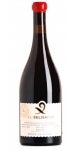
It is the purest example of tempranillo grapes from Rioja Alavesa. Coming from a vineyard over a hundred years old with an extremely low production. You can taste a high concentration of ripe fruit, well-bodied, with a final touch of toffee and lime soil plus a perfect acidity which makes this wine fresh and very tempting.
VINEYARD From the Cuba Negra Vineyard in southern Labastida, the El Belisario bottling comes from Tempranillo vines planted in 1910.
ALCOHOL 14.5%
PROCESS Fermented naturally in oak foudre. Malolactic fermentation and aging occur in 100% new French oak barriques over two years.
TASTING Along with its brilliant garnet color, aromas of cherries, dried plums, black pepper, and savory mushroom leap from the glass. The palate is fresh and concentrated with mixed red and black fruit, chocolate, menthol, and coffee. Displays a surprisingly elegant nature. Pair with game, red meat and dark chocolate.
Review:
One of those wines that makes you belief in the special magic of old vines, El Belisario hails from La Greña, parcel planted on limestone rich soils in 1910. Aged in older French barrels, it's a focused, nuanced, wonderfully expressive Tempranillo with raspberry, pomegranate and red cherry fruit, filigree tannins, energetic acidity and sweet, caressing oak spices.
96 Points - Top Rated Single Vineyard in Tim Atkin's 2023 Rioja report

Hugl Rosselberg Horse Hill Gruner Veltliner is made from 100% Grüner Veltliner
A powerful, very ripe Grüner Veltliner, intense and full-bodied with a long finish.
The ripe grapes are processed very gently with 12 hours on the skins and then vinified in Stainless Steel tanks. No Oak.
A firm mineral backbone, gives it the strength of character to work well with many cuisines.



