
" We don't sell the wine without touching the vine "

| Country: | Italy |
| Region: | Tuscany |
| Winery: | Poggio Nardone |
| Grape Type: | Sangiovese |
| Vintage: | 2012 |
| Bottle Size: | 750 ml |
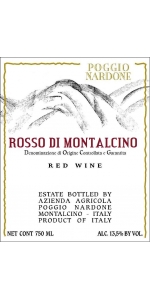
Poggio Nardone Rosso di Montalcino is 100 percent Sangiovese Grosso.
Intense ruby red color with garnet tints.
Intense and delicate aromas of fresh fruits with notes of cherry.
Dry red wine with a good strength and freshness, along with a nice aromatic persistence.
The 5 hectares of specialized vineyards in Montalcino are at an altitude of 350 meters above sea level and are surrounded by woodlands of ilex, oak and arbutus which are characteristic of Montalcino’s hillside habitat. The soil is predominantly composed of marl and limestone which renders this terrain particularly rich in mineral salts.
Pairs well with pasta prepared with meat sauces, mushrooms or truffles; complex rice, main courses of pork or veal with sauces.
Review:
"Aromas of red fruit, rosemary and white smoke. Medium-bodied with bright acidity. Pleasant, savory herbs on the palate. Wet-stone finish. Drink now."
- James Suckling (September 2021), 90 points
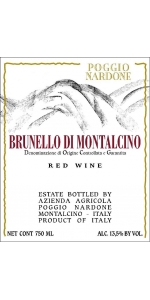
Poggio Nardone Brunello di Montalcino is made from 100 percent Sangiovese Grosso.
The rich nose displays scents of spices combined with aromas of small red ripe fruits, blackberry and blueberry.
Well structured, determined and elegant, with round and silky tannins. Very nice finish.
Alcoholic fermentation was done in tank, malolactic fermentation in oak barrels. Wine was then aged for 3 years in French oak barrels.
Review:
Powerful and classic, it alternates in the best way the floral features of magnolias, gardenias and hawthorn with fruity notes reminiscent of plums, pressed blueberries and lemon juice. Medium-full body, smooth and relaxed in the sip, it closes harmonious and balanced. How beautiful! Better from 2024.
Raffaele Vecchione - WinesCritic.com 94 Points
Poggio Nardone Brunello di Montalcino is made from 100 percent Sangiovese Grosso.
The rich nose displays scents of spices combined with aromas of small red ripe fruits, blackberry and blueberry.
Well structured, determined and elegant, with round and silky tannins. Very nice finish.
Alcoholic fermentation was done in tank, maloactic fermentation in oak barrels. Wine was then aged for 3 years in French oak barrels.
Review:
Noble and decidedly balsamic in the primary profile alternating notes of peppermint, eucalyptus, green tea leaves and guaranà. A lot of very delicate dried cherries are housed in the background giving brilliance and crunchiness. Medium bodied, well extracted mature tannins and a finale which squeezes from the centre palate onwards. Better from 2025.
- WinesCritic.com 93 Points
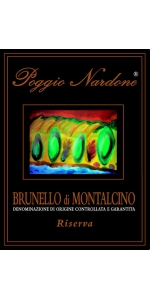
A ruby red garnet color, ripe fruit aromas, dried fruits, hints of licorice and scents of vanilla. Robust and harmonious in the mouth, a rich texture. The wine is only produced in the best vintages.
The grapes are coming from a vineyard planted at 400 meters above sea level. The soil is mainly marl and limestone.
The density of vines per hectare is 5,000 plants, which is equivalent to 2,000 vines per acre.
The pruning technique used is cordon
The grapes used are 100% Sangiovese grosso
Alcoholic fermentation was done in tank, while the Malo-Lactic fermentation was carried in oak barrels.
Wine was then aged for one year in big French oak barrels and 3 years in Slavonian oak barrels.
Review:
Rich and very slender in the sensory profile alternating notes of black prunes, blackberries, sandalwood, incense, camphor, withered white flowers and vetiver. Hints of woodland undergrowth animate the secondary scene giving it a dark character. Full bodied, soft tannins and a solidly performing finale. Better from 2024.
Raffaele Vecchione - WinesCritic.com 93 Points
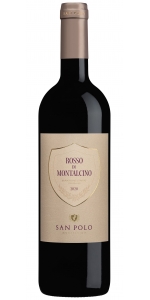
Bright and glossy ruby red in color. On the nose it reveals aromas of small fresh berries and a trace of sour cherry, melded with hints of blackberries and black cherries, followed by a hint of vanilla. A fragrant wine with satisfying intensity. On the palate it is warm, smooth and a medium-bodied with finely-balanced tannins. Dry and sinewy yet fresh with a persistent, aromatic finish.
It naturally accompanies dishes that are typical of Tuscan cuisine with its bold, authentic flavors, such as pasta and risottos made with mushrooms or truffles, pork, grilled meats and medium-matured cheeses.
Review:
Notes of ripe cherries, dried flowers and walnuts with hints of anisette and licorice. Medium- to full-bodied, compact and dense with creamy tannins and steady acidity. Weighty and structured. Drink or hold.
-James Suckling 91 Points
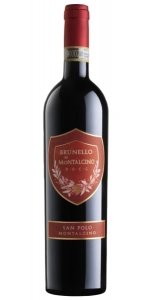
Poggio San Polo Podernovi Brunello di Montalcino is made from Sangiovese.
Intense ruby red in color with garnet hues, clear and glossy. The bouquet exhibits typical aromas of violets and small red berries. Subtle nuances of forest undergrowth, aromatic wood, a touch of vanilla and jammy mixed fruit then give way to subtle hints of coffee. This Brunello is intense, persistent, broad and heady. Full-bodied and warm on the palate, with a densely-woven texture and robust body, it has a persistent finish with well-rounded tannins. The particular features of the terroir at San Polo produce a Brunello with a capacity for lengthy aging, while patient cellaring enhances the wine during ageing in the bottle.
Review:
Lovely purity of fruit with ultra fine tannins and depth, finesse and complexity. Black cherries, cedar and some flowers. It’s full-bodied with very fine tannins that drive the finish. Give it a year or two to open more, but already so enticing. Drink or hold.
-James Suckling 96 Points
The San Polo 2015 Brunello di Montalcino Riserva (with 8,000 bottles produced) is a textured wine with hearty fruit and touches of smoked meat and spice. At its core, the wine offers dark fruit, blackberry and ripe plum. The rich fruitiness of the wine cedes to campfire ash, mahogany and furniture wax. These results are sultry and even a bit flashy, with distant background tones of teriyaki and plum sauce. The wine is fermented in cylindrical oak fermenters and aged in oak for three years. We'll see this bottle hitting the market sometime after February 2021.
-Wine Advocate 95 Points
Poggio Nardone Rosso di Montalcino 2012 is 100 percent Sangiovese Grosso.
Intense ruby red color with garnet tints.
Intense and delicate aromas of fresh fruits with notes of cherry.
Dry red wine with a good strength and freshness, along with a nice aromatic persistence.
The 5 hectares of specialized vineyards in Montalcino are at an altitude of 350 meters above sea level and are surrounded by woodlands of ilex, oak and arbutus which are characteristic of Montalcino’s hillside habitat. The soil is predominantly composed of marl and limestone which renders this terrain particularly rich in mineral salts.
Pairs well with pasta prepared with meat sauces, mushrooms or truffles; complex rice, main courses of pork or veal with sauces.
The Poggio Nardone Estate
The estate Poggio Nardone has been founded in 1996 by Tiziano and Alessandra that, having found some manuscripts down their grandfather in which it wrote of this old place where the wine-dresser produced wine, they have tried to recreate it with their experience matured in the family estate.The estate Poggio Nardone is partially situated in the both the southwest of Montalcino as well as in the area of Montiano near the coast of the Maremma Toscana.
"A tiny estate making classically styled Brunello with consistent quality; the wines have great balance and complexity." - Anthony Dias Blue's pocket guide to wine 2006
The Poggio Nardone Vineyard
The 5 hectares of specialized vineyards in Montalcino are at an altitude of 350 meters above sea level and are surrounded by woodlands of ilex, oak and arbutus which are characteristic of Montalcino’s hillside habitat. The soil is predominantly composed of marl and limestone which renders this terrain particularly rich in mineral salts.
The 3 hectares in the Maremma are situated at an altitude of 220 meters above sea level on a plot of land formed primarily of sandstone and quartz reefs. These vineyards are west facing, and are therefore well ventilated by Mediterranean sea breezes.
Poggio Nardone’s modest size is such that the producer, with care and expertise, can thoroughly dedicate attention to every detail of the estate’s production.
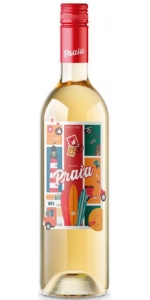
Praia Aveleda Vinho Verde NV is made from 40% Loureiro, 20% Trajadura, 20% Arinto, 20% Azal.
Praia, which means "beach" in Portuguese, is a smooth and fresh wine with delicate and lovely fruity flavors. Slightly spritzy, it is well balanced and very refreshing.
The region is typical for its unique wines that are fresh and light, combined with a very well balanced acidity. These characteristics result from the region's unique soil and climate, with a strong Atlantic influence that you will identify when you taste it.
The wine is ideal as an aperitif or throughout a meal, especially with fish, seafood, white meat and salads. Due to it freshness, it is particularly pleasant in a relaxed and informal ambiance.
Opus One Overture 2022 is in stock and ready to ship.
Beginning in 1993 and following in the tradition of great Bordeaux estates, Opus One created a fine second wine called Overture. Every acre of the estate vineyard is meticulously farmed with the attention to detail and singular focus required to produce Opus One. This scrutiny carries through the blending process and certain lots will not be included in the final Opus One blend. Yet, when these lots are afforded additional time in barrel along with the added flexibility of blending across multiple vintages, the final wine achieves a remarkable elegance and complexity.
Overture 2022 captivates you from the start. Its aromatic profile weaves a complex tapestry of bright cherry, fresh forest berries, and cut rose stems interwoven with delicate scents of violets, toasted almond, and anise. Blackberry, blueberry, and wild cherry take the lead on the palate with a lively acidity that adds a vibrant edge. The finish is long and rounded, with a touch of mocha and black tea that showcase the wine’s depth. This expression of selected parcels from our estate vineyards will age gracefully for years to come.
Despite its relative youth, Zweigelt is actually an Austrian classic. This variety was created in 1922, when Dr. Fritz Zweigelt crossed two grapes - St Laurent and Blaufränkisch. Originally, it was intended for the new variety to be called Rotburger, referring to the place where it was born, Klosterneuburg. But this name never took hold, and instead, Zweigelt was named after the man who was the key in its development.
Today, Zweigelt is the most widely planted red variety in Austria, growing in nearly 9% of this country's vineyards. It is a robust grape, highly resistant to dryness, frost and various diseases.
The wine boasts a pale rosé color, it has plenty of fruity aromas, with red cherry and wild strawberry flavors. It is medium-bodied, but it still have a nice long and pleasant finish with a light cinnamon type of spice to it.
Only the best grapes are harvested with a lot of experience and know-how and further processed. The grapes are fermented directly gently pressed and cooled. The fermentation takes place exclusively in stainless steel tanks.
Perfectly at home on any picnic, delicious with fried chicken, and tames the heat when paired with spicy dishes. There is also a slight watermelon note that makes it perfect for spring and summer. A great pairing with barbecued shrimp.



