" We don't sell the wine without touching the vine "
| Country: | France |
| Region: | Languedoc |
| Winery: | Cave de Pomerols |
| Grape Type: | Syrah |
| Vintage: | 2015 |
| Bottle Size: | 750 ml |
Pomerols Beauvignac Syrah Rose is 100% Syrah
Pink colored, firm in the style of a Tavel rosé, the wine shows strawberry aromas, candy notes on the nose and cherry and pomegranate flavors on the palate. The wine is silky, elegant, crisp and refreshing.
The Syrah is bled off after 8 hours of maceration.
-150x300.jpg "Pomerols Picpoul Pinet H.B. Languedoc 2024")
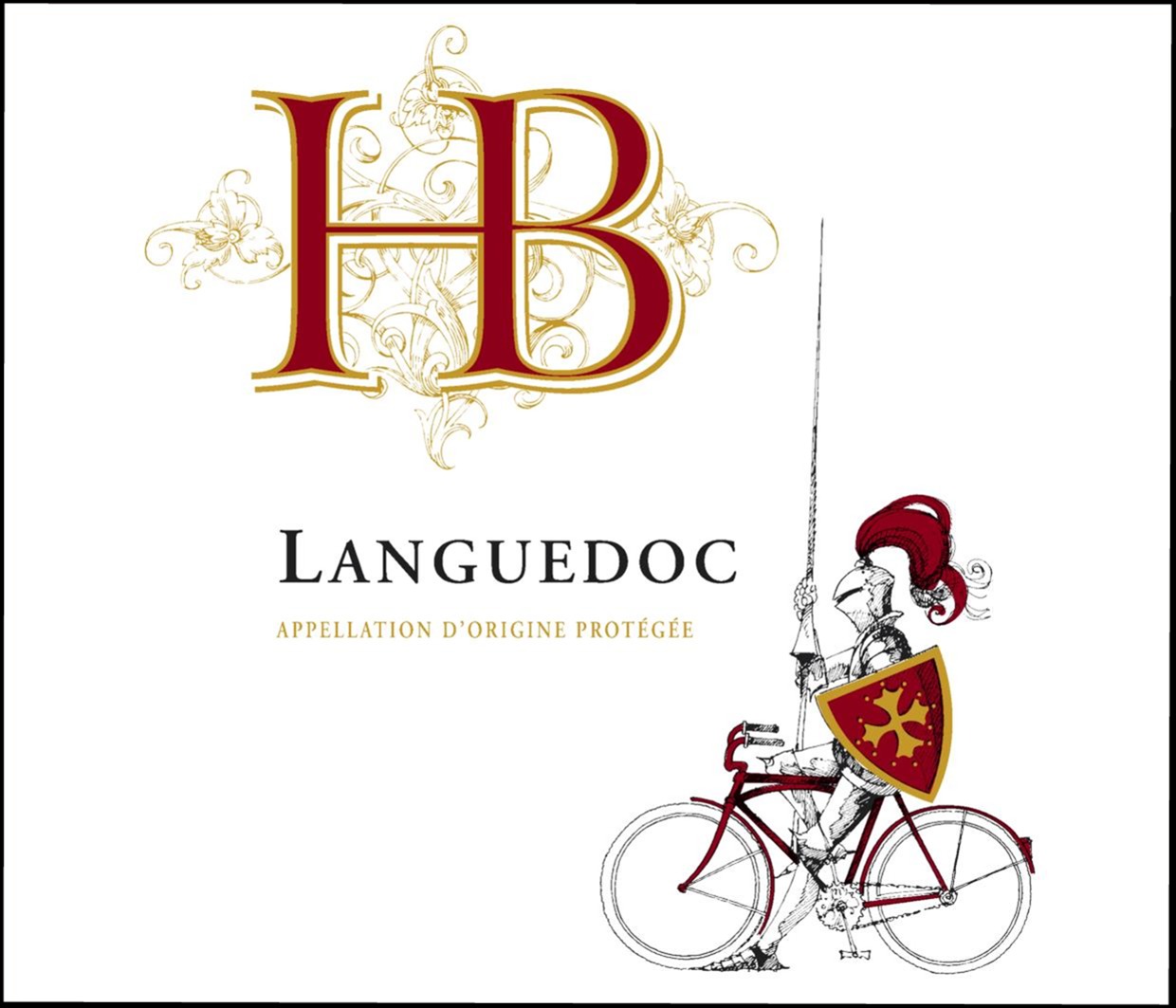
Pomerols Picpoul Pinet HB Languedoc is made from 100 percent Picpoul.
Pale yellow color with green tints. Fresh and fine aromas of grapefruit and exotic fruit. Lime flavors, with typical focusing acidity, are hallmarks of Picpoul. Our best value, this wine impresses novices and hardened geeks equally.
The Prisoner Wine Company The Prisoner Red Blend is made from a blend of Zinfandel, Cabernet Sauvignon, Petite Sirah, Syrah, and Charbono.
Bright aromas of ripe raspberry, vanilla, and coconut give way to flavors of fresh and dried blackberry, pomegranate, and vanilla, which linger harmoniously for a smooth and luscious finish.The Prisoner Red Blend was inspired by the wines first made by the Italian immigrants who originally settled in Napa Valley. The Prisoner is now the most recognized red blend, leading the resurgence of interesting blends by incorporating Zinfandel with the unlikely mix of Cabernet Sauvignon, Petite Sirah, Syrah, and Charbono.
On the nose, dried blackberry, dried açai berries, and hints of cedar and tobacco leaf are accented by sweet spices of clove, cinnamon, and nutmeg. Flavors of ripe dark cherry, blackberry coulis, and hints of anise linger harmoniously for a soft, vibrant finish balanced by ripe tannins.
Chef Brett recommends pairing The Prisoner Red Blend with Kalbi Short Ribs or Chicken Mole Tostada.
Vineyards: When you outgrow winemaking tradition, you must forge your own path. And we did. The Prisoner exists because of the collaboration with our growers, many of which have been with us since the very beginning—from the Solari Family Vineyard in Calistoga, where old school sensibilities meet new techniques, to the Korte Ranch in St. Helena, a vineyard whose diligence outlasted the Prohibition and has sustained four generations.
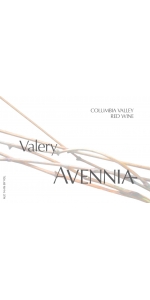
Avennia Valery Red Blend is made from 86% Merlot and 14% Cabernet Franc
Valery is named for the patron saint of wine in the St. Emilion region that inspired it.
We started with old vine Merlot from a stony block in the heart of the Yakima Valley and added complex, aromatic Cabernet Franc from the Horse Heaven Hills. The result is a balanced, complex wine with the elegance and ethereal perfume that this blend of two of Washington’s best varietals are known for.
The nose on this wine is very perfumed, almost exotic with notes of fresh violets, red plum, winter mint, fresh herbs and crushed limestone qualities. The palate is poised and balanced, with red fruits and mocha powder encapsulated in limestone. The finish lingers delicately, with the Cabernet Franc asserting a light tobacco and herb note, giving depth. A compelling wine that will continue to unwind for 7-10 years in the cellar.
Review:
"Brought up in 30% new French oak, the 2016 Valery (70/30 Merlot and Cabernet Franc) offers more black cherry and earthy, herbal notes as well as a medium-bodied, seamless, beautifully balanced style. It too shows a vibrant, fresh, yet concentrated style that has a Bordeaux feel in its weight and texture."
- Jeb Dunnuck (April 2019), 93 pts
"Good medium-dark red. Aromas of blueberry, mocha, licorice and violet are a bit darker than those of the 2015 version. Dense and penetrating, with wild flavors of dark berries, licorice and game given lift by rocky minerality and a minty nuance. Chris Peterson slightly acidified his Cabernet Franc from Champoux Vineyard, which he added to the wine for richness. This beauty may yet tighten up in the bottle.- Stephen Tanzer"
- Antonio Galloni's Vinous (November 2018), 92+ pts
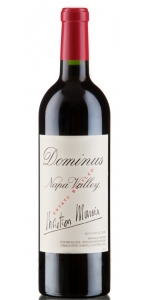
Dominus Napa Valley Red Blend is made from 88% Cabernet Sauvignon, 7% Cabernet Franc, 5% Petit Verdot.
The historic Napanook Vineyard, a 124-acre site west of Yountville, was planted in 1838. This vineyard was the source of fruit for some of the finest Napa Valley wines. Estate-bottled in the spirit of the Bordeaux châteaux, Dominus Estate is dry-farmed to allow natural stress and good concentration of fruit. Grape clusters are crop-thinned to allow sun and air to pass in between, helping to achieve full maturation and soften the tannins. Only 20% to 40% new French oak barrels are used in order to limit the extraction of oak notes. To express the unique terroir, the classic Bordeaux grape varietals of Cabernet Sauvignon, Merlot, Cabernet Franc and Petit Verdot are planted with different root stocks best suited for the varying soil composition of gravel, heavy clay and loam.
Reviews:
One of the legendary Dominus, the 2021 Cabernet Sauvignon is unquestionably in the same league as the 2018, 2016, 2015, 2013, 2010, and 1991, and to my mind, wine simply doesn't get any better. Sporting a dense purple hue as well as an incredible perfume of blackcurrants, crushed stone, cedar pencil, smoke tobacco, and baking spices, it s rich, full-bodied, and voluptuously textured, with ripe yet building tannins. It reminds me slightly of the 2010 (maybe the 2013), and I suspect it will have a similar evolution. Hide bottles for 7-8 years, and it will evolve gracefully for 30+ years. Hats off to the team of Christian Moueix and director Tod Mostero.
Jeb Dunnuck 100 Points
Dominus Napa Valley Red Blend is made from 88% Cabernet Sauvignon, 7% Cabernet Franc, 5% Petit Verdot.
The historic Napanook Vineyard, a 124-acre site west of Yountville, was planted in 1838. This vineyard was the source of fruit for some of the finest Napa Valley wines. Estate-bottled in the spirit of the Bordeaux châteaux, Dominus Estate is dry-farmed to allow natural stress and good concentration of fruit. Grape clusters are crop-thinned to allow sun and air to pass in between, helping to achieve full maturation and soften the tannins. Only 20% to 40% new French oak barrels are used in order to limit the extraction of oak notes. To express the unique terroir, the classic Bordeaux grape varietals of Cabernet Sauvignon, Merlot, Cabernet Franc and Petit Verdot are planted with different root stocks best suited for the varying soil composition of gravel, heavy clay and loam.
Reviews:
One of the legendary Dominus, the 2021 Cabernet Sauvignon is unquestionably in the same league as the 2018, 2016, 2015, 2013, 2010, and 1991, and to my mind, wine simply doesn't get any better. Sporting a dense purple hue as well as an incredible perfume of blackcurrants, crushed stone, cedar pencil, smoke tobacco, and baking spices, it s rich, full-bodied, and voluptuously textured, with ripe yet building tannins. It reminds me slightly of the 2010 (maybe the 2013), and I suspect it will have a similar evolution. Hide bottles for 7-8 years, and it will evolve gracefully for 30+ years. Hats off to the team of Christian Moueix and director Tod Mostero.
Jeb Dunnuck 100 Points
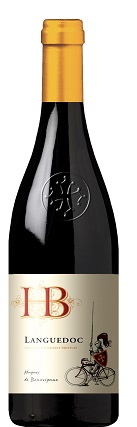
Pomerols HB Languedoc Red Blend is made from 80% Syrah and 20% Mourvedre
Deep dark ruby color, elegant on the nose with notes of intense red fruits and soft spices. Soft, ample and fruity on the palate, lingering with soft spices.
Plot selection from old vines, mechanical harvest, 100% destemming and traditional maceration for 21 days, selected yeast, load treading or "released" , pumping-over, temperature control during fermentation ( less than 25°C), malolactic fermentation in vats, aged one full year in vats.
The Cave de Pomerols Estate
Founded in 1932, this Cave Cooperative is located in the top commune of Pomerols, located between the garrigue of Pezenas and the sea dominated by the Mont St Clair in Sete. The co-op has merged with the Cave de Castelmau de Guers. They include 320 members and produce 55,000 hectoliters of wine (600,000 cases).
The Cave de Pomerols Vineyard
The members control 1,200 hectares of vineyard land (2,964 acres) of which 330 hectares (815.1 acres) are Picpoul de Pinet. Six communes are entitled to the name Picpoul de Pinet: Florensac, Pomerols, Pinet, Castelnau de Guers, Montagnac, Meze. The Pomerols vineyards stretch over vast sun-light terraces with clay/calcareous soils.
The Gigondas appellation is naturally delimited by the Dentelles de Montmirail to the east and the upper plateaux of the Ouvèze River to the west. The rugged topography of the Dentelles, amazing limestone pyramids, protects the vines from excessive summer heat and the full force of the mistral. Our vines grow on steep terraces up to 400 metres in altitude.
This Cru Gigondas displays a fine balance between freshness and an impression of sweetness due to old Grenache vines planted at high altitude. The wine is big on the palate, with a dense texture of rich, ripe tannin. Its polished personality reflects a top-rate terroir.
Review:
"Very full, rich and luxurious in style with ripe red berries and some rich, meaty fruit coming through on the palate; grainy and gritty tannins, with plenty to chew on. Feels youthful and tight but harmonious. The lovely acid line brings precision and pep. Tapered finish. Very appealing!"
- Decanter WWA 2022, 96 points and Gold Medal
Bavencoff Bourgogne Pinot Noir is made from 100 percent Pinot Noir.
Color of medium intensity, purplish in its youth at present, changing to ruby then garnet, after several years in the bottle.
The nose offers intense aromas of cherries, kirsch and fresh strawberry. The palate is the perfectly balanced between round tannins and an elegant freshness. It is harmonious and medium-bodied with a silky and elegant texture and a delicious lingering finish.
Alcoholic fermentation in stainless tanks for 3 weeks. Malolactic fermentation : 80% in stainless tank and 20% in one year old casks (Allier).Manual harvest.
Produced from 100% Pinot Noir planted on clay and limestone soils.
Grilled or boiled red meats, roasts, mild game, soft cheeses like Camembert and Brie.