
" We don't sell the wine without touching the vine "
I am a new customer.
By creating an account at Timeless Wines you will be able to shop faster, be up to date on an orders status, and keep track of the orders you have previously made.

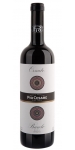
Pio Cesare Ornato Barolo is made from 100 percent Nebbiolo.
Vineyards
The very first Single Vineyard Barolo produced by the Pio Family, for the first time in 1985. Great structure, power, concentration, with a very long life. Produced in small quantities.
Vinification
In stainless steel tanks at high temperatures. Maceration for 30 days. Ageing In large oak “botti” for about 30 months; a small amount in French oak barriques for the first 12 months.
Review:
Complex on the nose, offering a blend of ripe red berries, nutty minerals, orange-peel and spice. Some savory, almost meaty notes, too. Full, compact and intense, yet there’s a graceful feel to the palate, thanks to the really fine web of tannin. Super polish and promise here. Classy. Needs some time.
-James Suckling 96 Points
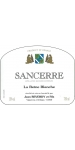
Jean Reverdy Sancerre Blanc is 100% Sauvignon Blanc
Single vineyard. Vinification: cold fermentation in stainless steel tank, no oak, no malolactic fermentation.
Sweet, fruity and clean. White flowers (acacia, jasmine) and citrus fruits aromas. Perfectly balanced.
A delicious wine, perfect with fish dishes, especially salmon, and a local goat cheese Crottin de Chavignol.



