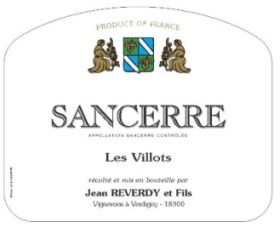
" We don't sell the wine without touching the vine "
| Country: | France |
| Regions: | Loire Sancerre |
| Winery: | Jean Reverdy |
| Grape Type: | Pinot Noir |
| Vintage: | 2017 |
| Bottle Size: | 750 ml |
Reverdy Jean Sancerre Rouge is mader from 100% Pinot Noir
The wine is spicy and juicy with cherry aromas, and proves the point that power is not necessary for a fine wine.
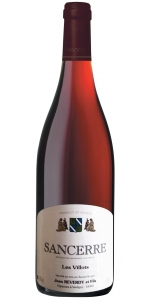
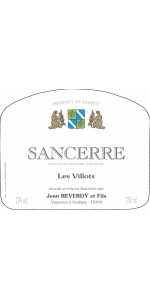
Reverdy Jean Sancerre Rouge Les Villots is made from 100% Pinot Noir
The wine is spicy and juicy with cherry aromas, and proves the point that power is not necessary for a fine wine.
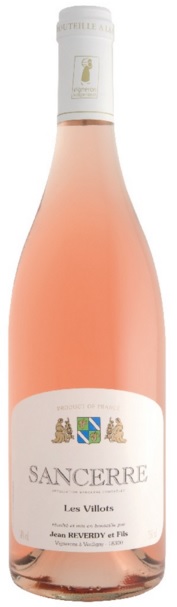
Reverdy Jean Sancerre Rose is made from 100 percent Pinot Noir.
Color: Pale salmon pink color
Nose: delicate aromas of roses and orange blossom that will transform into gooseberry and peach blossoms as the temperature in the glass rises.
Mouth: The palate is crisp, lean and elegant, but the flavors are quite persistent with cherry, blackcurrant,apricot and red currant aromas.
According to the Sancerre AOC regulation, maximum yield authorized for the rosé is 55 hl/ha.
Pairs well with poultry and spicy food.
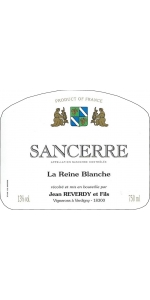
Jean Reverdy Sancerre Blanc is 100% Sauvignon Blanc
Single vineyard. Vinification: cold fermentation in stainless steel tank, no oak, no malolactic fermentation.
Sweet, fruity and clean. White flowers (acacia, jasmine) and citrus fruits aromas. Perfectly balanced.
A delicious wine, perfect with fish dishes, especially salmon, and a local goat cheese Crottin de Chavignol.
Reverdy Jean Sancerre Rouge is mader from 100% Pinot Noir
The wine is spicy and juicy with cherry aromas, and proves the point that power is not necessary for a fine wine.
Reverdy Jean Sancerre Rouge Les Villots is made from 100% Pinot Noir
The wine is spicy and juicy with cherry aromas, and proves the point that power is not necessary for a fine wine.
Lean and light with apricot and red currant aromas.
Made from 100% Pinot Noir. 90% press wine, 10% saignee from the Pinot Noir Rouge.
Pairs well with poultry and spicy food.
The Domaine Jean Reverdy Estate
This Domaine is located in Verdigny, one of the top villages in Sancerre. It dates back to 1650 and has been in the family for about 10 generations. Originally the family was growing vines and diverse polycultures, but since the 1950’s they have been focusing on producing wine only. Christophe Reverdy, son of the late Jean Reverdy, now produces around 100,000 bottles per year on average and exports 70% of the total production to UK, Germany, Sweden, Japan and the USA.
The Domaine Jean Reverdy Vineyard
The Domaine spreads over 12 hectares (29.64 acres): 9 hectares Sauvignon, 3 hectares Pinot Noir, and produces red, rose and white wine. The age of the vines is 25 years and older. The vineyard is divided into 15 parcels located on the hills of Verdigny, Saint Satur, Sancerre and Thauvenay.
The vineyards are planted on three different types of soil:
- silicious-clay soils, "Terres a Silex" (east of the hills) - 55%
- pebbly limestone soils, known as the "Caillottes" - 35%
- clay and limestone white soils, the "Terres Blanches" (west of the hills) - 10%
The vineyard of Sancerre measures 2,500 hectares (6,175 acres) total and spreads over 14 communes: Bannay, Bué, Crezancy, Menetou-Ratel, Menetreol, Montigny, St-Satur, Ste-Gemme, Sancerre, Sury-en-Vaux, Thauvenay, Veaugues, Verdigny and Vinon.
The Sancerre A.O.C. was created in 1936 for the white wines and in 1959 for the reds.
G.D. Vajra Bricco Delle Viole Barolo is made from 100 percent Nebbiolo.
The Barolo Bricco delle Viole shows the signature verticality of its vineyard. The wine is beautifully layered and - while restrained as it’s always the case in the youth of Bricco delle Viole - it also shows a complexity of layers with purple flowers, sweet spices and mineral tones. The palate is noble, with a refined acid spine and profound tannins that promise a long aging potential.
Among the historical vineyards of Barolo, Bricco delle Viole is the highest and the closest to the Alps. It rises from 400 to 480 meters above sea level, on the Western ridge of the village. Its name, “Hill of Violets”, originates from the flowers that blossom early here due to the perfect south exposure. Up above the fogs, Bricco delle Viole enjoys the earliest sunrise and the last sunset every day. Thanks to its vines dating back to 1949 and -now- 1931, a dramatic diuturnal temperature range and this pure light, Bricco delle Viole generates a sophisticated and profound Barolo DOCG of bright aromatics, chiseled tannins and subtle minerality. 2018 is a vintage that shows many nuances of Bricco delle Viole: beyond the signature verticality of this site, the wine offers high tones laced with mineral nuances and plenty of energy and youth.
Review:
A juicy Barolo, with vibrant acidity and a fluid profile that exudes cherry, raspberry, mown hay, mineral and eucalyptus aromas and flavors. Tight yet long, with excellent potential.
#26 Wine Spectator Top 100 of 2023
The last wine poured at my tasting at the winery is the G.D. Vajra 2019 Barolo Bricco delle Viole. With its high vantage point in the hills west of Barolo, Bricco delle Viole is a world apart in terms of soils (with Sant'Agata marl and fossils) and even harvest times. Slow and careful ripening like the kind that characterizes fruit in 2019 renders a very delicate and ethereal expression with floral tones, wild mint and licorice. This organic wine is solid in build and structure. Indeed, Isidoro Vaira remarks that Nebbiolo tannins have changed since the 1970s and 1980s.
-Wine Advocate 97+ Points
Jeweled in appearance, the 2019 Barolo Bricco Delle Viole may be the best wine I have tried yet from Vajra. Its gorgeous and alluring perfume of fresh roses is followed by a Burgundian, elegant red with incredible length and no harsh edges, fine and present tannins, and beautiful, graceful concentration. It is drinking well now, and I will be trying to get my hands on as much of this as possible. Drink 2025-2045.
-Jeb Dunnuck 97 Points
Ptit Paysan Cabernet Sauvignon is made from 91% Cabernet Sauvignon, 6% Petite Verdot, 3% Cabernet Pfeffer.
Oak: 11 months on lees in neutral barrels
The Cabernet Sauvignon is sourced from a vineyard at the foot of the Santa Cruz Mountains west of Morgan Hill, which grows in a mix of granitic and volcanic soils, and a 25-year-old vineyard east of Gilroy, which grows in deep, extremely sandy soils against the foothills of the Diablo Range. The Petite Verdot is sourced from the Paicines AVA and grows in rocky alluvial deposits above the Tres Piños Arroyo. All three vineyards experience the warm days and cold nights typical of the Central Coast, allowing these late ripening Bordeaux varieties to be picked at high acidity and moderate sugars.
Le P'tit Paysan offers intense blackberry, dark cherry aromas, chocolate, herbaceous and toasty notes on the palate. Medium-bodied, well-balanced with moderate and integrated tannins that give structure and liveliness to the wine.
Pairs well with steak, duck, game, hearty stews, ribs, and dark, rich sauces.