" We don't sell the wine without touching the vine "
| Country: | South Africa |
| Region: | Riebeek Kasteel |
| Winery: | Riebeek Cellars |
| Grape Type: | Sauvignon Blanc |
| Vintage: | 2016 |
| Bottle Size: | 750 ml |
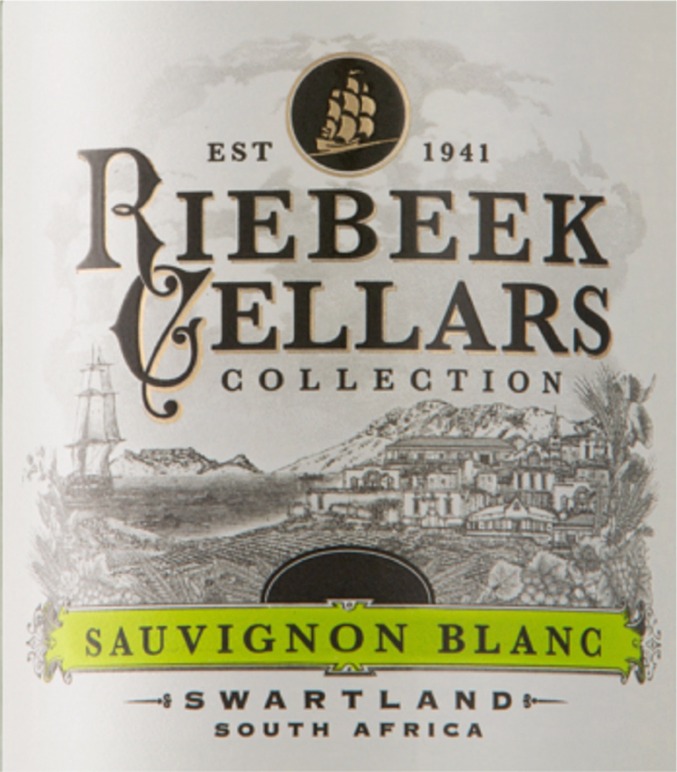
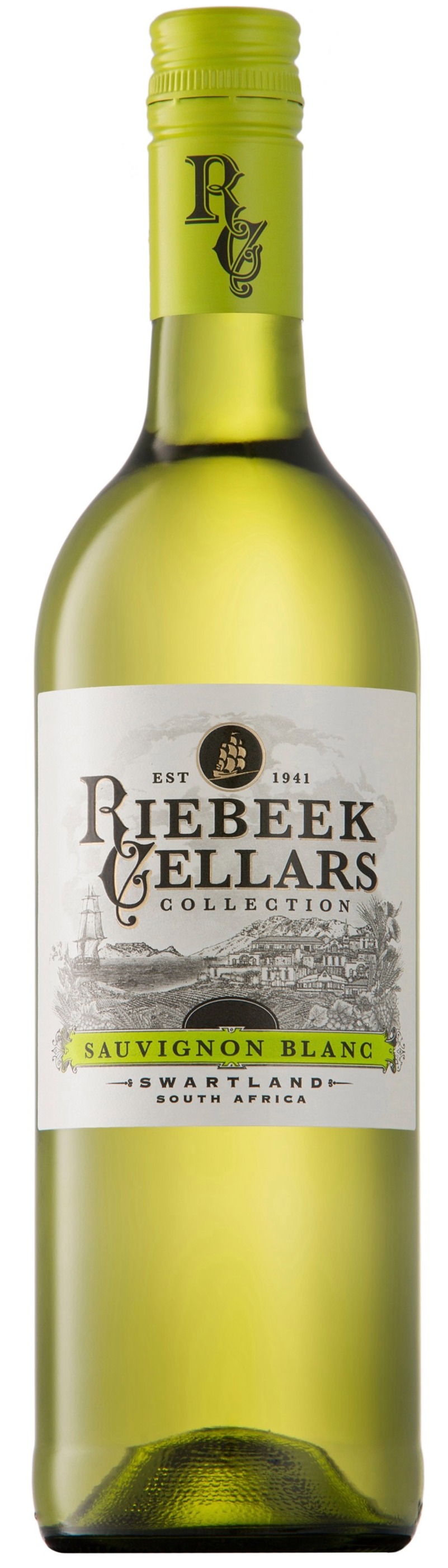
Riebeek Sauvignon Blanc is 100 percent Sauvignon Blanc.
Made in a definite herbaceous style, this Sauvignon Blanc also offers tropical undertones of gooseberries that add fruit to the palate. Well-balanced with zesty acidity; fresh & crisp.
Treated as reductively as possible. Juice settled for 2 weeks at -4 Celsius to give green lees contact. Blocks fermented separately to ensure a complex flavor profile after blending. After fermentation was completed, various wines were blended to obtain the best characteristics of each wine.
Very refreshing on its own and lovely with crisp salads, light seafood dishes, tapas, steamed green asparagus and aioli.
Riebeek Sauvignon Blanc is 100 percent Sauvignon Blanc.
Made in a definite herbaceous style, this Sauvignon Blanc also offers tropical undertones of gooseberries that add fruit to the palate. Well-balanced with zesty acidity; fresh & crisp.
Treated as reductively as possible. Juice settled for 2 weeks at -4 Celsius to give green lees contact. Blocks fermented separately to ensure a complex flavor profile after blending. After fermentation was completed, various wines were blended to obtain the best characteristics of each wine.
Very refreshing on its own and lovely with crisp salads, light seafood dishes, tapas, steamed green asparagus and aioli.
-150x300.jpg "Never Look Back Sauvignon Blanc 2025")
Riebeek Cellars Never Look Back Sauvignon Blanc is 100% Sauvignon Blanc.
Delicate green flavors with hints of tropical fruit on a crisp, dry finish.
Pairs with seafood, asparagus abd risotto.
Riebeek Cabernet Sauvignon is made from 85% Cabernet Sauvignon,15 % Shiraz.
An exciting new world style wine with upfront blackcurrant flavors. The black fruit is well-balanced with subtle French oak for a complex nose and an elegant and lingering follow-through. An exceptional example of a lighter style Cabernet Sauvignon that can be enjoyed young. Excellent with red meat dishes or veal.
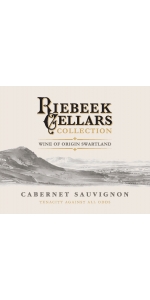
Riebeek Cabernet Sauvignon is made from 100% Cabernet Sauvignon.
An exciting new world style wine with upfront blackcurrant flavors. The black fruit is well-balanced with subtle French oak for a complex nose and an elegant and lingering follow-through. An exceptional example of a lighter style Cabernet Sauvignon that can be enjoyed young. Excellent with red meat dishes or veal.
Cold soaked overnight. Inoculated with selected yeast. Fermentation temperature was between 24 -26 degrees Celsius. Regular pump-overs were given to enhance colour and flavour extraction. Different batches of wine matured with French oak staves and 2nd and 3rd fill barrels were all blended together to perfection.
Served at room temperature, this Cabernet Sauvignon pairs perfectly with red meat dishes, especially classic recipes like roasted leg of lam, grilled lamb chops and beef kebabs.
Riebeek Cabernet Sauvignon is made from 100% Cabernet Sauvignon.
An exciting new world style wine with upfront blackcurrant flavors. The black fruit is well-balanced with subtle French oak for a complex nose and an elegant and lingering follow-through. An exceptional example of a lighter style Cabernet Sauvignon that can be enjoyed young. Excellent with red meat dishes or veal.
Cold soaked overnight. Inoculated with selected yeast. Fermentation temperature was between 24 -26 degrees Celsius. Regular pump-overs were given to enhance colour and flavour extraction. Different batches of wine matured with French oak staves and 2nd and 3rd fill barrels were all blended together to perfection.
Served at room temperature, this Cabernet Sauvignon pairs perfectly with red meat dishes, especially classic recipes like roasted leg of lam, grilled lamb chops and beef kebabs.
Riebeek Sauvignon Blanc is 100 percent Sauvignon Blanc.
This unoaked Chardonnay displays a brilliant green-gold color. The style is dry but fruity. The nose offers exceptional tropical aromas that follow through in the palate with a well-rounded finish of lingering citrus fruits.
It is lovely with most entrees from crisp salads to creamy soups and chicken, whether served grilled or in a creamy sauce.
The Riebeek Cellars Estate
Riebeek Cellars was established in 1941 and is situated in Riebeek Kasteel at the foot of Bothma's Kloof Pass. This medium-sized winery on the western coast of the Cape Province of South Africa sources its grapes from the fertile Riebeek Valley and the slopes of the mountain where the climate is very similar to the Mediterranean. Through the years as vineyard practices developed, cultivars were planted in soil and at slopes best suited to them. These well-tended vineyards enable the production of high quality wines which makes Riebeek Cellars the choice of wine buyers internationally. Well-known both in South Africa and abroad, Riebeek Cellars manages a variety of brands for various countries.
Heritage
Corporal Pieter Cruythoff, a scout of Jan van Riebeeck, founded the Riebeek Valley in 1661. Impressed by the single standing mountain, he called it Kasteelberg (“Castle Mountain”) commemorating the Castle of Good Hope in Cape Town, the fortress of Commander Jan van Riebeeck. The twin towns, Riebeek Kasteel and Riebeek West, established at the foot of Kasteelberg, are therefore also suitably named after Van Riebeeck.
The Riebeek Valley is a mecca of wonderful wines, exceptional food and exquisite art where tourists and locals alike are forever tempted into spending more time than allowed. The serene valley falls in the bigger Swartland region which is called the 'bread basket' of South Africa for its grain production, while it is further internationally acclaimed for its high quality olive products. With various hotels and fine-dining restaurants as well as true country hospitality, the Riebeek Valley has become a very popular tourist destination. The ultimate charm of Riebeek is however in its people and their commitment and passion for wine.
"Located in the Western Cape region of South Africa, this winery was established in 1941, which makes it relatively old compared to all the new wineries that have sprung up in this area. Among the first Pinotages I can recommend, it’s also a good value. Pinotage, which is, of course, ubiquitous in South Africa, was first made in 1941, when the Cinsault grape (primarily grown in southern France and the Rhone Valley) was crossed with Pinot Noir." - Robert Parker's Wine Advocate (Issue 201, June 2012).
Intense violet, hints of lavender, black cherry, fresh leather and spicy flavors (white pepper and clove), rich and concentrated with a lingering spicy finish. Will age gracefully for several decades.
Review:
Morlet doesn’t make much of it, but their Syrah is beautiful and well worth seeking out. The 2018 Syrah Bouquet Garni comes from the cool climate, higher elevation Bennett Valley in Sonoma and offers a big, exotic nose of blackberry and blackcurrant fruits as well sandalwood, dried flowers, new leather, and white pepper. The fruit is ripe and opulent, yet it still holds onto loads of classic cooler-climate Syrah gaminess and peppery notes. Full-bodied on the palate, it’s balanced and has a lively, clean texture, beautiful depth of fruit, and a great finish. Enjoy bottles any time over the coming decade.
-Jeb Dunnuck 97 Points
Deep inky dark fruit aromas alongside gravelly minerals, violet, and Kalamata. The palate flavors follow the aromas with a sweet core of blackberry pastille wrapped up in a coating of cocoa nib and cassis liqueur. The wine is quite densely packed with clear deep intensity before turning silky and graceful on an elegant lavender-infused finish.
Review:
The 2022 Syrah Wild Mountainside comes from two vineyards harvested on September 6 and September 15. It was fermented with a large proportion of whole clusters and matured in around 10% to 15% new oak. The nose is bursting with detailed, expressive aromas of blueberry, black cherry, bacon fat, woodsmoke and aniseed. The medium-bodied palate is expertly restrained in terms of ripeness, with a pleasing touch of crunch to its fruit. It's structured by powdery tannins and mouthwatering acidity and has a long, expressive finish.
- Robert Parker's Wine Advocate 94 Points