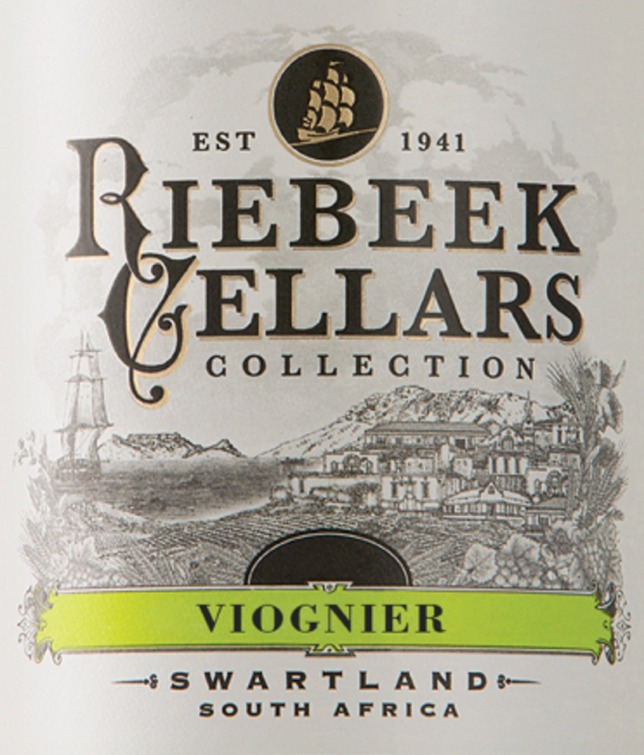
" We don't sell the wine without touching the vine "
| Country: | South Africa |
| Region: | Riebeek Kasteel |
| Winery: | Riebeek Cellars |
| Grape Type: | Viognier |
| Vintage: | 2015 |
| Bottle Size: | 750 ml |
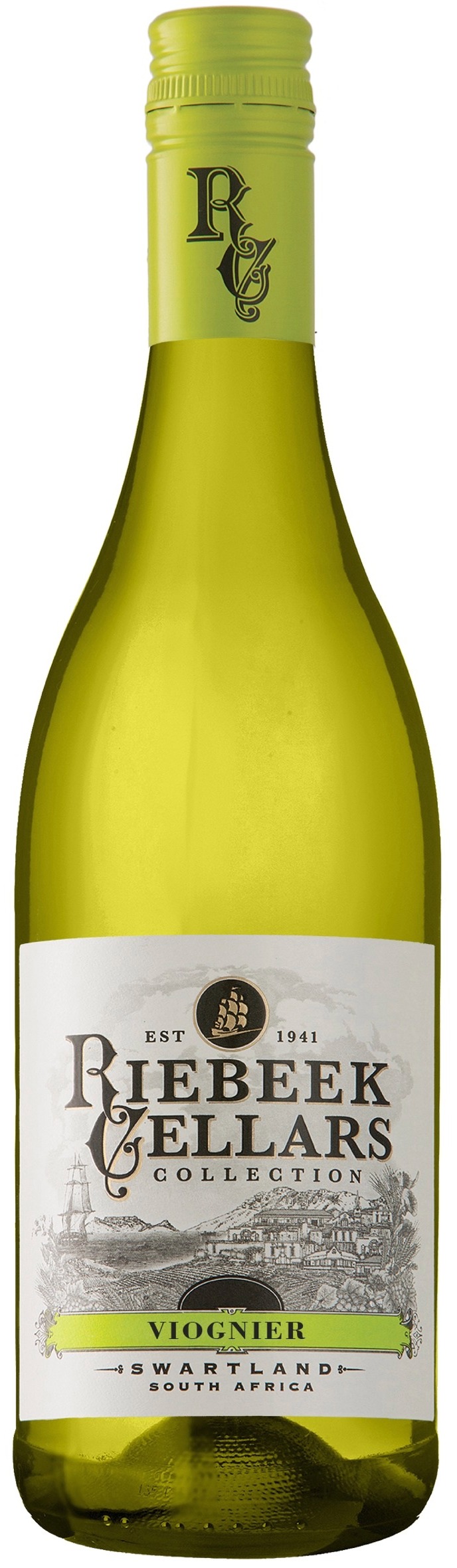
This unoaked style of Viognier offers an accessible wine with enough body but without wood flavors.
The color is a brilliant green-gold and the style is dry but fruity. The perfume of a floral bouquet greets the nose and follows through with lovely tropical flavors in a light but lingering palate.
Free run juice was used. After settling and acid adjustment, it was inoculated with selected yeast. Fermentation temperature stayed between 13-14 degree Celsius. Wine was left on lees for few months prior to bottling to enhance the flavor. Alcohol: 13.82% Residual Sugar: 3.4 Total Acidity: 5.3 pH: 3.5
Slightly chilled. Lovely with most entrees - from crisp salads to creamy soups. Beautiful with chicken and fish - whether served grilled or in a creamy sauce.
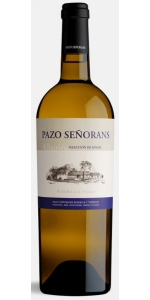
Pazo de Senorans Seleccion de Anada Albarino is made from 100 percent Albarino.
Straw yellow with greenish tints, vivid and brilliant. High intensity and very expressive. Profusion of aromas with traces of mineral. Great volume and ample body leaving a lasting impression from beginning to end.
Reviews:
The 2015 Albariño Selección de Añada is nothing short of phenomenal. For some reason, I hadn't tasted the young 2015 Albariño at the time it was released. It comes from the Los Bancales vineyard planted some 50 years ago and fermented with indigenous yeasts but without malolactic fermentation. It has a bright, almost fluorescent color and a complex, subtle and nuanced, elegant and expressive nose, with notes of sea shells and sea breeze, grass and white flowers. It's very clean, and the palate shows great balance and even feels a bit young. It has remarkable acidity and freshness (seven grams of tartaric acid) with good ripeness and 13% alcohol. This matured in tank with lees for over 30 months and was bottled in June 2024. It feels more serious and less exotic than earlier vintages. 18,000 bottles produced. This is the finest vintage that I can remember. Bravo!
-Wine Advocate 97 Points
Tech:
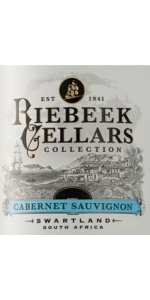
Riebeek Cabernet Sauvignon is made from 85% Cabernet Sauvignon,15 % Shiraz.
An exciting new world style wine with upfront blackcurrant flavors. The black fruit is well-balanced with subtle French oak for a complex nose and an elegant and lingering follow-through. An exceptional example of a lighter style Cabernet Sauvignon that can be enjoyed young. Excellent with red meat dishes or veal.
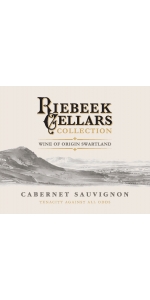
Riebeek Cabernet Sauvignon is made from 100% Cabernet Sauvignon.
An exciting new world style wine with upfront blackcurrant flavors. The black fruit is well-balanced with subtle French oak for a complex nose and an elegant and lingering follow-through. An exceptional example of a lighter style Cabernet Sauvignon that can be enjoyed young. Excellent with red meat dishes or veal.
Cold soaked overnight. Inoculated with selected yeast. Fermentation temperature was between 24 -26 degrees Celsius. Regular pump-overs were given to enhance colour and flavour extraction. Different batches of wine matured with French oak staves and 2nd and 3rd fill barrels were all blended together to perfection.
Served at room temperature, this Cabernet Sauvignon pairs perfectly with red meat dishes, especially classic recipes like roasted leg of lam, grilled lamb chops and beef kebabs.
Riebeek Cabernet Sauvignon is made from 100% Cabernet Sauvignon.
An exciting new world style wine with upfront blackcurrant flavors. The black fruit is well-balanced with subtle French oak for a complex nose and an elegant and lingering follow-through. An exceptional example of a lighter style Cabernet Sauvignon that can be enjoyed young. Excellent with red meat dishes or veal.
Cold soaked overnight. Inoculated with selected yeast. Fermentation temperature was between 24 -26 degrees Celsius. Regular pump-overs were given to enhance colour and flavour extraction. Different batches of wine matured with French oak staves and 2nd and 3rd fill barrels were all blended together to perfection.
Served at room temperature, this Cabernet Sauvignon pairs perfectly with red meat dishes, especially classic recipes like roasted leg of lam, grilled lamb chops and beef kebabs.
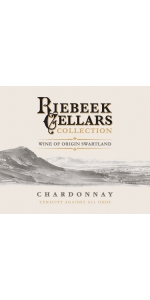
Riebeek Chardonnay is made from 100 percent Chardonnay.
This unoaked Riebeek Chardonnay displays a brilliant green-gold color. The style is dry but fruity. The nose offers exceptional tropical aromas that follow through in the palate with a well-rounded finish of lingering citrus fruits. It is lovely with most entrees from crisp salads to creamy soups and chicken, whether served grilled or in a creamy sauce.
Free run juice was used. After settling and acid adjustment, juice was inoculated with selected yeast. Fermentation temperature remained between 13-14 degrees Celsius. Wine was left on lees for a few months prior to bottling to enhance the flavour.
It is lovely with most entrees, from crisp salads to creamy soups and chicken, whether served grilled or in a creamy sauce.
This unwooded style of Viognier offers an accessible wine with enough body but without wood flavors.
The color is a brilliant green-gold and the style is dry but fruity. The perfume of a floral bouquet greets the nose and follows through with lovely tropical flavors in a light but lingering palate.
Free run juice was used. After settling and acid adjustment, it was inoculated with selected yeast. Fermentation temperature stayed between 13-14 degree Celsius. Wine was left on lees for few months prior to bottling to enhance the flavor. Alcohol: 13.82% Residual Sugar: 3.4 Total Acidity: 5.3 pH: 3.5
Slightly chilled. Lovely with most entrees - from crisp salads to creamy soups. Beautiful with chicken and fish - whether served grilled or in a creamy sauce.
The Riebeek Cellars Estate
Riebeek Cellars was established in 1941 and is situated in Riebeek Kasteel at the foot of Bothma's Kloof Pass. This medium-sized winery on the western coast of the Cape Province of South Africa sources its grapes from the fertile Riebeek Valley and the slopes of the mountain where the climate is very similar to the Mediterranean. Through the years as vineyard practices developed, cultivars were planted in soil and at slopes best suited to them. These well-tended vineyards enable the production of high quality wines which makes Riebeek Cellars the choice of wine buyers internationally. Well-known both in South Africa and abroad, Riebeek Cellars manages a variety of brands for various countries.
Heritage
Corporal Pieter Cruythoff, a scout of Jan van Riebeeck, founded the Riebeek Valley in 1661. Impressed by the single standing mountain, he called it Kasteelberg (“Castle Mountain”) commemorating the Castle of Good Hope in Cape Town, the fortress of Commander Jan van Riebeeck. The twin towns, Riebeek Kasteel and Riebeek West, established at the foot of Kasteelberg, are therefore also suitably named after Van Riebeeck.
The Riebeek Valley is a mecca of wonderful wines, exceptional food and exquisite art where tourists and locals alike are forever tempted into spending more time than allowed. The serene valley falls in the bigger Swartland region which is called the 'bread basket' of South Africa for its grain production, while it is further internationally acclaimed for its high quality olive products. With various hotels and fine-dining restaurants as well as true country hospitality, the Riebeek Valley has become a very popular tourist destination. The ultimate charm of Riebeek is however in its people and their commitment and passion for wine.
"Located in the Western Cape region of South Africa, this winery was established in 1941, which makes it relatively old compared to all the new wineries that have sprung up in this area. Among the first Pinotages I can recommend, it’s also a good value. Pinotage, which is, of course, ubiquitous in South Africa, was first made in 1941, when the Cinsault grape (primarily grown in southern France and the Rhone Valley) was crossed with Pinot Noir." - Robert Parker's Wine Advocate (Issue 201, June 2012).
Yalumba The Signature Cabernet Sauvignon Shiraz is made from 52% Cabernet Sauvignon, 48% Shiraz .
Encompassing everything the Hill-Smith family stands for and the perfect representation of Yalumba’s history and ethos, The Signature is a sentimental favorite. A classic Australian blend of Cabernet Sauvignon and Shiraz, the first vintage release of The Signature was in 1962. Since then, this outstanding wine has acknowledged more than 57 Signatories; people who have enhanced the traditions and culture of Yalumba.
Seductive and alluring florals, cool mints, red pomegranate with fine blackberry fruits and dark cherry aromas. The palate is delightfully generous with dark red cherry fruit that merges into ironstone tannins. A medium to full bodied wine with a long, flowing tannin profile.
Review:
A full-weighted, archetypal Aussie blend. Cabernet and shiraz, both from the Barossa. The top wines of Yalumba have undergone considerable refinement in recent years. The tannins, better managed; the fruit, more restrained; the oak, judicious. Here, an example. Fresh and lithe. Scents of anise, bay leaf and kirsch, with a nourishing core of beef bouillon. An expansive sweetness grows in trajectory, with a douse of menthol at the finish. Drinkable now, but best from 2025.
-James Suckling 94 Points
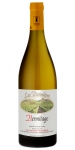
Domaine Jean-Claude et Nicholas Fayolle Hermitage Les Dionneres Blanc is made from 100% Marsanne.
Fayolle Hermitage Blanc Les Dionnieres boasts a superb golden yellow color and extraordinary smoothness and creamy, honeyed aromas of hazelnut, peach and apricot developping into scents of iris, narcissus and lime blossom. Pure and crisp, a solid texture and a clean finish.
Delicious with poultry, veal, seafood, shellfish, veal and most cheeses.