
" We don't sell the wine without touching the vine "
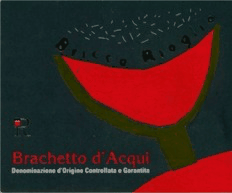
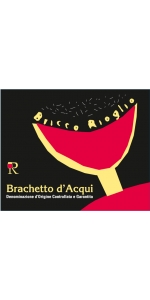
Rinaldi Brachetto d' Acqui is made from 100% Brachetto d'Acqui
The skin gives the wine its particular scent and flavor.
Light ruby red color. The bouquet is musky and delicate with scents of ripe red fruit (strawberry, blackberry) and roses. Sweet and smooth flavors with lingering aromatic persistence. There is a good balance between the sweetness and the freshness, which makes this wine very pleasant.
The training system used is Guyot with a density of 2500-3000 vines per hectare. Manual harvest. Temperature controlled maceration for approximately seven days with mechanic plunging of the cap and pumping over to increase extraction of substances from the skins. This is the most important part of the vinification. Soft pressing.
Rinaldi Brachetto d' Acqui is made from 100% Brachetto d'Acqui
The skin gives the wine its particular scent and flavor.
Light ruby red color. The bouquet is musky and delicate with scents of ripe red fruit (strawberry, blackberry) and roses. Sweet and smooth flavors with lingering aromatic persistence. There is a good balance between the sweetness and the freshness, which makes this wine very pleasant.
The training system used is Guyot with a density of 2500-3000 vines per hectare. Manual harvest. Temperature controlled maceration for approximately seven days with mechanic plunging of the cap and pumping over to increase extraction of substances from the skins. This is the most important part of the vinification. Soft pressing.
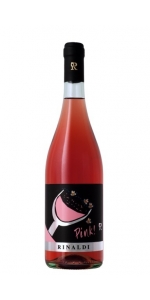
Rinaldi Rose Moscato Pink Bug Juice NV is made from Moscato d'Asti 90%, Brachetto d’Acqui 10%
Alcohol by Volume: 7%
Zone de Production: Ricaldone’s territory on the hills called ‘Bricco Rioglio’ and ‘Valmorana’,and Celle. Average altitude 280 m above sea level, calcareous soil with tufa layers.
Training System: guyot with a cultivation density of about 3000 vines per hectare.
Vinification: manual harvest into crates, usually at the first week of September. Temperature controlled maceration for about 24 hours with mechanic plunging of the cap and pumping over to extract a slight rosé color from the skins. Soft pressing. Settling in steel vats to have a natural clearing of musts. Further temperature and pressure controlled fermentation.
Sensorial Description: this wine, with light rosé color, strikes for its scent of spices and fruits. Its acid freshness suits its sweetness and offers a well balanced wine.
Serving Suggestions: aperitif wine, fruit cakes, fruit salad.Wine for brunch or poolside. To best appreciate this wine serve it fresh.
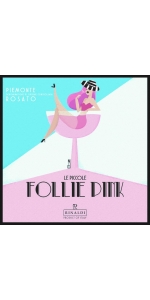
Rinaldi Follie Pink is made from 50 % Dolcetto, 45 % Merlot, and 5 % Brachetto.
Fresh, fruity with hints of Strawberry and Cherry.
This is a great wine for Aperitif.
Review:
"Here’s a delightful aperitif wine to brighten your spirits as you prepare dinner or relax on the patio. Flavors of strawberries and raspberries throw a party in your glass and will bring a smile to your face. The blend is dolcetto and merlot, with a little brachetto. - Dave McIntyre"
- Washington Post (May 2020), Exceptional *** - Great Value
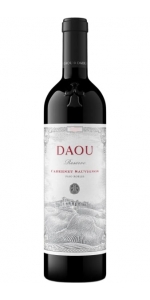
DAOU Vineyards Reserve Cabernet Sauvignon is made from 77% Cabernet Sauvignon, 23% Petit Verdot.
A heady nose delivers fruit-forward aromas of blackberry, raspberry and plum with traces of licorice, thyme, vanilla and cherry. The palate is beautifully balanced, showing layers of black fruit and chocolate-covered blueberry with underlying herbal, cedar and mineral complexity. Exquisitely rounded tannins imbue the finish with stature and length.
Review:
Black plum and roasted walnut aromas meet with woodspice on the nose of this bottling. The palate is tense and firm yet still brighter with blackberry, pepper and nut flavors that cling to the persistent structure. — Matt Kettmann
-Wine Enthusiast 93 Points
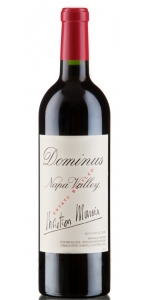
Dominus Napa Valley Christian Moueix Red Blend is made from 87% Cabernet Sauvignon, 9% Cabernet Franc, 4% Petit Verdot.
Dominus Estate is the Napa Valley property of Bordeaux producer Christian Moueix. The wine is bottled from the historic Napanook Vineyard. Located at the foothills of the Mayacamas, the vineyard was planted in 1838 and continues to evolve under the stewardship of Christian Moueix. The estate's Bordeaux varietals benefit from the Yountville microclimate where temperatures are moderated by cool breezes from the San Pablo Bay. The resulting wine is a uniquely refined expression of this special terroir. The 2023 vintage is seductive and deep with notes of cedar, oriental spices, wild berry, and cocoa, followed by a finely etched finish.
Reviews:
Black currant, pencil shaving, subtle sandalwood, wet earth, forest floor and violet aromas follow through to a medium- to full-bodied palate with ultra-fine tannins that integrate perfectly at the end. A polished and caressing texture that goes on for minutes. The balance and drinkability of this Dominus is terrific, and it will age beautifully. A blend of 87% cabernet sauvignon, 9% cabernet franc and 4% petit verdot. From organically grown grapes. Very drinkable now, but will age beautifully.
James Suckling 99 Points
Rinaldi Brachetto d' Acqui is made from 100% Brachetto d'Acqui, produced in the zone of production of Ricaldone, on the hills called Rioglio and Valmorana. The training system used is Guyot with a density of 2500-3000 vines per hectare.
Vinification: Manual harvest. Temperature controlled maceration for approximately seven days with mechanic plunging of the cap and pumping over to increase extraction of substances from the skins. This is the most important part of the vinification. Soft pressing.
The skin gives the wine its particular scent and flavor. Light ruby red color. The bouquet is musky and delicate with scents of ripe red fruit (strawberry, blackberry) and roses. Sweet and smooth flavors with lingering aromatic persistence. There is a good balance between the sweetness and the freshness, which makes this wine very pleasant.
Serving suggestions: strawberries, salad and desserts. Also ideal as an aperitif.
The Rinaldi Estate
The winery is located on the hills of Alto Monferrato, close to Acqui Terme, in the heart of one of the most precious areas of south Piedmont. The family business was founded in 1961 by Oreste Rinaldi. It is run today by his son Andrea and his daughter Paola. The family has been producing wine for 40 years from their vineyards located on a particularly privileged area with a favorable microclimate and a perfect southwestern exposure
The Rinaldi Vineyard
Currently Rinaldi has 20 hectares of vines (49.6 acres), 19hectares owned, 1 hectares rented. Their single vineyard Bricco Cardogno, planted to Moscato, is a vineyard that measures 2.5 hectares (6.75 acres) and was planted 40 years ago by Andrea Rinaldi’s grandfather. It is located 240- 300 m above sea level. The soil type in this vineyard is limestone (tufa). All grapes are hands harvested with extreme care. Quality starts in the vineyard. The single vineyard Bricco Rioglio is planted with Brachetto grapes, limestone based with 15-year-old vines. (Bricco is a tea cup in local dialect).
Rinaldi Rose Moscato Pink Bug Juice NV is made from Moscato d'Asti 90%, Brachetto d’Acqui 10%
Alcohol by Volume: 7%
Zone de Production: Ricaldone’s territory on the hills called ‘Bricco Rioglio’ and ‘Valmorana’,and Celle. Average altitude 280 m above sea level, calcareous soil with tufa layers.
Training System: guyot with a cultivation density of about 3000 vines per hectare.
Vinification: manual harvest into crates, usually at the first week of September. Temperature controlled maceration for about 24 hours with mechanic plunging of the cap and pumping over to extract a slight rosé color from the skins. Soft pressing. Settling in steel vats to have a natural clearing of musts. Further temperature and pressure controlled fermentation.
Sensorial Description: this wine, with light rosé color, strikes for its scent of spices and fruits. Its acid freshness suits its sweetness and offers a well balanced wine.
Serving Suggestions: aperitif wine, fruit cakes, fruit salad.Wine for brunch or poolside. To best appreciate this wine serve it fresh.
Wine Gift Set Includes:
Review:
"The brioche and cooked-apple and cream character really comes through here. Full-bodied and round with fine bubbles. Flavorful and intense. Vivid, bread-dough finish. This is four years on lees. 55% Chardonnay and the rest Pinot."
- James Suckling 93 Points
Brize Les Gres Anjou Blanc is made from 100% Chenin Blanc.
This is a dry wine. Easy to drink, fresh with good acidity. The aromas are persistent with apricot and peach.
The wine is made with grapes grown in a parcel called 'Les Grès'.
Pair with cheese and seafood.



