" We don't sell the wine without touching the vine "
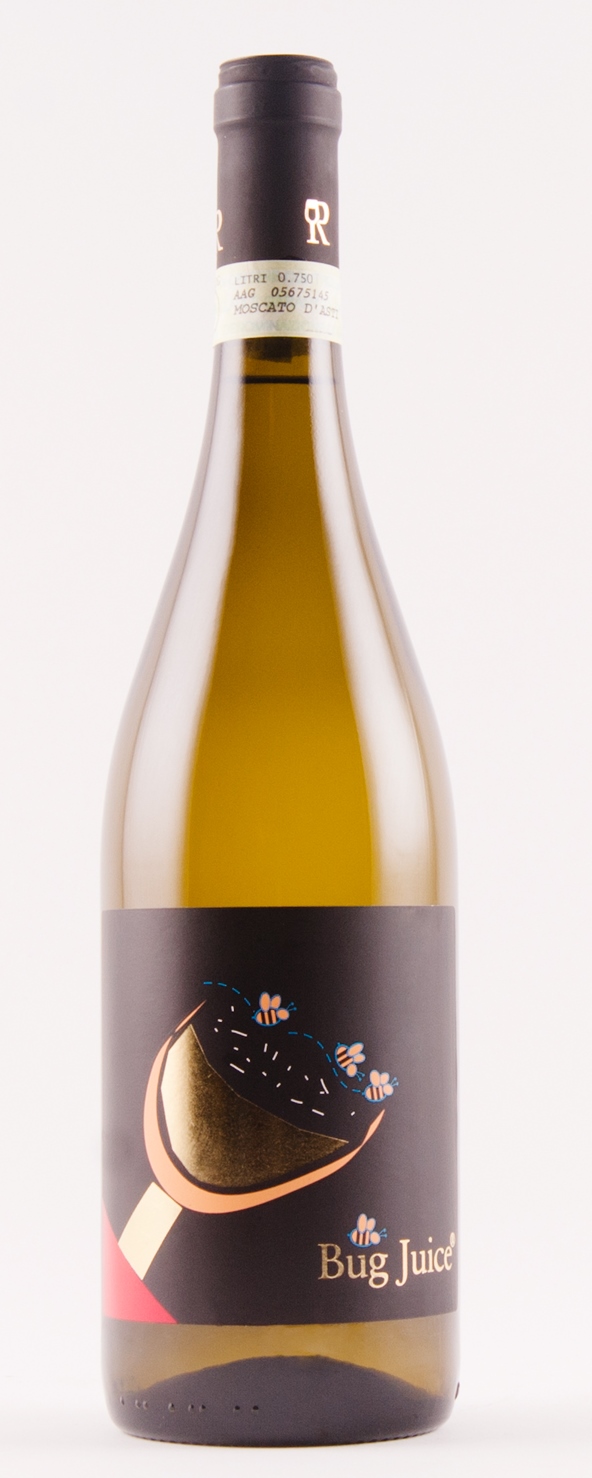
Rinaldi Moscato d'Asti Bug Juice is made from 100 percent Moscato.
Straw-yellow color. The bouquet is delicate and intense with aromas of fruit (apple, peach) and spices (sage). The palate is sweet and smooth with lingering aromatic persistence. A refreshing and pleasant wine, perfect for brunch, picnics or poolside.
The training system used is Guyot with a density of 2500-3000 vines per hectare Manual harvest into crates. Soft pressing. Settling in steel vats to allow natural clearing of musts. Racking, increase in temperature. Temperature and pressure controlled fermentation until bottling.
Dessert, ideal with hazelnut cake. Original with "strong" cheese such as Robiola of Roccaverano and Gorgonzola.
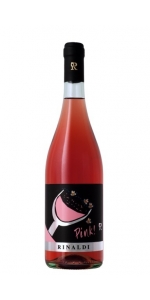
Rinaldi Rose Moscato Pink Bug Juice NV is made from Moscato d'Asti 90%, Brachetto d’Acqui 10%
Alcohol by Volume: 7%
Zone de Production: Ricaldone’s territory on the hills called ‘Bricco Rioglio’ and ‘Valmorana’,and Celle. Average altitude 280 m above sea level, calcareous soil with tufa layers.
Training System: guyot with a cultivation density of about 3000 vines per hectare.
Vinification: manual harvest into crates, usually at the first week of September. Temperature controlled maceration for about 24 hours with mechanic plunging of the cap and pumping over to extract a slight rosé color from the skins. Soft pressing. Settling in steel vats to have a natural clearing of musts. Further temperature and pressure controlled fermentation.
Sensorial Description: this wine, with light rosé color, strikes for its scent of spices and fruits. Its acid freshness suits its sweetness and offers a well balanced wine.
Serving Suggestions: aperitif wine, fruit cakes, fruit salad.Wine for brunch or poolside. To best appreciate this wine serve it fresh.
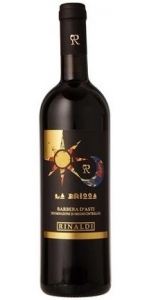
Rinaldi Barbera d' Asti La Bricca is made from 100% Barbera d'Asti.
"Bricca" means the top part of the hill. (see picture of the vineyards)
La Bricca is a deep, ruby-red colored wine with violet hues. The bouquet is vinous and intense with ethereal aromas (typical of the Barbera grape) and scents of ripe fruit and spices. The wine is full-bodied with very pleasant silky tannins. Long and harmonious with a good aging potential.
Enjoy it with meat dishes, rich pasta, risotto and well-aged cheeses. To appreciate the wine at its best, the bottle should be left at least 24 hours at room temperature and opened 1 hour before serving.
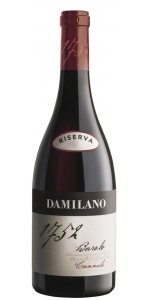
“1752” is the name of the Damilano Barolo Cannubi Riserva, in honor of the year in which the historic bottle was first marked “Cannubi”. It still exists today perfectly conserved by the Manzone family in Bra, close to Barolo. The bottle is clearly marked as being of “1752” vintage, indicating that Cannubi historically precedes Barolo.
About the Vineyard:
The Cannubi Cru is in found within one of the 6 core zones which comprise a UNESCO heritage site in Italy. A mixture of Tortonian and Helvetian calcareous marl gives the grapes intense aromas of cherry, plum and tobacco, rose and violet in sequence. Its low potassium and high calcium/magnesium content offer the wine a fine and polished touch. The vineyard is located at about 270 m. a.s.l. and has a south-east sun exposure. Barolo Riserva Cannubi 1752 It is a small plot of about 2 hectares of Nebbiolo vines, currently between 30 and 50 years of age.
Tasting Notes:
Garnet ruby red in color, the bouquet is intense and balanced, with notes of violet, red fruit, cherry and plum, spices, liquorice, cocoa, leather and tobacco. Dry, robust, full-bodied, very persistent, rich and velvety
Food Pairing:
This wine is excellent with typical piedmontes pasta (tajarin, ravioli); perfect with red meat, braised and roast meat, game and absolutely ideal with all types of cheeses.
Review:
The purity of this wine is pretty phenomenal with blackberries, strawberries, fresh flowers and licorice. Hints of tar. It’s full-bodied, yet composed and compact with ultra fine tannins and a long, flavorful finish. Very structured. Try after 2024.
-James Suckling 97 Points
SALE!
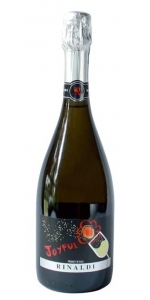
Rinaldi Joyful NV is made from 85 % Barbera, 10 % Cortese and 5 % Moscato
Straw yellow color, fruity with hints of apple and mint.
Joyful is a modern sparkling wine made using the method charmat process with the secondary fermentation made in a stainless steel tank.
Zone of production: Ricaldone’s territory on the hills called "Bricco Rioglio" and "Valmorana" and Celle.
Average altitude: 280 m above sea level, calcareous soil with tufa layers.
Training system: guyot with a cultivation density of about 3500 vines per hectare.
Vinification: manual harvest into crates, usually in September. Soft pressing. Settling in steel vats to have a natural clearing of musts. Further temperature and pressure controlled fermentation.
Joyful is great as an aperitif but also pairs very well with seafood.
Review:
"Golden yellow color. Aromas and flavors of hazelnut, cocoa, and vanilla, dried cherry multi grain bread, valencia orange, and over ripe melon with a satiny, bright, effervescent, dry light-to-medium body and a stimulating, medium-length finish with notes of fruit and nut multigrain biscuit with dried red fruits, toasted hazelnut, watermelon rind, and lime zest. Citrus forward and bright with a subtle hint of salinity makes this sparkling completely crushable yet sophisticated enough to bring to dinner."
- Beverage Testing Institute 93 pts - Gold Medal
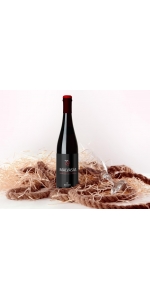
Rinaldi Malvasia di Castelnuovo Don Bosco Tasting notes: Frizzante style, with hints of black pepper, cherries and red fruit notes. A frothy, & slightly sweet aperitif…
Vines are planted on limestone soils. Only 63 hectares exist of this very small DOC of Malvasia di Castelnuovo Don Bosco. Grape varietal is Malvasia di Schierano.
Pairs well with dessert and Asian food.
Straw-yellow color. The bouquet is delicate and intense with aromas of fruit (apple, peach) and spices (sage). The palate is sweet and smooth with lingering aromatic persistence. A refreshing and pleasant wine, perfect for brunch, picnics or poolside.
The training system used is Guyot with a density of 2500-3000 vines per hectare Manual harvest into crates. Soft pressing. Settling in steel vats to allow natural clearing of musts. Racking, increase in temperature. Temperature and pressure controlled fermentation until bottling.
Dessert, ideal with hazelnut cake. Original with "strong" cheese such as Robiola of Roccaverano and Gorgonzola.
The Rinaldi Estate
The winery is located on the hills of Alto Monferrato, close to Acqui Terme, in the heart of one of the most precious areas of south Piedmont. The family business was founded in 1961 by Oreste Rinaldi. It is run today by his son Andrea and his daughter Paola. The family has been producing wine for 40 years from their vineyards located on a particularly privileged area with a favorable microclimate and a perfect southwestern exposure
The Rinaldi Vineyard
Currently Rinaldi has 20 hectares of vines (49.6 acres), 19hectares owned, 1 hectares rented. Their single vineyard Bricco Cardogno, planted to Moscato, is a vineyard that measures 2.5 hectares (6.75 acres) and was planted 40 years ago by Andrea Rinaldi’s grandfather. It is located 240- 300 m above sea level. The soil type in this vineyard is limestone (tufa). All grapes are hands harvested with extreme care. Quality starts in the vineyard. The single vineyard Bricco Rioglio is planted with Brachetto grapes, limestone based with 15-year-old vines. (Bricco is a tea cup in local dialect).
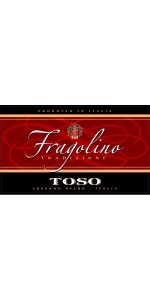
Toso Fragolino Rosso Spago is an aromatized drink made of wine and strawberry with fine and fruity flavors. Serve cool at 8 C. Excellent as an aperitif, with desserts as well as for cocktails or simply on its own.
Rinaldi Red Dream is made from 100% Malvasia
this wine is obtained with a cold maceration (13° C) for 48 hours. We work in this way just to extract the color and the wine scent from the peels.
Then we soft press the grapes and we separate the solid part from the liquid part and we have the juice.
Then we keep the wine at 0 degree Celcius (32 degrees Fahrenheit) temperature and we have a natural cleaning of the must.
When we decide to bottle it the temperature increased at about 17 degrees Celcius, and when we reach 5.5% Alcohol by Volume and the desired atmospheric pressure is obtained, about 2 atmospheres, we block the fermentation with the cold and we filter it again and
finally, we put it in bottle.
The wine is ruby red but not too deep, fruity and pleasant. It's a dessert wine, it is possible to appreciate it at his best if you serve it chilled.
This frothy and fruity red wine delivers flavors of honeysuckle and black pepper. Light, fun and exciting; it’s great for parties and light fare. 100 % Malvasia Nera.
"The non-vintage Rinaldi Red Dream, which comes from 100% Malvasia Nera, has about 7% alcohol, so it is slightly more potent than its two siblings. Gorgeously fresh and frothy, with loads of cherry, honeysuckle, spice box and spring flowers, this is an exciting party wine that is brilliantly packaged, and I doubt a person can be found who would dislike it. However, these wines are meant to be drunk in their exuberant youth, so this one as well as the following two efforts should be consumed over the next 6-12 months."
- Wine Advocate (Issue 201, June 2012), 90 pts
"This Wine is a bit heavier than a bracchetto, but it shares the sweetness, effervescence and low alcohol that make it a delicious dessert wine. The added weight suggests pairing it with desserts that include ice cream."
- Washington Post (February 8th 2012), **
Rinaldi Rose Moscato Pink Bug Juice NV is made from Moscato d'Asti 90%, Brachetto d’Acqui 10%
Alcohol by Volume: 7%
Zone de Production: Ricaldone’s territory on the hills called ‘Bricco Rioglio’ and ‘Valmorana’,and Celle. Average altitude 280 m above sea level, calcareous soil with tufa layers.
Training System: guyot with a cultivation density of about 3000 vines per hectare.
Vinification: manual harvest into crates, usually at the first week of September. Temperature controlled maceration for about 24 hours with mechanic plunging of the cap and pumping over to extract a slight rosé color from the skins. Soft pressing. Settling in steel vats to have a natural clearing of musts. Further temperature and pressure controlled fermentation.
Sensorial Description: this wine, with light rosé color, strikes for its scent of spices and fruits. Its acid freshness suits its sweetness and offers a well balanced wine.
Serving Suggestions: aperitif wine, fruit cakes, fruit salad.Wine for brunch or poolside. To best appreciate this wine serve it fresh.

All older vintage wines have been purchased from a single collectors cellar. Pictures can be requested before shipment.
Dog Bone is a serious wine with a fun label!
We wanted to make a great wine at a fair price and help dogs across the country. 10% of all profits will go to Humane Societies in places we sell Dog Bone. Sales of this wine are also helping North Coast Grape farmers by finding a home for their excess grapes.
The nose has classic Cabernet notes of Graphite, Blackberry Blossom, and Black Olive Tapenade. The palate has loads of tannin structure, Blackberry, and Almond Wood. The wine is very structured and will age beautifully. It drinks like a young Pauillac from a classic vintage like 2005 or 2009. This is a balanced wine with great purity.
We make our Cabernets with structure and balance. We source from hillside sites that are cooler and allow us to make wines with beautiful fruit and good acidity.
pH: 5.7g/L
TA: 3.80
ABV: 14.5%