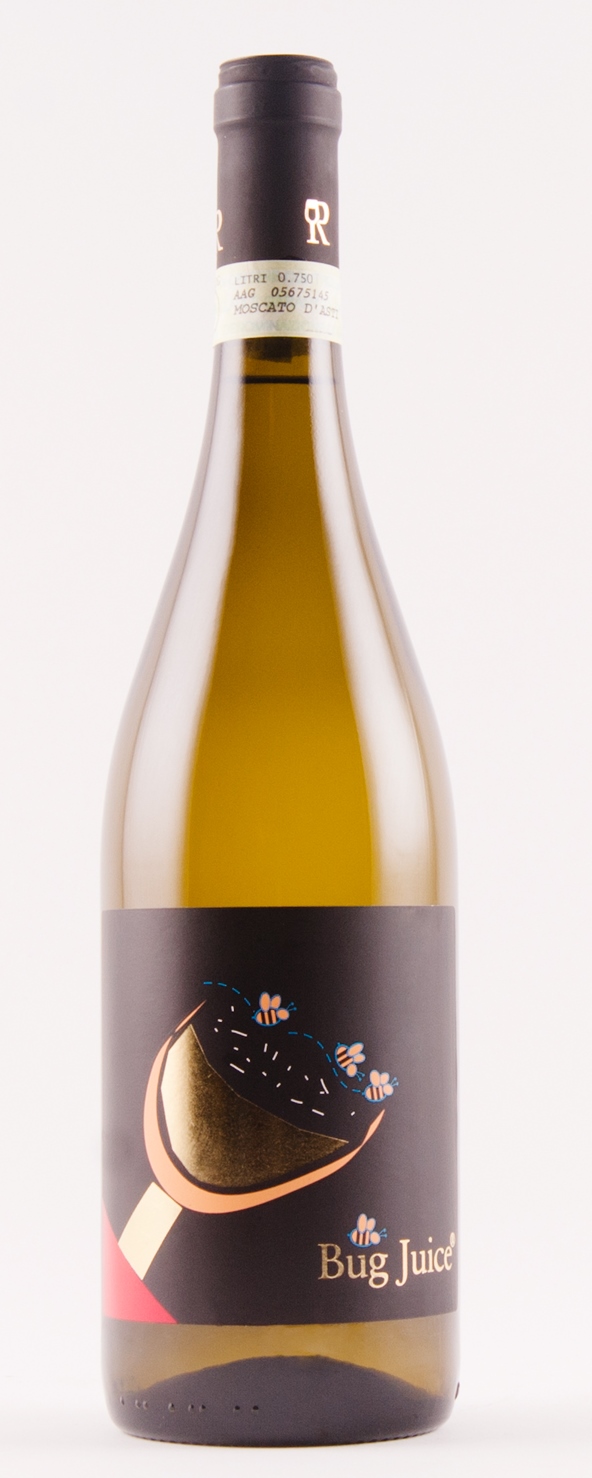
" We don't sell the wine without touching the vine "

Rinaldi Moscato d'Asti Bug Juice is made from 100 percent Moscato.
Straw-yellow color. The bouquet is delicate and intense with aromas of fruit (apple, peach) and spices (sage). The palate is sweet and smooth with lingering aromatic persistence. A refreshing and pleasant wine, perfect for brunch, picnics or poolside.
The training system used is Guyot with a density of 2500-3000 vines per hectare Manual harvest into crates. Soft pressing. Settling in steel vats to allow natural clearing of musts. Racking, increase in temperature. Temperature and pressure controlled fermentation until bottling.
Dessert, ideal with hazelnut cake. Original with "strong" cheese such as Robiola of Roccaverano and Gorgonzola.
Rinaldi Rose Moscato Pink Bug Juice NV is made from Moscato d'Asti 90%, Brachetto d’Acqui 10%
Alcohol by Volume: 7%
Zone de Production: Ricaldone’s territory on the hills called ‘Bricco Rioglio’ and ‘Valmorana’,and Celle. Average altitude 280 m above sea level, calcareous soil with tufa layers.
Training System: guyot with a cultivation density of about 3000 vines per hectare.
Vinification: manual harvest into crates, usually at the first week of September. Temperature controlled maceration for about 24 hours with mechanic plunging of the cap and pumping over to extract a slight rosé color from the skins. Soft pressing. Settling in steel vats to have a natural clearing of musts. Further temperature and pressure controlled fermentation.
Sensorial Description: this wine, with light rosé color, strikes for its scent of spices and fruits. Its acid freshness suits its sweetness and offers a well balanced wine.
Serving Suggestions: aperitif wine, fruit cakes, fruit salad.Wine for brunch or poolside. To best appreciate this wine serve it fresh.
Rinaldi Barbera d' Asti La Bricca is made from 100% Barbera d'Asti.
"Bricca" means the top part of the hill. (see picture of the vineyards)
La Bricca is a deep, ruby-red colored wine with violet hues. The bouquet is vinous and intense with ethereal aromas (typical of the Barbera grape) and scents of ripe fruit and spices. The wine is full-bodied with very pleasant silky tannins. Long and harmonious with a good aging potential.
Enjoy it with meat dishes, rich pasta, risotto and well-aged cheeses. To appreciate the wine at its best, the bottle should be left at least 24 hours at room temperature and opened 1 hour before serving.
Pazo de Senorans Seleccion de Anada Albarino is made from 100 percent Albarino.
Straw yellow with greenish tints, vivid and brilliant. High intensity and very expressive. Profusion of aromas with traces of mineral. Great volume and ample body leaving a lasting impression from beginning to end.
Reviews:
The 2015 Albariño Selección de Añada is nothing short of phenomenal. For some reason, I hadn't tasted the young 2015 Albariño at the time it was released. It comes from the Los Bancales vineyard planted some 50 years ago and fermented with indigenous yeasts but without malolactic fermentation. It has a bright, almost fluorescent color and a complex, subtle and nuanced, elegant and expressive nose, with notes of sea shells and sea breeze, grass and white flowers. It's very clean, and the palate shows great balance and even feels a bit young. It has remarkable acidity and freshness (seven grams of tartaric acid) with good ripeness and 13% alcohol. This matured in tank with lees for over 30 months and was bottled in June 2024. It feels more serious and less exotic than earlier vintages. 18,000 bottles produced. This is the finest vintage that I can remember. Bravo!
-Wine Advocate 97 Points
Tech:
SALE!
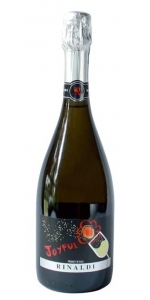
Rinaldi Joyful NV is made from 85 % Barbera, 10 % Cortese and 5 % Moscato
Straw yellow color, fruity with hints of apple and mint.
Joyful is a modern sparkling wine made using the method charmat process with the secondary fermentation made in a stainless steel tank.
Zone of production: Ricaldone’s territory on the hills called "Bricco Rioglio" and "Valmorana" and Celle.
Average altitude: 280 m above sea level, calcareous soil with tufa layers.
Training system: guyot with a cultivation density of about 3500 vines per hectare.
Vinification: manual harvest into crates, usually in September. Soft pressing. Settling in steel vats to have a natural clearing of musts. Further temperature and pressure controlled fermentation.
Joyful is great as an aperitif but also pairs very well with seafood.
Review:
"Golden yellow color. Aromas and flavors of hazelnut, cocoa, and vanilla, dried cherry multi grain bread, valencia orange, and over ripe melon with a satiny, bright, effervescent, dry light-to-medium body and a stimulating, medium-length finish with notes of fruit and nut multigrain biscuit with dried red fruits, toasted hazelnut, watermelon rind, and lime zest. Citrus forward and bright with a subtle hint of salinity makes this sparkling completely crushable yet sophisticated enough to bring to dinner."
- Beverage Testing Institute 93 pts - Gold Medal
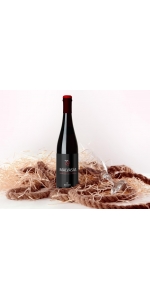
Rinaldi Malvasia di Castelnuovo Don Bosco Tasting notes: Frizzante style, with hints of black pepper, cherries and red fruit notes. A frothy, & slightly sweet aperitif…
Vines are planted on limestone soils. Only 63 hectares exist of this very small DOC of Malvasia di Castelnuovo Don Bosco. Grape varietal is Malvasia di Schierano.
Pairs well with dessert and Asian food.
Straw-yellow color. The bouquet is delicate and intense with aromas of fruit (apple, peach) and spices (sage). The palate is sweet and smooth with lingering aromatic persistence. A refreshing and pleasant wine, perfect for brunch, picnics or poolside.
The training system used is Guyot with a density of 2500-3000 vines per hectare Manual harvest into crates. Soft pressing. Settling in steel vats to allow natural clearing of musts. Racking, increase in temperature. Temperature and pressure controlled fermentation until bottling.
Dessert, ideal with hazelnut cake. Original with "strong" cheese such as Robiola of Roccaverano and Gorgonzola.
The Rinaldi Estate
The winery is located on the hills of Alto Monferrato, close to Acqui Terme, in the heart of one of the most precious areas of south Piedmont. The family business was founded in 1961 by Oreste Rinaldi. It is run today by his son Andrea and his daughter Paola. The family has been producing wine for 40 years from their vineyards located on a particularly privileged area with a favorable microclimate and a perfect southwestern exposure
The Rinaldi Vineyard
Currently Rinaldi has 20 hectares of vines (49.6 acres), 19hectares owned, 1 hectares rented. Their single vineyard Bricco Cardogno, planted to Moscato, is a vineyard that measures 2.5 hectares (6.75 acres) and was planted 40 years ago by Andrea Rinaldi’s grandfather. It is located 240- 300 m above sea level. The soil type in this vineyard is limestone (tufa). All grapes are hands harvested with extreme care. Quality starts in the vineyard. The single vineyard Bricco Rioglio is planted with Brachetto grapes, limestone based with 15-year-old vines. (Bricco is a tea cup in local dialect).
Rinaldi Rose Moscato Pink Bug Juice NV is made from Moscato d'Asti 90%, Brachetto d’Acqui 10%
Alcohol by Volume: 7%
Zone de Production: Ricaldone’s territory on the hills called ‘Bricco Rioglio’ and ‘Valmorana’,and Celle. Average altitude 280 m above sea level, calcareous soil with tufa layers.
Training System: guyot with a cultivation density of about 3000 vines per hectare.
Vinification: manual harvest into crates, usually at the first week of September. Temperature controlled maceration for about 24 hours with mechanic plunging of the cap and pumping over to extract a slight rosé color from the skins. Soft pressing. Settling in steel vats to have a natural clearing of musts. Further temperature and pressure controlled fermentation.
Sensorial Description: this wine, with light rosé color, strikes for its scent of spices and fruits. Its acid freshness suits its sweetness and offers a well balanced wine.
Serving Suggestions: aperitif wine, fruit cakes, fruit salad.Wine for brunch or poolside. To best appreciate this wine serve it fresh.
Rinaldi Red Dream is made from 100% Malvasia
this wine is obtained with a cold maceration (13° C) for 48 hours. We work in this way just to extract the color and the wine scent from the peels.
Then we soft press the grapes and we separate the solid part from the liquid part and we have the juice.
Then we keep the wine at 0 degree Celcius (32 degrees Fahrenheit) temperature and we have a natural cleaning of the must.
When we decide to bottle it the temperature increased at about 17 degrees Celcius, and when we reach 5.5% Alcohol by Volume and the desired atmospheric pressure is obtained, about 2 atmospheres, we block the fermentation with the cold and we filter it again and
finally, we put it in bottle.
The wine is ruby red but not too deep, fruity and pleasant. It's a dessert wine, it is possible to appreciate it at his best if you serve it chilled.
This frothy and fruity red wine delivers flavors of honeysuckle and black pepper. Light, fun and exciting; it’s great for parties and light fare. 100 % Malvasia Nera.
"The non-vintage Rinaldi Red Dream, which comes from 100% Malvasia Nera, has about 7% alcohol, so it is slightly more potent than its two siblings. Gorgeously fresh and frothy, with loads of cherry, honeysuckle, spice box and spring flowers, this is an exciting party wine that is brilliantly packaged, and I doubt a person can be found who would dislike it. However, these wines are meant to be drunk in their exuberant youth, so this one as well as the following two efforts should be consumed over the next 6-12 months."
- Wine Advocate (Issue 201, June 2012), 90 pts
"This Wine is a bit heavier than a bracchetto, but it shares the sweetness, effervescence and low alcohol that make it a delicious dessert wine. The added weight suggests pairing it with desserts that include ice cream."
- Washington Post (February 8th 2012), **
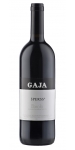
Gaja Sperss is made from 100 percent Nebbiolo.
Vibrant and intense notes of herbs and spices such as thyme, cloves and black pepper. On the palate the wine is tense, loaded with energy that will need serious ageing to fully develop although extremely approachable in its youth. Impressive fruit concentration, with dark and ripe fruits – prunes and black cherries. Acidity and tannins lift this wine to its freshest expression.
Nebbiolo based wines have not only complexity and structure but also great elegance and finesse. The distinctive silky tannins of the Nebbiolo make it the right wine to drink with meat. Usually a young vintage goes very well with richer dishes because of the stronger tannins; mature Barolos are more suitable with delicate white meat courses or braised meat courses with sauces or concentrated red wines reductions.
Review:
The 2019 Barolo Sperss is rich with dark mineral earth, black cherry, and Earl Grey tea. Long and mouthwatering, it has a powerful structure while retaining finesse. It is fantastically balanced, with gripping tannins, fresh acidity, and notes of forested earth and ripe red berries. A wine for the long haul, this is another great and noble wine to drink over the coming three decades.
-Jeb Dunnuck 99 Points
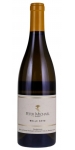
'Belle Côte', French for “Beautiful Slope”, was named by Sir Peter after the famous ski run in Courchevel, France. The oldest of the four Knights Valley Estate Chardonnay vineyards, ‘Belle Côte’ consistently exemplifies the potential of crafting exceptionally high-quality Chardonnay from our mountain vineyards. Planted at 1,700 to 1,800 feet (518 to 549 meters), Belle Côte has a southeastern exposure and a western border of native trees, which shelter the vines from the hot afternoon sun. These unique attributes create a naturally cool microclimate that provides an extended growing period and slow-ripening fruit, resulting in a later picking schedule that often continues into October (two to three weeks longer than most Chardonnay vineyards in Napa and Sonoma Counties).
The combination of a wet winter with significant rains in December through March and cool weather delayed budbreak nearly a month. Flowering and fruit set were also pushed back and the weather during the later flowering was favorable resulting in decent fruit set and slightly above average yields for the Chardonnay vineyards—a marked improvement over the record-low yielding 2022 vintage. The growing season was temperate without major heat spikes allowing the berries to hold onto their acidity which carried through into the wines. Harvest was almost a month later than normal with the last Belle Côte block coming in on November 2nd.
As the oldest of the four Peter Michael Winery estate Chardonnay blocks, 'Belle Côte' exemplifies the consistent quality of Chardonnay these mountain vineyards produce. Due to the naturally cool climate of the site’s high elevation, and mitigated exposure to the hot afternoon sun by its southeastern exposure and a stand of trees on its western border, the vines are allowed to slowly ripen. The growing season for Belle Côte typically extends into October, two to three weeks longer than most Chardonnay vineyards in Napa and Sonoma Counties.
With highly expressive aromatics of orange blossom, jasmine, candied orange peel, and rose petal, the 2023 'Belle Côte' showcases its unique terroir and thirty-three-year-old vines with a rich, creamy entry, dense, broad, juicy mid-palate and a lengthy, refined finish. There is a seamless quality to this wine that matches power, gras, and intensity with structure and weightlessness. The 2023 'Belle Côte' can be enjoyed in its youth or after many years of cellaring.
Review:
This extraordinary estate-grown wine from a great vintage is super vibrant, energized and tangy, with vital acidity supporting luscious ripe pear and apple flavors on a silky texture. Can't think of anything it lacks. Seamless, layered, yet structured and fresh, boding well for longer-term aging. It has a melts-in-the-mouth quality and an extra long finish. Drinkable now and best from 2030.
-James Suckling 100 Points