
" We don't sell the wine without touching the vine "
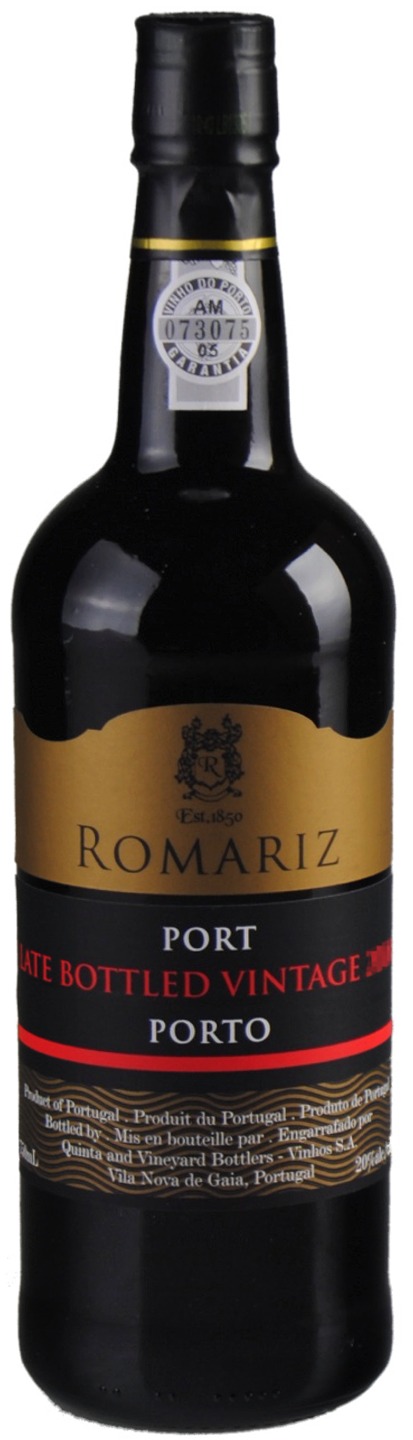
| Country: | Portugal |
| Region: | Douro |
| Winery: | Romariz Port |
| Grape Type: | Port Blend |
| Vintage: | 2013 |
| Bottle Size: | 750 ml |

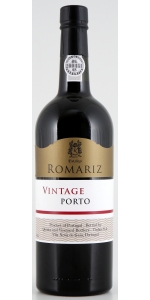
Romariz Vintage Port is made from Touriga Nacional, Touriga Franca, Tinto Cão, Tinta Roriz, Tinta Barroca
Deep inky purple color. Intricate nose with aromas of blackberries and logan berries, subtle hints of amber and spring blossom and delicate spice. A tight, well-formed palate with an abundance of dark berry fruit, rich chocolate and liquorice, culminating in a long finish. Firm, closely woven tannins that give the wine great structure and body. An elegant finely constituted Vintage Port which will drink beautifully now or age quietly in the cellar.
A vintage port is made from blended grapes, all from the same vintage year. Vintage ports are historically only declared every 3 out of 10 years. Romariz vintage ports age for up to two years in oak, then go unfiltered into the bottle for further aging.
Flowering in the Duoro occurred in the last 10 days of May. The weather conditions provided for a perfect flowering season. The Romariz Vintage Port 2003 yielded wines of great color and supple tannins, with a vintage stamp being evident in most wines. Production: 8,000 cases. "Another bright and fruity young Vintage Port with plum, grape and blackberry aromas with just a hint of stems. Serious nose here. Full-bodied, with soft, round tannins and a long, caressing finish. A beauty."
- J.S., Wine Spectator, 89-91 pts
"Bright dark ruby. Deep, perfumed aromas of cassis, licorice, violet and minerals. Lush and high-toned in the mouth but with very good vinosity and spine. Lovely fruit-driven flavors of black cherry, blackberry and dark chocolate. Little sign of the roasted side of 2003. Not hugely concentrated but suave, supple, minerally and sweet. Finishes with ripe tannins and very good spicy persistence. A very good showing. Accessible already but balanced for medium-term aging."
- Stephen Tanzer's International Wine Cellar, 89 pts
"Opaque ruby. A complex, beautifully structured wine from Europe’s hot summer of 2003. Lively spicy, toasted aromas and a ripe and generous palate with layers of rich, dense flavors of dark fruit, chocolate, tobacco, spice box and a hint of marmalade. Finishes dry and long with still firm tannins. A delicious Port that should be paired with Roquefort and other blue cheeses."
- International Wine Review (Succulent Sweet Wines for the Holidays: The Best of 2018), 92 pts
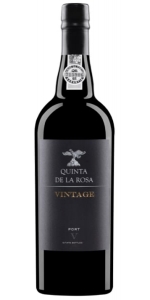
Opaque color. Very rich, dark chocolate aromas with some black cherry and mature fruit coming through. There is also a pleasing freshness to the port originating from its floral and cistus (rockrose) bouquet. The Quinta de la Rosa Vintage 2017 is a powerful wine with much potential but at the same time elegant and generous on the palate. Full of flavors, very complex with fine tannins that gives the wine a nobility and persistence. A great vintage made to give pleasure now and in the next few decades.
Review:
The 2017 Vintage Port was bottled a few weeks before tasting after spending 18 months in used tonels. It is a field blend, mostly Touriga Nacional and Touriga Franca, coming in with 98 grams per liter of residual sugar. Wonderfully aromatic and filled with flavor, this got plenty of aeration and didn't blink even a little. It was still vibrant and expressive. Aeration only made it more tannic. It is also delicious. This is potentially a great Port, and it seems like the best I've seen from La Rosa. This is sort of approachable in the near future, but it really needs (at least) a decade of cellaring. It has a lot of muscle and should age well.
-Wine Advocate 95 Points
Very floral in profile, with violet and lilac accents leading off, followed by a decidedly red-fruit spectrum of raspberry, cherry and red currant coulis flavors that race throughout. Has grip, but this is more reliant on acidity, showing a nearly piercing feel as the tightly focused finish zips along, leaving a mouthwatering impression. Delightfully idiosyncratic. Best from 2033 through 2050. 112 cases imported. — JM
-Wine Spectator 95 Points
This is a rounded Port, showing layers of black fruits, ripe tannins and spice. At the same time, it does have a solid structure that will allow it to age. The acidity comes through at the end. Drink from 2028.
-Wine Enthusiast 95 Points
Romariz Late Bottle Vintage Port has been aged aged in oak for 5 years. Fruity and suave aromas. A delicate softness and goes particularly well with nuts, almonds and cheese.
Powerful aromas of plum, licorice, ripe cherry, spices and chocolate. Full, juicy and velvety in the mouth, a good texture and intense finish.
Late bottled vintage (LBV) ports are made from grapes of a single vintage, aged 4-6 years in oak before bottling & release.
The Romariz Port Estate
The port house of Romariz was founded in 1850 by Manoel (Manuel) da Rocha Romariz. Manoel was a descendant from a well known Oporto family.
Over the years, Romariz developed business dealings in Brazil and other Portuguese Colonies (Africa and China), and to a lesser extent England. Historically, Romariz was known for wood ports, like Colheitas (single vintage Tawnies) and in top years vintage ports.
In 1966, the Romariz family sold their brand and business to Guimaraens & Co. (who own Fonsecca) and the business continued on. Some years passed by and eventually Fonsecca and Taylor’s joined forces. Today, Fonsecca, Talyor and Romariz share the same winemaker and facility in Vila Nova de Gaia.
Today, Romariz offers a wide range of Ports: wood, vintage, LBV’s and Colheitas. Their main markets are Portugal, Denmark and France. All grapes come from region #2, Cima Corgo, the heart of the best growing area along the Douro River. Romariz being a “Portuguese” port firm, adheres to a rich warm style of port wines.
Roland Champion Champagne Blanc de Blancs NV is aged for minimum 30 months (the minimum for NV is 15 months). This cuvee is made from 100% Chardonnay and is produced from the free run juice only. The current release is the result of the blend of the 2005, the 2006 and the 2007 vintage.
Fresh and delicate, its fine bubbles and wide range of aromas will be perfect as an aperitif. This Champagne will also match very well with seafood and shellfish.
dosage : 8 grams per liter
ageing : 30 months on laths
Even if it doesn't say on the label, 100% of the production is RD (Recently Disgorged)
Total Production for this Cuvée : 1,500 cases (9 liter equivalent) per year
Reviews:
"Golden yellow color. Lively, fruity, toasty leesy aromas of honeyed brioche and apple tart with a satiny, tangy, dry-yet-fruity medium body and a sleek, interesting, snappy lemon curd, nougat, and chalk finish with silky, soft, fruit tannins. A classic example of blanc de blanc champagne, delicious."
- Beverage Testing institute , 93 pts
"Spiced with ground anise and ginger accents, this offers notes of poached pear, lemon meringue pie, hazelnut and stony mineral. Very elegant and well-meshed throughout, with a silky finish. Tasted twice, with consistent notes. 1,500 cases made. –AN"
- Wine Spectator 92 pts
"This cuvée made from 100% Chardonnay offers a fresh aromatic nose of light toast, dried yellow fruit and nuances of yeast. On the palate it has a creamy mouth feel of toasted nuts and rich autolytic notes. This is a beautiful wine, rich and complex."
International Wine review 92+ pts
"Small grower. Autumn fruits dominate the aromas of this wine, which is blatantly more like a wine than we normally expect a champagne to be. Some may find that unexpected and even off-putting, while others will find it intriguingly delicious."
- Washington Post - EXCELLENT
"Roland Champion is a small family-owned producer, now with the fourth generation, in the village of Chouilly (”shoo-ee”), which has only Grand Cru vineyards. Made from 100 percent chardonnay grapes, this Champagne offers ethereal grace and poise and harmony; if I were fighting a duel tonight, I would ask for this Champagne as my last beverage. The nose here is about the richness of warm biscuits and hazelnuts, dried fruit and spice, like a Platonic, ineffably light fruitcake; in the mouth, however, it’s about a structure that encompasses an incredible marriage of power and elegance, like the delicacy and strength of the finest bone china. And there’s something porcelain-like about this Champagne, in its notable crisp, lively character, its transparency and its slightly chalky, shale-like mineral elements. Forget the Champagnes that come on with heavy toasty, caramel qualities; here, instead, is a wealth of subtlety and nuance touched with a racy, dynamic edge. Exceptional."
Biggerthanyourhead.net
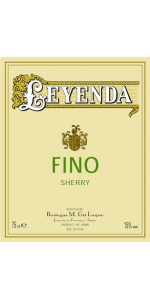
Yellow strawâ€colored, medium low intensity. Pungent, delicate and complex, with clear almonds notes and autolysis. The mouth is slightly soft, wityhout being sweet, the palate is round and fat with an excellent structure, volume and character but at the same time, the wine is still very fresh and saline. Long finish for this persistent wine.
As aperitif, while cooking, and accompanying the whole meal with it. It is ideal matching seafood and products of saline flavour and with acidity.
Gold, 92 points, LA Invitational
Gold, 91 points, Critics Challenge International Wine & Spirits Competition
Gold, Virginia Governor's Cup
Gold, Monticello Cup Wine Competition
Tasting notes:
Our 2017 Blanc de Blanc is made with 100% estate-grown Chardonnay. Aged for a minimum of 36 months on lees. Bright green apple and fresh citrus notes with layers of brioche and yeast complexity. An excellent balance of acidity, creamy mousse, and textures that persist with a long and elegant finish.
Pair with any special occasion. Make a Tuesday dinner special. Enjoy with mild cheeses, scallops, or serve as an aperitif.
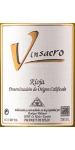
Vinsacro Rioja Blanco is made from 60% Chardonnay, 40% Viura.
Aged 7 months in oak barrels of 225 liters
The grapes come from vineyards located in Grávalos, on the southern slopes side of Mount Yerga at the foothills of the “Cordillera Ibérica” at an altitude of between 700 and 800 meters. A very high located area where you obtain fresh wines with little graduation, with very fine and elegant aromas.
Bright straw yellow color, intense aromas and elegance with outstanding floral and fruity notes. After some time in glass balsamic and spicy aromas with toasty notes rise, due to aging in oak and bottle maturation. Very cool and structured with an unusual power for a white with a variety of flavors ranging from citrus to balsamic. A white wine that is full of surprises and capable of taking on many years in the cellar.
Vinsacro white has a long aging potential and presumably will have a positive development for 20 years.
The Chardonnay grape is harvested during the second or third week of October. The Viura grape in the first two weeks of October.
The collection of the grapes is done manually.
The selected must will go through the fermentation in American oak barrels of 225 liters with medium toast, remaining in the barrel with its lees for seven months before being removed with a daily battonage, daily at first and then more sparingly.
Pairs great with roast lamb, grilled vegetables.



