" We don't sell the wine without touching the vine "
Penedo Borges Icono Malbec is made from 85% Malbec, 10% Cabernet Sauvignon and 5% Petit Verdot
Dark purple color.
Complex aromas of predominent ripe red fruit such as plum, cherry and raspberry with spicy notes.
Chocolate and vanilla flavors from barrel ageing which provide complexity and elegance.
Wine of great lenght.
Red meats, lamb, beef stew, strong cheese.
Review:
Icon is a selection from the winery, that is, of the best barrels of the year, basically with Malbec that occupies 85% of the final blend. The selection is made after a year of aging in barrels. The fruit of this selection is a wine of great depth of flavors, with spicy and herbal touches and with firm, sharp and penetrating tannins. In addition, there are earthy notes that project throughout the palate. An old school wine with an austere structure. One for the Cellar.
-Descorchados 94 Points
"Ripe berry and cassis aromas come with a blast of potent oak, but overall the nose on this Malbec is appealing in a bold manner. Airing is vital to smoothing out the tartaric bite this brings, while flavors of blackberry, dark plum, vanilla and mocha finish long and smoother than the palate. Drink this fully oaked and powerfully built Malbec through 2027. - MICHAEL SCHACHNER"
- Wine Enthusiast (July 2021), 93 pts
Penedo Borges Icono Malbec is made from 85% Malbec, 10% Cabernet Sauvignon and 5% Petit Verdot
Dark purple color.
Complex aromas of predominent ripe red fruit such as plum, cherry and raspberry with spicy notes.
Chocolate and vanilla flavors from barrel ageing which provide complexity and elegance.
Wine of great lenght.
Red meats, lamb, beef stew, strong cheese.
Pazo de Senorans Seleccion de Anada Albarino is made from 100 percent Albarino.
Straw yellow with greenish tints, vivid and brilliant. High intensity and very expressive. Profusion of aromas with traces of mineral. Great volume and ample body leaving a lasting impression from beginning to end.
Reviews:
The 2015 Albariño Selección de Añada is nothing short of phenomenal. For some reason, I hadn't tasted the young 2015 Albariño at the time it was released. It comes from the Los Bancales vineyard planted some 50 years ago and fermented with indigenous yeasts but without malolactic fermentation. It has a bright, almost fluorescent color and a complex, subtle and nuanced, elegant and expressive nose, with notes of sea shells and sea breeze, grass and white flowers. It's very clean, and the palate shows great balance and even feels a bit young. It has remarkable acidity and freshness (seven grams of tartaric acid) with good ripeness and 13% alcohol. This matured in tank with lees for over 30 months and was bottled in June 2024. It feels more serious and less exotic than earlier vintages. 18,000 bottles produced. This is the finest vintage that I can remember. Bravo!
-Wine Advocate 97 Points
Tech:
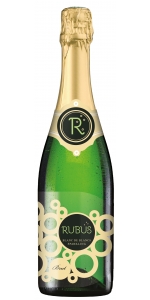
Rubus Brut Blanc de Blanc NV is made from 1/3 Ugni Blanc, 1/3 Airen, 1/3 Muscat .
The Rubus Project was created by Fran Kysela as a way to source & sell incredible wines at value prices. All wines in this international project are hand-selected by Fran Kysela. Rubus wines are fruit driven, true-to-type values that over deliver - a true representation of quality for the consumer at an excellent price.
Elegant pale yellow color with fine bubbles. Floral and fruity on the nose, with aromas of fresh butter and cake. On the palate, the wine is crisp and harmonious - a delightful sparkling wine.
Machine harvest. The base wine is fermented at a low temperature. The second fermentation takes place at 14°C for 2 weeks, followed by dosing.
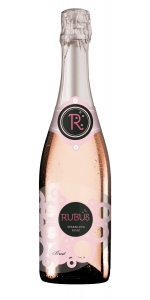
Rubus Brut Rose is made from 60% Tempranillo, 40% Bobal.
The Rubus Project was created by Fran Kysela as a way to source & sell incredible wines at value prices. All wines in this international project are hand-selected by Fran Kysela. Rubus wines are fruit driven, true-to-type values that over deliver - a true representation of quality for the consumer at an excellent price.
Stunning salmon-pink hues. The nose is intense and fine, dominated by notes of red berries. On the palate, the combination of fine bubbles and delicate aromas produces a delightfully light and silky rosé.
Machine harvest. The base wine is fermented at a low temperature. The second fermentation takes place at 14°C for 2 weeks, followed by dosing.
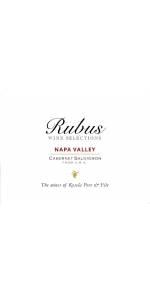
Rubus Cabernet Sauvignon Napa Valley is made from 100 percent Napa Valley Cabernet
Its long finish displays full mature flavors of blackberry, currant and chocolate with just a hint of toasty oak and black cherry. The tannins are refined and polished, allowing the fruit to be the focus.
Dark cherry and crushed berries lift from this dark tooth staining juice. On the palate the wine is weighted, full-bodied. Silky smooth and refined with flavors of plum, cherry and hints of toasted oak. The integrated tannins flow smoothly to a lengthy finish with slight hints of spice and plum.
Pairs well with grilled red meats, roast lamb, marinated chicken, pizza and pasta dishes, Asian cuisine.
The Rubus Concept
Rubus wines are a private label created and used by Kysela Pere et Fils, LTD in order to buy, bottle and market wine found at incredible quality/price ratio. All Rubus wines are selected by Fran Kysela MS.
It was first used for a superb batch of 1,200 cases of Amador county Zinfandel back in 1997. The wine sold in a few days and the Rubus brand was not used since then.
During a trip in California in 2009, when Fran Kysela tasted some incredible wines (available in bottle but without label), he decided to help resurrect the brand creating an outstanding Cabernet Sauvignon from Stag's Leaps district in Napa Valley (California) , followed by an excellent Chardonnay from Russian River Valley (California)
We then developed the Rubus Zinfandel from Lodi (California).
In 2011, we added a Shiraz/Viognier blend from the Barossa in Australia.
For 2012, the newest addition to the Rubus line is a Chardonnay from Colchagua Valley in Chile.
Rubus is now its own brand representing quality for the consumer and an incredible price along the way.
Rubus Meaning
The name RUBUS means "raspberry" in Latin and it is the name given to the genus of flowering plants in the rose family. For instance, here are some famous fruit from the Rubus family with their latin names:
Rubus fruticosus agg. – Blackberry
Rubus idaeus – European Red Raspberry
Rubus occidentalis – Black Raspberry
Rubus pensilvanicus – Pennsylvania Blackberry
Rubus strigosus – American Red Raspberry
Paul Hobbs George Menini Estate Chardonnay is made from 100 percent Chardonnay.
Located on the southwestern edge of the Russian River Valley appellation in an area known as the Sebastopol Hills, this Chardonnay from George Menini Estate displays pale straw in color and boasts an elixir of white and yellow florals, tart yellow apple, bartlett pear, and baking spice. A precise yet supple wine with notes of juicy Gravenstein apple, vibrant sea salt, and crushed rock, complemented by a cool-climate zing of acidity. An impressive level of complexity for a young vineyard.
Review:
Lots of pears and pear blossom with lemon rind undertones. Medium body with plenty of fruit and energetic acidity with a pumice undertone. Some terra-cotta, too. Flavorful finish. Salty, too. Complex. Lots going on here. Drink or hold.
-James Suckling 97 Points
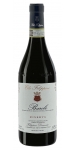
Filippino Elio Barolo Riserva is made from 100 percent Nebbiolo.
This 100% Nebbiolo offers a fruity, floral and spicy bouquet of red roses, raspberry, cinnamon and cocoa. It is generous, enveloping and elegant in the mouth, yet intense and full-bodied.
The grapes undergo a soft crushing and destemming leading to a clear must. This must ferments in steel tanks at a controlled temperature of 26°C and macerates for 20-25 days. After racking, the wine undergoes a lengthy maturation in oak barrels, which is continued with a lengthy bottle-ageing. Bottle-ageing confers the wine’s final character, at which time the wine is sent to market and from there to consumer tables.