" We don't sell the wine without touching the vine "
| Country: | United States |
| Regions: | California California (Sonoma County) |
| Winery: | Rubus |
| Grape Type: | Pinot Noir |
| Vintage: | 2018 |
| Bottle Size: | 750 ml |

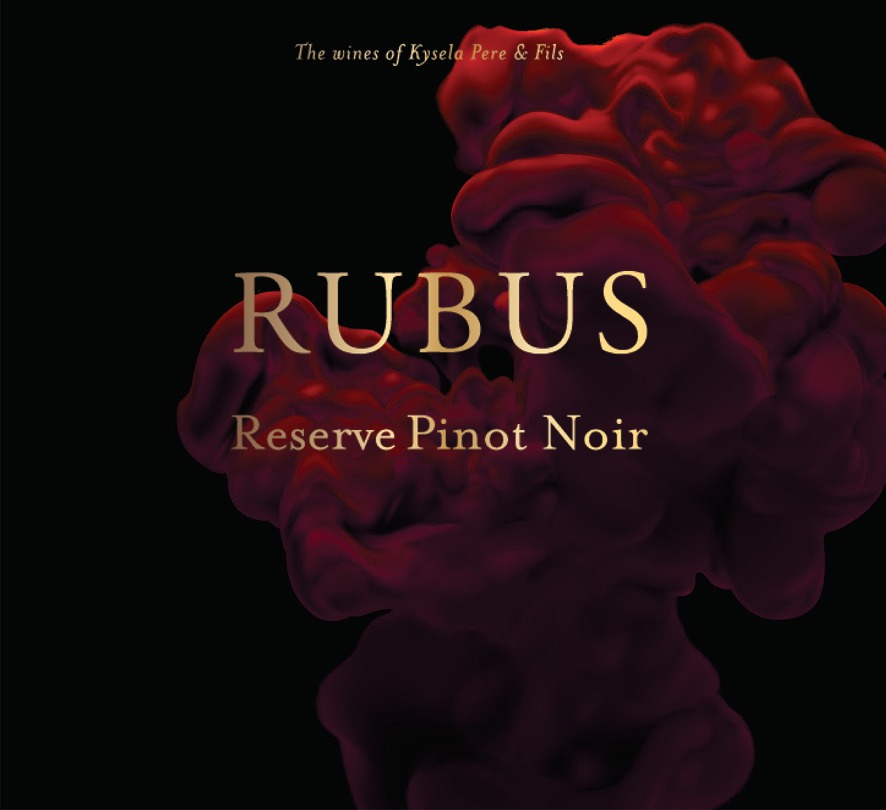
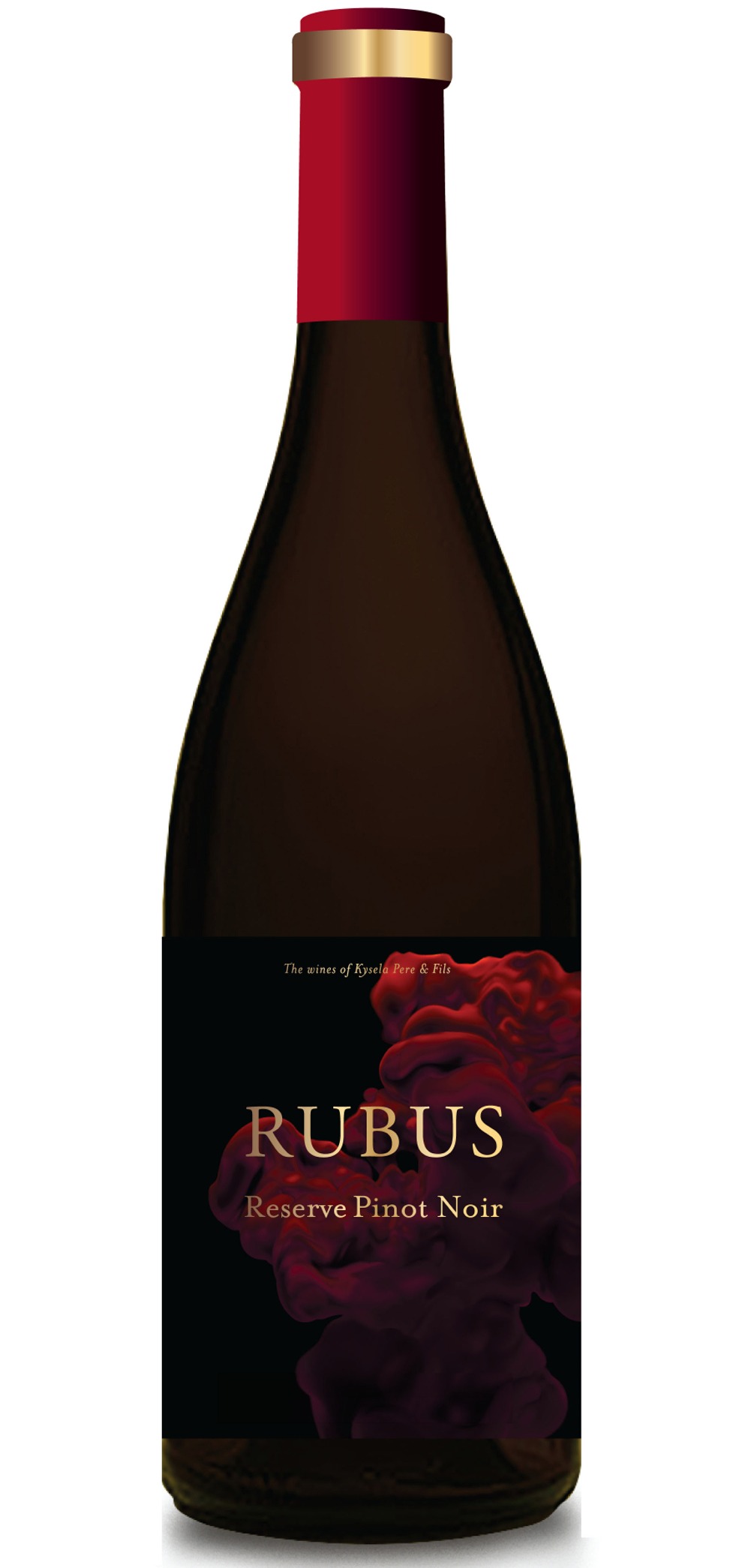
Rubus Reserve Pinot Noir Russian River is made from 100 percent Pinot Noir.
The Rubus Project was created by Fran Kysela as a way to source & sell incredible wines at value prices. All wines in this international project are hand-selected by Fran Kysela. Rubus wines are fruit driven, true-to-type values that over deliver - a true representation of quality for the consumer at an excellent price.
Rubus Reserve Pinot Noir is sourced from Russian River Valley. It shows complexity with raspberry and cherry notes that dance on the tongue.
-150x300.jpg "Rubus Reserve Pinot Noir Los Carneros 2022")
The Rubus Project was created by Fran Kysela as a way to source & sell incredible wines at value prices. All wines in this international project are hand-selected by Fran Kysela. Rubus wines are fruit driven, true-to-type values that over deliver - a true representation of quality for the consumer at an excellent price.
Rubus Reserve Pinot Noir is sourced from Carneros, Napa Valley. It shows complexity with raspberry and cherry notes that dance on the tongue.

Ancien Pinot Noir Russian River Jouissance is made from 100 percent Pinot Noir.
Jouissance is sourced from the single vineyard established and farmed by Mark Lingenfelder at his home estate. Mark’s decades of experience as a vineyard manager and consulting viticulturalist have provided him the depth of experience to reach the pinnacle at his own property. Having worked with storied wineries over the years, we are grateful our paths have crossed enabling us to work with him for our Russian River designate. He tends the vines himself while relying on neighbor Lee Martinelli to provide additional help at the peak times. We work with a mix of Pommard and Dijon 667 vines from his oldest and youngest blocks – aged wisdom combines with youthful vigor!
The 2021 growing season was a welcome success after a more varied and challenging 2020. The vines came on with aplomb, demonstrating the rich fruit concentration we expect – even if the crop was meager. The ongoing drought in California served to further accentuate the character and concentration of the fruit. While warmer conditions have prevailed in other areas, the coastal areas of California continue to benefit from the maritime influence and moderating influence that it brings.
We fermented in our one ton, open-top tanks after filling by gravity. A warm fermentation with a combination of native and isolated Burgundian yeasts produced excellent and focused flavor extraction, complemented with traditional punch-downs by hand. The wine was aged entirely in Francois Freres cooperage, 40% new, and racked once, gently, prior to bottling. Grapes, must, and wines were moved using gravity through to the barrel and using inert gas through racking and bottling. 151 cases produced.
Bright fruit notes dominate the aromas with bright cherry, plum, and boysenberry underlaid by allspice and clove. On the palate the wine is liquid velvet, it’s silkiness segueing into a burst of fruit and spice that rides high on the palate while gradually opening to deeper berry, tea, and baking spices. It is a refreshing and lively Pinot Noir in its youth that will continue to fill out in depth and complexity over the next 2-5 years.

Octopoda Pinot Noir Russian River is made from 100 percent Pinot Noir.
10 months in 40% new French oak
Beautiful garnet color with aromas of bing cherry, red raspberry, baking spice and subtle vanilla notes. On the palate, flavors are of concentrated red and blue fruit, with a core of cherry and dark raspberry with purple violet floral notes. Medium bodied with balanced acidity that lifts the flavors

Paul Hobbs Russian River Pinot Noir is made from 100 percent Pinot Noir.
Sourced predominately from the estates that are defined by their proximity to the coast and Russian River climate, the wine displays vivid crimson and aromas of violet, Morello cherry, and black tea. Velvet tannins on the palate ride along a juicy backbone of flavors such as cranberry, Blood orange, and Damson plum. The finish is long, powered behind a crisp acidity and appealing red clay-like minerality.

Ziata Pinot Noir Russian River Valley is made from 100% Pinot Noir.
Vineyard Notes
Green Valley is tightly delineated geographically and climatically, and is the most consistent Sonoma Coast appellation in terms of soil, climate and flavor profile. Two factors, in particular, make it ideal for Pinot Noir. First, the predominant soil type is Goldridge, which with its excellent drainage and low fertility, curtails the vine’s vigor. This results in fewer clusters but of better quality. Second, its elevation and cool coastal climate mean a smaller swing between and day and night temperatures, and its overall cooler daytime temperatures allow for a longer growing season to bring out the full potential of the fruit.
Tasting Notes
This silky Pinot Noir opens with aromas of fresh strawberry, cherry, raspberry and plum, warmed by notes of spice, forest floor and cedar. The wine is fresh and balanced on the palate, with fruit and beautifully integrated oak flowing into a long, juicy finish.
Production Notes
This was the third year of drought, but well-timed watering in the vineyard ensured ample growth and cluster development. Rolling heat spells prior to harvest were kept in check by cool nights, courtesy of the nearby Pacific Ocean. This diurnal range resulted in a medium-bodied, juicy gem of a Pinot Noir.
Rubus Reserve Pinot Noir Russian River is made from 100 percent Pinot Noir.
The Rubus Project was created by Fran Kysela as a way to source & sell incredible wines at value prices. All wines in this international project are hand-selected by Fran Kysela. Rubus wines are fruit driven, true-to-type values that over deliver - a true representation of quality for the consumer at an excellent price.
Rubus Reserve Pinot Noir is sourced from Russian River Valley. It shows complexity with raspberry and cherry notes that dance on the tongue.
The Rubus Concept
Rubus wines are a private label created and used by Kysela Pere et Fils, LTD in order to buy, bottle and market wine found at incredible quality/price ratio. All Rubus wines are selected by Fran Kysela MS.
It was first used for a superb batch of 1,200 cases of Amador county Zinfandel back in 1997. The wine sold in a few days and the Rubus brand was not used since then.
During a trip in California in 2009, when Fran Kysela tasted some incredible wines (available in bottle but without label), he decided to help resurrect the brand creating an outstanding Cabernet Sauvignon from Stag's Leaps district in Napa Valley (California) , followed by an excellent Chardonnay from Russian River Valley (California)
We then developed the Rubus Zinfandel from Lodi (California).
In 2011, we added a Shiraz/Viognier blend from the Barossa in Australia.
For 2012, the newest addition to the Rubus line is a Chardonnay from Colchagua Valley in Chile.
Rubus is now its own brand representing quality for the consumer and an incredible price along the way.
Rubus Meaning
The name RUBUS means "raspberry" in Latin and it is the name given to the genus of flowering plants in the rose family. For instance, here are some famous fruit from the Rubus family with their latin names:
Rubus fruticosus agg. – Blackberry
Rubus idaeus – European Red Raspberry
Rubus occidentalis – Black Raspberry
Rubus pensilvanicus – Pennsylvania Blackberry
Rubus strigosus – American Red Raspberry

Imperial Stag Malbec is made from 100 percent Malbec.
Intense and bright ruby red color. Aromas of ripe fruit with spicy notes of eucalyptus and licorice. Vanilla and tobacco aromas contributed by the ageing in French oak barrels. Good volume on the palate, balanced, intense with great concentration, sweet flavors, with rotund tannins polished with elegance and sophistication.
Perfect companion for red and game meats, pasta, stews, rice and a variety of winter cuisine dishes.
| Alcohol | 14,4% |
|---|---|
| Ac. Total | 5,8g/l |
| Ph | 3,3 |
Review:
There's a texture, weight and self-confidence about the Imperial Stag reds that I find really appealing. Stylishly oaked in 85% new barrels, it combines aromas of violet, liquorice and coffee bean with a palate of cassis, blackberry and fresh green herbs, sculpted tannins and a refreshing, tapering finish. 2025-32
-Tim Atkin MW Argentina Report 93 Points

Michel Thomas Sancerre Blanc is 100% Sauvignon Blanc (40% Caillottes, 40% Grosses Terres, 20% Silex)
The wine displays an exotic nose with a touch of smoke and licorice. On the palate, peach and watermelon dominate with citrus zest and chalk notes.