
" We don't sell the wine without touching the vine "
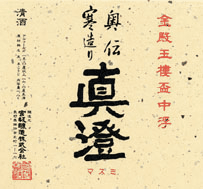
| Country: | Japan |
| Region: | Nagano |
| Winery: | Myasaka Brewing Company |
| Grape Type: | Miyamanishiki (kojimai) (Sake) |
| Vintage: | NV |
| Bottle Size: | 720 ml |
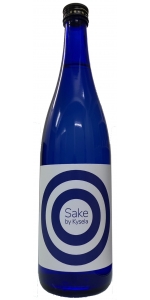
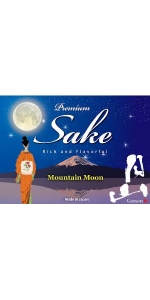
Sake By Kysela has been a project in the making for three years now. In the end, we selected a Sake made from the famous Yamada Nishiki rice produced in the Southern Prefecture of Shimane. Flavorful, rich, and clean; this sake is best as an aperitif or with seafood like fluke, dover sole or halibut. Kanpai!!!
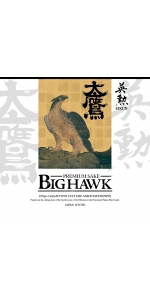
Rice milling: 60%
Rice varietal: Iwai (Only available in Kyoto)
Alcohol: 15%
Sake meter value: +3.0
Acidity: 1.3
Tasting Notes: --------
Eikun sake uses water from a source called "Fusui", rated as one of the top 100 sources of water in Japan. This water source is located just south of the ancient Japanese, and still cultural capital of Japan, Kyoto.
Review:
"Clear with a platinum blue cast. Aromas of coconut milk, melon, pear and rice pudding with a with a supple, dry-yet-fruity medium body and a vanilla, apple, and pepper accented finish. A robust and lively sake that will sing with spicy Asian cuisine."
- Beverage Testing Institute (July 2nd 2014), 91 pts
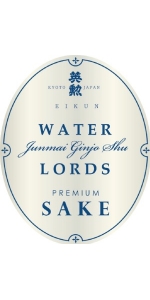
Sake Eikun Junmai Ginjo Water Lords is made with Iwai rice.
Eikun sake uses water from a source called "Fusui", rated as one of the top 100 sources of water in Japan. This water source is located just south of the ancient Japanese, and still cultural capital of Japan, Kyoto.
Aromas of macadamia oatmeal cookie, spicy zucchini bread, and vanilla cream with a satiny fruity-yet-dry medium-to-full body and a layered, banana custard, jicama, salted whole nut, apple, and radish nuanced finish. A Wonderfully vibrant and flavorful sake.-Beverage Tasting Institute 94 points (Exceptional)
RATING: 94 points (Exceptional)
CATEGORY: Junmai Ginjo Sake, Sake
ALCOHOL BY VOLUME: 15.3%
TASTING LOCATION: In Our Chicago Tasting Room
TASTING DATE: Dec-05-2012
WINE ID: 200768
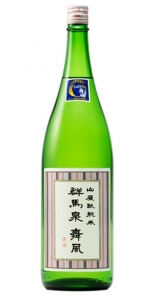
Woodsy honeycomb, nutshell, and mushroom patch aromas with a satiny fruity-yet-dry medium-to-full body and a delicate savory mushroom stock, chestnut, and golden beet driven finish. A fine choice for tempura. 91 Points -Beverage Tasting Institute
RATING: 91 points (Exceptional)
CATEGORY: Junmai Ginjo Sake, Sake
ALCOHOL BY VOLUME: 15.4%
TASTING LOCATION: In Our Chicago Tasting Room
TASTING DATE: Dec-05-2012
WINE ID: 200767
Savory nuances of toasted quinoa, banana bread, and nutmeg are present in the nose. On the palate, this sake is layered, lifted and complex, with flavors of plantain, dried cranberry, nougat, white Mushroom and almond.
POLISHING RATIO: 60%
ALCOHOL: 15-16%
SMV +/-: +3.0
RICE KAKE: 50% WAKAMIZU 50% LOCALLY FARMED JAPANESE RICE
YEAST STRAIN: PROPRIETARY
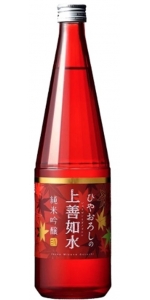
Hiyaoroshi is a general term referring to sake that has been pasteurized once in the winter and then allowed to mature over the summer before distribution in autumn. The Japan Sake Brewers Association designates September 9th as the official start for Hiyaoroshi sales. (Essentially aged Namazume)
September 9th is known as Kiku-no-Sekku (“Chrysanthemum Festival”), where hundreds of chrysanthemums are displayed around various venues and chrysanthemum sake is served. The chrysanthemum (kiku) was brought to Japan from China during the Nara period. In 1183, it was adopted as the Imperial Seal of Japan, and during the Meiji period no one but the Emperor could use it. Nowadays it still represents the authority of the emperor and you can see it everywhere in Japan.
Aromas are forward, fresh, and fruity in the nose with notes of sweet melon, cherries, and hints of vanilla. Flavors on the palate evoke feelings of the season with pumpkin pie, roasted nuts, and stewed plums. This sake is medium-bodied and accented by medium acidity, showing classic Jozen minerality and a lingering dry finish. Additional 7 months of aging adds depth and roundness.
{Pairs with roasted poultry, baked ham, butternut squash ravioli, BBQ, and dishes with sweet spice.
Aged Gouda, triple cream, fresh chevre .
Sake Masumi Okuden Kantsukuri Mirror of Truth is brewed from November through January, then aged in the tank until autumn to allow its rich, soothing flavor to mature. Longtime sake drinkers find this sake comfortingly familiar, with unshakable down-to-earth reliability. It is smooth and well-balanced at first sip, and with repeated tastings displays a range of subtle, organic flavors as well as a pleasant natural sweetness. The abundant amino acids in this pure rice sake give it a wholesome roundness which is further enhanced by warming. Goes best with Japanese-style comfort foods like tempura, tofu and marinated chicken and pork dishes.
Awards: Gold Medal, Junmai class, 2001 - 2004 U.S. National Sake Appraisal
Rice Variety: Miyamanishiki
Polishing Ratio: 60%
Alcohol Percentage: 15.0%
Sake Meter Value: +3.0
Acidity: 1.5
Yeast Type: Association No. 9
Myasaka Brewing Company
Masumi is one of the great names of the sake world, admired throughout Japan for its satisfying taste and unshakeable, down-to-earth reliability. The brewery where it is made was founded in 1662 in the town of Suwa, where a tradition of precision craftsmanship had led to the development of the silk spinning trade. Attention to detail remains at the heart of the Masumi brewing philosophy to this day.
In 1920, the brewery's president, Masaru Miyasaka, appointed a 28-year-old sake prodigy named Chisato Kubota to the position of brewmaster. The two travelled throughout Japan in the manner of Zen monks, "knocking on the door of the master and seeking knowledge." This keen desire to elevate the quality of Masumi sake, combined with a shared openness of mind, was rewarded in 1936 when Miyasaka Brewing Company won the first of many top honors at the Japan National Sake Appraisal.
Masumi achieved even greater prominence in 1946 when brewmaster Kubota, discovering a lovely aroma emanating from one of the brewery's fermentation tanks, requested that an expert from the National Research Institute of Brewing be called in for consultation. Samples were taken and it was soon confirmed that a new yeast variety, Association No. 7, had been discovered.
In the sake world, discovering a new yeast is like receiving the Nobel Prize, and only a handful of breweries enjoy this distinction. With its gentle, pleasing aroma and ease of use, No. 7 soon spread beyond Nagano Prefecture, and today continues to be used by over half of the breweries in Japan. In 2002, Masumi released a redolent, old-style sake with an insouciant 21st-century attitude called "Nanago" (No. 7) in tribute to the famous microorganism to whom the sake world owes so much.
Woodsy honeycomb, nutshell, and mushroom patch aromas with a satiny fruity-yet-dry medium-to-full body and a delicate savory mushroom stock, chestnut, and golden beet driven finish. A fine choice for tempura. 91 Points -Beverage Tasting Institute
RATING: 91 points (Exceptional)
CATEGORY: Junmai Ginjo Sake, Sake
ALCOHOL BY VOLUME: 15.4%
TASTING LOCATION: In Our Chicago Tasting Room
TASTING DATE: Dec-05-2012
WINE ID: 200767
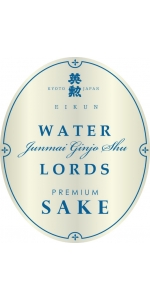
Sake Eikun Junmai Ginjo Water Lords 12/720ml is made with Iwai rice.
Eikun sake uses water from a source called "Fusui", rated as one of the top 100 sources of water in Japan. This water source is located just south of the ancient Japanese, and still cultural capital of Japan, Kyoto.
Aromas of macadamia oatmeal cookie, spicy zucchini bread, and vanilla cream with a satiny fruity-yet-dry medium-to-full body and a layered, banana custard, jicama, salted whole nut, apple, and radish nuanced finish. A Wonderfully vibrant and flavorful sake.-Beverage Tasting Institute 94 points (Exceptional)
RATING: 94 points (Exceptional)
CATEGORY: Junmai Ginjo Sake, Sake
ALCOHOL BY VOLUME: 15.3%
TASTING LOCATION: In Our Chicago Tasting Room
TASTING DATE: Dec-05-2012
WINE ID: 200768
Made with Iwai rice.
Eikun sake uses water from a source called "Fusui", rated as one of the top 100 sources of water in Japan. This water source is located just south of the ancient Japanese, and still cultural capital of Japan, Kyoto.
Rice milling: 60%
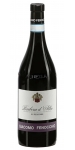
Fenocchio DOC Barbera d'Alba Superiore Bussia is made from 100 percent Barbera.
The color is a deep ruby red with garnet reflections. It has a rather intense bouquet, with scents typical of the vine and a full bodied and dry flavor, with a distinct and pleasing acidity. It becomes mature with aging, acquiring a full and balanced flavor.
Parcel is 2.5 hectares (6.2 acres) planted at 300 meters above sea level.
It pairs well with red and white meats, tagliatelle pasta and cheeses.
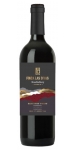
Finca las Divas Cabernet Franc Reserve Gualtallary is 100% Cabernet Franc.
Named in honor of different divas because of the detailed attention to each varietal and plot, consequence of the terroir, origin of the Andes slopes.
Deep violet red in color. Its aromas are intense and concentrated, with hints of black and red fruits with smoky touches obtained during its oak aging.
In the mouth it is persistent, full of juicy yet firm tannins and balanced acidity. It is frank and expressive, modern and of great personality.
Pairs with red meat, pasta with tomato sauce and hard cheeses.



