
" We don't sell the wine without touching the vine "
| BUY MORE! SAVE MORE! | ||||||||||||||||||||
|
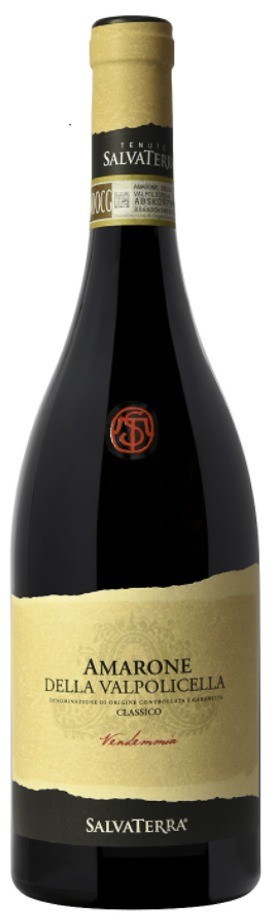
| Country: | Italy |
| Region: | Veneto |
| Winery: | Tenute Salvaterra |
| Grape Type: | Corvina |
| Vintage: | 2018 |
| Bottle Size: | 750 ml |
Salvaterra Amarone della Valpolicella Classico is made from 65% Corvina, 20% Corvinone, 10% Rondinella, 5% Oseleta.
Perfume of cherries, cocoa, tobacco and black pepper. On the palate it is complex and deep, elegant and robust at the same time, harmonious and with an excellent tannin.
Amarone della Valpolicella Classico is "the essence of the territory", structured but also fresh at the same time.
Pairs with red meats, aged cheese, dark chocolate, cigars.
Review:
Abundant lively red cherries, plums and mellow milk choolate with a energetic and powerful structure, an elegant frame of velvety tannins and an attractive balsamic finish.
-Decanter 96 Points
Tenute Salvaterra is located in the heart of Valpolicella, in the magnificent Villa Giona, dating back to the sixteenth century, in San Pietro in Cariano. The Company was established in the nineties by the Furia Family in Valgatara, in the heart of Valpolicella. Over the years, it has rapidly developed becoming one of the landmark Wineries in Valpolicella, leader in drying techniques to produce Amarone, Ripasso and other wines of the same category.
For Tenute SalvaTerra, values and mission coincide:
Safeguarding a natural resource as the “Earth”, which is unique and cannot be reproduced and whose values are to be kept and preserved;
Turning a natural element as the “Earth” into a magical product, wine, whose ingredients are: Love – Respect – Passion – Pride – Fatigue – Patience – Anticipation – Creativity;
Respecting the natural elements of the “Earth”: Colors - Orography - Seasons - Balance (the right thing in the right place)(the right thing in the right place).
The Grande Valpolicella extends towards Eastern Verona and Valpolicella Classica of Tenute di Prun and Cengia. On the hills of all these valleys they cultivate the most famous native grapes of the Verona area - Corvina, Corvinone, Rondinella - along with a few other minor varieties.
Bihan Le Touraine Sauvignon Blanc is made from 100 percent Sauvignon Blanc.
Pale, lemon green color, with pronounced citrus intensity. The nose is dominated by lychee, grapefruit and peach aromas; rich and well-rounded in the mouth, showing a pleasant acidity length.
To drink as an Aperitif or with food, such as white meat, seafood, crottin de Chavignol goat cheese.
Luis Canas Rioja Blanco is made from 90% Viura and 10% Malvasia (60+ years old vines)
Barrel fermented for 3.5 months in new French oak barrels.
Alcohol: 13,5º
Total acidity: 6,5 g./l.
Volatile acidity: 0,25 g./l.
PH: 3,40
Free SO2: 25 mg./l.
Grapes harvested in small boxes to be selected manually on the table, bunch by bunch.
Beautiful golden yellow, with bright lemony highly-luminous reflections. The nose is fine, with great elegance, combined with floral and fruity tones.
The palate is dry with a crisp acidity that gives its freshness and vivacity, a structured and tasty finish of ripe fruit.
We recommend that you taste it at 8°C.
It is appropriate to accompany shellfish, crustaceans and grilled white fish or fish stews. It also blends elegantly with rice, soft cheeses, blue cheeses, all kinds of mushrooms and fresh fruit.
Bertani Valpantena Amarone is made from 80% Corvina Veronese, 20% Rondinella.
The best grapes are selected so that only the healthiest and ripest bunches are sent to the drying rooms in the historic winery at Grezzana, where they are laid out in single-layer crates. In mid- January, the grapes are destemmed and crushed, then fermentation starts, at first at a temperature of 39°F- 41°F, which then reaches 72°F in the final stages.
WINEMAKING
The vines are vertical-trellised and Guyot-trained, with a planting density of 2024 plants per acre. Hand harvest is carried out in the middle of September.
This amarone is produced in the Valpantena hills, north of Verona. The soils are calcareous-marl in the east and calcareous-clay in the west, rich in iron.
TERROIR & VINTAGE NOTES
Bertani’s impact on Veneto wine making, particularly in Amarone production, is so considerable that ‘Bertani’ and ‘Amarone’ are nearly synonymous. Their 150+ year history is dotted with groundbreaking initiatives and royal accreditation. While respectful of their past, Bertani strives towards innovation, using progressive techniques and equipment allied with extensive experience and a deeply felt respect for tradition to provide wines of uncompromising quality.
On the nose, marked and intense aromas of very ripe cherries, sour cherries, spicy and nutty notes typical of the Valpantena. Good follow-through of red fruits on the palate, with supple tannins to give depth. This full bodied wine pairs well with rich dishes, mature cheeses and strong-flavored meats.
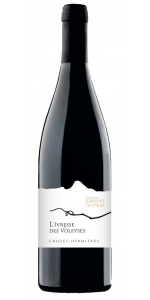
Laurent Veyrat Crozes Hermitage l'ivresse des Voleyses is made from 100% Syrah.
Review:
"Slightly more expensive, the 2020 Crozes-Hermitage L’Ivresse Des Voleyses is similarly purple-hued and has a great nose of ripe red and blue fruits interwoven with plenty of pepper, flowery incense, and spicy nuances. It’s pure, meduim-bodied, and beautifully balanced, with integrated acidity and outstanding length. It’s very much in the style of this classic, balanced vintage and is going to have over a decade of longevity."
-Jeb Dunnuck (2022), 91-93 points
Pernot Belicard Puligny-Montrachet is made from 100 percent Chardonnay.
The grapes come from the village of Puligny Montrachet, from a small parcel of 3.7 acres.
An expressive nose showing floral aromas, butter and woody notes. The mouth is round and suave with fruity notes and great minerality.
Pair with Sole Meunière, Bresse Poultry with morels, Livarot cheese.
Cazaux Vacqueyras Blanc Les Clefs d'Or is made from 50% Clairette, 30% Roussanne and 20% Grenache Blanc.
A wine with lively acidity, expressive aromas of fennel and white flowers. It is long and full in the mouth with minty and anisy aromas mixed with white peach flavors. Refreshing and mineral character.
Clairette grapes are green harvested to concentrate and harmonize aroma. Each grape varietal is hand picked separately. Pressing with skin contact at low temperature. Aged 12 months in stainless steel tank. (No oak)
Enjoy this wine with all sorts of fish starters, squid salad with olive oil and basil. A must try with fresh oysters.
Review:
"Exotic citrus, pineapple, baking spices, and minty flower notes emerge from the 2023 Vacqueyras Les Clefs D'Or Blanc, a medium-bodied, juicy, lively, balanced white that has the vintage's ripe yet pure, layered, focused style. It's incredibly well done and worth your time and money."
- Jeb Dunnuck (April 1st 2025), 92 pts
Antica Vigna Amarone della Valpolicella Riserva is made from 65% Corvina, 20% Rondinella, 10% Corvinone, 5% Merlot.
Amarone DOCG has maintained unchanged its typicality, so that “the essence of the territory” of Valle di Mezzane and Cazzano di Tramigna powerfully emerges. Rich in color, firmly structured but with fresh notes.
WINEMAKING AND AGING:
Manual harvest early October with selection of the best bunches.
Drying: natural drying in fruit cellar for 3/4 months with a sharp drop in weight of around 30%.
Vinification: soft crushing of destemmed grapes in the months of January and February.
Fermentation: at a controlled temperature of 18/21°C. Fermentation time: about 30 days
Aging:· 80% in oak barrels for 30 months of which 2/3 in American and French barriques, half of which are used for the second and third time, 1/3 in large
THE TERRITORY:
Geographical location: Tenuta di Mezzane, Tenuta di Cazzano di Tramigna
Height: 350/400 meters asl
Exposure: south
Soil type: limestone
Vineyard training system: guyot and pergola
Vine planting year: from 1972 to 2009
Vine density: 4,000 to 5,400 vines per hectare Vineyard management: sustainable agriculture and great attention to natural
cycles
Pairs well with grilled and roasted meats, as well as cheese.
Timeless Notes:
Dark cherry in color, firm on the palate with a vibrant acidity underbelly. Thought lush on the palate the flavors are complex and elegant from entry to mid-palate with hints of currant and wild berries. The finish brings in a touch of tobacco and leather notes ,classic examples of this region, with more ripe fruit flavors that linger on long strain tannin finish. Complex with depth and elegance on the palate. This one is drinking now, but can handle more time in the cellar with ease. An excellent value in the Riserva category.
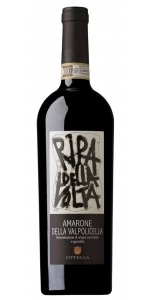
Ripa Della Volta Amarone della Valpolicella 70% Corvina, 20% Corvinone, 5% Oseleta and 5% Spigamonte.
The vineyards are located at an elevation of 300-600 metres above sea level, with a south-southwesterly exposure. Training system: Guyot.
It features an intense red color with garnet highlights. The nose offers up a rich variety of aromas with fruity notes of cherries, morello cherries and plums, spices and hints of chocolate. It is round and caressing with soft, mellow tannins balanced by excellent acidity that enhances its drinkability and ageing potential.
It is a wine with a marked personality, great finesse, elegance, and extraordinary longevity.
It pairs well with main dishes such as game and roasts, but also cured meats and mature cheese.
Review:
Strong, dark ruby with a light garnet edge. Intense and very clearly defined nose with notes of ripe plums, dark forest raspberries and some tobacco in the background. Round on the palate with plenty of supple tannin, pleasantly dry, firm pressure in the finish.
-Falstaff 92 Points
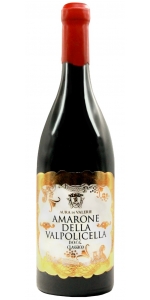
The first kosher Amarone! Amarone undergoes a very unique process prior to fermentation. In late October, grapes are harvested and allowed to dry for around 120 days. Known as the “appassimento” technique, the drying process traditionally occurs on straw mats or in temperature controlled drying chambers. This process helps concentrate the juices and increases skin contact, giving the wine a very ripe, full-bodied flavor. There is no other wine like it! The unique flavors of Amarone, including dark chocolate, coffee, dark fruit and light notes of cherry, pair beautifully with steak, stews, and bold cheeses.
The color is deep bright, ruby red with a violet edge. Powerful bouquet and intense aromas of cherry, ripe plum, toasted almond, and vanilla. A full bodied wine with round and rich flavor.
Bertani Valpantena Amarone is made from 80% Corvina Veronese, 20% Rondinella.
The best grapes are selected so that only the healthiest and ripest bunches are sent to the drying rooms in the historic winery at Grezzana, where they are laid out in single-layer crates. In mid- January, the grapes are destemmed and crushed, then fermentation starts, at first at a temperature of 39°F- 41°F, which then reaches 72°F in the final stages.
WINEMAKING
The vines are vertical-trellised and Guyot-trained, with a planting density of 2024 plants per acre. Hand harvest is carried out in the middle of September.
This amarone is produced in the Valpantena hills, north of Verona. The soils are calcareous-marl in the east and calcareous-clay in the west, rich in iron.
TERROIR & VINTAGE NOTES
Bertani’s impact on Veneto wine making, particularly in Amarone production, is so considerable that ‘Bertani’ and ‘Amarone’ are nearly synonymous. Their 150+ year history is dotted with groundbreaking initiatives and royal accreditation. While respectful of their past, Bertani strives towards innovation, using progressive techniques and equipment allied with extensive experience and a deeply felt respect for tradition to provide wines of uncompromising quality.
On the nose, marked and intense aromas of very ripe cherries, sour cherries, spicy and nutty notes typical of the Valpantena. Good follow-through of red fruits on the palate, with supple tannins to give depth. This full bodied wine pairs well with rich dishes, mature cheeses and strong-flavored meats.
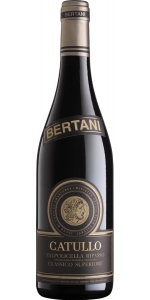
Bertani Valpolicella Ripasso Classico Superiore Catullo is made from 70% Corvina Veronese, 20% Corvinone, 10% Rondinella. Valpolicella Classica, Tenuta Novare Estate in Arbizzano di Negrar.
Wine of medium structure with elegant spicy notes of vanilla and chocolate accompanied by typical notes of cherry, sour cherry and white pepper. The palate offers the easy drinkability typical of Valpolicella and, at the same time, silky tannic structure and intense, prolonged aromatic persistence. The finish is fresh, soft and savory. A wine in the classic style, elegant, balanced, harmonious.
Review:
If I was forced to choose a number of wines that can steer the anachronistic Ripasso category into a brighter future, this would be among a very few. A mid-weighted, streamlined expression with just enough fruit on the bones. Think strawberries, lilacs, Asian plums, cloves and a hint of licorice. A noble, almost alpine bitterness lifts the finish. Brilliant. Drink or hold.
-James Suckling 95 Points
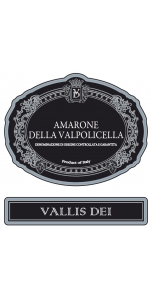
Cantina di Verona Amarone Valpolicella Vallis Dei is made from 65% Corvina Veronese, 30% Rondinella, 5% Molinara
Color: deep ruby red
Nose: Dried prune and blackberry with hints of vanilla and spice
Mouth: It is generously structured and velvety.
Yield: 8000 kg of grapes per hectar – after which the grapes are dried “appassimento”
Grapes are raisin-dried for at least 4 months after harvesting, losing at least 40% of their weight. It is made from selected grapes which are left to dry on racks in specially ventilated rooms until the end of winter.
Fermentation temperature between 18° and 22°C
Maceration time: 20 days

Niner Cabernet Sauvignon is made from 91% Cabernet Sauvignon, 3% Cabernet Franc, 3% Petit Verdot, 3% Malbec.
2021 was a benchmark vintage for Cabernet in Paso Robles. The long, cool growing season was ideal for our Bordeaux grapes and allowed them to slowly ripen, creating complex flavors and wines built to age. The 2021 Cabernet Sauvignon was aged 21 months in French Oak barrels and is one that you’ll want for your collection. It is an elegant wine with a balance of dark fruit flavors and herbaceous notes with lush tannins.
Review:
92 points, Editor's Choice - Wine Enthusiast
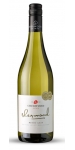
Tasting Notes
This Pinot Gris is filled with great fruit intensity of ginger spice and pear drop aromas, beautifully balanced with a smooth juicy finish. A wine to be enjoyed on any occasion.
Winemakers Notes
Following harvest the fruit was fermented in batches using a number of fermentation techniques, including barrel fermentation (10%), on skins fermentation (90%), and lees aging for five months. The resulting blend of these techniques has resulted in a rich and complex Pinot Gris with concentration and balance.
Alcohol %
13.5%
Food Matching
Chicken Tikka Masala or sticky sesame prawns with a spicy sauce.



