
" We don't sell the wine without touching the vine "
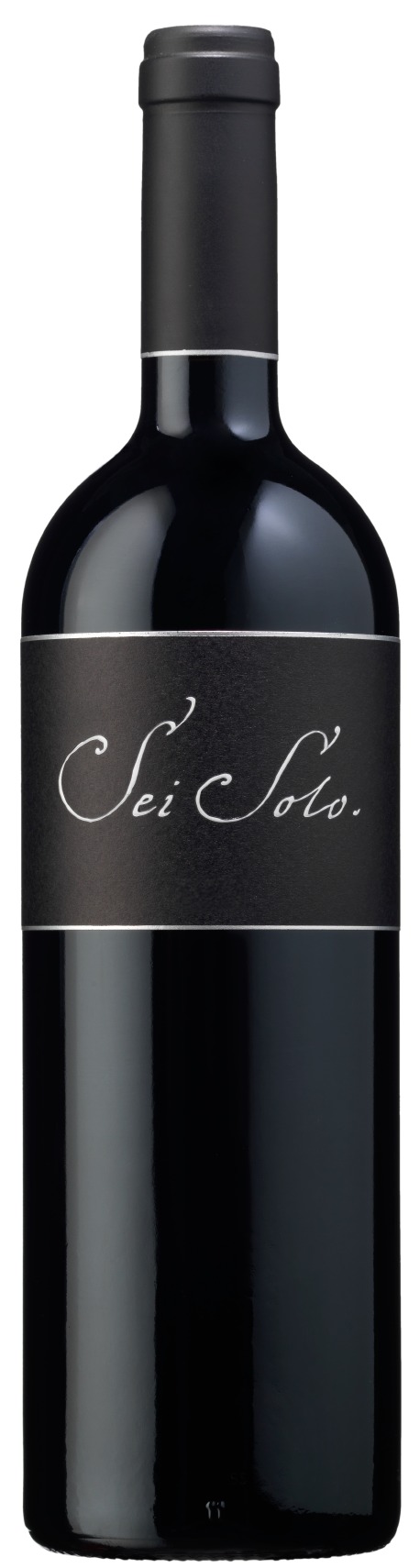
| Country: | Spain |
| Region: | Ribera del Duero |
| Winery: | Sei Solo Bodegas y Vinedos |
| Grape Type: | Tempranillo |
| Vintage: | 2019 |
| Bottle Size: | 750 ml |

Sei Solo Ribera del Duero Tempranillo is made from 100 percent Tempranillo.
Named after Bach's six solos for violin, Sei Solo represents Javier Zaccagnini's vision of elegant, high-toned Ribera del Duero from the powerful, mineral soils of La Horra and the top vineyards of Barroso and Acos that are planted with old vines of 60 to 90 years old.
Displaying wonderful clarity of fruit and excellent transparency to the multi-layered flavors, there is no new oak influence on this at all, resulting in a wine that has nothing to hide behind. Deft tannins support a taut, mineral, dark fruited wine that, while tight knit and brooding is tremendously refined and vital and not at all tiring to drink. A Ribera built on elegance, refinement and nuance that promises great things for the future. A star is born.
Fermented in stainless steel tanks of small capacity, adapted to the size of every vineyard, allowing to do individual fermentation for every different plot.
Short and careful pumping over, never reaching high temperatures to respect the fruit and avoid over extraction of the tannins, gaining the full potential of elegance and finesse of the old vines. After alcoholic fermentation the wines are racked to two-year-old French barrels to undergo malolactic at low temperature ( less than 14 degrees C) . This process takes several months. When malolactic is finished, the wines are racked to 600 liter big barrels of French oak, which are not new to avoid a loss of balance and style of the wines. Aging in barrels for 20 months.
Review:
-James Suckling 97 Points
-Tim Atkin 97 Points

The grapes for this wine come vineyards in the villages of La Horra, Gumiel de Izan and Moradillo from 12 to 80 year-old vines.
Displaying a good vibrant deep cherry red color with fragrant, clear notes of cherry drop and violet there is a beautifully unadorned yet brooding quality to this; it feels deep, vinous and vibrant, flecked with bright red fruit notes, sweet earth and a darker, more spiced character on the finish.
Review:
-Tim Atkin MW 95 Points

Milsetentayseis 1076 Ribera del Duero Tinto is made with 95% Tempranillo and 5% other native varieties.
TASTING NOTES: A product of its unique landscape, extreme altitude and mineral-rich soil, 1076 Tinto is a bold wine with a distinct character designed to evolve over time. Its freshness and intensely fruity expression are representative of a modern style, moving away from excess, in search of the elegance, smoothness and balance found in the great wines of the world.
TERROIR: A recently restored vineyard situated at over 3,280 feet of altitude where ancestral vines over 100 years old grow harmoniously together with new, indigenous plantings in varied soil comprised of red clay, sand and mineral deposits of quartz, mica, and feldspar.
WINEMAKING: Hand-harvested from a selection of the best plots in the vineyard then separated into concrete, oak or stainless steel fermentation vats depending on the characteristics of the grape and the soil where it was grown. Its production is defined by the team´s constant vigilance throughout the process and their in-depth knowledge of the region, the soil and the native varieties that thrive there.
Pair with spit-Fire Roasted Suckling Pig.
Review:
-Wine Enthusiast 96 Points
-James Suckling 94 Points
-Luis Gutiérrez (Robert Parker) 93 Points
Milsetentayseis 1076 Ribera del Duero Tinto is made with 95% Tempranillo and 5% other native varieties.
TASTING NOTES: A product of its unique landscape, extreme altitude and mineral-rich soil, 1076 Tinto is a bold wine with a distinct character designed to evolve over time. Its freshness and intensely fruity expression are representative of a modern style, moving away from excess, in search of the elegance, smoothness and balance found in the great wines of the world.
TERROIR: A recently restored vineyard situated at over 3,280 feet of altitude where ancestral vines over 100 years old grow harmoniously together with new, indigenous plantings in varied soil comprised of red clay, sand and mineral deposits of quartz, mica, and feldspar.
WINEMAKING: Hand-harvested from a selection of the best plots in the vineyard then separated into concrete, oak or stainless steel fermentation vats depending on the characteristics of the grape and the soil where it was grown. Its production is defined by the team´s constant vigilance throughout the process and their in-depth knowledge of the region, the soil and the native varieties that thrive there.
Pair with spit-Fire Roasted Suckling Pig.
Review:
-James Suckling 94 Points
-Tim Atkin 96 Points
Milsetentayseis 1076 Ribera del Duero Tinto is made with 95% Tempranillo and 5% other native varieties.
TASTING NOTES: A product of its unique landscape, extreme altitude and mineral-rich soil, 1076 Tinto is a bold wine with a distinct character designed to evolve over time. Its freshness and intensely fruity expression are representative of a modern style, moving away from excess, in search of the elegance, smoothness and balance found in the great wines of the world.
TERROIR: A recently restored vineyard situated at over 3,280 feet of altitude where ancestral vines over 100 years old grow harmoniously together with new, indigenous plantings in varied soil comprised of red clay, sand and mineral deposits of quartz, mica, and feldspar.
WINEMAKING: Hand-harvested from a selection of the best plots in the vineyard then separated into concrete, oak or stainless steel fermentation vats depending on the characteristics of the grape and the soil where it was grown. Its production is defined by the team´s constant vigilance throughout the process and their in-depth knowledge of the region, the soil and the native varieties that thrive there.
AGEING: Aged for 18 months in French oak of various sizes and according to the needs of each plot. Bottled in June 2020.
VINTAGE: The 2018 vintage began with abundant rainfall that lasted until late spring. Budding had already begun by the end of April, and as is usual in the Ribera del Duero, mid-May posed great risk of frost. Thankfully, consistent high winds in the area kept it at bay allowing the vineyards to remain unaffected. Spring extended into June with rain and cool temperatures, unusual for this time of year, while summer did not arrive until July bringing with it dry, hot conditions that allowed for the fruit to reach optimal ripeness. The harvest ran from October 5th-October 13th.
Pair with spit-Fire Roasted Suckling Pig.
Reviews:
"Inky violet. Potent aromas of cassis, cherry preserves, incense and potpourri, plus oak spice and mineral topnotes. Alluringly sweet and concentrated, with a spine of smoky minerality supporting intense flavors of dark berry liqueur, bitter chocolate, cola and candied lavender. Youthful, slow-building tannins add shape and grip to an impressively long, juicy finish that echoes the dark berry and floral notes. - Josh Raynolds."
- Vinous (February 2021), 95 pts
"The wine is deep cherry in color exhibiting complex, expressive aromas. Its minerality comes from the soil, the black fruit from the Tempranillo and the spice from a sometime in oak. The combination leads to a full body that finishes with great length.
- Guia Penin, 95 pts
"Very fine-tannined Duero with berry, chocolate and walnut character. Medium body. Solid core of fruit. Linear and very long. Polished and thought-provoking. Drinkable now, but better in 2023."
- James Suckling (November 2021), 94 pts

Convento Oreja Ribera del Duero Crianza is made from 100 percent Tempranillo.
Bright cherry color. On the nose you will find plenty of fruit aromas, well balanced as well as some reminiscences of spices that are appreciable. The oak presence gives elegant hints of black chocolate and vanilla. On the palate, the wine is very smooth and well balanced with the right amount of acidity. Fresh, long lasting and elegant.
The wine went through malolactic fermentation. The wine was aged 12 Months in French Oak barrels. Before bottling, the wine was slightly filtered.
Review:
-Wine Enthusiast 94 Points
-James Suckling 91 Points
Sei Solo Ribera del Duero Tempranillo is made from 100 percent Tempranillo.
Named after Bach's six solos for violin, Sei Solo represents Javier Zaccagnini's vision of elegant, high-toned Ribera del Duero from the powerful, mineral soils of La Horra and the top vineyards of Barroso and Acos that are planted with old vines of 60 to 90 years old.
Displaying wonderful clarity of fruit and excellent transparency to the multi-layered flavors, there is no new oak influence on this at all, resulting in a wine that has nothing to hide behind. Deft tannins support a taut, mineral, dark fruited wine that, while tight knit and brooding is tremendously refined and vital and not at all tiring to drink. A Ribera built on elegance, refinement and nuance that promises great things for the future. A star is born.
Fermented in stainless steel tanks of small capacity, adapted to the size of every vineyard, allowing to do individual fermentation for every different plot.
Short and careful pumping over, never reaching high temperatures to respect the fruit and avoid over extraction of the tannins, gaining the full potential of elegance and finesse of the old vines. After alcoholic fermentation the wines are racked to two-year-old French barrels to undergo malolactic at low temperature ( less than 14 degrees C) . This process takes several months. When malolactic is finished, the wines are racked to 600 liter big barrels of French oak, which are not new to avoid a loss of balance and style of the wines. Aging in barrels for 20 months.
Review:
Made with Tempranillo from 60- to 100-year-old vines, this wine has a bouquet of purple plum, black currant and a hint of cedar. Plush tannins and striking acidity provide a backdrop to black cherry, Mission fig, caramel, milk chocolate and juniper-berry flavors. I did not want this wine to end; it is a gorgeous pour on its own, but to get the most out of it enjoy it alongside a Porterhouse or Tomahawk steak. Drink through 2034. — Mike DeSimone
- Wine Enthusiast (May 2024), 97 pts & Cellar Selection
Sei Solo and Preludio represent the artistic vision of Javier Zaccagnini. After 20 years of experience in Ribera del Duero, he spent six years with the Quality Control Regulatory Board (Consejo Regulador) of the Appellation Contrôlée, and then the subsequent 14 years as director of Aalto, a flagship of Ribera del Duero that Javier co-founded with the great Mariano Garcia, the man who famously made Vega Sicilia for over 30 years.
Sei Solo is named after Johann Sebastian Bach's - Javier's favorite composer - six solos for violin, honoring his BMW 1001-1006 violin sonatas. In fact, their wine labels are manuscript letters from J.S. Bach

Young and present, this is an energetic and bold expression of violets, lavender, and cassis mixed with dark chocolate, cherry, plum, and graphite. A wine happy to be tucked away in the cellar, and it’s also expressing itself beautifully now.
Review:
-Joe Czerwinski 100 Points
-Decanter 99 Points
-Wine Advocate 98 Points
-The Wine Independent 98 Points

Rudi Pichler is among the elite growers of the Wachau producing wines of precision, power, and longevity. Grüner Veltliner and Riesling make up 95% of the production with the remaining 5% shared between Weißburgunder and Roter Veltliner. Rudi Pichler belongs to the prestigious Vinea Wachau and vinifies under the strict parameters of their codex.
Yields are kept low between 30 and 35 hectoliters per hectare with botrytis carefully removed by hand. Grapes are crushed by foot and receive between three and 36 hours of maceration on the skins. Vinification is entirely in stainless-steel tanks and malolactic fermentation is avoided.
Hochrain, a name meaning "high place," is a southeast-facing terraced vineyard in Wösendorf sitting between 200 and 300 meters of elevation. The vineyard consists of an unusually high content of loess, a mineral-laden soil that produces wines that are especially broad and rich.
Review:
“A stunning wine for this grape that is also rather easy to understand. The Reine Claude plum and peppery nose is complex, but already charming. As exciting as the simultaneously creamy and succulent mid-palate is, what makes this medium- to full-bodied gruner veltliner really stand out is the extremely long, crushed rock finish.”
James Suckling 96 Points

“1752” is the name of the Damilano Barolo Cannubi Riserva, in honor of the year in which the historic bottle was first marked “Cannubi”. It still exists today perfectly conserved by the Manzone family in Bra, close to Barolo. The bottle is clearly marked as being of “1752” vintage, indicating that Cannubi historically precedes Barolo.
About the Vineyard:
The Cannubi Cru is in found within one of the 6 core zones which comprise a UNESCO heritage site in Italy. A mixture of Tortonian and Helvetian calcareous marl gives the grapes intense aromas of cherry, plum and tobacco, rose and violet in sequence. Its low potassium and high calcium/magnesium content offer the wine a fine and polished touch. The vineyard is located at about 270 m. a.s.l. and has a south-east sun exposure. Barolo Riserva Cannubi 1752 It is a small plot of about 2 hectares of Nebbiolo vines, currently between 30 and 50 years of age.
Tasting Notes:
Garnet ruby red in color, the bouquet is intense and balanced, with notes of violet, red fruit, cherry and plum, spices, liquorice, cocoa, leather and tobacco. Dry, robust, full-bodied, very persistent, rich and velvety
Food Pairing:
This wine is excellent with typical piedmontes pasta (tajarin, ravioli); perfect with red meat, braised and roast meat, game and absolutely ideal with all types of cheeses.
Review:
“Incredible, reserved ripeness and depth already evident on the nose after one whiff, offering plum, cedar, rose hip, sandalwood, and licorice. Full-bodied with superb depth of fruit and an abundance of polished tannins that give the wine poise and grace, even though it’s long and powerful. The quality of the tannins are exceptional. Sheer and refined. This comes from the center of Cannubi.”
-James Suckling 99 Points
“1752” is the name of the Damilano Barolo Cannubi Riserva, in honor of the year in which the historic bottle was first marked “Cannubi”. It still exists today perfectly conserved by the Manzone family in Bra, close to Barolo. The bottle is clearly marked as being of “1752” vintage, indicating that Cannubi historically precedes Barolo.
About the Vineyard:
The Cannubi Cru is in found within one of the 6 core zones which comprise a UNESCO heritage site in Italy. A mixture of Tortonian and Helvetian calcareous marl gives the grapes intense aromas of cherry, plum and tobacco, rose and violet in sequence. Its low potassium and high calcium/magnesium content offer the wine a fine and polished touch. The vineyard is located at about 270 m. a.s.l. and has a south-east sun exposure. Barolo Riserva Cannubi 1752 It is a small plot of about 2 hectares of Nebbiolo vines, currently between 30 and 50 years of age.
Tasting Notes:
Garnet ruby red in color, the bouquet is intense and balanced, with notes of violet, red fruit, cherry and plum, spices, liquorice, cocoa, leather and tobacco. Dry, robust, full-bodied, very persistent, rich and velvety
Food Pairing:
This wine is excellent with typical piedmontes pasta (tajarin, ravioli); perfect with red meat, braised and roast meat, game and absolutely ideal with all types of cheeses.
Review:
-James Suckling 100 Points

Dense purple hues, with evocative aromas of black cherries, ripe plums, nectarines, boysenberry, wild bramble and exotic oak spice. The juicy and sweet-fruited palate entry, combined with crunchy tannins, lures one into a sense of overtness, yet the wine is sublimely elegant and poised. The complex layers of fruit is in perfect harmony with the oak, all bound together by a lively seam of acidity. The finish is pleasantly dry and savory, with lingering notes of Christmas cake and vanilla pod.
Pair with barbequed meats, especially venison and beef / bobotie / lamb curry / seared tuna / spicy Asian-styled cuisine / aromatic curries / duck with sweet plum sauce / beef or lamb burgers / pizza
Review:
-Decanter WWA 2021 96 Points
-Wine Enthusiast 92 Points
-Tim Atkin 94 Points

GRAPE
100% Nebbiolo
VINEYARD
Serra Capelli and San Cristoforo hills
POSITION
Hillside
EXPOSURE
Southwest
COLOR
Garnet red
NOSE
Its bouquet is fruity with reminiscences of violets and raspberries
TASTE
Full, fascinating and intense taste with a good body.
TEMPERATURE
Ideal serving temperature is 16°- 18°C. Do not expose to abrupt changes in temperature. Its fragrance and scents are highlighted if put into a crystal decanter and then poured into crystal stemware with a large bowl. Swirl it around the glass to finally taste and appreciate it
ALCOHOL
13.5 - 14 %

Dominique Piron Morgon Cote du Py is made from 100 percent Gamay.
The Morgon Cru is based in the heart of Northern Beaujolais. Côte du Py is the heart of Morgon, a little hill of very old blue stone rocks - the oldest soils of Beaujolais (around 430 millions years old), with a typical blue color.
Côte du Py has been known for centuries for being the best terroir of the village, producing long lived wines with strong structure and flavors.
Wines of the Côte du Py are very dark, profound and dense. Classic aromas of red berries, cherry, kirsh. Fruity, structured and mineral in the mouth with graphite flavors and spicy notes of black and white pepper. Wine can age up to 10 years.
Hand picked grapes are sorted manually and destemmed for 50 to 70%. Fermentation starts in concrete tanks and lasts for 18-25 days with remontages and pigeages. Then after pressurage starts the aging, for 2/3 in concrete tanks, and 1/3 in recent French oak barrels with batonages on fine lies only. After 10 month we do the blending, keeping only the best cuvees and best barrels, and do the bottling.
Pairs well with red meat like beef, duck and game (Hare, Dear, Wild Pork,…), cheses.
Review:
-James Suckling 91 Points

Louis M. Martini The Gryphon Napa Valley Cabernet Sauvignon 2023 is made from Cabernet Sauvignon.
The Gryphon takes its name and its crest from the mythical creature that is the traditional symbol of Genoa, the Italian port city where Louis M. Martini was born and from which he set sail for America in 1899 at just twelve years old. The three sections of the gryphon's tail stand for the three generations of Martinis — Louis M., Louis P. and Mike — who built the family's legacy across more than ninety years in Napa Valley.
Six years in the making, The Gryphon is a deliberate return to the classic Napa Cabernet of the 1960s and 1970s: varietal, energetic and alive. Fruit is drawn from premier vineyards across the valley — among them William Hill, Monte Rosso and Stagecoach — and the wine is crafted in the same small-lot cellar used for the winery's flagship Lot No. 1. A blend led by 82% Cabernet Sauvignon, rounded out with Cabernet Franc, Merlot and Malbec, it is layered, structured and built for the table. Boysenberry and blackberry open the glass, lifted by dried mint, fennel and a whisper of jasmine, over a core of cool mineral and cocoa from fresh French oak.
Review:
"This is super-classic Napa Valley Cabernet Sauvignon: inky black-fruited yet bright, layered with sagebrush, tobacco, violets and loamy earth."
Decanter, 97 points



