
" We don't sell the wine without touching the vine "
| BUY MORE! SAVE MORE! | ||||||||||||||||||||
|
| Country: | Spain |
| Region: | Ribera del Duero |
| Winery: | Sei Solo Bodegas y Vinedos |
| Grape Type: | Tempranillo |
| Vintage: | 2021 |
| Bottle Size: | 750 ml |
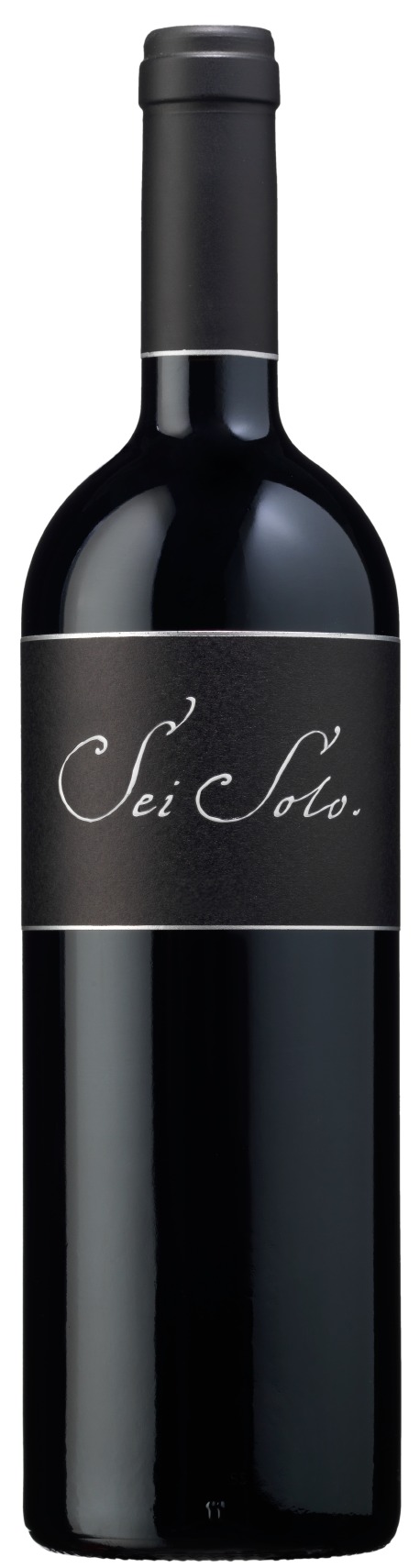
Sei Solo Ribera del Duero Tempranillo is made from 100 percent Tempranillo.
Named after Bach's six solos for violin, Sei Solo represents Javier Zaccagnini's vision of elegant, high-toned Ribera del Duero from the powerful, mineral soils of La Horra and the top vineyards of Barroso and Acos that are planted with old vines of 60 to 90 years old.
Displaying wonderful clarity of fruit and excellent transparency to the multi-layered flavors, there is no new oak influence on this at all, resulting in a wine that has nothing to hide behind. Deft tannins support a taut, mineral, dark fruited wine that, while tight knit and brooding is tremendously refined and vital and not at all tiring to drink. A Ribera built on elegance, refinement and nuance that promises great things for the future. A star is born.
Fermented in stainless steel tanks of small capacity, adapted to the size of every vineyard, allowing to do individual fermentation for every different plot.
Short and careful pumping over, never reaching high temperatures to respect the fruit and avoid over extraction of the tannins, gaining the full potential of elegance and finesse of the old vines. After alcoholic fermentation the wines are racked to two-year-old French barrels to undergo malolactic at low temperature ( less than 14 degrees C) . This process takes several months. When malolactic is finished, the wines are racked to 600 liter big barrels of French oak, which are not new to avoid a loss of balance and style of the wines. Aging in barrels for 20 months.
Review:
"A very fine and serious Ribera del Duero that exhibits huge depth and uncoiled complexity. The aromas of spicy toast, chalky minerals, ripe but fresh blackberries, grilled herbs and cocoa powder fade and become more transparent. Well-judged wood influence. Really concentrated, mildly plush and hedonistic. Masses of fine, powdery tannins are fully integrated and cohesively knit. This will age beautifully. 100% tempranillo. Gorgeous. High alcohol, yes, but still poised. Drink from 2027, but this will hold well for years."
- James SUCKLING (December 2024), 97 pts
"The top wine from Sei Solo just seems to get better and better, making the most of a very good vintage in 2021. Sourced from seven different parcels in La Horra, this is an elegant, refined, beautifully judged Tinto Fino from a quality-obsessed winemaker. Framed by subtle oak, it's perfumed and acid-driven with sculpted tannins and a partnership of plum, black cherry fruit and toast. 2026-40"
- Tim Atkin MW (Ribera del Duero 2024 Special Report), 97 pts
Sei Solo and Preludio represent the artistic vision of Javier Zaccagnini. After 20 years of experience in Ribera del Duero, he spent six years with the Quality Control Regulatory Board (Consejo Regulador) of the Appellation Contrôlée, and then the subsequent 14 years as director of Aalto, a flagship of Ribera del Duero that Javier co-founded with the great Mariano Garcia, the man who famously made Vega Sicilia for over 30 years.
Sei Solo is named after Johann Sebastian Bach's - Javier's favorite composer - six solos for violin, honoring his BMW 1001-1006 violin sonatas. In fact, their wine labels are manuscript letters from J.S. Bach
Palacio del Burgo Crianza is made from 90% Tempranillo & 10% Graciano.
Alcoholic fermentation in stainless steel vats at controlled temperature; aged in American oak barrels for 12 months.
Red ruby colored wine with violet tones; well-balanced, black fruit, vanilla and coconut flavors. Powerful, complex and silky smooth…classic old style Rioja at a bargain price.
Pairs well with aged cheeses and grilled meats
Reviews:
"Burnished with plums, mulberries, cherries and plums embraced by a casing of generous vanilla oak and creamy texture, with scores of chalky tannins and a tobacco length."
- 2025 Decanter World Wine Awards, 95 pts, GOLD MEDAL
Palacio de Burgo's Crianza blends the concept of the intense fruity young wines traditionally made in Rioja and the old world wine making style that has made the region famous. The result is a complex wine that impresses for its intensity right from the moment it is poured in the glass.-Mike Good, Timeless Wines
-150x300.jpg "Valminor Albarino Rias Baixas 2024")
Valminor Albarino Rias Baixas is made from 100 percent Albarino.
Albariño is a Portuguese grape, native to the Miño River region, which separates Galicia & the Rias Baixas DO from Portugal. Albariño has a characteristic citrus aroma & high acidity.
Valminor Albarino presents a yellow straw color. On the nose, the wine shows a wide fruity range of aromas, with notes of fresh grapefruit, apricot and melon. In the mouth, Valminor combines fruity flavors and freshness with a rounded acidity, resulting in a balanced wine that boasts an opulent taste and slight spritziness.
Review:
"Elaborate swirls of lime, lemon, passionfruit and white peach entice the nose whilst the pristine purity of acidity and mineral freshness disarms the terroir-driven palate. Salty, linear and tangy, demonstrating Atlantic style at its best."
- Decanter World Wine Awards 2025, 97 pts and Platinum Medal
Enemigo El Enemigo Gran Enemigo is made from Cabernet Franc.
Gran Enemigo Agrelo is intense, balanced, and elegant. Cabernet Franc brings light notes of eucalyptus and thyme, Malbec provides ripe black fruits, and oak provides a touch of chocolate and vanilla. Certified Sustainable by Bodegas de Argentina.
Gran Enemigo Agrelo pairs beautifully with steak, veal, and roasted game birds such as chicken, turkey, and duck.
Reviews:
The 2019 Gran Enemigo Agrelo Single Vineyard shows the completeness of the vintage, a year with good yields and a cooler winter and summer. The result is a very balanced wine with full development of aromas and flavors, moderate ripeness and good freshness and balance. It has a fine texture, some chalky sensations and a dry finish, despite the fact that the soils have no limestone. The vines here are over 40 years of age.
-Robert Parker's Wine Advocate 97 Points
#73 Wine Spectator Top 100 of 2023
The 2019 Cabernet Franc Gran Enemigo Single Vineyard Agrelo also includes 15% Malbec from the clayish soils of Luján de Cuyo. Aged for 15 months in foudres, this purplish wine reveals enticing cigar ash notes alongside blueberry and plum aromas, with a subtle cedar backdrop. Dry, rich and plush on the palate, it quickly tightens due to its fine-grained, reactive, clay-like tannins. This long-lasting red lingers on the ashy notes, beautifully layered and crafted with a modernist touch in a slightly cool vintage.
- Vinous 97 Points
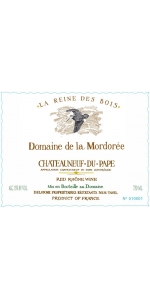
Mordoree Chateauneuf-du-Pape La Reine des Bois is made from 80% Grenache, 10% Mourvèdre, and the rest equal parts Syrah and Vaccarèse .
This premium cuvee - whose name means "Queen of the Woods" - is from 65-year-old vines, planted on Villafranchian-era terrasses. Yield is 30 hl/ha.
Deep ruby red; opaque. Aromas of red fruits change to wooden touches of leather, black truffles and coffee. Fat, concentrated and full flavored with a very long liquoriced and fruity finish.
Review:
The 2022 Châteauneuf du Pape Cuvée De La Reine Des Bois is based on 75% Grenache, 10% each Syrah and 10% Mourvèdre, and the rest Counoise and Vaccarèse. It's not massive yet just exudes class and elegance, with both red and black fruits that give way to more spice, peppery garrigue, and leather, with classic background licorice and black olive notes. Medium to full-bodied, beautifully balanced, and elegant, with silky tannins, this brilliant Châteauneuf du Pape will evolve for two decades.
Number 36 in Dunnuck's Top 100 and 97 Points
"Huge and powerful, but so fresh. This has great driving intensity, with even bigger, more structural tannins than the domaine’s other cuvée. A rampaging Châteauneuf that will take time to settle, and will always be wild. Long, vibrant and chiselled. An absolute beast. Mordorée has been massive but overripe in the past; it's still massive but with this vintage the ripeness is more controlled, and it has transformed into something extraordinary. Fermented and aged 80% in stainless steel, the rest in old barrels. - Matt WALLS"
- Decanter Magazine (September 17th 2023, Part of Châteauneuf-du-Pape 2022: Report and top-scoring wines), 98 pts
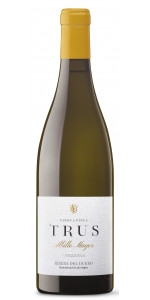
Trus Albillo Mayor Reserva Ribera del Duero is made from 100% Albillo Mayor.
Light straw yellow color despite its age. Aromas of white flowers and grapefruit typical of the variety, along with some very light notes of toasted wood and of long bottle ageing. Very well-balanced on the palate, with the characteristic fullness of the variety and a very refreshing natural acidity which bodes well for the wine's ageing. A wine for ageing which already displays all its complexity and elegance. We recommend consumption at a temperature of between 8 and 12ºC.
Grapes are coming from a Goblet-trained vineyards in Peñaranda de Duero. Dry-farmed, without irrigation. Different orientations and altitudes.
TA: 6 g/l in tartaric acidity.
VA: 0.4g/l.
pH: 3.3.
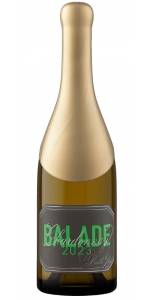
The word "Balade" is French for wandering. This is a fitting term for our annual exploration of single-vineyard Pinot Noir & Chardonnay blocks on the west coast. Each vintage, we will bottle only the most compelling and nuanced expression of pinot noir from a single selected vineyard and release it as a limited bottling.
Tasting Notes
Beautiful golden hue with enticing aromas of honeyed almond, vanilla custard, ripe pear, and hints of lemon zest. On the palate, lush notes of apricot, crisp green apple, and a touch of toasted hazelnut come forward. This wine has a well-balanced mouthfeel that dances on the palate with bright, lively acidity and subtle minerality, offering a stunning
expression of a coastal driven Chardonnay.
Review:
Creamy, desirous notes of lemon curd bathed in toffee nougat reach a peak as it settles across the mouth thanks to a fine acid structure. Baked pear smooths out on mid-palate, with buttered croissant on the elegant, lengthy finish - The Tasting Panel, May/June 2025
-Tasting Panel 95 Points
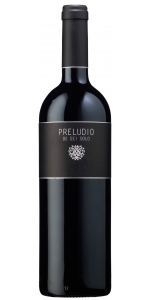
The grapes for this wine come vineyards in the villages of La Horra, Gumiel de Izan and Moradillo from 12 to 80 year-old vines.
Displaying a good vibrant deep cherry red color with fragrant, clear notes of cherry drop and violet there is a beautifully unadorned yet brooding quality to this; it feels deep, vinous and vibrant, flecked with bright red fruit notes, sweet earth and a darker, more spiced character on the finish.
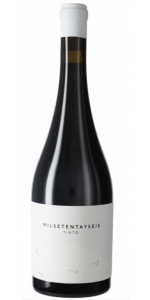
Milsetentayseis 1076 Ribera del Duero Tinto is made with 95% Tempranillo and 5% other native varieties.
TASTING NOTES: A product of its unique landscape, extreme altitude and mineral-rich soil, 1076 Tinto is a bold wine with a distinct character designed to evolve over time. Its freshness and intensely fruity expression are representative of a modern style, moving away from excess, in search of the elegance, smoothness and balance found in the great wines of the world.
TERROIR: A recently restored vineyard situated at over 3,280 feet of altitude where ancestral vines over 100 years old grow harmoniously together with new, indigenous plantings in varied soil comprised of red clay, sand and mineral deposits of quartz, mica, and feldspar.
WINEMAKING: Hand-harvested from a selection of the best plots in the vineyard then separated into concrete, oak or stainless steel fermentation vats depending on the characteristics of the grape and the soil where it was grown. Its production is defined by the team´s constant vigilance throughout the process and their in-depth knowledge of the region, the soil and the native varieties that thrive there.
AGEING: Aged for 18 months in French oak of various sizes and according to the needs of each plot. Bottled in June 2020.
VINTAGE: The 2018 vintage began with abundant rainfall that lasted until late spring. Budding had already begun by the end of April, and as is usual in the Ribera del Duero, mid-May posed great risk of frost. Thankfully, consistent high winds in the area kept it at bay allowing the vineyards to remain unaffected. Spring extended into June with rain and cool temperatures, unusual for this time of year, while summer did not arrive until July bringing with it dry, hot conditions that allowed for the fruit to reach optimal ripeness. The harvest ran from October 5th-October 13th.
Pair with spit-Fire Roasted Suckling Pig.
Reviews:
"Inky violet. Potent aromas of cassis, cherry preserves, incense and potpourri, plus oak spice and mineral topnotes. Alluringly sweet and concentrated, with a spine of smoky minerality supporting intense flavors of dark berry liqueur, bitter chocolate, cola and candied lavender. Youthful, slow-building tannins add shape and grip to an impressively long, juicy finish that echoes the dark berry and floral notes. - Josh Raynolds."
- Vinous (February 2021), 95 pts
"The wine is deep cherry in color exhibiting complex, expressive aromas. Its minerality comes from the soil, the black fruit from the Tempranillo and the spice from a sometime in oak. The combination leads to a full body that finishes with great length.
- Guia Penin, 95 pts
"Very fine-tannined Duero with berry, chocolate and walnut character. Medium body. Solid core of fruit. Linear and very long. Polished and thought-provoking. Drinkable now, but better in 2023."
- James Suckling (November 2021), 94 pts
Milsetentayseis 1076 Ribera del Duero Tinto is made with 95% Tempranillo and 5% other native varieties.
TASTING NOTES: A product of its unique landscape, extreme altitude and mineral-rich soil, 1076 Tinto is a bold wine with a distinct character designed to evolve over time. Its freshness and intensely fruity expression are representative of a modern style, moving away from excess, in search of the elegance, smoothness and balance found in the great wines of the world.
TERROIR: A recently restored vineyard situated at over 3,280 feet of altitude where ancestral vines over 100 years old grow harmoniously together with new, indigenous plantings in varied soil comprised of red clay, sand and mineral deposits of quartz, mica, and feldspar.
WINEMAKING: Hand-harvested from a selection of the best plots in the vineyard then separated into concrete, oak or stainless steel fermentation vats depending on the characteristics of the grape and the soil where it was grown. Its production is defined by the team´s constant vigilance throughout the process and their in-depth knowledge of the region, the soil and the native varieties that thrive there.
Pair with spit-Fire Roasted Suckling Pig.
Reviews:
"Aromas of blackberry jam and clove waft from the glass. This wine's flavors of ripe summer cherry, blueberry pie, clove, white chocolate and caramel are set into a network of durable tannins. The remarkably bright, lingering finish is laced with notes of vanilla and orange zest. - Mike DESIMONE"
- Wine Enthusiast Magazine (July 1st 2023), 96 pts
Milsetentayseis 1076 Ribera del Duero Tinto is made with 95% Tempranillo and 5% other native varieties.
TASTING NOTES: A product of its unique landscape, extreme altitude and mineral-rich soil, 1076 Tinto is a bold wine with a distinct character designed to evolve over time. Its freshness and intensely fruity expression are representative of a modern style, moving away from excess, in search of the elegance, smoothness and balance found in the great wines of the world.
TERROIR: A recently restored vineyard situated at over 3,280 feet of altitude where ancestral vines over 100 years old grow harmoniously together with new, indigenous plantings in varied soil comprised of red clay, sand and mineral deposits of quartz, mica, and feldspar.
WINEMAKING: Hand-harvested from a selection of the best plots in the vineyard then separated into concrete, oak or stainless steel fermentation vats depending on the characteristics of the grape and the soil where it was grown. Its production is defined by the team´s constant vigilance throughout the process and their in-depth knowledge of the region, the soil and the native varieties that thrive there.
Pair with spit-Fire Roasted Suckling Pig.
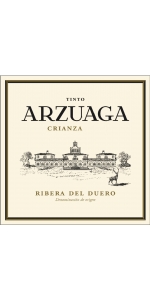
Arzuaga Ribera del Duero Crianza 95% Tempranillo and 5% Cabernet Sauvignon.
Dark cherry color with purple highlights. Powerful nose and high aromatic diversity of ripe red and black fruits, spicy and balsamic notes, and a roasted finish. Soft and mellow in the mouth with a great fruitiness and length.
THIS OFFER IS FOR HALF-BOTTLES
Arzuaga Ribera del Duero Crianza 95% Tempranillo and 5% Cabernet Sauvignon.
Dark cherry color with purple highlights. Powerful nose and high aromatic diversity of ripe red and black fruits, spicy and balsamic notes, and a roasted finish. Soft and mellow in the mouth with a great fruitiness and length.
Quattro Theory Chardonnay Napa Valley is made from 100 percent Chardonnay.
VISION: Working with cool-climate fruit, Landon achieves a Napa Valley Chardonnay that is more traditional in style with balanced acidity, minimal oak and non-malolactic fermentation to highlight a full range of varietal fruit expression, taking inspiration from the coastal Chardonnays of Sonoma County.
VINEYARDS: The grapes for this Chardonnay are sourced from two vineyards: three blocks in our estate Vista Montone Vineyard located just east of Carneros, and Frasamani, a long-term grower partner vineyard located in the southernmost part of Carneros. These sites were selected for the variety of vineyard aspects (N, NE) and various vine age, soils and clones, which offer a complex palette of aromas, flavors and textures. The grapes are harvested by hand at night in small lots over a few weeks, picked when perfectly poised to achieve the vision for our wine style. GROWING SEASON: 2022 brought dry conditions given the persisting drought. Harvest started earlier given the warm temperatures with the fruit showcasing balanced acidity and freshness with remarkable flavors and textures. Even though yields were down, quality was excellent.
WINEMAKING: Our cellar is set up to handle each lot individually through the winemaking process, with every step intentionally designed to emphasize the natural aromatic and varietal character with minimal intervention. Each pick is whole-cluster pressed over two hours, with 23 check ins to ensure desired style— a gentle, yet labor-intensive program to help retain natural acidity and to isolate the exact desired press of juice. The juice is gently pumped to stainless-steel tanks then chilled to undergo cold stabulation for 5 days, keeping the light juice lees in suspension to enhance aromatics. The juice is then racked off the lees to each vessel and individually inoculated to begin a cold fermentation to completely dry, and then rests on the lees (yeast) for 6 months for a final build of body and flavors before the blend is assembled.
EXPERIENCE: With its expressive flavors and restrained oak presence, this Chardonnay offers the balance, structure and complexity to make it a perfect white wine option to go with food or enjoyed on its own. This wine’s range of fruit flavors includes crisp Asian pear, to stone fruit to tropical fruit. Suggested pairings include pan-seared scallops, butternut squash ravioli and mushroom and mozzarella pizza.
Review:
Bright, fresh green apples in the nose and tangy, appetizing lemon zest and kiwis on the palate give this lively wine a palate-cleansing expression that will be fantastic for pairing with fish, shellfish and poultry.
-Wine Enthusiast 93 Points
Marie Baron Pouilly Fume is made from 100 percent Sauvignon Blanc.
Pouilly-Fumé is one of the Loire Valley's most prestigious white wine appellations, located on the right bank of the Loire River across from Sancerre. The 'Fumé' in the name refers to the smoky, flinty character imparted by the Kimmeridgian clay and silex (flint) soils.
This wine displays a brilliant pale gold color with intense aromas of citrus, white peach, and the signature gunflint smokiness. On the palate, it is elegant and focused with mineral-driven acidity, flavors of green apple and grapefruit, and a long, precise finish.
Pairs beautifully with shellfish, sushi, grilled fish, or fresh goat cheese like Crottin de Chavignol.



