" We don't sell the wine without touching the vine "
| BUY MORE! SAVE MORE! | ||||||||||||||||||||
|
| Country: | Chile |
| Region: | Colchagua Valley |
| Winery: | Siegel |
| Grape Type: | Cabernet Sauvignon |
| Vintage: | 2018 |
| Bottle Size: | 750 ml |
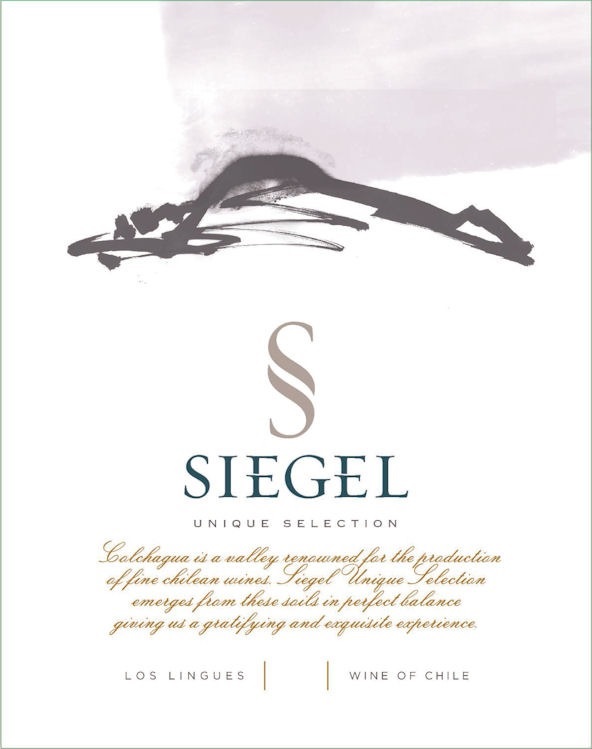
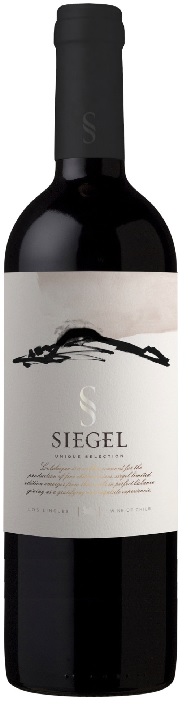
Siegel Unique Selection Red is made from 45% Cabernet Sauvignon, 35% Carmenere and 20% Syrah
Aged in French oak barrels for 14-16 months.
Viña Siegel Unique Selection is the utmost expression of our best Los Lingues vineyards located in the Alto Colchagua region.
A deep violet color. There are aromas of cassis and cherries with hints of spices, chocolate and violets. This wine is characterised by its complexity and harmony, with a robust tannic structure.
After carefully selecting the optimum harvest date, the grapes are hand selected, then they are de-stemmed and cold macerated for 5-6 days. Alcoholic fermentation occurs at 26-29°C, during this period pump overs are performed daily at the winemaker’s discretion. Post-fermentative maceration occurs for 2 to 3 weeks. The wine is smoothly clarified. Cold stabilisation only occurs when necessary.
Review:
"Blackberry, blackcurrant leaf, rose, peppercorn and chocolate orange. It’s medium-to full-bodied with firm, chewy tannins. Concentrated and layered with a flavorful, spicy finish. 45% cabernet sauvignon, 35% carmenere and 20% syrah. Drink or hold."
- James Suckling (June 2021), 91 pts
The Vina Siegel Crucero Estate
Alberto Siegel was born in Santiago in 1946, the third generation in Chile of an Austrian family. His grandfather was an Austrian architect that built some very important and traditional buildings in downtown Santiago, at the beginning of the 20th century, including the Chilean Federal Reserve.
His father, Don Germán, was a viticulturist that spent most of his career in charge of Viña San Pedro’s vineyards near the town of Molina, 140 miles south of Santiago. There Alberto grew up, literally in the middle of the vines. It was not a surprise when he decided to study Agronomy and specialize in winemaking at the Universidad Católica in Santiago.
After finishing high school, he spent a year working in wineries in Germany, and upon his return in 1971, he joined the German company Bayer. His job was to sell fertilizers to farm owners in the Colchagua area, 100 miles south of Santiago. Through this job he got to know almost every land owner, most of which were grape growers and wine producers.
A few years later and as a natural consequence, he started to act as a wine and grape broker, selling the production of small owners to the big Chilean wineries. He established Sociedad La Laguna, and he soon became the most important Chilean broker in this field, a position that he holds today by far. There is hardly any Chilean person or company involved in the wine business that has not dealt with Alberto Siegel at least once.
In parallel, and together with his father, Alberto founded Viña Siegel in 1980. They started planting vineyards in Colchagua and building the Winery in Santa Cruz. When Don Germán died in 1998, Alberto became the owner, together with his family. In the beginning, Viña Siegel only sold bulk wines to the biggest Chilean wineries, like Concha y Toro, San Pedro and Santa Rita. In 1997, Alberto decided to enter the bottled wines business and made the necessary investments to go ahead with this project.
Today, the winery has a capacity of over 3 million gallons and the company owns over 1,850 acres of vineyards in Colchagua. Their wine cellar has state of the art technology, such as vertical pneumatic presses, vacuum filters, and stainless steel tanks with total temperature control, for both cooling and heating. Viña Siegel Winery is still a family operation, with Alberto Siegel as chairman and chief winemaker. The winery has two consultants in enological matters.
The Vina Siegel Crucero Vineyard
The varieties of grapes grown are Cabernet Sauvignon, Merlot, Carménère, Syrah, Chardonnay and Sauvignon Blanc, with other new varieties being added as markets demand. Viña Siegel is currently working with terroir consultant Pedro Parra to design a new site in Los Lingues, which will be planted with several new varietals, including Carignan, Grenache, and Mourvedre. The winery produces a range of varietal wines, along with reserve wines that highlight the quality of the grapevines born in this valley. The Colchagua Valley is truly a synthesis of the country’s way of life and wine has been produced here since time out of mind. This area, which has deservedly been raised to the category of estate bottling in wine making, has maintained its prestige due to the great quality of its wines. One of its noted symbols is its high quality Cabernet Sauvignons, and its red wines in general. Its variety of soils and climatic variations, some warmer, some cooler, have given the region innumerable attributes for grapevine cultivation.
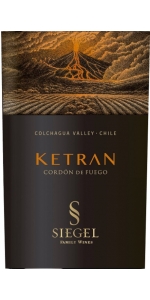
Siegel Ketran Red Blend is made from 35% Syrah, 30% Petit Verdot, 25% Carmenere, 10% Cabernet Franc
Ketran is coming from the Mapuche Language and it means "plowed earth". In fact, Earth was plowed by fire from the volcanic acitivity. Ketran is a tribute to the volcanic soils that gave birth to the fantastic terroir of Los Lingues, located at the foothills of the “Cordillera de los Andes".
The wine is clean and bright in color.
The wine displays a very aromatic and elegant nose of ripe black fruit, prune and dried fig.
The mouthfeel is smooth and the length to the finish is quite exceptionnal, with sweet and fleshy tannins, balanced by a perfectly integrated acidity which gives the wine some freshness and emphasizes the presence of fruit and its ability to age.
Coming from the volcanic soils of Los Lingues, at the foothills of the Andes mountain.
The wine went through ML fermentation, it was then aged 24 months in French Oak barrels.
The wine has been slightly filtered before bottling.
Review:
"2014 is the second release of Siegel's top red wine, made from a four-way cuvée of Syrah, Petit Verdot, Carmenère and Cabernet Franc. Plush, spicy and smoothly oaked, with some tannic backbone and a glossy finish. Needs time. 2021-30"
- Tim Atkin MW (Chile 2019 Special Report), 94 pts
Ketran is Siegel’s most ambitious wine. Debuting with the 2013 vintage, it’s a selection of the best barrel lots from Los Lingues in the Andean zone of Colchagua. The blend works very well, especially if you let the wine breathe for a few hours beforehand. The oak steps aside, and the aromas of fruit and herbs take over in a red with firm, sharp tannic structure that leaves room for the acidity—not very prominent in a warm year, but still present—to achieve balance. This blend is for the cellar.
-Patricio Tapia - Descorchados 94 Points
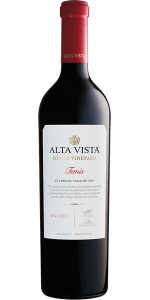
This vineyard is situated at over 3,000 feet in altitude in Valle de Uco, and the vines are over seventy years old. This light soil is sandy with some silt, is very permeable and has boulders and a broken layer of limestone at a depth of 2.5 feet. Traditional irrigation is fed by water from the Andes Mountains. Temis has the coldest climate of all Alta Vista’s terroirs. Nights are quite cool and days are warm and soft, with constant breezes that help to keep the vines and grapes healthy. The grapes have a slow, gradual cycle of ripeness that is balanced and ideal. Planted in 1942, the selection massale vines are characterized by small clusters with small, compact grapes.
Review:
There’s a touch of bark, grilled Mediterranean spice savoriness to the rich but fresh blackberries, salted black plums and graphite notes. Pretty saline and flavorful on the palate. The tannins are powerful yet fine-grained. A structured and characterful malbec from old vines in El Cepillo.
-James Suckling 94 Points
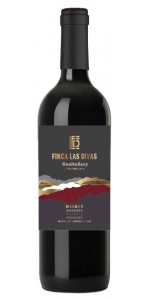
Finca las Divas Malbec Reserve Gualtallary 2022 is 100% Malbec.
Named in honor of different divas because of the detailed attention to each varietal and plot, consequence of the terroir, origin of the Andes slopes.
Deep violet red in color, its aromas are intense and concentrated, with hints of black and red fruits with smoky touches obtained during its oak aging.
In the mouth it is persistent, full of juicy yet firm tannins and balanced acidity. It is frank and expressive, modern and of great personality.
Pairs with red meat, pasta with tomato sauce and hard cheeses.
Review:
"José Hernández Toso only uses grapes from Block Two of his Finca Las Divas to produce this good-value, well-balanced Malbec. Lightly wooded in foudres and older barrels, it has appealing blackberry and blood orange flavours, granular tannins and impressive concentration and underlying grip. 2026-31."
Tim Atkin (April 2025), 91 pt
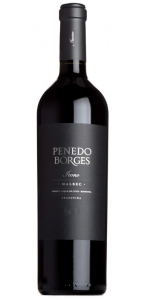
Penedo Borges Icono Malbec is made from 85% Malbec, 10% Cabernet Sauvignon and 5% Petit Verdot
Dark purple color.
Complex aromas of predominent ripe red fruit such as plum, cherry and raspberry with spicy notes.
Chocolate and vanilla flavors from barrel ageing which provide complexity and elegance.
Wine of great lenght.
Red meats, lamb, beef stew, strong cheese.
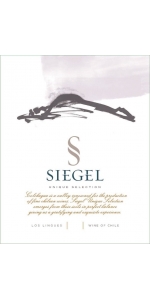
Siegel Unique Selection Red is made from 45% Cabernet Sauvignon, 35% Carmenere and 20% Syrah
Aged in French oak barrels for 14-16 months.
Viña Siegel Unique Selection is the utmost expression of our best Los Lingues vineyards located in the Alto Colchagua region.
A deep violet color. There are aromas of cassis and cherries with hints of spices, chocolate and violets. This wine is characterised by its complexity and harmony, with a robust tannic structure.
After carefully selecting the optimum harvest date, the grapes are hand selected, then they are de-stemmed and cold macerated for 5-6 days. Alcoholic fermentation occurs at 26-29°C, during this period pump overs are performed daily at the winemaker’s discretion. Post-fermentative maceration occurs for 2 to 3 weeks. The wine is smoothly clarified. Cold stabilisation only occurs when necessary.
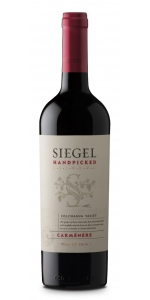
Siegel Hand-picked Selection Carmenere is made from 100 percent Carmenere.
The handpicked Reserva wines are born out of a strong desire to offer the very best expressions of terroir from El Crucero vineyard, located at 360 meters above sea level. These carefully handpicked grapes deliver superb varietal characteristics and exceptionally well-balanced fruit concentration. The manual harvest behind the handpicked Reserva Wines, a stage prior to a second triage, highlights Siegel's commitment to delivering uniquely hancrafted wines from Curico Valley.
The wine shows an intense violet - red color, aromas of black fruits, pepper and mild notes of violets. The tannins are soft, and notes of black fruits linger through the palate with long persistence.
Pair with pastas, spices foods.
Siegel Hand-picked Selection Carmenere is made from 100 percent Carmenere.
The handpicked Reserva wines are born out of a strong desire to offer the very best expressions of terroir from El Crucero vineyard, located at 360 meters above sea level. These carefully handpicked grapes deliver superb varietal characteristics and exceptionally well-balanced fruit concentration. The manual harvest behind the handpicked Reserva Wines, a stage prior to a second triage, highlights Siegel's commitment to delivering uniquely hancrafted wines from Curico Valley.
The wine shows an intense violet - red color, aromas of black fruits, pepper and mild notes of violets. The tannins are soft, and notes of black fruits linger through the palate with long persistence.
Pair with pastas, spices foods.
Siegel Hand-picked Selection Carmenere is made from 100 percent Carmenere.
The handpicked Reserva wines are born out of a strong desire to offer the very best expressions of terroir from El Crucero vineyard, located at 360 meters above sea level. These carefully handpicked grapes deliver superb varietal characteristics and exceptionally well-balanced fruit concentration. The manual harvest behind the handpicked Reserva Wines, a stage prior to a second triage, highlights Siegel's commitment to delivering uniquely hancrafted wines from Curico Valley.
The wine shows an intense violet - red color, aromas of black fruits, pepper and mild notes of violets. The tannins are soft, and notes of black fruits linger through the palate with long persistence.
Pair with pastas, spices foods.
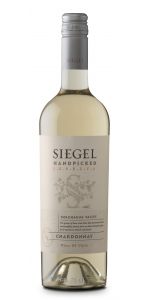
Siegel Hand-picked Selection Chardonnay is made from 100 percent Chardonnay.
The handpicked selection Reserva wines are born out of a strong desire to offer the very best expressions of terroir from El Crucero vineyard, located at 360 meters above sea level. These carefully handpicked grapes deliver superb varietal characteristics and exceptionally well-balanced fruit concentration. The manual harvest behind the handpicked Reserva Wines, a stage prior to a second triage, highlights Siegel's commitment to delivering uniquely hancrafted wines from Chile.
This handpicked Chardonnay shows a pale yellow color. On the nose, it presents notes of tropical fruits like mango. On the palate, it is well-balanced, with a pleasant acidity and a persistent finish.
Pairs best with white meats and fish, especially salmon.
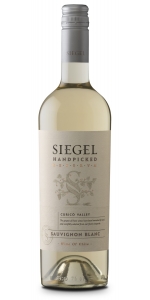
Siegel Hand-picked Selection Sauvignon Blanc is made from 100% Sauvignon Blanc.
Our handpicked Reserva wines are born out of a strong desire to offer the very best expressions of terroir from our El Crucero vineyard, located at 360 meters above sea level. These carefully handpicked grapes deliver superb varietal characteristics and exceptionally well-balanced fruit concentration.
The manual harvest behind our handpicked Reserva Wines, a stage prior to a second triage, highlights our commitment to delivering uniquely hancrafted wines from Curico Valley.
Our handpicked Reserva Sauvignon Blanc, unoaked and of a pale yellow color, delivers enticing tropical fruit and citrus aromas, a beautifully balanced palate with pleasing acidity and a soft persistent finish.
Paul Hobbs George Menini Estate Chardonnay is made from 100 percent Chardonnay.
Located on the southwestern edge of the Russian River Valley appellation in an area known as the Sebastopol Hills, this Chardonnay from George Menini Estate displays pale straw in color and boasts an elixir of white and yellow florals, tart yellow apple, bartlett pear, and baking spice. A precise yet supple wine with notes of juicy Gravenstein apple, vibrant sea salt, and crushed rock, complemented by a cool-climate zing of acidity. An impressive level of complexity for a young vineyard.
Review:
Lots of pears and pear blossom with lemon rind undertones. Medium body with plenty of fruit and energetic acidity with a pumice undertone. Some terra-cotta, too. Flavorful finish. Salty, too. Complex. Lots going on here. Drink or hold.
-James Suckling 97 Points
Maranones 30.000 Maravedies Vinos de Madrid Sierra Gredos is made from 90% Garnacha and 10% local grape varietals called Morenillo (Morate).
“The first of our red wines would be 30,000 maravedíes, which is our Comarca wine, a regional wine, village wine.
30,000 maravedíes is the coming together of all soils, orientations, dominantly Garnacha at 90 percent with a remaining 10 percent of local grapes.
The name also reflects the union between history, the winery, the structure and the place. Álvaro de Luna paid 30,000 maravedíes to buy the whole region from the monks who fostered the cultivation of the vine. It is a historical name. It refers to what was paid for the Valley and pays homage to the Valley. It also evokes what the monks had developed. This history is part of our heritage and we continue it.
This village wine wants to tell you the whole history of the Valley. At the end it delivers a structure tending towards the mineral, the floral, length, fruitiness and ease of drinking.”
30-70 year-old vines produce a vibrant, fresh wine that boasts juicy red berry, wild herb, flower and balsamic flavors with hints of sweet spice. Smooth tannins provide finesse and longevity.