
" We don't sell the wine without touching the vine "
| BUY MORE! SAVE MORE! | ||||||||||||||||||||
|
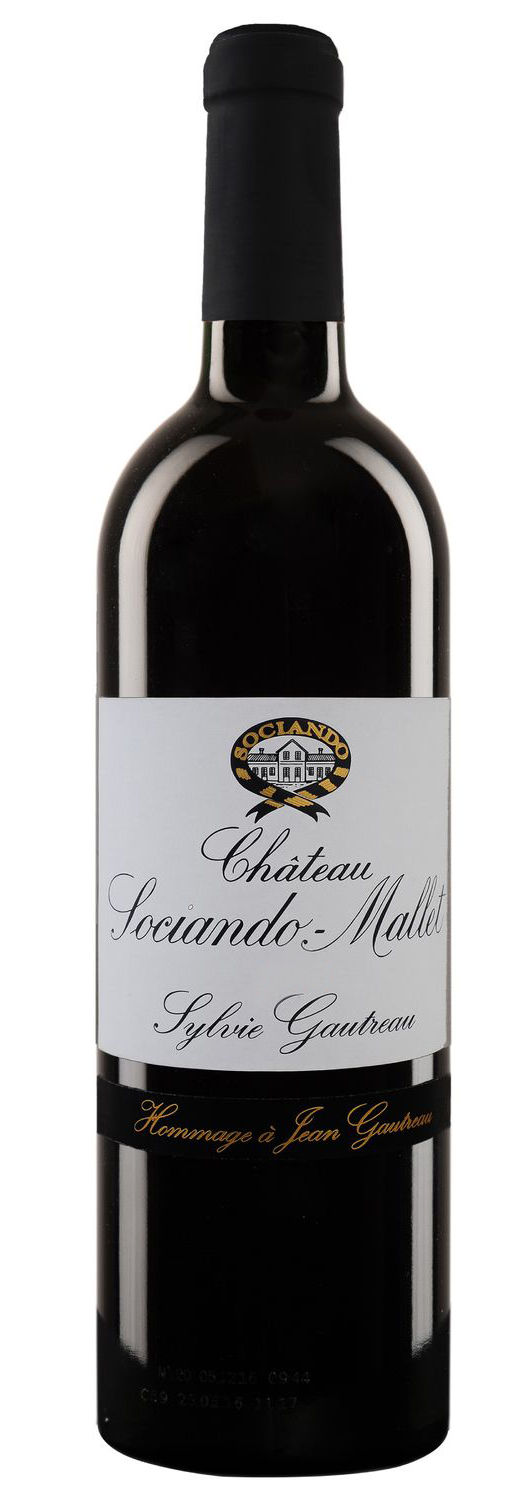
Sociando Mallet Haut-Medoc is made from 53% Merlot, 46% Cabernet Sauvignon and 1% Cabernet Franc.
Château Sociando-Mallet produces full-bodied wines with a deep, dark color. The complex bouquet is dominated by red and black fruit aromas with a touch of minerality, floral and spicy notes. Fresh, harmonious and nicely balanced in the mouth with a solid tannic structure and good acidity that promises a long aging potential. The mid-palate is pleasant with a nice density of fruit. A silky and fruity finish.
Red meat, dishes in sauce, poultry, strong goat or cow cheeses.
Château Sociando-Mallet is located in the commune of Saint-Seurin-de-Cadourne, ten kilometres north of Pauillac, in the Haut-Médoc appellation. A document dating from March 1633 refers to land here belonging to an aristocrat of Basque origin named Sociondo. A member of his family was Bishop of Bayonne. Another document, from 1750 mentions vines belonging to Demoiselle Anne de Sossiondo. Due to various misspellings over the years, "Sossiondo" became "Sociando".
Jean Gautreau discovered Sociando-Mallet when looking for a wine estate to buy on behalf of a Belgian client. It was love at first sight, despite the fact that the property was in a sorry state. However, the terroir was excellent and the domain afforded a magnificent view overlooking the Gironde Estuary. There were only 5 hectares of vines at the time. The buildings were in bad shape and there was no barrel cellar – just a small vat room and garage. With help and advice from Gérard Cler, a previous employee at the château, Jean Gautreau made an acceptable first vintage and a superb second one. He was helped by the fact that Sociando-Mallet's extraordinary terroir, consisting of Günz gravel with clay subsoil, is propitious to growing excellent Cabernet Sauvignon and producing wines with wonderful freshness. Jean Gautreau expanded the vineyard year after year by buying vines from his neighbors. Seeking the best possible quality, he also renovated the estate’s buildings, built a barrel cellar, and gradually improved the choice of grape varieties, matching the appropriate ones to each vineyard plot.
Today, the property stretches over a total of 120 hectares, of which 83 are under vine. Jean Gautreau sold his négociant business in 2000 to focus on managing his wine estate. He passed away in October 2019, leaving his daugther and only child Sylvie the property she had been managing since 2015. She favours viticultural methods close to nature, following in her father’s footsteps, with the same love and respect of the land. She can be found participating in the various technical tastings and choosing the blend with her team.
Familia Zuccardi 'Finca Piedra Infinita' Gravascal is made from 100 Malbec.
WINE DATA:
Grape Composition: 100% Malbec
Appellation: Finca Piedra Infinita, IG Paraje Altamira,Valle de Uco, Mendoze
Vinification: Manually selected grapes, filling of tanks by gravity. Fermentation with native yeasts in concrete vessels without epoxy. Aging in concrete vessels. The 2020 was a very particular vintage, characterized by limited yields and a high speed of maturity, which made it one of the fastest and most challenging on record.
In the search for the purest expression of the identity of Finca Piedra Infinita vineyard, we reached this small plot of 0.73 hectares. Located on its north-east side, it shows the typical facet of Paraje Altamira soil, with large gravels and granite stones covered with calcareous material at a depth of 50 cm.
Altitude: 3,609 feet above sea level
Soil Type: Short alluvial soil covered with calcareous materials
Alcohol: 14% Total Acidity: 5.6g/l
TASTING NOTES:
Color: Bright ruby color
Aroma: Dark berries, black olive tapenade, and iron
Flavor: Rich on the palate, with firm tanins
Silver Oak Alexander Valley Cabernet Sauvignon is made from 95.2% Cabernet Sauvignon, 2.5% Cabernet Franc, 1.9% Merlot, 0.4% Petit Verdot
The Silver Oak Alexander Valley Cabernet Sauvignon 2019 has notes of red cherry, raspberry, blackberry, iris, vanilla and clove. Ruby in color, this elegant wine has great acidity and lift on the mid-palate. Black currant and warm baking spices linger with a deep and fruity finish. It will provide drinking pleasure through 2047 given proper cellaring.
Review:
Silver Oak's 2020 releases of Napa and Alexander Valley Cabernets are downright impressive. Tasted four years after the fires, in September of 2024 at the Alexander Valley winery, neither wine showed any sign of the hardened tannic structure or overwrought fruit often associated with the vintage. Instead, these wines remain true to Silver Oak’s signature style, with blackcurrant, fig, and plum fruits layered with white pepper, sweet cedar, and coriander spice. Medium-bodied, with sculpted tannins that persist through the lengthy finish, the Alexander Valley Cabernet in particular retains all the hallmarks of a balanced, inviting, and vibrant Silver Oak red.
-Decanter 94 Points
Truly gorgeous, fruity, velvety and enjoyable for a full-bodied cabernet. It is rich in blueberries, cherry cream, black cherries and raspberries on the palate, with very smooth, layered tannins and a soothing mouthfeel. So easy to drink now, but it will age well, too.
-James Suckling 94 Points
Argot Le Rayon Vert Chardonnay is made from 100 percent Chardonnay.
"Le Rayon Vert", the phenomenon which occurs as the sun dips below the horizon, and a brilliant green flash occurs when sunlight prisms through Earth's atmosphere. Jules Verne wrote "a green which no artist could ever obtain on his palette”, akin to the ethereal, green halo all truly pedigreed Chardonnays radiate from the glass.
Wafting from the glass like a freshly opened stick of Wrigley's gum. Both intense and vibrant, the full-bodied palate delivers Granny Smith apple and stone fruits; confections of custard and sticky vanilla bean; animated by bursts of spearmint and pine forest.
Review:
The 2020 Le Rayon-Vert comes bounding out of the glass with bold notions of lemon meringue pie, fresh apricots, and sea spray, giving way to nuances of struck flint, wet pebbles, and Marcona almonds, plus wafts of lime leaves and mandarin peel. The medium to full-bodied is simply electric, delivering super-intense citrus and mineral layers with a crisp backbone and a very long, chalky finish.
-The Wine Independent 96 Points
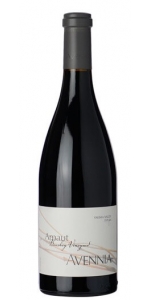
Avennia Arnaut Syrah is made of 100% Syrah
For our taste, no one grows finer Syrah in the state than Dick Boushey. We named this wine after the Provencal Troubadour Arnaut Daniel, who invented the Sestina poem form, thus creating a connection between our two flagship efforts.
"Deep, dark Syrah notes on the nose, with dark blackberry, blueberry reduction, grilled meat, crushed olive, black licorice, camphor, pen ink, and cracked black pepper. The palate is super concentrated and dense, tightly focused, and deeply complex. Savory blueberry, pan drippings, a hint of orange essence, and hand-rubbed sage come through on the extremely long and nuanced finish. A compelling wine that will age for a couple decades at least." - Chris Peterson, Winemaker
We make this wine with minimal manipulation, using native yeasts and bottling unfined and unfiltered, to allow the "place" to shine through.
AVA: Yakima Valley
Blend: 100% Boushey Vineyard Syrah
Winemaking: 15% whole cluster, native yeast, 15% new French oak, aged 16 months, bottled unfined & unfiltered.
Review:
"Boushey Vineyard is holy ground for Syrah in Washington. This is yet another wine that will inspire a vinous pilgrimage. Dried herb, smoked meat, iron, and dark fruit aromas lead to full-bodied, saturated, palate-staining dark fruit flavors. The intensity is off the charts – earthshaking, with wave upon wave of dark fruit flavors. There’s plenty of structure around it all. It sticks around for a long, slightly warm finish. Best enjoyed at a cool 62 degrees. Give it a long decant if drinking in the near term." - Sean P. Sullivan
95 points & Critic's Choice, Northwest Wine Report
All varietal from a great vineyard in the Yakima Valley, the 2020 Syrah Arnaut Boushey Vineyard offers a perfumed, complex nose of mulled red and black berries, peppery, savory herbs, and some meaty, iron-like nuances. This complex, medium to full-bodied beauty has fine tannins, a layered, elegant mouthfeel, and a gorgeous finish.
- Jeb Dunnuck, 94 pts.
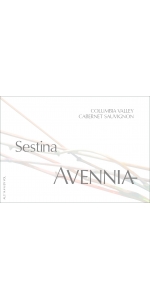
Avennia Sestina Red Blend is made from 77% Cabernet Sauvignon, 17% Merlot, 6% Cabernet Franc.
The Sestina is a poetic form from Medieval France. Just as a contemporary poet can use an old form like the Sestina to express modern ideas, we use the traditional Bordeaux blend to make modern wines that express Washington fruit. Sestina is our vision for an old vine blend where the focus is on structure, balance, and complexity. This wine is designed for the cellar, but is enjoyable now.
Sestina: This wine is a blockbuster, with black currant, black raspberry, saddle leather, freshly tilled earth, vanilla, and violet on the nose. Exceedingly rich and balanced on the palate, with great poise and structure for long aging. The finish echoes with fresh black fruits, minerally touches, and floral notes.
Review:
The 2020 Sestina showed beautifully, with lots of ripe black fruits, tobacco, and spring flower notes in a medium to full-bodied, fresh, focused, elegant style. It has fine tannins and a great finish and should drink nicely right out of the gate. The tannins here are terrific.
Jeb Dunnuck 94-96 Points
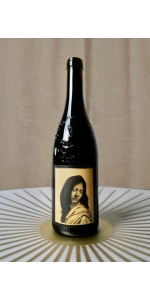
Beatus began with a dream and a friendship. Our dream was to make wine in Châteauneuf du Pape, one of the first regions to inspire the desire to pursue winemaking in general, and of working with Grenache in particular.
We developed a long-standing friendship with Anne-Charlotte Melia-Bachas, Proprietor of Chateau de la Font du Loup, who approached us with the idea to craft a wine together a number of years ago.
This has all come to fruition with Beatus, a wine that we have decided to make ongoing, every year — since tasting the exciting results of the first vintage in barrel.
The vineyard parcel selected for this wine is a single plot of 80-year old Grenache at the top of La Crau in Châteauneuf du Pape, the highest location in the AOC. It sits on a north-facing slope that helps guard against the sometimes intense summer heat that can affect the surrounding areas.
This plot is called “Le Poteau” and has been generously granted to us by Anne-Charlotte as the core of this wine, with supplementation of Syrah and Mourvèdre from surrounding parcels also grown on the Chateau de la Font du Loup estate, to round out the blend.
The winemaking is directed by myself and carried out by Anne-Charlotte, Stéphane Dupuy d’Angeac and their team. It is our hope to bring you one of the finest expressions of Grenache from this special region each and every vintage.
Yields from this block are very small due to the age of the vines, therefore only up to 100 cases of Beatus will be produced each year, depending on the conditions of the vintage.
Our first release was in November of 2022.
– Winemaker Todd Alexander
Review:
Made in collaboration with Chateau de la Font Du Loup, the 2020 Beatus is an extraordinary bottling that rivals some of the top wines of this region. The nose is hugely perfumed with red rose petals, potpourri, sage and shades of red currants. The palate displays the same level of concentration as it does on the bouquet. Beautiful guava and ripe strawberry fruits parade with copious minerals and a sinfully good texture on the palate. Fresh and vibrant, this is just sensational stuff to enjoy in its heady youth.
Owen Bargreen 97 Points
After working with the fruit for over a decade, Turkey is proud to present the first single-vineyard bottling for Turley from the Del Barba Vineyard. Contra Costa is a delta where the San Joaquin and Sacramento rivers meet, and these head-trained vines are planted in deep dehli blow sand, made up of decomposed granite coming down from the Sierra Mountains. The resulting wine embodies the best the delta has to offer: silken textures, ultra fine tannin, and dark saline fruits.
Review:
"The 2023 Zinfandel del Barba is ripe, boisterous and super-expressive. Floral overtones and bright acids run through a core of red/purplish fruit. Sandy soils confer lovely aromatic presence to this pure Zinfandel. This is an especially accessible offering from Turley."
-Vinous 91-93 Points
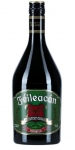
Feileacan Wine Irish Cream is made from a wine base blended with fresh Irish cream.
Féileacán Irish Country Cream is a creamy, sweet Irish liqueur alternative. It is inspired by Irish Whiskey cream liqueurs that quickly became popular around the world in the 70’s. Féileacán Irish Country Cream is a neutral fermented grape wine with cream, sugar, and flavorings such as vanilla, caramel, and coffee. All the ingredients are blended together until smooth and creamy, resulting in a rich, indulgent liqueur alternative with a smooth finish. Féileacán Irish Country Cream can be enjoyed on its own, over ice, or used as an ingredient in cocktails and desserts. It is a popular ingredient in coffee drinks, such as the Irish Coffee and the Mudslide, as well as in desserts such as cheesecake and chocolate mousse. In addition to being delicious, Féileacán is also versatile and easy to use. It can be used as a substitute for cream or milk in a variety of recipes, adding a rich, creamy flavor to dishes such as pancakes, waffles, and French toast. Féileacán Irish Country Cream is a delicious and versatile liqueur alternative that has helped many Beer and Wine restaurants sell many Irish inspired cocktails.
Tasting Notes: Féileacán is smooth and creamy with a sweet rich flavor. It has notes of vanilla, caramel, and hints of chocolate and coffee.



