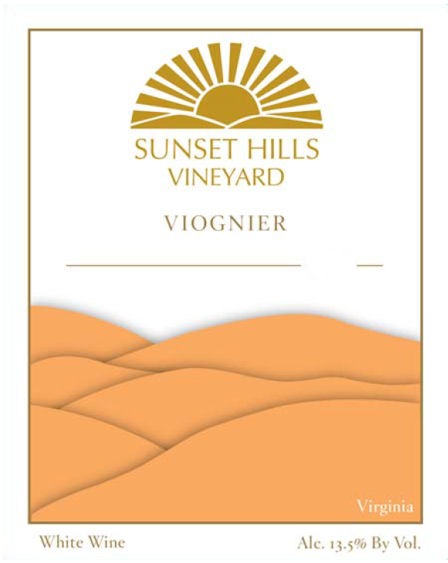
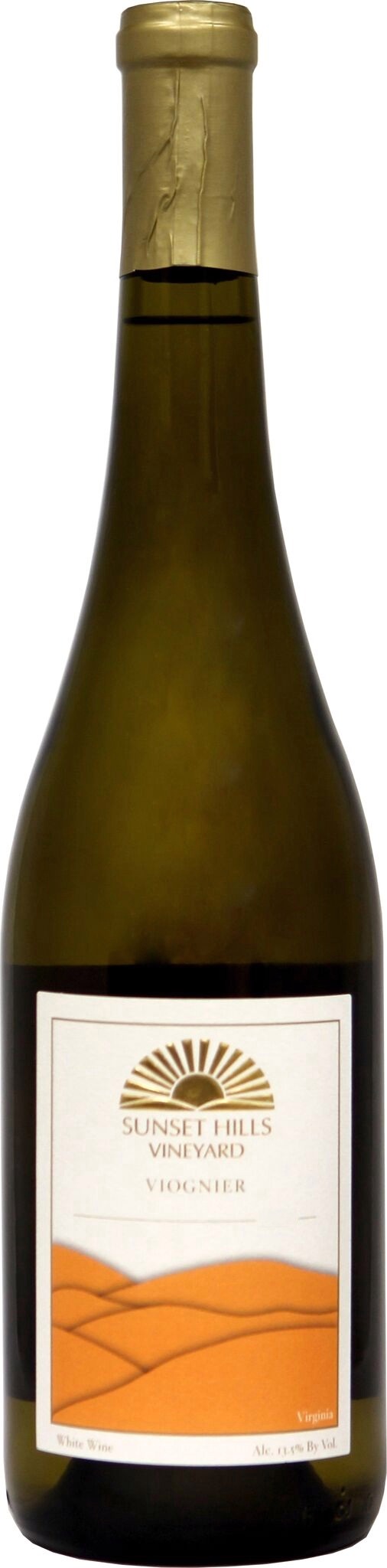
" We don't sell the wine without touching the vine "
| Country: | United States |
| Region: | Virginia |
| Winery: | Sunset Hills |
| Grape Type: | Viognier |
| Vintage: | 2018 |
| Bottle Size: | 750 ml |
The 2021 Shafer Hillside Select is crafted exclusively from grapes grown on Shafer's rugged hillside vineyards, where steep, rocky soils push the vines to produce low yields of intensely concentrated fruit. The unique terroir, combined with Napa Valley's hallmark climate of warm, sunny days and cool nights, contributed to a vintage with exceptional structure, lush tannins, and deep, vibrant color. The 2021 growing season exemplified these conditions, allowing the grapes to mature beautifully by early September, resulting in a wine with refined, pure aromas and flavors that reflect the richness and elegance of the vineyard.
“Such a beautifully balanced wine with tremendous staying power and expressive Stags Leap ironstone minerality with heady sagebrush and conifer notes with white pepper and walnut husk. The wine has an impressive depth of red-toned fruit on the mid-palate framed by tannins that practically dance across the palate, exuding length, tension, and power. Huckleberry and black cherry fruits, black truffle, dried violets, graphite, and salted dark chocolate are all framed by racy acidity, which keeps everything fresh and lifted. The 2021 releases mark Elias Fernandez's 38th vintage as Shafer's winemaker. He was hired by John Shafer in 1984, two weeks out of UC Davis.”
-Decanter, 99 Points
“The 2021 Cabernet Sauvignon Hillside Select was tasted as a barrel sample. Deep garnet-purple in color, it charges out with powerful notes of creme de cassis, plum preserves, and juicy blueberries giving way to an undercurrent of tar, candied violets, and star anise. The full-bodied palate is concentrated and impactful, delivering a firm, grainy texture and well-knit freshness to support the generous black and blue fruits, finishing long with loads of mineral and exotic spices sparks. This is impressive!”
-The Wine Independent, 98-100 Points
“As always, the 2021 Cabernet Sauvignon Hillside Select is 100% Cabernet Sauvignon that will spend 28 months in new barrels. Its deep purple hue gives way to a behemoth of a wine that has incredible cassis, black raspberry, and even blue fruits to go with loads of camphor, minty herbs, graphite, and darker chocolate. It's full-bodied, concentrated, yet pure, flawlessly balanced, and has a great finish.”
-Jeb Dunnuck, 97-99 Points
K Vintners The Beautiful Syrah 2018 is made from 97% Syrah, 3% Viognier.
A multi-layered beauty; perfumed, lovely. Super dark rose. Broken, unfiltered cigarette, Amaro. Densely colored with a shimmering red rim. Giving, yet just an inch at a time. One to ponder. One to enjoy.
Review:
The 2018 Syrah The Beautiful Powerline Vineyard comes from a vineyard outside of Walla Walla, in the foothills of the Blue Mountains. It was not destemmed and was brought up in neutral, larger barrels. An exotic nose of ripe blue and black fruits, lavender, sappy flowers, and herbes de Provence-like nuances give way to a medium to full-bodied, richly textured, structured wine with a mouth-filling, layered, meaty style that builds nicely with time in the glass. There's always a sappy, almost herbal edge to this beauty, and it ages beautifully. Feel free to open bottles any time over the coming 15-20 years. It would certainly be hard to pick out in a lineup of top Northern Rhône Syrahs.
-Jeb Dunnuck 97 Points
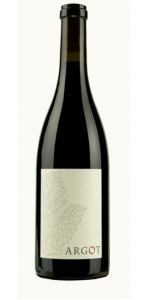
Argot Pinot Noir Sonoma County is made from 100 percent Pinot Noir.
Everything you have come to expect from an Argot Pinot Noir, shone through the filter of a textbook-perfect vintage. We simply can not get over the quality of fruit this wine displays! Intense, yet fresh; fruity, yet spicy; brambly, yet juicy; immediate, yet lingering. A Pinot Noir that displays the variety’s natural come-hither attitude, while succinctly capturing its intriguing nature. There are not enough superlatives to describe this wine. Almost too easy to love!
VINEYARD Multiple vineyards throughout Sonoma County, including both valley floor and high-elevation hillside sites
PRODUCTION 600 cases
VARIETAL 100% Pinot Noir
CRUSH Night harvested by hand beginning in mid-September, concluding at our coolest sit on October 13. Cluster and berry sorted by hand, de-stemmed, no crushing
FERMENT 7-day cold soaks, followed by native fermentation in open-top containers, with the grapes fermenting on their skins for an average time of 14 days.
AGING 16 months, French oak barrels, 7% new, remainder once-used. Never racked prior to bottling. Bottled un-fined, unfiltered.
NOTES Singularly great. 2018 was an all-time vintage for California’s North Coast, achieving rarely before experienced heights. A mild summer gave way to Autumnal perfection, allowing cooler areas the opportunity to ripen their crop while chemistries remained perfect. What arrives in bottle is nothing short of a pinnacle representation of Sonoma County Pinot Noir — profound depth of pure, red Pinot Noir fruits, caressing textures balanced by deep minerality and a quenching acidity.
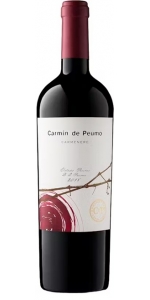
The Peumo Vineyard is located 170 m above sea level and extended along the Cachapoal River, on terraces of hills of the Coastal Mountains. The vines come from pre-phylloxera cuttings and are trellised to vertical shoot position and cordon pruned. The soils are deep with an upper layer of clay that retains moisture, which controls the vines’ vigor and growth and allows them to remain active through late May, when the Carmenere is picked.
Deep, dark red with hints of violet. Elegant and mineral on the nose, with notes of blackberry and a touch of blackcurrant. It fills the palate with underlying mature tannins. Deep, concentrated, with a long aftertaste and distinctive hints of the Peumo terroir. This 2018 vintage is characterized by its elegance and freshness; it is a wine with a lot of Carmenere character. Pairs best with elegant but simply prepared dishes such as juicy, rare roast beef, veal, pork tenderloin with roasted beets and cranberries, duck (con t or magret). Also delightful with squash-stuffed pasta with morel mushrooms or aged goat cheese with figs.
Review:
Carmín made its debut with the 2003 vintage, and since then it has come from a selection from Block 32, a sector of the vineyard in Peumo, on the banks of the Rapel River. Of its 28 hectares, seven are actually used and usually produce about 18,000 liters. The vineyards were planted in 1983 on stony clay soils on the hills that flank the Cachapoal River on its way to Lake Rapel. This was a cool year, and that's evident in the herbal notes and red fruits that fill the nose. The palate is generous in ripe red fruits, as well as in the herbal tones that refresh and add complexity at the same time. The texture is friendly, although it leaves room for a layer of very fine, sharp tannins that contribute tension, while the fruits and herbs continue their private party. We think this is the best version of Carmín that we have tried—far from the first Carmíns, which were tremendously ripe and extracted and far from this balance and elegance. Carmenere at the highest level.
-Patricio Tapia - Descorchados 98 Points
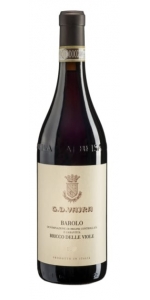
G.D. Vajra Bricco Delle Viole Barolo is made from 100 percent Nebbiolo.
The Barolo Bricco delle Viole shows the signature verticality of its vineyard. The wine is beautifully layered and - while restrained as it’s always the case in the youth of Bricco delle Viole - it also shows a complexity of layers with purple flowers, sweet spices and mineral tones. The palate is noble, with a refined acid spine and profound tannins that promise a long aging potential.
Among the historical vineyards of Barolo, Bricco delle Viole is the highest and the closest to the Alps. It rises from 400 to 480 meters above sea level, on the Western ridge of the village. Its name, “Hill of Violets”, originates from the flowers that blossom early here due to the perfect south exposure. Up above the fogs, Bricco delle Viole enjoys the earliest sunrise and the last sunset every day. Thanks to its vines dating back to 1949 and -now- 1931, a dramatic diuturnal temperature range and this pure light, Bricco delle Viole generates a sophisticated and profound Barolo DOCG of bright aromatics, chiseled tannins and subtle minerality. 2018 is a vintage that shows many nuances of Bricco delle Viole: beyond the signature verticality of this site, the wine offers high tones laced with mineral nuances and plenty of energy and youth.
Review:
The 2018 Barolo Bricco delle Viole is not super intense, but it is balanced in its own way. The wine is subdued but complete with softly yielding tannins to support an elegantly streamlined mouthfeel. Bricco delle Viole is a high and cool growing site in Barolo at 400 to 480 meters in elevation with characteristic Sant'Agata marl soils with fossils. The wine represents a selection of fruit from over seven hectares. With fermentation in steel tank and aging in large Slavonian oak, you are invited to a silky, lifted and beautifully delicate experience with an accessible personality.
-Wine Advocate 95 Points
An elegant version, this red features rose, black currant, cherry, mineral and a hint of eucalyptus aromas and flavors. Linear in profile, this is solidly built on a graceful frame, with finely woven tannins and vibrant acidity.
- Wine Spectator 95 Points
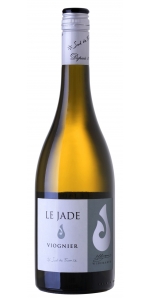
Le Jade Viognier is made from 100 percent Viognier
The wine comes from sun-drenched vineyards planted on the best terroir - specially selected for its physical and geographical characteristics - on clay and limestone hillsides called "costières" (coastal region). The vineyards are only a few miles away from the Etang de Thau, a coastal lagoon that is situated between the port of Sète and Marseillan.
The color is a wonderful brilliant yellow with pearl tints. Intense and seductive aromas of ripe fruits, especially apricot, and floral notes with a hint of rose petals. The texture is very harmonious, generous, round and long. The finish is long and balanced with a good freshness.
Perfect as an aperitif, or great with richer dishes like langoustines, smoked or marinated salmon. Great too with guinea fowl in creamy or curry sauce. Serve it also with a broccoli and Roquefort soup or for dessert with a mango and pineapple tarte Tatin. An extremely versatile wine!
Sunset Hills Viognier is made from 100 percent Viognier.
Tropical notes of pineapple and apricot on the nose. Crisp lemon lime, pear, and white flower wash over the palate.
Sunset Hills Vineyard, nestled in the foothills of the Blue Ridge Mountains, produces award winning, 100% Virginia wines from our Amish restored, historic winery. From the planting of the first vines in 1999, Mike and Diane Canney, owners of Sunset Hills Vineyard, had a vision of making fine wine of the highest quality in a manner which was gentle on the land. That vision is reflected in the sustainable farming practices employed today.
The original Sunset Hills was a very large and beautiful farm that later became Reston Virginia. Diane and I used to work very long hours in office buildings in Reston, looking out over the scenic landscape, dreaming that one day we would have a beautiful farm like that. Years later, after searching to find the perfect place for our vineyards and winery, Diane and I bought our first farm. Each evening, we would watch the sun set over the Blue Ridge mountains, talking about what grapes to plant, where to plant them and how we would do whatever it took to maximize quality. In 1999, the first vineyard was planted and we needed a name. We knew it could only have the name of the farm we had admired years before. Today, many of our customers and friends enjoy our wines on the 150 yr old farm, and enjoy watching the sun set over mountains. Sunset Hills Vineyard has been the perfect name!
After graduating from UVA in 2011, it was Corry’s love of travel that first led her to the wine industry. She soon found herself working the harvest in far off places like New Zealand, Australia, South Africa, and France, with a few closer to home in Oregon and Virginia. She called both King Family and Blenheim Vineyards in Charlottesville home for a while, working harvests and spending time in the lab learning the ins and outs on winemaking, but it was her stretch in Oregon that showed her this wasn’t just a job, but a way of life. Although she’s been tempted by opportunities in Sonoma, CA, her desire to start her career as a winemaker in her home state of Virginia has kept her planted close to home. It excites her that Virginia is still in the early experimental phase of winemaking, and she really believes in the quality of wine that can be crafted here. She’s already experimenting in the cellar, and we can’t wait to see the fruits of her labor as they unfold in the future. If she’s not drinking a Virginia Chardonnay, you’ll most likely find her with a glass of Pinot Noir in her hand. When she’s not in the cellar, she’s likely out hiking, playing her cello or gone for a run.
Vineyard names:
Sunset Hills (18 acres), 50 West (7 acres), Shenandoah Springs (23 acres), Sherman Ridge (13 acres), Catesby (17 acres).
Age of the vines: 1 - 20 years
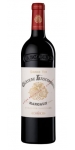
Chateau Lascombes Margaux is made from 67% Cabernet Sauvignon, 30% Merlot, 3% Petit Verdot and Cabernet Franc.
An Earth Mother, with velvet-lined blackberry, Bay leaf, graphite, and roasted coffee bean. Chalky tannins grip the teeth, with a dusty grip. From its backbone and vibrant acidity, to its notes of dried violets on the finish, we bow to its elegant nature.
- The Somm Journal, Apr/May 2025 97 Points
Precise, brilliant and engaging, a three-dimensional wine that shows itself in all its splendor. Notes of black cherries, mixed plums, mixed flowers and bergamot describe the secondary scene. Lemon peel and ginger the secondary one. Full body, perfectly extracted tannins and a vertical finish of infinite presence. Better from 2029.
-WineCritics.com 97 Points
Based on 67% Cabernet Sauvignon, 30% Merlot and the rest Petit Verdot and Cabernet Franc, the 2022 Château Lascombes pulls from 40% of the total production and was aged 18 months mostly in barrels (60% new) with a small portion in foudre. This inky hued beauty boasts a rich, concentrated, full-bodied, well-oaked style as well as pure cassis and darker berry fruits, some graphite, scorched earth, and licorice nuances, terrific overall balance, and a great finish.
-Jeb Dunnuck 96+ Points
Mordoree Tavel Rose Dame Rousse is made from Grenache 60 %, Cinsault 10%, Syrah 10 %, Mourvèdre 10%, Clairette 5%, and Bourboulenc 5%.
Nose : steady rose, brilliant and limpid.
Aromas : very complex with flowers, red and white fruits aromas.
Palate : rounded, full bodied with a long lasting aniseed and fruity finish.
Ageing potential : 4 to 6 years
Surface : 9 Ha. Yield : 44 Hl./Ha. Vineyard age : 40 years Terroir : Clay / chalk and sandy with pebble stones. Harvest : by hand Vinification : 100% destemming, cold maceration during 48 h., pneumatic pressing, fermentation at 18° C. Estate bottle
Food pairing: cold meat and delicatessen, poultry, white meats, grilled meats, fried fish, fish soup, pastas, pizzas and all Asian cuisine.