" We don't sell the wine without touching the vine "
| Country: | Argentina |
| Region: | Mendoza |
| Winery: | Tiza & El Ganador |
| Grape Type: | Malbec |
| Vintage: | 2014 |
| Bottle Size: | 750 ml |
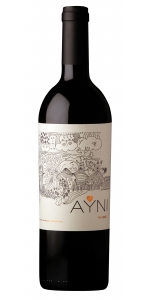
Ayni Malbec Paraje Altamira is made from 100 percent Malbec.
Ayni is the Quechua term for the principle of reciprocity, practiced for centuries by the Andean people - "in order to receive, you first have to give." Chakana's renowned Paraje Altamira vineyard, which sits 3,300 feet above sea level, bears the name Ayni & is the source of the Ayni wines.
Deep ruby-red in color with violet hints. Complex and intense bouquet, featuring blackberries, cherries and plums, with delicate floral notes and spices. Balanced and fresh; full-bodied with good length of spices.
Pairs well with grilled meats and stews.
Review:
"Chakana is an organic and biodynamic producer in Mendoza, that harvests from a vineyard in Paraje Altamira to produce this terroir-focused, minimal intervention Malbec. Aged in a mixture of casks and barrels for 12 months, this is a pure, energetic red in which fresh red fruit aromas combine with spice, herbs and mineral notes. In the mouth, it’s fluid with lively acidity and firm, chalky tannins. A potent, long-lasting wine. Drinking Window: 2023 - 2030"
- Decanter Magazine, 94 pts
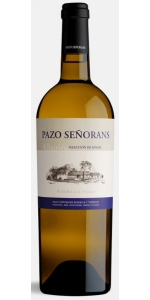
Pazo de Senorans Seleccion de Anada Albarino is made from 100 percent Albarino.
Straw yellow with greenish tints, vivid and brilliant. High intensity and very expressive. Profusion of aromas with traces of mineral. Great volume and ample body leaving a lasting impression from beginning to end.
Reviews:
I think the 2014 Albariño Selección de Añada could be the finest vintage of this characterful long-aging Albariño, from a year with a more moderate 13% alcohol and very high acidity (and low pH) that make the wine fresher and more vibrant. It is developing very slowly and showing quite young after it spent over 30 months with lees in 1,500- and 3,000-liter stainless steel tanks. It has a pale color and an elegant nose with notes of freshly cut grass, white flowers and wet granite. The palate is vibrant with effervescent acidity, and it has a long, dry and tasty finish with an austere sensation, far away from the tropical notes of some past vintages. This is superb and should continue developing nicely in bottle. Bravo! It wasn't bottled until April 2023, and 14,000 bottles were produced.
-Wine Advocate 96 Points
Tech:
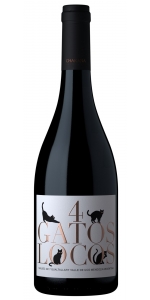
4 Gatos Locos Malbec is made from 100% Malbec.
4 gatos locos is a project created by Gabriel Bloise, Facundo Bonamaizon, Mariana and Juan Pelizzatti, winemaker, viticulturist and founders of Chakana (respectively), and it is based on a 20 ha vineyard in Alto Gualtallary, the most prominent growing region in Argentina.
The vineyard is located at 1360 mts a.s.l on a 10% slope on the Sierra del Jaboncillo, a relatively old geological formation near the alluvial fan of the Las Tunas river, in the Tupungato area, in north western Valle de Uco. The long exposure to arid conditions of calcium rich gravel has allowed microbes to develop one of the areas richest in calcium carbonate in Mendoza. The altitude, the slope, the gravel and the calcium carbonate create unique deep, textured wines which have become distinctive of this area. Moderate high temperatures controlled by high altitude in sunny conditions produce perfectly ripe grapes of unusually intense color and great vitality, balanced by the mineral freshness of calcium carbonate. Local aromátic plants naturally occurring in native vegetation areas interspersed in the vineyard give the wine a unique herbal touch that underline the character of the place.
4 Gatos locos is packaged with 4 different labels, reflecting the different personalities of the partners in this project. In an industry dominated by narcissistic efforts of self promotion and luxury, 4 gatos locos (a popular frase in argentina to represent “nobodies”) represents an authentic collective effort to develop outstanding wine that captures the personality and the potential of a place, which we strongly believe it is the best Mendoza has to offer.
Residual sugar: <1,8 g/lPh: 3,8
Acidity: 5,7 g/l
Aged in new french oak 500 liter barrels and 5000 liter foudre for 18 months. Then aged for 12 months in bottle.
Fermented with natural yeast, macerated for 28 days.
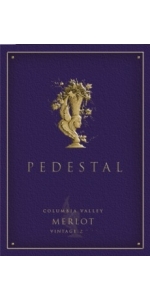
Michel Rolland, Pomerol vintner and consultant to many of the world's top wineries, teamed with Washington State wine visionary Allen Shoup to produce this limited release wine.
With its intense color and inviting aromas of dark berries, licorice, baking spice and a hint of smoke, the Pedestal is a bold wine that leaves a lasting impression. Dark fruit flavors integrated with sweetness from the barrel and richness from the tannins come together seamlessly, lingering across a structured mid-palate and lengthy finish.
Winemaking: Hand-harvested grapes were double-sorted to remove green material that might impart harsh tannins, then most of the lots were cold soaked to build richness and flavor before undergoing whole-berry fermentation in 55L upright French wood tanks. This, combined with gentle pump-overs throughout fermentation, enhanced the wine’s color, texture and mouthfeel. The finished wine was aged 22 months in 85% new French oak barrels.
Review:
"I loved the 2014 Pedestal Merlot and it’s 81% Merlot, 15% Cabernet Sauvignon, 2% Malbec and 2% Petit Verdot. It offers a downright voluptuous and incredibly sexy style in its ripe black currants, toasted spice, chocolate and licorice aromas and flavors. Broad, expansive, layered and pleasure bent, with ripe tannin, it's a knockout Merlot that's going to have 10-15 years of drinkability. - Jeb Dunnuck"
- Robert Parker's Wine Advocate (Issue #231, June 2017), 95 pts
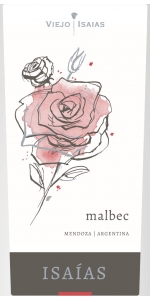
Viejo Isaias Malbec Clasico is made from 100 percent Malbec.
Time in oak: 40% in American (first and second use) oak barrels for 8 months. Time in bottles: 6 months minimum storage before placing on the market.
Vessels: stainless steel tanks. Alcoholic fermentation: controlled, with selected yeast. skin contact maceration: 20 days.. Malolactic fermentation: 100%
Excellent when paired with red meats, pasta with spicy sauces, matured cheeses.
Vibrantly red, with blue and purple glints. It has complex aromas of plum and ripe fruit, evoking dry fig. In the mouth, it is velvety, long, with a rich aftertaste, full of fine, sweet, ripe tannins.
Vineyard information:
Location: Perdriel, Luján de Cuyo, on the highest area of the Mendoza river - Mendoza.
Altitude: 950m above sea level.
Soil: sandy.
Year of plantation: 2000
Plant density per hectare: 3500
Wine production per plant: two 750cc bottles, approximately.
Yield: 80 qq/ht.
Viejo Isaias Malbec Clasico is made from 100 percent Malbec.
Time in oak: 40% in American (first and second use) oak barrels for 8 months. Time in bottles: 6 months minimum storage before placing on the market.
Vessels: stainless steel tanks. Alcoholic fermentation: controlled, with selected yeast. skin contact maceration: 20 days.. Malolactic fermentation: 100%
Excellent when paired with red meats, pasta with spicy sauces, matured cheeses.
Vibrantly red, with blue and purple glints. It has complex aromas of plum and ripe fruit, evoking dry fig. In the mouth, it is velvety, long, with a rich aftertaste, full of fine, sweet, ripe tannins.
Vineyard information:
Location: Perdriel, Luján de Cuyo, on the highest area of the Mendoza river - Mendoza.
Altitude: 950m above sea level.
Soil: sandy.
Year of plantation: 2000
Plant density per hectare: 3500
Wine production per plant: two 750cc bottles, approximately.
Yield: 80 qq/ht.
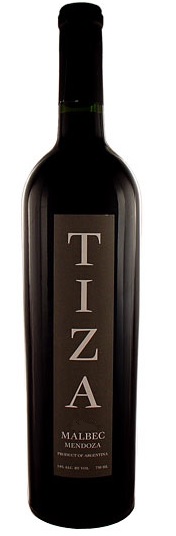
Tiza Malbec Mendoza is made from 100% Malbec, hand-harvested vineyards that total over 220 acres. Aged in new French oak barrels for 12 months. This wine offers a great intense and complex nose of wild berries and red ripe fruit with subtle spicy notes. Superb fruit flavors combine perfectly with toasty notes providing great structure, character, and a long finish.
The Tiza El Ganador Estate
These wines originate with a Spanish family based in Navarra. The grapes come from hand-harvested vineyards situated in Lujan de Cuyo. The winery uses a Marzola Basket Press, which has a solid reputation for quality. The press is hydraulic with an electric engine, and the plates are stainless steel with the bottom plate slanted to allow for maximum drainage. Basket walls are constructed of waterproofed wooden slats joined by stainless steel rings that can be switched out, allowing for continual filling and pressing. The computerized control panel can be programmed in various speeds and pressure, allowing the operator better control for extracting juice. Tiza is a lot specially selected by the importer. 2,500 cases produced, 2,500 cases imported.
The Tiza El Ganador Vineyards
The 220 acres of vines are planted to Malbec (first vines date back to 1912). The vineyard is situated 1,000 meters above sea level and is planted on alluvial soils with subsoils made of stone and sandy/limestone sediments. The quality of the soil together with the high density of vines per hectare contribute to produce very low yields with excellent fruits.
Bertani Valpolicella Ripasso Classico Superiore Catullo is made from 70% Corvina Veronese, 20% Corvinone, 10% Rondinella. Valpolicella Classica, Tenuta Novare Estate in Arbizzano di Negrar.
Wine of medium structure with elegant spicy notes of vanilla and chocolate accompanied by typical notes of cherry, sour cherry and white pepper. The palate offers the easy drinkability typical of Valpolicella and, at the same time, silky tannic structure and intense, prolonged aromatic persistence. The finish is fresh, soft and savory. A wine in the classic style, elegant, balanced, harmonious.
Review:
If I was forced to choose a number of wines that can steer the anachronistic Ripasso category into a brighter future, this would be among a very few. A mid-weighted, streamlined expression with just enough fruit on the bones. Think strawberries, lilacs, Asian plums, cloves and a hint of licorice. A noble, almost alpine bitterness lifts the finish. Brilliant. Drink or hold.
-James Suckling 95 Points
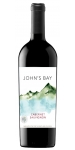
John's Bay is a custom wine made for Kysela Pere et Fils.