" We don't sell the wine without touching the vine "
| Country: | Argentina |
| Region: | Mendoza |
| Winery: | Tiza & El Ganador |
| Grape Type: | Malbec |
| Vintage: | 2014 |
| Bottle Size: | 750 ml |

Pazo de Senorans Seleccion de Anada Albarino is made from 100 percent Albarino.
Straw yellow with greenish tints, vivid and brilliant. High intensity and very expressive. Profusion of aromas with traces of mineral. Great volume and ample body leaving a lasting impression from beginning to end.
Reviews:
I think the 2014 Albariño Selección de Añada could be the finest vintage of this characterful long-aging Albariño, from a year with a more moderate 13% alcohol and very high acidity (and low pH) that make the wine fresher and more vibrant. It is developing very slowly and showing quite young after it spent over 30 months with lees in 1,500- and 3,000-liter stainless steel tanks. It has a pale color and an elegant nose with notes of freshly cut grass, white flowers and wet granite. The palate is vibrant with effervescent acidity, and it has a long, dry and tasty finish with an austere sensation, far away from the tropical notes of some past vintages. This is superb and should continue developing nicely in bottle. Bravo! It wasn't bottled until April 2023, and 14,000 bottles were produced.
-Wine Advocate 96 Points
Tech:

Avatar Malbec is 100% Malbec.
Aged in 100% French Oak barrels for 4 months and then 6 months in the bottle beofre release
Presents a vibrant red color with glints of bordeaux. Great aromatic intensity. It expresses in a very fresh way, with red fruits and a remarkable sweetness. In the mouth it’s balanced with round and sweet tannins, rich and with a marked acidity.
Coming from Agrelo district.
Average of the vines is 25 years old.
Soil type: Alluvial and sandy soils with a big amount of rocks just besides the Mendoza river. This is one of the most prestigious terroirs in Argentina.
Winemaking: Crushing, destemming and maceration pre-fermentative at 11ºC for 24 hours. Alcoholic fermentation in tanks. 4 weeks of skin contact maceration. Aged in French oak barrels for 4 months, Malolactic fermentation in contact with fine lees.
Wine was slightly filtered before bottling.
Avatar Malbec is 100% Malbec.
Aged in 100% French Oak barrels for 4 months and then 6 months in the bottle beofre release
Presents a vibrant red color with glints of bordeaux. Great aromatic intensity. It expresses in a very fresh way, with red fruits and a remarkable sweetness. In the mouth it’s balanced with round and sweet tannins, rich and with a marked acidity.
Coming from Agrelo district.
Average of the vines is 25 years old.
Soil type: Alluvial and sandy soils with a big amount of rocks just besides the Mendoza river. This is one of the most prestigious terroirs in Argentina.
Winemaking: Crushing, destemming and maceration pre-fermentative at 11ºC for 24 hours. Alcoholic fermentation in tanks. 4 weeks of skin contact maceration. Aged in French oak barrels for 4 months, Malolactic fermentation in contact with fine lees.
Wine was slightly filtered before bottling.

Imperial Stag Reserva Iconic Red Mendoza is made from 55% Malbec and 45% Syrah.
This is a single vineyard planted with Malbec and Syrah with low yields (2.5 ton per acre for the Malbec and 3.5 ton per acre for the Syrah).
Bright and intense, full bodied red wine with violet hues at the lips. Elegant and savory, with silky persistence. Captivating aromas of currants, raspberries and other red fruits. Distinct tobacco and chocolate aroma melded with honey and amalgamated notes of pepper and nuts from its passage through French oak barrels.
Pair with venison of course ! but also duck, lamb and strong cheeses.
Review:
“Benefiting from the addition of 15% Cabernet Franc for the first time, this is a structured assemblage of Malbec and 40% Syrah. The oak is a little sweeter and more assertive than on the other Imperial Stag wines, but there’s plenty of palate weight to cope. Dark chocolate and Asian spice aromas are joined by plum and blackberry fruit. 2024-29.”
Tim Atkin 2024 Best of Argentina Report, points 91

Michel Rolland, Pomerol vintner and consultant to many of the world's top wineries, teamed with Washington State wine visionary Allen Shoup to produce this limited release wine.
With its intense color and inviting aromas of dark berries, licorice, baking spice and a hint of smoke, the Pedestal is a bold wine that leaves a lasting impression. Dark fruit flavors integrated with sweetness from the barrel and richness from the tannins come together seamlessly, lingering across a structured mid-palate and lengthy finish.
Winemaking: Hand-harvested grapes were double-sorted to remove green material that might impart harsh tannins, then most of the lots were cold soaked to build richness and flavor before undergoing whole-berry fermentation in 55L upright French wood tanks. This, combined with gentle pump-overs throughout fermentation, enhanced the wine’s color, texture and mouthfeel. The finished wine was aged 22 months in 85% new French oak barrels.
Review:
"I loved the 2014 Pedestal Merlot and it’s 81% Merlot, 15% Cabernet Sauvignon, 2% Malbec and 2% Petit Verdot. It offers a downright voluptuous and incredibly sexy style in its ripe black currants, toasted spice, chocolate and licorice aromas and flavors. Broad, expansive, layered and pleasure bent, with ripe tannin, it's a knockout Merlot that's going to have 10-15 years of drinkability. - Jeb Dunnuck"
- Robert Parker's Wine Advocate (Issue #231, June 2017), 95 pts

Viejo Isaias Malbec Clasico is made from 100 percent Malbec.
Time in oak: 40% in American (first and second use) oak barrels for 8 months. Time in bottles: 6 months minimum storage before placing on the market.
Vessels: stainless steel tanks. Alcoholic fermentation: controlled, with selected yeast. skin contact maceration: 20 days.. Malolactic fermentation: 100%
Excellent when paired with red meats, pasta with spicy sauces, matured cheeses.
Vibrantly red, with blue and purple glints. It has complex aromas of plum and ripe fruit, evoking dry fig. In the mouth, it is velvety, long, with a rich aftertaste, full of fine, sweet, ripe tannins.
Vineyard information:
Location: Perdriel, Luján de Cuyo, on the highest area of the Mendoza river - Mendoza.
Altitude: 950m above sea level.
Soil: sandy.
Year of plantation: 2000
Plant density per hectare: 3500
Wine production per plant: two 750cc bottles, approximately.
Yield: 80 qq/ht.
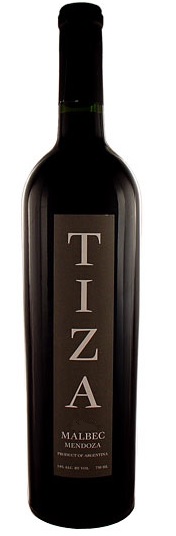
Tiza Malbec Mendoza is made from 100% Malbec, hand-harvested vineyards that total over 220 acres. Aged in new French oak barrels for 12 months. This wine offers a great intense and complex nose of wild berries and red ripe fruit with subtle spicy notes. Superb fruit flavors combine perfectly with toasty notes providing great structure, character, and a long finish.
The Tiza El Ganador Estate
These wines originate with a Spanish family based in Navarra. The grapes come from hand-harvested vineyards situated in Lujan de Cuyo. The winery uses a Marzola Basket Press, which has a solid reputation for quality. The press is hydraulic with an electric engine, and the plates are stainless steel with the bottom plate slanted to allow for maximum drainage. Basket walls are constructed of waterproofed wooden slats joined by stainless steel rings that can be switched out, allowing for continual filling and pressing. The computerized control panel can be programmed in various speeds and pressure, allowing the operator better control for extracting juice. Tiza is a lot specially selected by the importer. 2,500 cases produced, 2,500 cases imported.
The Tiza El Ganador Vineyards
The 220 acres of vines are planted to Malbec (first vines date back to 1912). The vineyard is situated 1,000 meters above sea level and is planted on alluvial soils with subsoils made of stone and sandy/limestone sediments. The quality of the soil together with the high density of vines per hectare contribute to produce very low yields with excellent fruits.

Bastgen Berncastel-Cueser Weisenstein Riesling Spatlese Trocken is made from 100 percent Riesling.
Bright, clean, fresh and zesty. Grapefruit like flavors. Fruity aromas and a nice minerality, typical of the Riesling grape grown on blue slate soil. Round, rich and a very long finish. The grapes for this wine are vigorously selected. Botrytis is not tolerated. At harvest the grapes are fully ripened, have a golden color, and a soft tartness. After a long spontaneous fermentation in a traditional 1000L barrel, the wine just reaches the dry stage. This gives the wine a creamy structure that interplays with ripe yellow and exotic fruit aromas.
They meticulously tend 4.5 ha (11.11 acres) of which 80% is Riesling. The soil is made of slate. Their vineyards are located in Kesten and Brauneberg, on a steep terrace, and planted to 50-year old vines. Fortunately for Bastgen, they own part of the famous Brauneberger Juffer Sonnenuhr. The vines produce very small, ripe berries that are very tasty.
Review:
"This dry Mosel riesling is GG in all but name! Complex nose of white peach and red-fleshed vineyard peach with herb garden notes. Very elegant and polished this glides over your palate, the precision of flavor on the medium-bodied palate is very impressive. Then comes the wet stone and red berry finish that doesn’t want to stop. From organically grown grapes. Drink or hold."
- James Suckling (November 2023), 95 pts

Ti Cuntu… means “I will tell you a story…” in Sicilian dialect and it refers to the ability of the wines made from these native grapes to tell the story of their terroir and of their history. The label shows the dry stone walls and the wild myrtle which characterize their territory.
Frappato is a rare native grape of Vittoria and is almost exclusively grown in Eastern Sicily. The vineyards lie on the sides of Mont Iblei at 300 meters above sea level on a south-west exposure. The relatively infertile terrain encourages the concentrated structure with a light color and beautiful aromatics. Irrigation is generally avoided. There are 4,000 plants per hectare. Agriculture is sustainable and no herbicides or pesticides are used and wild herbs fill the vineyard rows.
Color: Light cherry red with garnet reflections.
Bouquet: A ripe strawberry, black cherry, roses and violets fill the bouquet along with notes of blackberries, raspberries and blueberries.
Taste: Fresh and berry-filled with an intriguing root beer note. The tannins are refined and the acidity lively. The finish is notable and long.
Excellent with cold meats and salamis, seafood and light pasta dishes.