" We don't sell the wine without touching the vine "
| Country: | Spain |
| Region: | Calatayud |
| Winery: | Tres Ojos |
| Grape Types: | Tempranillo Garnacha |
| Vintage: | 2024 |
| Bottle Size: | 750 ml |

Tres Ojos Garnacha Calatayud is made from 100 percent 85% Old Vine Garnacha (40-50 year old vines) and 15% Tempranillo.
The wine has a brick red color with a bouquet of red raspberries, spice and white pepper. The palate is incredibly concentrated and rich. The modern styles of Garnacha in Spain are continuously being perceived worldwide as wines of extraordinarily good quality. This wine is fruity, juicy and shows a great depth, ripe tannins, length but yet with wonderful elegance and lightness.
The wine ferments for 7 days at 30ºC, followed by 14 days maceration on the skins. Aged 12 months in large stainless steel vats. Cold stabilized and lightly filtered before bottling
Enjoy with sausages, roasted meats, aged cheeses etc.

Alleme Getariako Txakolina Rosado is made from 50% Hondarrabi Zuri and 50% Hondarrabi Beltza
Limpid pink. Bright and energetic on the nose and palate, displaying vibrant, mineral-tinged cranberry, blood orange and white pepper qualities and a touch of pungent flowers. Racy and sharply focused, carrying no excess fat. Finishes tight and dry, displaying repeating citrus character and good persistence.

Luis XIV Lo de Pepitin is made from 80% Monastrell,14% Giro, 3% Arcos and 3% Bobal.
"Wine from a historic plot, named after Mr. Pepitin, the farmer who looked after these vines throughout his life."
Old vines (1980) planted in a bush style and dry land. 610 metres above sea level in the town of Biar. Sandy clay loam soil, with a high presence of limestone. Historic plot, reproduced by massal selection and with a wide variety of old clones of traditional Alicante varieties.
Production: Indigenous yeasts in our 19th century winery.
Fermentation: 50% in stainless steel, and 50% fermentation in vats.
70% Grapes crushed by foot and destemmed manually.
30% whole bunches.
Low extraction.
Aging : 50% of the wine was aged for 8 months in 500-liter French oak barrels ; and the other 50% were aged for 8 months in century-old 500-litre Amphora from Villarrobledo, considered the finest in Spain and which allows the wine to be stored inside without any coating: just pure clay.
Review:
-Luis Gutiérrez (Robert Parker) 93 Points

Weinkeller Erbach Goldmuskateller Feinherb is made from 100% Goldmuskateller.
The old name for the Erbacher Honigberg was Wacholderwiesen, meaning juniper meadows. At the Wacholderwiesen there was an uprising of the peasants in the 16th century. All the ringleaders were hanged.
The Muskateller grape has the smell of elder-berries, apricots and quince. A subtle aroma of lime and coconut rounds off the experience.
RS: 27.7grams / Liter
Acidity: 6.1
Pairing: Mountain cheese, spicy Asian food, ice-cubes with lemon balm in a long drink (lemon balm grows in the vineyard Erbacher Honigberg).

Alain Jaume Cairanne Les Travees is made from Grenache, Syrah and Mourvèdre.
The selected vines for this cuvée sit on south-facing slopes in Cairanne, one of the southern Rhône's finest villages.
The wine delivers an intense nose of black fruit. Full and concentrated on the palate with silky tannins, it reveals blackcurrant and cherry before a finish carrying the pepper and earthy notes typical of Cairanne. Enjoy with roasted lamb, braised or grilled pork, or a mild cheese such as brie or camembert.
Review:
-Jeb Dunnuck 90 Points

Antonio Camillo Ciliegiolo Vallerana Alta 2024 is made from Ciliegiolo. It is the top Ciliegiolo from Antonio Camillo, the Maremma grower who left Poggio Argentiera in 2006 to devote his own estate to this native Tuscan grape. Camillo farms around nine hectares of old vines near Capalbio with a minimal-intervention approach that lets the warm coastal terroir speak.
Vallerana Alta is a single-vineyard bottling from the estate's oldest parcel, built for depth and age. Fuller and more structured than the classic Ciliegiolo, it layers ripe dark cherry and plum over wild Mediterranean herbs, fine spice and a savory, mineral finish — proof of how serious this once-humble grape can be in the right hands.
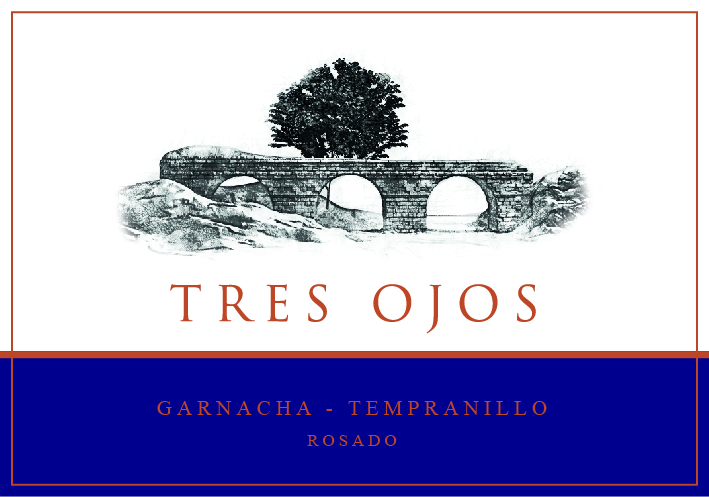
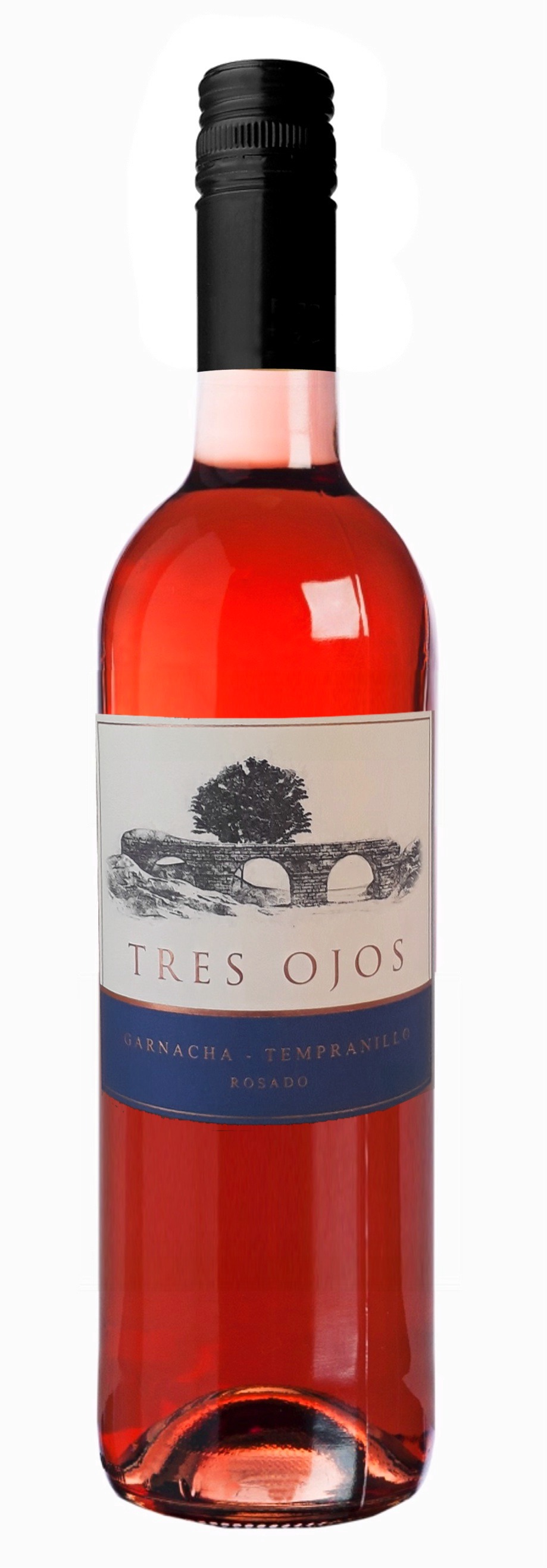
Tres Ojos Rosado Calatayud is fresh, crisp and juicy Rose made of 50% Garnacha and 50% Tempranillo displaying beautiful strawberry and raspberry fruits.
Enjoy with salads, chicken or simply with a glass. Serve chilled.
The Tres Ojos Estate
Tres Ojos is made at the Bodega San Gregorio, a cave co-op founded in 1965 that counts 160 members. The president is Gregorio Abad Gil and the vice president is Jose Maria Hernandez.
They sell wine to nine different countries.
The winery is located in the Ribota River Valley, some 15 kilometers north of the city of Calatayud. Tres Ojos hails from the D.O. Calatayud, located in Aragon, a province unparalleled in Spain by its variety of landscapes (lush river valleys, mountainsides and semi-desert areas.) The name Calatayud derives from a Moorish governor named Ayud who built a castle (qalat) at the confluence of the Jalon and Jiloca rivers (qalat Ayud.) There has been thriving population here as far back as Roman times when the old city of Bilbilis was used as an important staging-post for the Roman legions on their way north to Gaul.
The Tres Ojos Vineyards
The coop cultivates 820 hectares (2,025.40 acres) of primarily Garnacha (62%), Tempranillo (22%), 7% white Macabeo and 9% Cabernet, Syrah & Merlot (a mix). Most of the vines are at least 40 years old and some are 50+. The vines, planted “en vaso”(head-trained) are not irrigated, offering very low production levels. Local soils are rich in limestone, marl and slate, providing plenty of opportunities to make good wine on a regular basis of which Tres Ojos is a perfect example.

Post & Beam by Far Niente Chardonnay is made from 100 percent Chardonnay.
Vibrant, refreshing and stunningly perfumed, the Post & Beam Chardonnay opens with aromas of fresh melon and wild honeysuckle. The palate is lush and round, with silky layers of melon and baked apple spice framed by soft, toasted oak and lifted acidity.
Review:
Aromas of rich golden apple and vanilla bean lead to toasty oak, lemon zest, and salty minerality. Vibrant acidity is a focal point on the palate, along with a refreshingly bright and clean finish.
-Tasting Panel 93 Points

Alain Jaume Domaine du Clos de Sixte Lirac is made from 50% Grenache, 35% Syrah, 15% Mourvedre
An intense red garnet color. On the nose, aromas of red and black ripe fruit (kirsch and wild blackberry). The mouth is full, with aromas of blackcurrant liqueur and spice. Tannins are both harmonious and elegant thanks to the fleshiness of the wine. Hints of licorice and vanilla on the finish, which gives the wine length and complexity.
Soil type LIRAC vineyard is facing Chateauneuf du Pape, opposite side of the Rhône river. As showed by the picture and following geologist George Truc, soils are almost similar in both side. They are marked by the violence wrought by the Rhone river. It consists of a layer of marine molasses of the Miocene period covered by alpine alluvium. The presence of a great number of rounded stones known as "galets" in the earth is evidence of the time when the Rhone, then a torrent, tore fragments of rock from the Alps and deposited them on the plain. LIRAC is one of the up-coming best area from the southern Rhône valley, as it delivers outstanding wines. Winemaking & ageing Traditional wine-making in stainless still vats. Hand sorted bunches, crushed and destemmed grapes. Fermentation temperature : 30°C. 18 days of vatting with pigeages.
Review:
"I love the dark and meaty aromas of this Lirac, which also has an herbal freshness and just a hint of bitter chocolate. Medium- to full-bodied with licorice and restrained forest berry fruit on the velvety palate. Extremely well-balanced finish. From organically grown grapes. Drink or hold."
- James Suckling (April 2024), 92 pts

Bavencoff Bourgogne Blanc is made from 100 percent Chardonnay.
This Bourgogne Chardonnay is fresh and bright. The aromas are expressive with Honeysuckle, Broom and Mushroom. A nice balance between the acidity and the fruitiness, complementing the minerality. It will drink well during its youth but will gain some extra aromatic complexity after a few month in the cellar.
Very pleasant as an aperitif. Our Bourgogne Chardonnay also goes very well with cold meats, fish, grilled and marinated vegetables as well as goat cheese.
Wine was slightly filtered before bottling.
100% Malolactic fermentation done.
Aged 14 months. 80%of the wine was aged in Stainless steel tanks with 20% was aged in French Oak barriques (228 liter barrels).
Review:
Wine Enthusiast (April 2025), 90 pts

Landes Cuvee Tradition Lussac Saint Emilion is made from 80% Merlot, 15% Cabernet Sauvignon and 5% Cabernet Franc
Color: deep ruby intense color.
Aroma: racy and aromatic nose with aromas of ripe red fruit.
Taste: this wine is silky, round and smooth first taste, with aromas of raspberries, and blackcurrant, powerful and complex finish.

Antica Vigna Valpolicella Ripasso DOC Superiore is made from 50% Corvina, 45% Rondinella and 5% Merlot.
Ripasso Superiore DOC is an elegant and refined wine, showing a beautiful and intense ruby color. Spicy, with cherry hints and wild berries notes, it features great personality and complexity. In the palate it is rich, very fruity, elegant and still young but already very well-orchestrated, with the typical notes of wild berries that blend well with the complexity of the wine.
20% in steel· 80% in wood for 6 months of which 2/3 in American and French barriques, half of which are used for the second and third time 1/3 in large barrels
Aging:
Fermentation time: about 7/10 days the first and 15 days the second.
Fermentation: at a controlled temperature of 18/20° and second fermentation on the skins of Amarone at 18/20°C.
Vinification: soft crushing of destemmed grapes to obtain Valpolicella.
Drying: the grapes are not dried but vinified fresh.
Harvest: mid-September with manual harvesting of the grapes.
VINIFICATION AND AGENG:
Vineyard management: sustainable agriculture and great attention to natural cycles
Vine density: 4,000 to 5,400 vines per hectare
Vine planting year: from 1972 to 2009
Vineyard training system: guyot and pergola
Soil type: limestone
Exposure: south
Height: 350/400 meters asl
Geographical location: Tenuta di Mezzane, Tenuta di Cazzano di Tramigna
THE TERRITORY:
Pairs well with grilled and roasted meats, as well as cheese.

Ferme Blanche Cassis Blanc is made from 40% Marsanne, 20% Ugni Blanc, 20% Clairette, 10% Sauvignon Blanc and 10% Bourboulenc. .
The wine has a pale golden color and offers subtle aromas of citrus fruits, peach and apricot, and floral notes of acacia and linden. Crisp and lively on the palate, good tension and length and a refreshing finish.
Sea stews, shellfish, traditional fish and chips, octopus salad.

Arzuaga Ribera del Duero Crianza 95% Tempranillo and 5% Cabernet Sauvignon.
Dark cherry color with purple highlights. Powerful nose and high aromatic diversity of ripe red and black fruits, spicy and balsamic notes, and a roasted finish. Soft and mellow in the mouth with a great fruitiness and length.
Review:
-Decanter 95 Points

Yalumba, founded in 1849, is Australia's oldest family-owned winery. 'The Cigar' is its Coonawarra Cabernet, named for the region's famed cigar-shaped strip of terra rossa soil over limestone — the source of some of Australia's most elegant, structured Cabernets.
Review:
Excellent colour and core intensity with a bouquet of roasted plums and blackberry, cacao and baking spice, a whisp-of-mint, wood smoke and boot polish. Delicious on the palate with all scents reflected as flavours framed by an abundance of sine tannins and an acid line that delivers freshness and some power, concentration and style. Well made with best drinking from 2026 through 2031+.
Cameron Douglas MS 94 Points