" We don't sell the wine without touching the vine "

All older vintage wines have been purchased from a single collectors cellar. Pictures can be requested before shipment.
-150x300.jpg "Bachelet Bertrand Maranges Blanc Premier Cru Fussiere 2023")
Bertrand Bachelet Maranges Blanc 1er Cru La Fussiere is made from 100 percent Chardonnay.
The Maranges appellation is the youngest of the Côte de Beaune family, making its debut in May 1989. It spans three villages, namely Dezize-lès-Maranges, Cheilly-les-Maranges and Sampigny-les-Maranges. Several hills and slopes make up this appellation, all south/south-east-facing, at an altitude of between 200 and 400 metres. The Maranges 1ers Crus are spread over seven distinct villages.
'La Fussière' is the main village of the Maranges appellation and is located in the Cheilly and Dezize-les-Maranges areas.
This wine has a pale gold robe, with plenty of sparkle. At first, the nose evokes notes of white flowers, like acacias, then the second nose delivers a flinty, slightly buttery aspect. Plenty of versatility and subtlety on the palate, with floral notes.
A good accompaniment to a cold starter or fish. Try with a slightly sharp hard cheese, such as Cantal or Gouda, to draw out its natural vivacity.
Bertrand Bachelet Maranges Rouge 1er Cru Les Clos Roussots is made from 100 percent Pinot Noir.
The Maranges appellation is the youngest of the Côte de Beaune family, making its debut in May 1989. It spans three villages: Dezize-lès-Maranges, Cheilly-les-Maranges and Sampigny-les-Maranges. Several hills and slopes make up the appellation; they face south/south-east, at an altitude of between 200 and 400 meters. This appellation produces mainly red wines comprising 95% of total production.
The Maranges 1ers Crus are spread over seven distinct terroirs: "Les Clos Roussots", which represents the second largest terroir of the appellation, spans the Cheilly-les-Maranges and Sampigny-les-Maranges areas.
The wine boasts a beautiful bright red color. The nose provides subtle harmony between red and black fruits, spices and vanilla. On the palate, this wine is both solid and fresh, harmonious and bold.
Enjoy with a veal roast and sweet potatoes or matured cheeses.
Bertrand Bachelet Maranges Rouge is made from 100 percent Pinot Noir.
The Maranges appellation is the youngest of the Côte de Beaune family, making its debut in May 1989. It spans three villages, namely Dezize-lès-Maranges, Cheilly-les-Maranges and Sampigny-les-Maranges. Several hills and slopes make up this appellation, all south/south-east-facing, at an altitude of between 200 and 400 metres. The Maranges 1ers Crus are spread over seven distinct villages.
'La Fussière' is the main village of the Maranges appellation and is located in the Cheilly and Dezize-les-Maranges areas.
When young, ideal with meat such as a rib of beef or filet mignon; when aged, it pairs wonderfully with dishes in spicy sauces.
Bertrand Bachelet Maranges Rouge is made from 100 percent Pinot Noir.
The Maranges appellation is the youngest of the Côte de Beaune family, making its debut in May 1989. It spans three villages, namely Dezize-lès-Maranges, Cheilly-les-Maranges and Sampigny-les-Maranges. Several hills and slopes make up this appellation, all south/south-east-facing, at an altitude of between 200 and 400 metres. The Maranges 1ers Crus are spread over seven distinct villages.
'La Fussière' is the main village of the Maranges appellation and is located in the Cheilly and Dezize-les-Maranges areas.
When young, ideal with meat such as a rib of beef or filet mignon; when aged, it pairs wonderfully with dishes in spicy sauces.
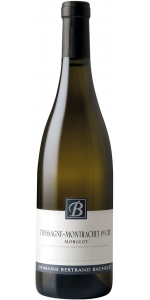
Bertrand Bachelet Chassagne Montrachet Premier Cru Morgeot is made from 100 percent Chardonnay.
The Chassagne-Montrachet appellation is located in the southern part of the Côte de Beaune and produces mainly white wines.
'Morgeot' is located in the south of the village, characterized by compact limestone soil containing iron oxide, which gives the soil its particular red-brown color.
The wine offers a golden color, a subtle nose of white flowers and honey notes. Full-bodied and well-structured on the palate.
The softness of the Chardonnay on the palate makes an interesting pairing with cooked foie gras; it also sits well with lobster, spiny lobster, or even morel mushroom dumplings or Bresse chicken in a cream sauce.
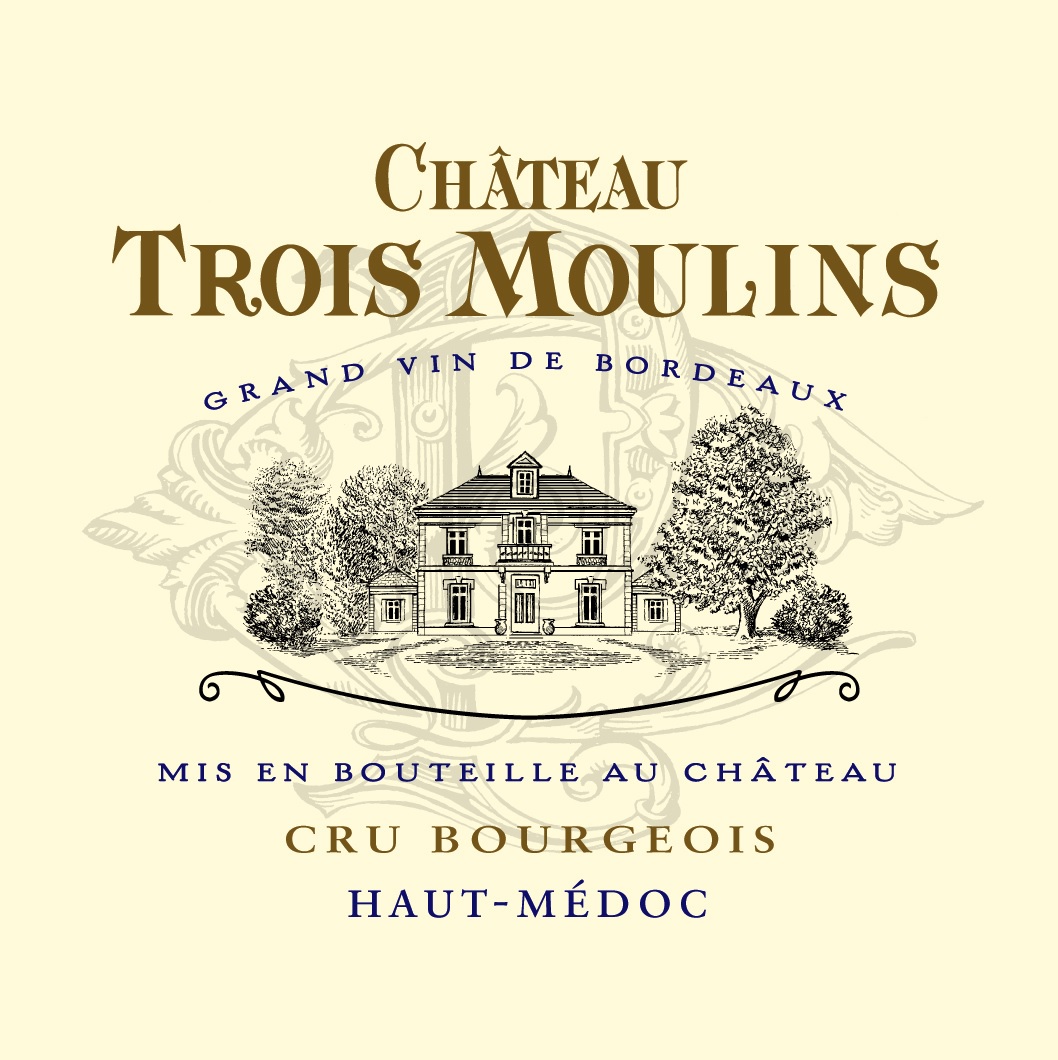
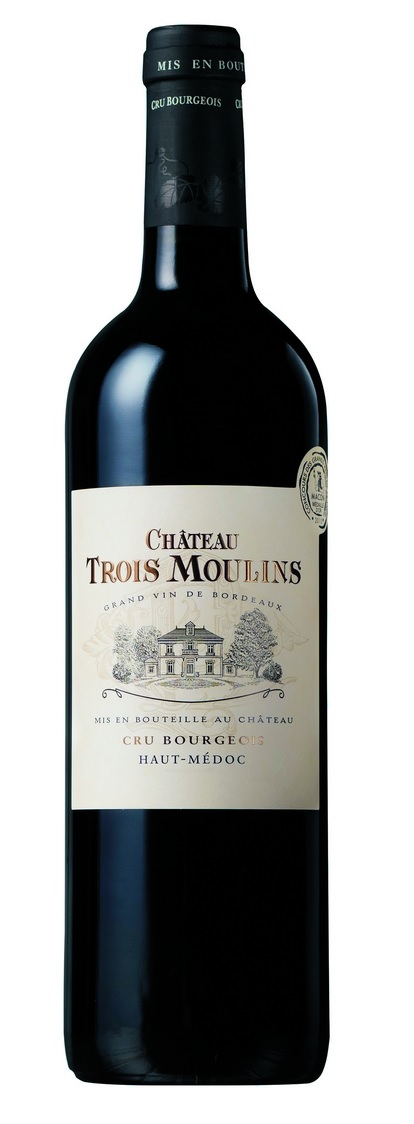
Trois Moulins Haut-Medoc Cru is amde from 52% Merlot, 33% Cabernet Sauvignon and 15% Cabernet Franc.
Powerful, elegant, fresh, fine
Average age of vines: 19 years.
Aged 8 months in French oak barrels (1 year old barrels)
Review:
"Equally divided between Merlot and Cabernet Sauvignon with a seasoning of Cabernet Franc, this richly perfumed wine is juicy and full of blackberry flavors. From the same ownership as Cambon la Pelouse and in the southern Haut-Médoc, the wine will age well. Drink from 2021. - Roger Voss"
- Wine Enthusiast (April 2018), 91 pts
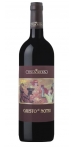
Tua Rita Giusto di Notri is made from 60% Cabernet Sauvignon, 30% Merlot and 10% Cabernet Franc.
The word "Giusto" refers to the name of the Patron Saint of Suvereto (the hilltop Tuscan town where Tua Rita is located) and "Notri" is the name of the winery's exact location.
Giusto di Notri is a Bordeaux-inspired blend of 60% Cabernet Sauvignon, 30% Merlot and 10% Cabernet Franc, selectively harvested in September. After a gentle pressing, the juice and skins macerate for a lengthy period of 25-30 days to add concentration and depth to the final wine. The wine is then aged for 18-20 months in French oak barrels and refined six months in bottle before release.
Deep purple in color, Giusto di Notri offers abundant aromas of blackberry, plum and currants with underpinnings of coriander, violet and a touch of vanilla. Full-bodied, with ripe, fine tannins, and a silky texture, this is a stunning wine with great aging potential.
Ideal for barbecued ribs, steaks, grilled meats and medium-aged cheeses.
Review:
Lots of incense to the aromas with sandalwood and lavender. Currants, blackberries. and fresh herbs, too. Full-bodied and very rich, with a powerful, structured mid-palate and a long, longfinish. A wine for the future. Needs four to five years to soften. Best after 2026.
-James Suckling 97 Points
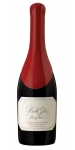
Belle Glos Clark and Telephone Vineyard Pinot Noir is made from 100 percent Pinot Noir.
Deep ruby red in color with scarlet highlights, Clark & Telephone opens with bountiful aromas of red fruits of cranberry and raspberry jam, laced with clove, cedar, and holiday baking spices. Bold and complex flavors of crushed ripe cherry, cranberry and blueberry pie linger on the palate. The texture is rich and lively, and leads into a warm and structured finish.
Review:
A dark shade in the glass, this bottling offers intense aromas of black cherry, cola, rosewater and caramelized oak on the nose. The palate is rich and powerful, pairing smoky oak with black cherry flavors to create a lavish sip.
-Wine Enthusiast 93 Points