" We don't sell the wine without touching the vine "
| Country: | Spain |
| Region: | Rias Baixas |
| Winery: | Valminor |
| Grape Type: | Albarino |
| Vintage: | 2016 |
| Bottle Size: | 750 ml |
-150x300.jpg "Valminor Albarino Rias Baixas 2024")
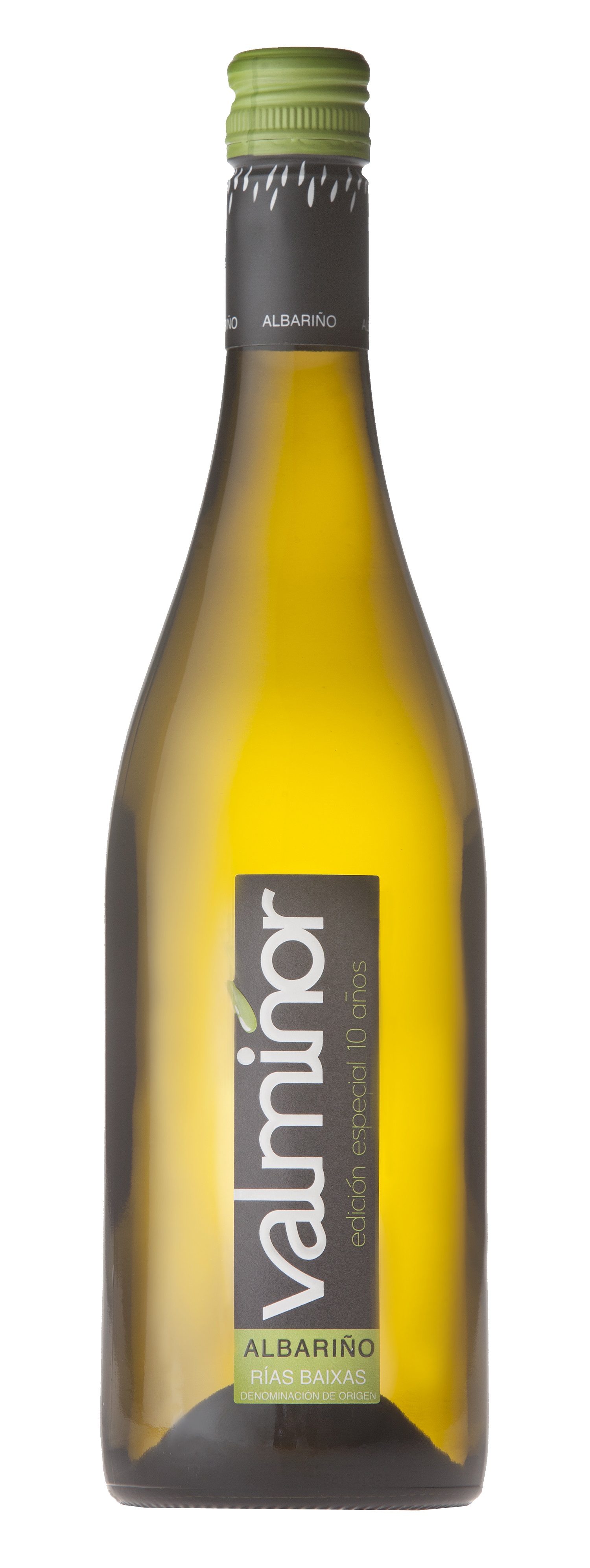
Valminor Albarino Rias Baixas is made from 100 percent Albarino.
Albariño is a Portuguese grape, native to the Miño River region, which separates Galicia & the Rias Baixas DO from Portugal. Albariño has a characteristic citrus aroma & high acidity.
Valminor Albarino presents a yellow straw color. On the nose, the wine shows a wide fruity range of aromas, with notes of fresh grapefruit, apricot and melon. In the mouth, Valminor combines fruity flavors and freshness with a rounded acidity, resulting in a balanced wine that boasts an opulent taste and slight spritziness.
Review:
"Elaborate swirls of lime, lemon, passionfruit and white peach entice the nose whilst the pristine purity of acidity and mineral freshness disarms the terroir-driven palate. Salty, linear and tangy, demonstrating Atlantic style at its best."
- Decanter World Wine Awards 2025, 97 pts and Platinum Medal

All older vintage wines have been purchased from a single collectors cellar. Pictures can be requested before shipment.

No Syrah terroir in Sonoma County compares with Sonoma Mountain’s northwest crown—cool fog-affected mornings, sun-bathed afternoons, cooled by persistent coastal breezes, and temperate evenings. The soils in Steiner’s Syrah blocks — ashy and moondust-like, littered with decomposing sea bed — further contribute to the unique nature of this site. After a 3-vintage hiatus, I am thrilled to be back working with Steiner Vineyard’s Syrah. By its nature, this slow-to-ripen, cool-climate site produces fabulously deep, intense, structured wines. Now, raising a big, brawny Syrah is no rare act of alchemy. It is the wonder of Steiner’s terroir — a magical elegance and beauty, informing the inherent power, depth and intensity — that makes this bottling so special. 2016 produced a classic wine that deftly balances massive flavors and texture, while retaining vital freshness, and a palpable sense of cool. Production was low, so get it while you can. Simply a “WOW” wine, not to be missed.
VINEYARD: Steiner Vineyard. Located at 1,100 ft, on the northwest crown of Sonoma Mountain. CRUSH: Early morning harvest by hand, October 1st, cluster and berry sorted, destemmed and crushed. FERMENT: 5-day cold soaks, followed by 14 day native fermentation in open-top bins. AGING: 20 months, French oak, 100% new, mixture of 300L hogsheads and barrique shapes. Never racked prior to bottling. Bottled unfined, unfiltered.
Review:
"Refined and stylish, featuring a complex core wrapped in multilayered blackberry and blueberry flavors, laced with bitter chocolate, black licorice and smoky meat notes. Drink now through 2030.- Tim FISH"
- Wine Spectator Insider (January 15th 2020), 93 PTS
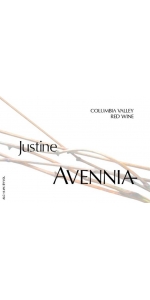
Avennia Justine Red Blend 56% Grenache, 31% Mourvèdre, 13% Syrah
Justine reflects our belief that Washington is capable of producing world class blends of grape varieties traditional to the Southern Rhone region of France. The name is inspired by one of the great heroines of recent literature, who also sprung from the imagination of the Mediterranean. Dark, seductive, complex, with a chasm of depth: The Justine is a great reflection of Avennia's mission of expression, and Washington's generous terroir.
Tasting Note: Big black cherry, blackberry, hints of orange peel, fresh herbs and loam on the nose. Plush and round on the palate. Dark earthy fruits from the Mourvedre, along with citrus high notes, mountain flowers, jasmine, and savory herbs. Balanced and complex without forgetting its hedonistic roots in the Southern Rhone.
Review:
A blend of 56% Grenache, 31% Mourvèdre, 13% Syrah brought up all in older oak, the 2016 Justine offers a great core of black fruits as well as lots of peppery herbs, earth, and classic meatiness. It looks to be a great vintage for this cuvée."
- Jeb Dunnuck (April 2018), 92-94 pts
Avennia Red Willow Cabernet Sauvignon is made from 100% Cabernet Sauvignon.
The Red Willow Cabernet is a true blockbuster.
Coming from one specific block of 30 year old vines at this iconic vineyard, then strictly barrel selected, this is the essence of powerful, old vine Washington Cabernet. After all of our efforts promoting the idea of the Bordeaux blend, it would take a pretty compelling argument to suspend that idea and make a 100% varietal Cabernet. In 2016 Red Willow provided us with just that. Each time we tasted it in the barrel, the belief grew that this was something special. Something we can't make every year. In the end we were won over, and decided to make a limited amount of this wine. But don't be fooled, as this too is a blend and a selection. Each year as we are tasting the grapes as harvest approaches, we notice that the vines near the bottom of this long, steep west-facing slope, are a little different. The vines at the bottom are in a little richer soil, and get a little more water, so we pick them separately, sometimes even a week or ten days apart, and keep them separate in barrel.
This wine is all from the top of the vineyard, with its lower yield and poorer soils giving more concentration and interest. Then further, nearly every combination of new and used French oak barrels were trialed to find the best blend. It's not enough just to use the four best barrels, but to trial each combination to see how they complement each other. For a wine with this much mass, 100% new French oak was used for the first time at Avennia. It is a wine that needs a little cellaring to start, but should last a very long time.
Review:
"The 2016 Cabernet Sauvignon Red Willow Vineyard is 100% Red Willow Cabernet Sauvignon that will spend roughly 20 months in close to 100% new French oak. Blackcurrants, smoked herbs, chocolate, and graphite notes all give way to a full-bodied, plump, rich, concentrated effort that's going to be better with short-term cellaring and keep for two decades."
- Jeb Dunnuck (April 2018), 94-96 pts
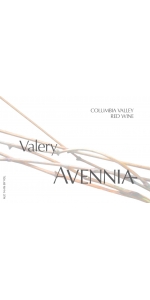
Avennia Valery Red Blend is made from 86% Merlot and 14% Cabernet Franc
Valery is named for the patron saint of wine in the St. Emilion region that inspired it.
We started with old vine Merlot from a stony block in the heart of the Yakima Valley and added complex, aromatic Cabernet Franc from the Horse Heaven Hills. The result is a balanced, complex wine with the elegance and ethereal perfume that this blend of two of Washington’s best varietals are known for.
The nose on this wine is very perfumed, almost exotic with notes of fresh violets, red plum, winter mint, fresh herbs and crushed limestone qualities. The palate is poised and balanced, with red fruits and mocha powder encapsulated in limestone. The finish lingers delicately, with the Cabernet Franc asserting a light tobacco and herb note, giving depth. A compelling wine that will continue to unwind for 7-10 years in the cellar.
Review:
"Brought up in 30% new French oak, the 2016 Valery (70/30 Merlot and Cabernet Franc) offers more black cherry and earthy, herbal notes as well as a medium-bodied, seamless, beautifully balanced style. It too shows a vibrant, fresh, yet concentrated style that has a Bordeaux feel in its weight and texture."
- Jeb Dunnuck (April 2019), 93 pts
"Good medium-dark red. Aromas of blueberry, mocha, licorice and violet are a bit darker than those of the 2015 version. Dense and penetrating, with wild flavors of dark berries, licorice and game given lift by rocky minerality and a minty nuance. Chris Peterson slightly acidified his Cabernet Franc from Champoux Vineyard, which he added to the wine for richness. This beauty may yet tighten up in the bottle.- Stephen Tanzer"
- Antonio Galloni's Vinous (November 2018), 92+ pts
A yellow straw color. On the nose, the wine shows intense fruity aromas of fresh grapefruit, apricot and melon. In the mouth, Valmiñor combines fruity flavors and freshness with a rounded acidity, resulting in a balanced wine that boasts an opulent taste with elegant aromas and slight spritziness.
The Valminor Estate
One of the newcomers, Adegas Valmiñor was founded in 1997 and is based in Rosal and boasts a new, ultramodern winery that produces 25,000 cases yearly of 100% Albariño "Valmiñor". (Note: “Adegas” means “bodegas” [winery] in the local Galician dialect). Owner, Carlos Gomez, makes about 3 different white wines, but Albariño is his speciality.
Carlos Gómez started Valmiñor in 1997 and headed up the project to build and open the new facilities in 2001. A trained executive with extensive experience in the wine business, Carlos founded Valmiñor and has since continued to expand the group's capacity to include Bodegas Ebano in Ribera del Duero in 2004, and more recently acquired a second Rías Baixas producer, Viñas o Torroxal. Today the group also includes a distribution company, as well as an agricultural services organization.
he winemaker Cristina Mantilla has been working as Valminor's winemaker since the very beginning in 1997. She obtained a Chemical Degree at the prestigious University of Santiago de Compostela and post-graduated in Oenology and Viticulture in Madrid. She started working in Rías Baixas but as her experience grows she also works beyond the Galician borders. In 97 Carlos Gómez founded the winery and Cristina Mantilla decided to join and give birth to a new and dynamic project with a very clear idea in mind.
Cristina has been the sole winemaker from the very first vintage of all the wines elaborated at Valminor and the bodega in Ribera del Duero, EBANO.
Cristina has furthered her carreer by producing white wine from 100% Loureiro grapes (skin contact versions) and she made the first ever Rosé style wine in Galicia. She is definitely a pioneer in making unique wines in Galicia.
The Valminor Vineyards
Galicia has a mild climate without dramatic changes in the weather, a soil rich in minerals and excellent conditions for maturing and it makes this valley the perfect place for growing quality varieties like Albariño, Loureiro and Treixadura.
Adegas Valmiñor owns 34 hectares in O Rosal, and uses purchased fruit from two prime growing areas: 40% Cambados and 60% Arbo fruit (a unique micro-climate that is a touch warmer than other areas). The Cambados region is located on the coast and provides acidity and freshness to the wine. Together the two fruit sources make a superb blend. Valmiñor means "minor valley" and today Valmiñor has built a new winery in O Rosal.
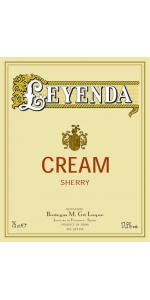
Dark mahogany. Aromas of dried fruits, oak and raising notes. Smooth, well balanced, rich and complex with a long after taste.
To be served on its own at room temperature, chilled from the fridge or over ice 'on the rocks'. Also a superb way to accompany desserts, pastries and cured cheeses.
Mollydooker Velvet Glove Shiraz is made from 100 percent Shiraz.
Sticky plum jam and spicy nutmeg aromas are alluringly prominent on the nose, whilst berries and mocha weave
and envelop your entire palate. The finish is incredibly smooth and silky, with elegant fruit flavors that linger in your mouth. An outstanding example of a perfectly balanced Shiraz from McLaren Vale.
Review:
The stunning 2022 ‘The Velvet Glove’ is a stunning wine coming from the Gateway Vineyard in McLaren Vale. Stored in all new American oak barrels before bottling, this delivers a glassstaining purple, with blueberry pie and boysenberry cordial notes alongside tar, anise, Cuban cigar and suggestions of Black Forest cake on the nose. The absolutely gorgeous aromatics bring you back to the glass for more hedonistic pleasure. This is obviously big, bold and heady, but has remarkable freshness and seamless texture. This is very weightless stuff that will have a long life ahead of it. But why wait?
-Owen Bargreen 99 Points
Henriot Brut Millesime 2014 is made from 50% Chardonnay, 50% Pinot Noir.
If the expression is intense and heady, it is nevertheless of an extraordinary finesse and elegance. A strength of character emerges, powerful, virile yet restrained and humble. The register is fresh, floral, vanilla, greedy. In the mouth the structure is solid, constructive, rectangular. The tannins take place and last after tasting. The freshness is present throughout the tasting, ending with a delicate bitter touch.
Review:
Showing floral notes of acacia and jasmine alongside sourdough, lemons and green apples. Walnuts and apricots, too. Open and inviting, with gentle nutty undertones, a medium to full body and a fine mousse. Long and persistent. 50% chardonnay and 50% pinot noir. Disgorged October 2022. This will be released later in 2023. Drink or hold.
- James Suckling 93 Points