
" We don't sell the wine without touching the vine "

| Country: | United States |
| Region: | California (Lodi) |
| Winery: | Van Ruiten Vineyards |
| Grape Type: | Zinfandel |
| Vintage: | 2010 |
| Bottle Size: | 750 ml |
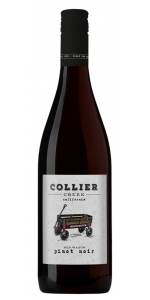
Collier Creek Old Press Zinfandel is made from 93% Zinfandel and 7% Petite Sirah.
Nestled in the heart of the Lodi Appellation, where farmland ran as far as the eye could see, Collier Creek is a place that reminds us of simpler times. The ol' press may look different these days, but this Zinfandel is still a classic with notes of dark fruit, baking spice, vanilla and a velvet mouthfeel.
Pair with blue cheese, bbq pork ribs, leg of lamb.
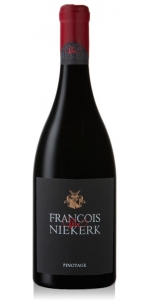
Dense purple hues, with evocative aromas of black cherries, ripe plums, nectarines, boysenberry, wild bramble and exotic oak spice. The juicy and sweet-fruited palate entry, combined with crunchy tannins, lures one into a sense of overtness, yet the wine is sublimely elegant and poised. The complex layers of fruit is in perfect harmony with the oak, all bound together by a lively seam of acidity. The finish is pleasantly dry and savory, with lingering notes of Christmas cake and vanilla pod.
Pair with barbequed meats, especially venison and beef / bobotie / lamb curry / seared tuna / spicy Asian-styled cuisine / aromatic curries / duck with sweet plum sauce / beef or lamb burgers / pizza
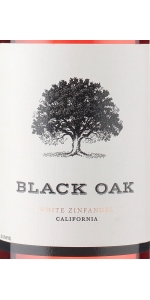
The Black Oak White Zinfandel is a wonderful warm weather sipper. This is sometimes called our ‘hammock wine’ for lazy days by the river.
Lovely perfume aromas that remind one of ripe melons, honeysuckle in summer, and cherry blossoms in spring. The flavors are bright and delicately sweet, with a very good balance of fresh acidity that lightens up the complex texture. The succulent flavors are of juicy tangerine, white peaches and just picked strawberries. All this with an additional hint of lemon-lime and sass that make this a very approachable and fun wine selection.
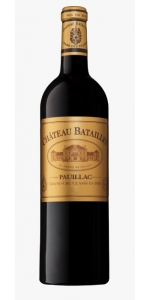
Chateau Batailley Grand Cru is made from 78% Cabernet Sauvignon, 19% Merlot, 2% Petit Verdot & 1% Cabernet Franc.
Château Batailley is a winery in the Pauillac appellation of the Bordeaux region of France. The wine produced at the estate was classified as one of eighteen Cinquièmes Crus (Fifth Growths) in the Bordeaux Wine Official Classification of 1855.
Garnet-purple colour. Rich and expressive nose, fruity with notes of spices, smoke and vanilla. On the palate, this wine is supple, round, well balanced, with good acidity, a nice fruitiness and nice notes of leather and cedar. Long elegant finish.
Review:
The 2010 Batailley repeated its magnificent showing when poured at the chateau. It has a detailed bouquet of blackberry and cedar, quite backward and seemingly having advanced lite since | tasted in in April 2016. The palate remains full of tension and brimming with energy, delivering classic cedar and tobacco notes toward the persistent finish. Batailley can produce wines that live many decades, and this is clearly one of them. Tasted at the property. Drink 2020-2050
- Neal Martin Vinous 95 Points
SALE!
Lodi, American Viticulture Area (AVA) – The Lodi AVA is located in the northern end of the San Joaquin Valley, Central Valley California, east of the San Francisco Bay. Lodi has warm days and cool nights, similar to the Mediterranean climate. The lower temperatures that occur in Lodi result in fruit with good acidity. A wide range of soils are found in the Lodi AVA, but they generally are deep, loamy, sandy, rocky soils similar to that found in southern Rhone valley.
The Lodi appellation totals almost one half million acres, and the approximately eight hundred growers farm roughly 90,000 acres. Lodi produces more Cabernet Sauvignon, Chardonnay, Merlot, Sauvignon Blanc, and Zinfandel than any other wine region in California, but it is probably best known for its old vine Zinfandel. The vines are often head trained giving them a classic old world appearance.
Zinfandel – The Zinfandel grape is a hearty variety that produces grapes with high sugar levels, often resulting in wines with a high alcohol content. Thought to be a relative of Primitivo that is found in southeast of Italy (the boot heel), Zinfandel can be made into a wide range of wine styles, including White Zinfandel, light or full bodied red wines, and even late harvest desert style wine. However Zinfandel, especially Old Vine Zinfandel from Lodi, is usually made into a full bodied, spicy red wine with characteristics of red fruit, raspberry, and cherry.
Produced in the heart of Lodi AVA.
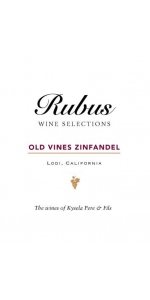
Rubus Zinfandel Lodi is made from 98% Zinfandel + 2% Cabernet Sauvignon
Bottled after aging in French and American oak for 9 months.
Rubus Zinfandel Lodi presents with ruby red in color, with red fruit, raspberry, and spice on the nose. This wine is medium in body, with notes of ripe cherry, cedar box, cinnamon, anise, black pepper, and hint of smoke on the palate. It has a long, silky finish.
Selected by Fran Kysela MS.
Dense purple hues, with evocative aromas of black cherries, ripe plums, nectarines, boysenberry, wild bramble and exotic oak spice. The juicy and sweet-fruited palate entry, combined with crunchy tannins, lures one into a sense of overtness, yet the wine is sublimely elegant and poised. The complex layers of fruit is in perfect harmony with the oak, all bound together by a lively seam of acidity. The finish is pleasantly dry and savory, with lingering notes of Christmas cake and vanilla pod.
Pair with barbequed meats, especially venison and beef / bobotie / lamb curry / seared tuna / spicy Asian-styled cuisine / aromatic curries / duck with sweet plum sauce / beef or lamb burgers / pizza
Review:
"A full-bodied and brooding wine. Precisely balanced with red cherries, blueberries, coffee, and chocolate with silky tannins and refreshing sour cherry acidity. Serious pedigree here."
- Decanter WWA 2021, 96 points and Gold Medal
The Van Ruiten Glory Days Zinfandel has dark rich color and plenty of minerality, loads of bright, savory, raspberry and black currant fruit, with hints of pepper.
The Van Ruiten Winery Estate
Mid-way between the Sierra Foothills and San Francisco Bay Delta, vineyards such as those owned by the Van Ruiten Family profit from the ideal delta influenced climate (cool afternoon breeze) that produce ripe full-flavored Zinfandels. Before settlement, the San Joaquin Valley was often an inland sea after winter rains and spring snow melt. The resulting flood drainage and soil deposits surrounding Lodi left a rich soil that drains easily, producing one-of-a-kind harvests.
For 50 years, the grapes grown in the Van Ruiten vineyards were harvested and shipped to other wineries every summer. The family wanted to branch out into winemaking, and in 1999 the first varieties of the Van Ruiten wines went into production. Among the most memorable and lasting first wines was a Cabernet Sauvignon/Shiraz blend that remains one of the families most popular today, along with the famous Old Vine Zinfandel, and the exceptional Chardonnay.
In 2000, less than a year after kicking off its first season of winemaking, the Van Ruiten family opened a state-of-the-art winery among their vineyards along Highway 12. The following year saw an addition of a tasting room, which allowed thirsty travelers to sample the winery's growing list of award winning wines. Soon a growing number of local boutique wineries were knocking at the door, seeking custom crush and winemaking services.
World class wine collectors, as well as leading vintners, entrepreneurs, consumers and wine lovers have quickly discovered the distinctiveness and quality available through the old family vineyards in Lodi. They now look for the Lodi and specifically the Van Ruiten Family name when patronizing exclusive establishments presenting the best wines for the world to their customers.
Three generations of the Van Ruiten family now work together tending the vineyards, managing the winery and bringing the finest wines to market. The Van Ruitens believe that hard work and an uncompromising commitment to excellence are the cornerstones of success today, and for their sixteen grandchildren and the generations to come.
The Vineyard
The Van Ruiten Family has been growing grapes in the Lodi area for more than 50 years. What started out as a table grape community slowly transitioned into the growing of wine grapes in the early 1900’s. Among the flourishing vines was the legendary Lodi Zinfandel. John’s first acres of Zinfandel still remain as part of the estate today. These Zinfandel vines are among the oldest, most historic and shyest bearing vines. Our newest addition in 2007 was the planting of our 40 acre Primitivo vineyard. This red varietal, also known as Zingarello, is genetically related to California’s Zinfandel. It originated and is still mainly grown in Southern Italy, but it is starting to make its way around the world.
Throughout the last five decades the farming practices have changed with the introduction of new technology and eco-friendly farming techniques. In an effort to move in the direction of Sustainable Farming Practices we erected nesting boxes for owls throughout our vineyards. The owls that reside in these boxes help keep the rodent population down without the use of poisons in the soil. Over the course of the last few years, thanks to the owls, the rodent population is under control without the use of pesticides. Though farming practices have changed, the motto has stayed the same. The family has prided itself in the uncompromising commitment to producing top quality grapes and passing knowledge down from generation to generation, while sharing newly learned growing practices.
After five decades the family farms an estimated 1000 acres of wine grapes, with only their best fruit destined to carry the family name. All of the fruit that enters the winery for Van Ruiten Vineyards has been picked by hand at its perfect ripeness and gently pressed to preserve the delicacy and purity of the fruits rich flavors. Three generations of the Van Ruiten family now work together tending the vineyards, managing the winery and envisioning a future for their ever growing cellar and tasting room.
-75x150.jpg "Valminor Albarino Rias Baixas 2024")
Valminor Albarino Rias Baixas is made from 100 percent Albarino.
Albariño is a Portuguese grape, native to the Miño River region, which separates Galicia & the Rias Baixas DO from Portugal. Albariño has a characteristic citrus aroma & high acidity.
Valminor Albarino presents a yellow straw color. On the nose, the wine shows a wide fruity range of aromas, with notes of fresh grapefruit, apricot and melon. In the mouth, Valminor combines fruity flavors and freshness with a rounded acidity, resulting in a balanced wine that boasts an opulent taste and slight spritziness.
Review:
"Elaborate swirls of lime, lemon, passionfruit and white peach entice the nose whilst the pristine purity of acidity and mineral freshness disarms the terroir-driven palate. Salty, linear and tangy, demonstrating Atlantic style at its best."
- Decanter World Wine Awards 2025, 97 pts and Platinum Medal
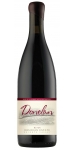
Obsidian Vineyard Syrah is bathed in terroir. The vines experience severe stress, pushing the roots ever deeper through rock in search of water, producing miniature clusters of intense power. Given the wine’s natural propensity for tannin, we take extreme care in the cellar to chisel/whittle its rough edges and leave room for richness to flatter its distinctive scaffold. The mid-palate supports flavors of roasted coffee beans, sarsaparilla, and dark chocolate. The finish marches on long after most wines have tired.
Our estate vineyard — the six-acre Obsidian Vineyard in the Knights Valley AVA — has an incredibly complex soil structure. It takes its name from a layer of volcanic obsidian rock that was discovered when we drilled for water.
Chocolate ganache, black currants, fig, graphite, and an expansive mouthfeel.
Review:
"Joe Donelan believes his Obsidian Vineyard is one of the world’s greatest sites for Syrah. I’ve visited the site twice, and can say candidly it certainly sits among the most striking vineyards I've ever laid eyes on within the U.S. It sits like a rock on a promontory—two switchbacks to reach the top—and the stones under the top soil, quite literally, never stop emerging from the ground. The place has an ancient, almost sacred, temple-like feel. It is consistently swept by afternoon breezes. The vineyard was replanted in 2017 after fires ravaged it. Winemaker David Milner laid out the site at denser spacing than before, at 2,000 vines per acre to keep yields per vine low while still achieving sensible tonnage, averaging around three tonnes per acre. Viognier was planted for co-fermentations, alongside some Cabernet Sauvignon, for a single vineyard bottling of that grape. ‘God put on his viticultural hat when he designed this site,’ says Milner. The vineyard is planted with ENTA 174, 877, and Alban 1 clones, along with Donelan Heritage selections certified virus-free. The wine, the 2023 vintage release (the first from the new vines), was aged for 21 months in 36% new oak and co-fermented with 1.8% Viognier, using 32% whole clusters. And it is positively gorgeous: composed of nine different blocks, each fermented separately, then assembled through sequential blending, with no racking until bottling. From just five-year-old vines, this wine is utterly extraordinary—something oddly achievable from young vines on rare occasion. I tasted this wine from the same bottle over three days. While the high-toned espresso-bean and cedar accents are present at first pull of the cork, they mellow out a day later, and the fruit profile is so vibrant. This is the sign of an excellent wine. I first tasted wines from the Donelan’s Obsidian Vineyard years ago at Tasting Panel Magazine in the late, great Anthony Dias Blue’s office. Cushing Donelan showed the wines, and to this day, I recall the first moment I put my nose into a glass of Obsidian Syrah. In early January of 2026, as I nosed this brand new release of Obsidian Syrah, I was transported straight back to that tasting twelve years ago. What’s remarkable is that the aromatics are unmistakably the same, yet from these new, more densely planted vines, the aromas are more refined—precision-farmed wines from young vines delivering a level of detail and poise that feels beyond their years. So what’s in the glass? Pure red, black, and blue fruit nuances layered with tobacco, white truffle character, violet pastille, and an intoxicating perfume. White pepper notes emerge on the medium- to full-bodied palate, framed by velvety tannins. Iron-like and crushed slate minerality underpins dazzling black cherry and blackberry fruit, brown spices, and blood orange richness. There’s a velvety, iron-fist quality here that exudes polish, complexity, and undeniable quality. You want to drink it now—and you absolutely can—but it will also reward time in the cellar. Either way, you’ll be utterly wowed. And when you realise the price is under £100, the achievement becomes even more staggering. As these vines mature, what will become of them in subsequent vintages? I suspect that as the vines mature, they'll go in and out of phases, but so long as Mother Nature cooperates, I expect this wine to continue to dazzle each vintage. - Jonathan CRISTALDI"
Decanter (January 5th 2026), 100 points
This is the first vintage of the Obsidian Syrah after wildfires torched the vineyard in 2017, leading to significant redevelopment. Throughout all those years, the Donelans have exhibited remarkable patience and a clear sense of purpose. This is their reward: a truly magnificent, towering wine of the highest level.
Knights Valley is one of the most magical grape-growing districts in the United States, but it is not very well known because only a few estate wineries are located there.
The 2023 Syria Obsidian Estate is one of the most profound, moving wines I have tasted in Sonoma County. Blackberry, gravel, incense, chocolate, lavender, and dried herbs race out of the glass. Delicate yet powerful, the 2023 is spectacular. It is also very fairly priced in today’s market.
Vinous 100 Points



