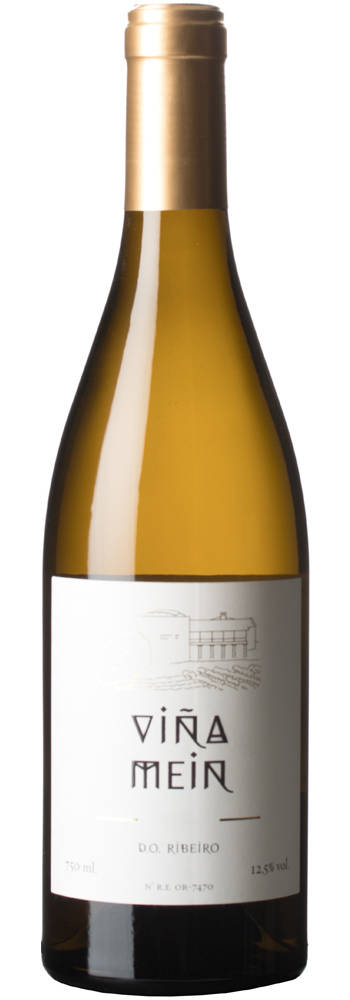
" We don't sell the wine without touching the vine "
| Country: | Spain |
| Region: | Ribeiro |
| Winery: | Vina Mein |
| Grape Type: | Treixadura |
| Vintage: | 2019 |
| Bottle Size: | 750 ml |
Vilerma Blanco Ribeiro is made from 80% Treixadura, 6% Torrontes, 4% Godello, 4% Albariño, 3% Loureira and 3% Lado
Ribeiro blanco is produced from estate-grown grapes using traditional winemaking.
Pale yellow color with green highlights.
Intense white fruit aromas when young, it develops complex nuances after a few years in the bottle.
In the mouth it is ample, full and pleasant with a long and fruity finish.
Fermentation in Stainless Steel tank at controlled temperature.
Luis Canas Rioja Blanco is made from 90% Viura and 10% Malvasia (60+ years old vines)
Barrel fermented for 3.5 months in new French oak barrels.
Alcohol: 13,5º
Total acidity: 6,5 g./l.
Volatile acidity: 0,25 g./l.
PH: 3,40
Free SO2: 25 mg./l.
Grapes harvested in small boxes to be selected manually on the table, bunch by bunch.
Beautiful golden yellow, with bright lemony highly-luminous reflections. The nose is fine, with great elegance, combined with floral and fruity tones.
The palate is dry with a crisp acidity that gives its freshness and vivacity, a structured and tasty finish of ripe fruit.
We recommend that you taste it at 8°C.
It is appropriate to accompany shellfish, crustaceans and grilled white fish or fish stews. It also blends elegantly with rice, soft cheeses, blue cheeses, all kinds of mushrooms and fresh fruit.
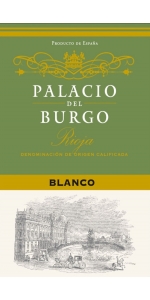
Palacio del Burgo Rioja Blanco is made from 100% Viura.
The wine shows a brilliant pale yellow color. The nose is elegant and very fruity, with straw and pineapple notes. The taste is intense, being extremely fruity with fresh balanced acidity.
Palacio del Burgo White Wine has been created to accompany all kinds of meals and be the perfect glass of wine to illuminate those memorable low light encounters. This wine is the product of the winemaker's efforts to highlight the fruit. The structure and mouth feel of the wine compliment and balance the fruit.
Enjoy it with white fish dishes and seafood.
Es Lo Que Hay Garnacha is made from 95% Garnacha, 5% Moristel, Miguel de Arco and Provechón (Bobal). 75 to 100 year old vines.
“ES LO QUE HAY - it is what it is. A common Spanish expression, but one I like to reserve for the few old high altitude Garnacha vineyards that survive in Aragon . What you taste in the bottle is a true expression of what there is in the vineyard. It´s as simple as that.”
High altitude ancient vineyards (75-100 years) at 1,000 to 1,100 meters above sea level with Pizarra slate and quartzite soils. Completely dry grown and unirrigated, this is an inhospitable continental climate with extreme changes of temperature where mountain herbs, almonds, cherry trees and Garnacha form a breathtaking patchwork. Low annual rainfall of 200-300mm and the remarkable soils produce fine and elegant Garnacha which is punctuated by intense black fruit flavors with complex mineral, smoke and garrigue notes.
Review:
"The red 2019 Es Lo Que Hay is mostly old-vine Garnacha with 5% other grapes, mostly Moristel with a little Miguel de Arco and some Provechón (Bobal), from very stony old vineyards in the village of Villarroya de la Sierra. The grapes fermented together with 20% full clusters in concrete and were destemmed after a five-day cold soak with the natural yeasts; then the wine matured mostly in concrete with some leftovers in Flextank egg for 15 months. It's ripe without excess (14.26% real alcohol), balanced by low pH and good acidity and has a powerful Mediterranean profile, round and full-bodied, with hints of dry hay and straw and a touch of dark chocolate. The 2019s are evolving nicely and should have a positive development in bottle, and this is a good example. 8,270 bottles produced. It was bottled in December 2020. - Luis Gutiérrez"
- Robert Parker's Wine Advocate (November 2021), 93 pts
"The 2019 Garnacha Vinas Viejas is just about all Grenache (there are small amounts of Moristel, Miguel de Arco, and Bobal) from ancient vines that saw a touch of stems and aging in concrete tanks. This plump, medium to full-bodied, round, downright sexy beauty gives up lots of ripe red and black fruits as well as peppery spice, herbes de Provence, and sandalwood. It's balanced, has supple, incredibly polished tannins, no hard edges, and is just a beautiful Garnacha that has so much to love. It will keep for 5-7 years, if not longer."
- Jeb Dunnuck (August 2022), 93 pts
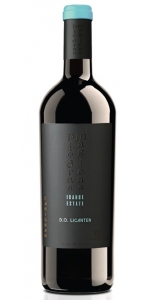
Vina La Ronciere 'Piedras Magicas' Idahue Estate Carignan is made from 100 percent Carignan.
Piedras Mágicas is hand-selected from small blocks in the Idahue vineyard based on specific soil compositions and microclimate characteristics. The final blend is comprised mainly of Carignan and complemented by other varieties in small proportions determined by vintage.
Located 15 miles from the Pacific Ocean, La Ronciere’s ambitious 500 acre Idahue Estate is their vision for the future. Prevailing coastal breezes, abundant sunshine, and rolling hills of ancient soils culminate in a privileged climatic and geological landscape. Years of research and a forward-looking approach drove the successful effort that saw Licanten granted D.O. status in 2018.
This wine displays a deep red color and offers aromas of black- berry, plum and floral notes. A complex palate of black fruits combine with pleasing notes of vanilla. Its volume and silkiness stand out. Juicy tannins and persistent acidity retains balance and elegance.
Review:
This wine displays a deep red color and offers aromas of black-berry, plum and floral notes. A complex palate of black fruits combine with pleasing notes of vanilla. Its volume and silkiness stand out. Juicy tannins and persistent acidity retains balance and elegance
-Tim Atkin MW 94 Points
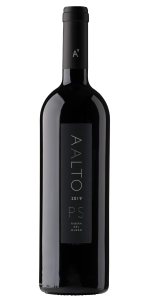
Aalto P.S. Pagos Seleccionados Tinto is made from 100 percent Tempranillo.
Climatic conditions
The farming year began with a mild autumn and little precipitation. A very dry winter started with -9ºC reaching at the end higher temperatures than normal for that time of the year. Spring and summer characterized by little rain, only some rain showers in July and late August avoided the hydric stress of the vines. The vegetative cycle of the vine developed with big variations of temperatures, alternating warm and atypical low temperatures of 4ºC for mid-June. The ripening of the grapes happened under very good conditions and the harvest started on 24th September 2019.
100% Tinto Fino (Tempranillo) primarily from very old vines – 60 to 90 years old – from selected plots in La Horra and La Aguilera. The harvest was done by hand, in small boxes of 15 kilos that are thoroughly inspected, bunch by bunch, on the selection table.
Tasting notes
Review:
Color: dark cherry, Aroma: toasty, spicy, fine cocoa, black fruit, Mouth: tasty, toasty, fine bitterness, ripe tannins
Guia Penin 94 Points
Vina Mein Ribeiro Blanco is made from 75% Treixadura, 10% Godello, 5% Loureira, 5% Albariño, 3% Torrontés, 1% Lado and 1% Albilla.
Nuanced layers upon layers of bay leaf, white stone fruits, moss, and wild fennel unfold.
Incredibly complex, this medium-bodied white has nervy acid to balance fleshy fruit and structure.
Review:
"The grand vin 2019 O Gran Mein is a blend of different varieties and vineyards that represents the best they have in white, fermenting each variety by plot, which gives them a lot of lots to make a blend. The idea is to achieve something that is complex but delicate rather than intense. It achieved 13% alcohol while it kept a pH of 3.34 and 6.29 grams of acidity, blending wines that fermented in stainless steel, concrete, foudre and 600-liter barrel and matured in tank for 14 months. It has aromatic complexity and depth and is elegant and nuanced, with herbal, balsamic and spicy aromas and the inland, river character. The palate is really balanced, and the mouthfeel is terribly stony, with a drying finish. Here they are again looking for potential to create this blend; they talk about wines for 30 years, guided by the first vintages in the 1990s. 25,000 bottles, 3,000 magnums and some larger formats were produced. It was bottled in December 2020.. - Luis GUTIERREZ"
- Robert Parker's Wine Advocate (Issue 259, February 28th 2022), 93 pts
Viña Mein is a family estate that was originated in the early 90's, when the Alén family acquired the Mein farm. Javier Alén manages the property with extremely care and in few years he has become the reference of the Denomination of Origin. His wines are made exclusively from his vineyards. The focus for these vineyards was to reestablish some of the ancient varietals of Galician white grapes: Treixadura, Godello, Loureira, Torrontes, Albariño and Albilla. As an experimental side project, they also planted 400 vines of Galician red grapes that include Caiño, Mencía and Ferrón.
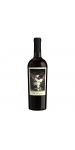
The Prisoner Wine Company The Prisoner Red Blend is made from a blend of Zinfandel, Cabernet Sauvignon, Petite Sirah, Syrah, and Charbono.
Bright aromas of ripe raspberry, vanilla, and coconut give way to flavors of fresh and dried blackberry, pomegranate, and vanilla, which linger harmoniously for a smooth and luscious finish.The Prisoner Red Blend was inspired by the wines first made by the Italian immigrants who originally settled in Napa Valley. The Prisoner is now the most recognized red blend, leading the resurgence of interesting blends by incorporating Zinfandel with the unlikely mix of Cabernet Sauvignon, Petite Sirah, Syrah, and Charbono.
On the nose, dried blackberry, dried açai berries, and hints of cedar and tobacco leaf are accented by sweet spices of clove, cinnamon, and nutmeg. Flavors of ripe dark cherry, blackberry coulis, and hints of anise linger harmoniously for a soft, vibrant finish balanced by ripe tannins.
Chef Brett recommends pairing The Prisoner Red Blend with Kalbi Short Ribs or Chicken Mole Tostada.
Vineyards: When you outgrow winemaking tradition, you must forge your own path. And we did. The Prisoner exists because of the collaboration with our growers, many of which have been with us since the very beginning—from the Solari Family Vineyard in Calistoga, where old school sensibilities meet new techniques, to the Korte Ranch in St. Helena, a vineyard whose diligence outlasted the Prohibition and has sustained four generations.
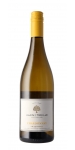
This chardonnay has a characteristic pale yellow color with a shade of gold and subtle nose that will remind you the fresh butter nuts and roasted almonds. On the palate, it is full bodied and fruity with a pleasant roundness.
Average age of the vines is 25 years old.
We produce a part of this cuvee with 12 hours skin maceration and another part from directly pressed grapes.
Wine was slightly filtered before bottling to insure the wine remains stable.
Best friend as an aperitive or with freshwater fish, shellfish and goat cheeses.