
" We don't sell the wine without touching the vine "
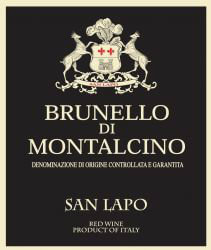
| Country: | Italy |
| Regions: | Tuscany Brunello di Montalcino |
| Winery: | Tenuta Vitanza |
| Grape Type: | Sangiovese |
| Vintage: | 2009 |
| Bottle Size: | 750 ml |

San Giorgio Ugolforte presents a dark core of red and black berry fruit layered with earth, leather, smoke, and herbs. Complex and elegant, the wine is full on the palate and firm in tannin structure. Refreshing acidity frames a graceful finish. Classic Brunello di Montalcino.
This red is marked by cherry, plum, thyme, sage and loam aromas and flavors. Lively and firmly structured, featuring a saline undercurrent. An open-knit version, with nice equilibrium, fine energy and a long, resonant finish.
-Jeb Dunnuck 94 Points
-Wine Spectator 94 Points

Poggio San Polo Podernovi Brunello di Montalcino is made from Sangiovese.
Intense ruby red in color with garnet hues, clear and glossy. The bouquet exhibits typical aromas of violets and small red berries. Subtle nuances of forest undergrowth, aromatic wood, a touch of vanilla and jammy mixed fruit then give way to subtle hints of coffee. This Brunello is intense, persistent, broad and heady. Full-bodied and warm on the palate, with a densely-woven texture and robust body, it has a persistent finish with well-rounded tannins. The particular features of the terroir at San Polo produce a Brunello with a capacity for lengthy aging, while patient cellaring enhances the wine during ageing in the bottle.
Review:
Lovely purity of fruit with ultra fine tannins and depth, finesse and complexity. Black cherries, cedar and some flowers. It’s full-bodied with very fine tannins that drive the finish. Give it a year or two to open more, but already so enticing. Drink or hold.
-James Suckling 96 Points
The San Polo 2015 Brunello di Montalcino Riserva (with 8,000 bottles produced) is a textured wine with hearty fruit and touches of smoked meat and spice. At its core, the wine offers dark fruit, blackberry and ripe plum. The rich fruitiness of the wine cedes to campfire ash, mahogany and furniture wax. These results are sultry and even a bit flashy, with distant background tones of teriyaki and plum sauce. The wine is fermented in cylindrical oak fermenters and aged in oak for three years. We'll see this bottle hitting the market sometime after February 2021.
-Wine Advocate 95 Points

This is a 6 pack with 2 bottles each from vintages from 2013, 2015, and 2016.
***Tenimenti Angelini Val di Suga Vigna Spuntali Brunello di Montalcino 2016:
The 2016 Vigna Spuntali Brunello di Montalcino is the most brooding of the lineup from Val di Suga and is sourced from the southwest of the region on sandy soils. There are aromatics of black raspberry, licorice, menthol, sage, cinnamon, and iron-rich earth. Its Mediterranean influence is felt on the palate with ripe black cherry, dried herbs, and sun-baked earth. This is the fullest bodied and most savory of the Val di Suga lineup, with more roundness and grip. Its structure will benefit from cellaring for several years and will be great drinking over the next 20 years or more. 2026-2040.
-Jeb Dunnuck 96 Points
***Tenimenti Angelini Val di Suga Vigna Spuntali Brunello di Montalcino 2015:
The 2015 Vigna Spuntali Brunello di Montalcino is more introverted on first opening, with notes of black plum, licorice, dried Mediterranean herb, and sun-baked earth. On the palate, it offers a tart dried fruit character, with a building tannin structure that finishes with tomato leaf, and bitter herbs. The most rustic and burly of the wines in the lineup of the 2015 Val di Suga vintage, it will benefit from allowing some time in cellar to see how this matures and its tarriness develops. Drink 2026-2036
-Jeb Dunnuck 94 Points
***Tenimenti Angelini Val di Suga Vigna Spuntali Brunello di Montalcino 2013:
Plenty of spices and fresh herbs on the nose, such as dried rosemary and nutmeg, to match the underlying dried redcurrants and cranberries. Full-bodied with plenty of concentration, but still shows a very sturdy, tannin backbone and punchy acidity, to drive this through to a long finish. Drink in 2021.
-James Suckling 94 Points

Tenute Silvio Nardi Brunello di Montalcino is made from 100 percent Sangiovese.
Quite intense ruby red color with garnet highlights. Intense and complex aromas at the nose, rich in ripe fruits, spices and toasted notes. Smooth and bodied at the palate, with great persistence, elegant and wide concentration. Tannins are dense and velvety.
Reviews:
Blackberry, black-truffle and black-cherry aromas follow through to a medium body with juicy fruit and a long, flavorful finish. Polished, pretty tannins here. Nicely crafted. Drink after 2026.
-James Suckling 94 Points
In the bottle with the burgundy-colored label, the Tenute Silvio Nardi 2019 Brunello di Montalcino is a layered and generous wine with black fruit, cherry, spice and a hint of Provençal mixed herbs on black olive. There are further hints of underbrush, crushed slate, petrichor from schistic soils, and toasted almond that adds some sweetness from French oak. The tannins are velvety and soft, but this wine is regularly balanced throughout. It's well made in an ample production of 150,000 bottles.
- Robert Parker's Wine Advocate 94 Points
A spicy version, whose black pepper and Szechuan peppercorn notes highlight the core cherry and strawberry flavors. Underbrush and iron accents also enter the mix, while this stays balanced and long as the tannins leave their grip on the finish.
-Wine Spectator 94 Points

TYPE: DOCG
GRAPE VARIETY: 100% Sangiovese harvested from the oldest vineyards.
VINIFICATION: Alcoholic fermentation with maceration of the skins (25-30 days) at a controlled temperature and spontaneous malolactic fermentation, both in truncated cone-shaped Slavonian oak vats.
REFINEMENT: In Slavonian oak barrels from 10 to 32 hl for approx. 34-38 months; followed by bottle refinement of at least 6 months.
ON SALE BY:January of the 5th year after the harvest.
NOTE:
Color: intense ruby with garnet reflections.
Perfume: ethereal, of red fruit and vanilla, persistent.
Taste: harmonious, with excellent tannins and structure, very persistent.
Food pairings: roasted red meats, game, mature cheeses.
Review:
A jeweled ruby color, the 2019 Brunello Di Montalcino is forward with licorice spice on the nose and opens to notes of fresh black cherries, pine, and toasted rosemary. Medium to full-bodied, it offers wonderful energy from the start, with balanced, angular structure, ripe tannins, crunchy fresh acidity, and a long finish. Avery well styled Brunello, it will be in its prime in the coming 10-15 years.
-Jeb Dunnuck 95 Points
Aromas of redcurrants and red flowers, followed by a touch of pie crust and sandalwood. Full-bodied with steely and sturdy tannins and vivid acidity. Dried-herb character at the end. Masculine and structured. Hold until 2027.
-James Suckling 95 Points

Capanna Brunello di Montalcino Riserva 2015
TYPE: DOCG
BLEND: 100% Sangiovese carefully selected in the oldest vineyards and only of the best harvests.
VINIFICATION:
Alcoholic fermentation with maceration of the skins (30-35 days) at a controlled temperature and spontaneous malolactic fermentation, both in truncated cone-shaped Slavonian oak vats.
AGEING:
In Slavonian oak casks of 10 to 25 hl for over 40 months; followed by ageing in bottles for at least 15 months.
NOTES:
Colour: deep ruby red, strong, lively.
Bouquet: very intense and complex, fruity and spicy, with red fruit, jam and liquorice shades; great prospects of future development.
Taste: great structure in the acid-tannin components, well supported by the soft ones; extremely persistent.
Food pairings: roast red meats, game and very aged cheeses.
Review:
Powerful, sparkling garnet red. Rich, very appealing nose with notes of ripe raspberries and fresh plums, some liquorice and fine spice notes in the background. Grippy, fine-meshed tannin on the palate, builds up in many layers, salty, good tension, very long finish in the finish.
- Falstaff 98 Points
Vitanza San Lapo Brunello di Montalcino 2009 is 100 percent Sangiovese and 14.5 percent alcohol.
Aged in French Barriques (a mix of new barrels and 1 year old barrels), then 8 months in bottle
Deep red ruby, Bouquet intense and complete with a classic aroma of French wood because of the barrel aging.
The elegance and harmonious body of Brunello di Montalcino Vitanza allow combinations with very structured and composite dishes such as: Roasts and red meats, the furred and feathered game, wild boar and pheasant in particular, possibly with mushrooms or truffles.
It also compliment very well all sorts of cheeses, such as: Aged cheeses, Parmesan cheese, Tuscan pecorino cheese
It goes perfectly with international dishes with meat sauces or structured. This wine due to its characteristics, and enjoyable as a sipping wine. Must be served in crystal glasses for red wine at a temperature of about 16/17 ° C.
The Tenuta Vitanza Estate
The story of Tenuta Vitanza begins in 1994, when Rosalba Vitanza and her soon-to-be husband, Guido Andretta, spent a romantic weekend in Montalcino.
Rosalba has a PhD in Philosophy, and was teaching at the University of Rome, La Sapienza branch. Guido Anderetta was working as an aerospace engineer, running his own consulting business based in the United Kingdom and the U.S.A.
In 1994, they united their efforts behind the purchase of Podere Rensione, a country home with two acres of vineyards. Their first vintage was 1995 and the couple received 93 points from the Wine Spectator. Today, they own 80 acres of vines (not all in production year), and have a long-term goal of 15,000 cases of production. Since 2002, the couple has been building a modern, gravity flow winery, computer controlled, and wi-fi connected, in the town of Torrenieri. The winery has 13 large stainless steel tanks, each signifying a specific vineyard area. Also, the winery has been designed with total traceability, meaning that each bottle is numbered. In the future, you will be able to access their website, punch in the bottle’s number, and receive the following information:
· bottle type
· cork used
· kind of aging & how much time
· vineyard location & exact parcel
· weather that particular vintage
The Tenuta Vitanza Vineyard
25.8 hectares in production now or 63 acres, broken down as follows:
Size Grape Wine Type
14.4 acres Sangiovese Brunello di Montalcino
3.0 acres Sangiovese Chianti, Colli Senesi
4.0 acres Sangiovese Orcia, DOC
1.4 acres Sangiovese Sant Antimo, DOC
3.0 acres Merlot for Quadrimendo & Chianti
25.8 hectares = 63.73 acres

Bramare Lujan De Cujo Malbec is made from 100 percent Malbec.
Deep ruby red color with violet tones. Aromas of red fruit, plum, graphite and floral notes. The palate is round and balanced, with sweet and juicy tannins.
Review:
Tight, intense and layered, this full-bodied wine can be appreciated now for its cocoa, blueberry and blackcurrant flavors, but will surely improve and gain complexity with time. Aged in 20% new oak, mostly barriques. Very fine-grained tannins wrap around deep blue and black fruit, with spearmint and dark chocolate buoyed by good acidity and showing great minerality in the finish. Best from 2028.
-James Suckling 95 Points

All the magic and personality of the ancestral Levantine varieties in a fresh and fluid wine.
It comes from two plots of old vines, of the Verdil and Merseguera and Moscatel varieties, cultivated in a traditional way.
Our respect for historical viticulture and enology leads us to minimal intervention crops and preparations. We reduce treatments as much as possible, seeking a balance between the vines and their environment



